Plan and listen to Scott Joplin House State Historic Site with Audiala.
Audio guide in your pocket, itinerary in your browser. Built for the way you actually visit.
Introduction to Scott Joplin House
Discover the vibrant musical legacy of Scott Joplin, the 'King of Ragtime,' at the Scott Joplin House State Historic Site in St. Louis, Missouri. This comprehensive guide will provide you with all the information you need to plan your visit, from the historical significance of the site to practical visitor details. Scott Joplin, a pioneering African American composer and pianist, significantly impacted American music with his innovative ragtime compositions such as 'The Entertainer' and 'Maple Leaf Rag' (Library of Congress). Located at 2658 Delmar Boulevard, this historic house offers a unique glimpse into Joplin's life and the cultural dynamics of early 20th-century St. Louis, making it a must-visit for music enthusiasts and history buffs alike (Missouri State Parks). Whether you're interested in the architectural details of this mid-19th-century rowhouse or the broader social history of black urban migration, the Scott Joplin House provides an enriching experience that highlights the enduring influence of ragtime on American culture.











History and Significance
Historical Background
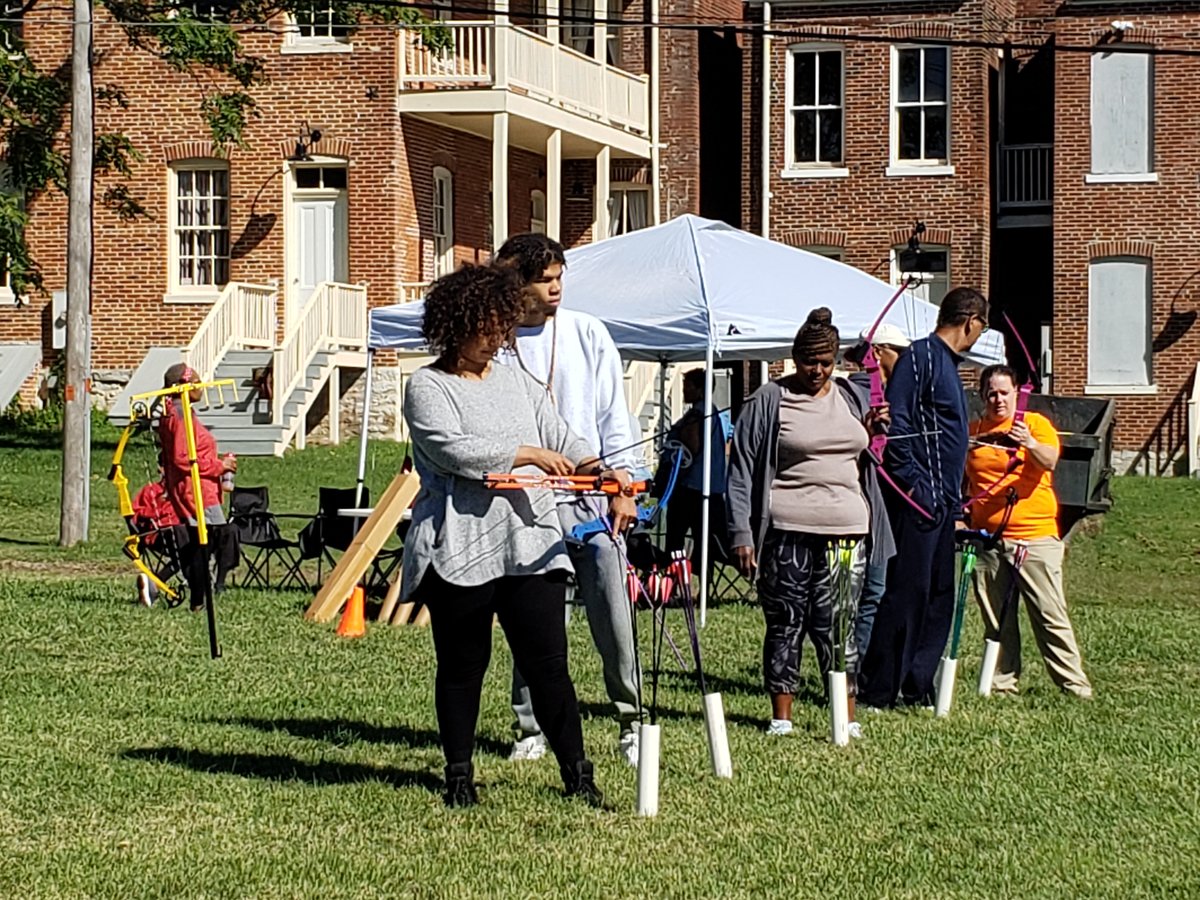
The Scott Joplin House State Historic Site, located at 2658 Delmar Boulevard in St. Louis, Missouri, is a significant landmark in American music history. The house, a modest two-story brick row house, was constructed around the Civil War era, with records indicating its existence by 1874. The neighborhood evolved into a diverse immigrant community by the mid-19th century, attracting German, Irish, Italian, Polish, and Jewish populations. By the early 20th century, it had become predominantly African American, coinciding with Scott Joplin's residence there from 1900 to 1903.
Scott Joplin's Residency
Scott Joplin, born in 1868 near Marshall, Texas, was a pioneering African American composer and pianist, known as the 'King of Ragtime.' His early musical education at George R. Smith College in Sedalia, Missouri, combined classical training with the improvisational styles of folk music, enabling him to create and popularize ragtime music. Joplin moved into the house on Delmar Boulevard, then known as Morgan Street, in 1900. During his time there, he composed some of his most famous works, including 'The Entertainer' and 'Easy Winners.'
Architectural Significance
The Scott Joplin House is a typical example of tenant rowhouses built in St. Louis during the mid-19th century. The two-story T-shaped brick house features a gabled roof with side parapet walls and engaged chimneys. The front facade is symmetrically arranged with six bays, and the ground floor windows are set in round-arch openings, while those on the second floor are in segmented-arch openings. An ell extends to the rear and another to the right side of the house, which is fronted by a granite curb and iron fence.
Preservation and Restoration
The house was recognized as a National Historic Landmark in 1976, largely due to the efforts of the local African American community who saved it from demolition. In 1983, the Missouri Department of Natural Resources designated it as the first state historic site in Missouri dedicated to African American heritage. The restoration aimed to preserve the house's historical integrity, including its 1902 furnishings and gaslight illumination, providing an authentic glimpse into Joplin's life and times.
Cultural Impact
Scott Joplin's contributions to music, particularly ragtime, have had a lasting impact on American culture. His composition 'Maple Leaf Rag,' published in 1899, sold over half a million copies by 1909, establishing ragtime as a significant musical genre. Joplin's music gained renewed recognition in the 1970s when 'The Entertainer' was used as the theme music for the film 'The Sting,' introducing his work to a new generation.
Expanded Interpretation
Initially, the Scott Joplin House State Historic Site focused solely on Joplin and ragtime music. However, recent heritage projects have expanded the site's interpretive scope to include the broader social history of black urban migration and the transformation of the neighborhood from a multi-ethnic community to a predominantly African American one. This expanded narrative addresses complex topics such as racial oppression, poverty, sanitation, prostitution, and sexually transmitted diseases, providing a more comprehensive understanding of the historical context in which Joplin lived and worked.
Visitor Information
Planning your visit to the Scott Joplin House? Here’s what you need to know:
- Opening Hours: The site is open year-round, with varying hours of operation depending on the season. Check the official website for the most up-to-date information.
- Tickets: Admission prices are affordable, with discounts available for children, seniors, and groups. Purchase tickets online or at the site.
- Accessibility: The Scott Joplin House is wheelchair accessible, with ramps and elevators available for visitors with mobility issues.
- Nearby Attractions: While in St. Louis, consider visiting other historical sites such as the Gateway Arch and the Missouri History Museum.
- Travel Tips: Convenient parking is available nearby, and the site is easily accessible by public transportation.
Visitor Experience
Visitors to the Scott Joplin House State Historic Site can take guided tours of the house, which has been restored to its early 1900s appearance. The tours include the parlor, dining room, and Joplin's personal quarters, all furnished with period artifacts. An authentic player piano fills the air with Joplin's melodies, enhancing the immersive experience. The site also features museum exhibits that interpret Joplin's life and the history of ragtime music.
Educational Programs and Events
Throughout the year, the Scott Joplin House State Historic Site hosts various events and programs, including concerts, lectures, and educational workshops. These activities aim to educate visitors about Joplin's legacy and the cultural significance of ragtime music.
FAQ
What are the Scott Joplin House visiting hours?
The site is open year-round, but hours of operation may vary by season. Please check the official website for the most current visiting hours.
How much are tickets to the Scott Joplin House?
Ticket prices are affordable, with discounts available for children, seniors, and groups. Tickets can be purchased online or at the site.
Listen to the full story in the app
The whole Scott Joplin House State Historic Site,
told well.
Listen to sourced travel stories with local history and practical context — ready offline.
Verified, and shown.
Researched and written by the Audiala editorial team from historical records, architectural archives, and local expertise.
Scott Joplin: American Composer, 2020
Scott Joplin House State Historic Site, 2023
Scott Joplin House, 2021
Scott Joplin: King of Ragtime Was Born 150 Years Ago, 2018
Built from cited sources · see the method · How we make our guides →