Plan and listen to Gateway Arch National Park with Audiala.
Audio guide in your pocket, itinerary in your browser. Built for the way you actually visit.
Introduction
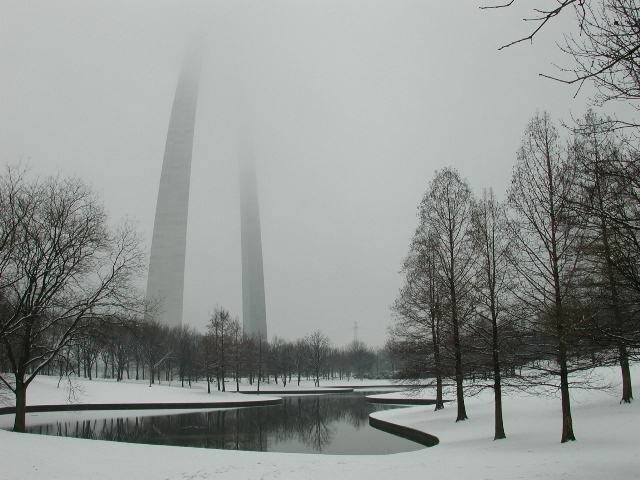
Gateway Arch National Park in St. Louis, Missouri, stands as an enduring symbol of American westward expansion and innovation. Famously known as the “Gateway to the West,” the park’s centerpiece—the 630-foot stainless steel Gateway Arch—dominates the skyline, serving as both the tallest man-made monument in the United States and the world’s tallest arch. Designed by Eero Saarinen and completed in 1965, the Arch commemorates the Louisiana Purchase and celebrates the pioneering journeys that forged a new nation. With its urban location and 91 acres of green space along the Mississippi River, Gateway Arch National Park seamlessly blends historical significance, architectural brilliance, and vibrant city life.
This comprehensive guide covers the park’s history, cultural importance, visiting hours, ticketing, accessibility, travel tips, and nearby attractions. It also addresses ongoing debates about its national park status and provides practical itineraries to help visitors make the most of their trip. For the latest updates, always refer to the National Park Service Gateway Arch page and the official Gateway Arch website.




Historical Background and National Park Designation
Early Origins and Historical Context
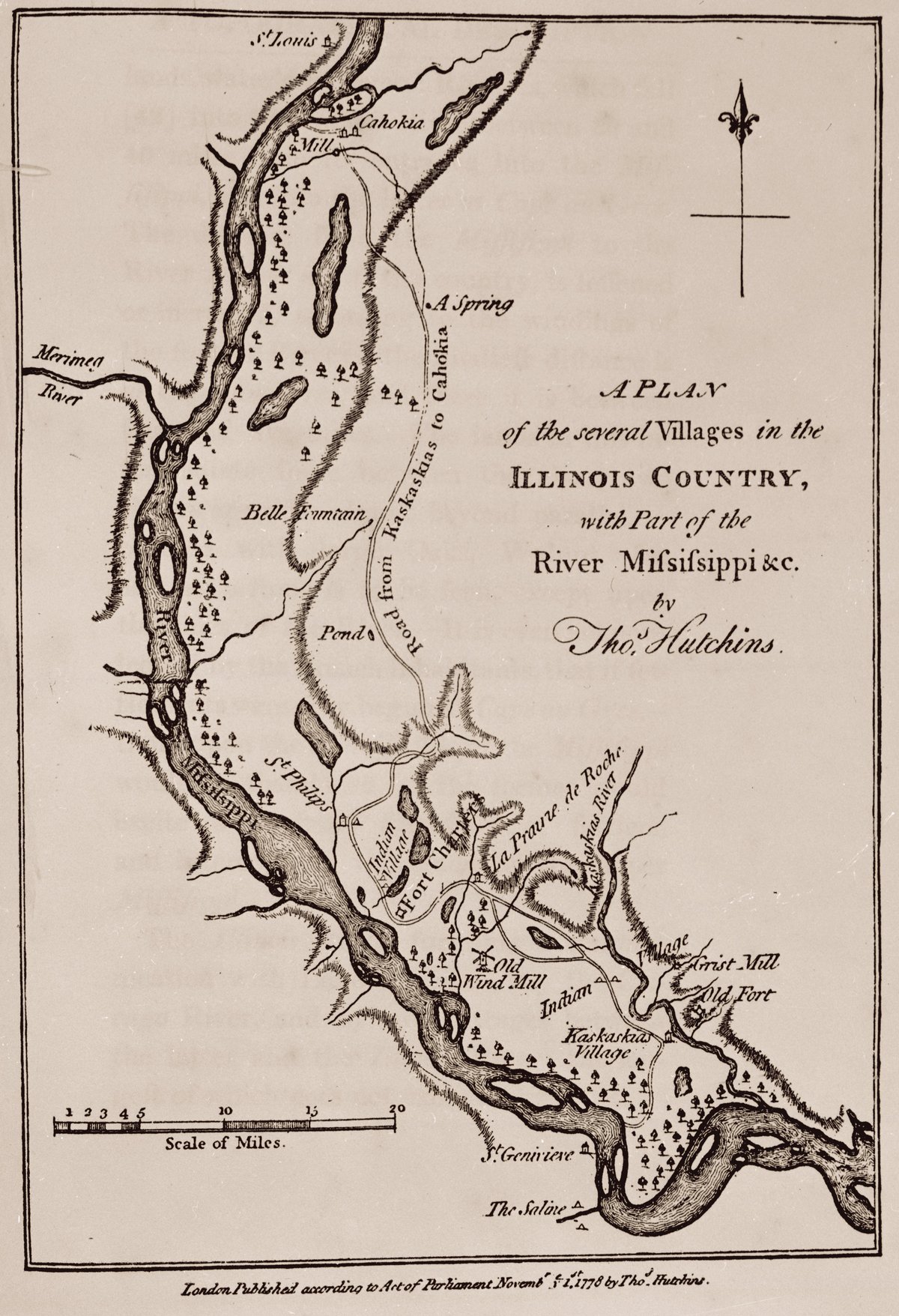
The Gateway Arch National Park occupies land that played a key role in the U.S. westward expansion. St. Louis, dubbed the “Gateway to the West,” was the departure point for pioneers and explorers after the 1803 Louisiana Purchase. The city launched the Lewis and Clark Expedition in 1804, a pivotal exploration of the newly acquired American frontier (National Parks US). In 1935, President Franklin D. Roosevelt established the area as the Jefferson National Expansion Memorial to honor Thomas Jefferson’s vision and the spirit of exploration (Wikipedia).
The Vision and Design Competition
To revitalize the St. Louis riverfront and commemorate its historic significance, local leaders organized a national design competition in 1947. Eero Saarinen’s winning proposal—a soaring catenary arch—captured the nation’s imagination and became an enduring symbol of progress (Parkcation). Structural engineer Hannskarl Bandel contributed to the design’s realization (National Parks US).
Construction and Completion
Construction of the Arch began in 1963 and concluded in 1965. Rising 630 feet above the Mississippi River, it is the tallest man-made monument in the U.S. and the tallest arch worldwide (Parks and Trips). Prefabricated stainless-steel sections were meticulously assembled to form its iconic curve, now a defining feature of the St. Louis skyline.
The Old Courthouse and Civil Rights History
Just two blocks from the Arch, the Old Courthouse is an essential historical site. Built between 1839 and 1862, it hosted the Dred Scott trials—an event that intensified the national debate on slavery and civil rights (Office to Outdoors).
Evolution and National Park Designation
The park’s landscape was enhanced with reflection ponds and walkways, and the CityArchRiver project in the 2010s improved access and integration with downtown St. Louis (Wikipedia). In 2018, the site was redesignated as Gateway Arch National Park. While this sparked debate due to its urban setting and small size (91 acres), the redesignation has increased annual visitation to about 2.5 million (National Parks US).
Visitor Information
Visiting Hours
- Park Grounds: Open daily, 5:00 AM – 11:00 PM, year-round.
- Visitor Center, Museum, Tram: 9:00 AM – 8:00 PM during summer; 9:00 AM – 6:00 PM in winter (Crazy Family Adventure).
- Closures: Thanksgiving and Christmas.
Tickets and Reservations
- Tram Ride: Tickets required; purchase in advance online or at the visitor center. Prices start at $13 for adults, with discounts for children and seniors (Charmaine Wanders, Gateway Arch).
- Museum: Free admission.
- Riverboat Cruises & Special Tours: Additional tickets required; book ahead for peak seasons.
Accessibility
- Park Grounds and Museum: Wheelchair accessible with ramps and elevators.
- Tram Ride: Limited accessibility due to small pods and stairs at the top. Contact staff for accommodations (Directionally Challenged Traveler).
- Service Animals: Permitted; pets allowed on grounds, not inside buildings (Upgraded Points).
Guided Tours and Experiences
- Ranger-Led Tours: Free and available regularly.
- Riverboat Cruises: Sightseeing, dinner, and specialty cruises.
- Virtual Reality Theater: Immersive presentations bring history to life.
Photography and Best Times to Visit
- Best Light: Early morning and late afternoon.
- Crowds: Weekdays and off-peak seasons (spring, fall, winter) offer smaller crowds.
Nearby St. Louis Historical Sites
- Old Courthouse: (Currently closed for renovations)
- Missouri History Museum, Forest Park, Citygarden, Laclede’s Landing: All within easy reach of the Gateway Arch.
Challenges and Controversies
Redesignation Debate
Gateway Arch’s redesignation as a national park in 2018 sparked discussion about what constitutes a national park. Critics argue its urban, monument-focused landscape is unlike the natural environments typical of most national parks (With Each Mile; Springer Link). Nevertheless, the new status has boosted recognition and tourism.
Urban Renewal and Displacement
The park’s creation led to the demolition of 40 city blocks between 1939 and 1942, displacing businesses and residents—a legacy that remains sensitive in local memory (NPS; CHS Globe).
Civil Rights and Labor Protests
During construction, civil rights activist Percy Green drew national attention by climbing the Arch to protest discriminatory hiring practices. The site’s history is entwined with social movements advocating for equity (CHS Globe).
Workforce and Management Issues
Recent workforce reductions and management challenges have affected staff morale and park operations (St. Louis Public Radio).
Visitor Expectations
Many visitors anticipate wilderness experiences typical of national parks but find an urban park centered around a monument (With Each Mile). The unique setting offers a focus on history and culture rather than outdoor adventure.
Attractions and Experiences
Tram Ride to the Top
- Duration: Four-minute ascent via small tram pods (each seats up to five).
- Views: 16 windows each facing east and west, offering panoramic city and river vistas (Britannica, Gateway Arch Official).
- Security: Airport-style screening; arrive early (Directionally Challenged Traveler).
Museum at the Gateway Arch
- Admission: Free.
- Galleries: Six themed exhibits covering indigenous history, westward expansion, St. Louis’s riverfront, and the Arch’s construction (Gateway Arch Official).
- Accessibility: Fully wheelchair accessible.
Old Courthouse
- Note: Closed for renovations as of June 2025.
- Significance: Site of Dred Scott trials and pivotal moments in civil rights history (Britannica).
Riverboat Cruises
- Options: Sightseeing, dinner, and themed cruises departing from the riverfront (Charmaine Wanders).
Park Grounds and Outdoor Activities
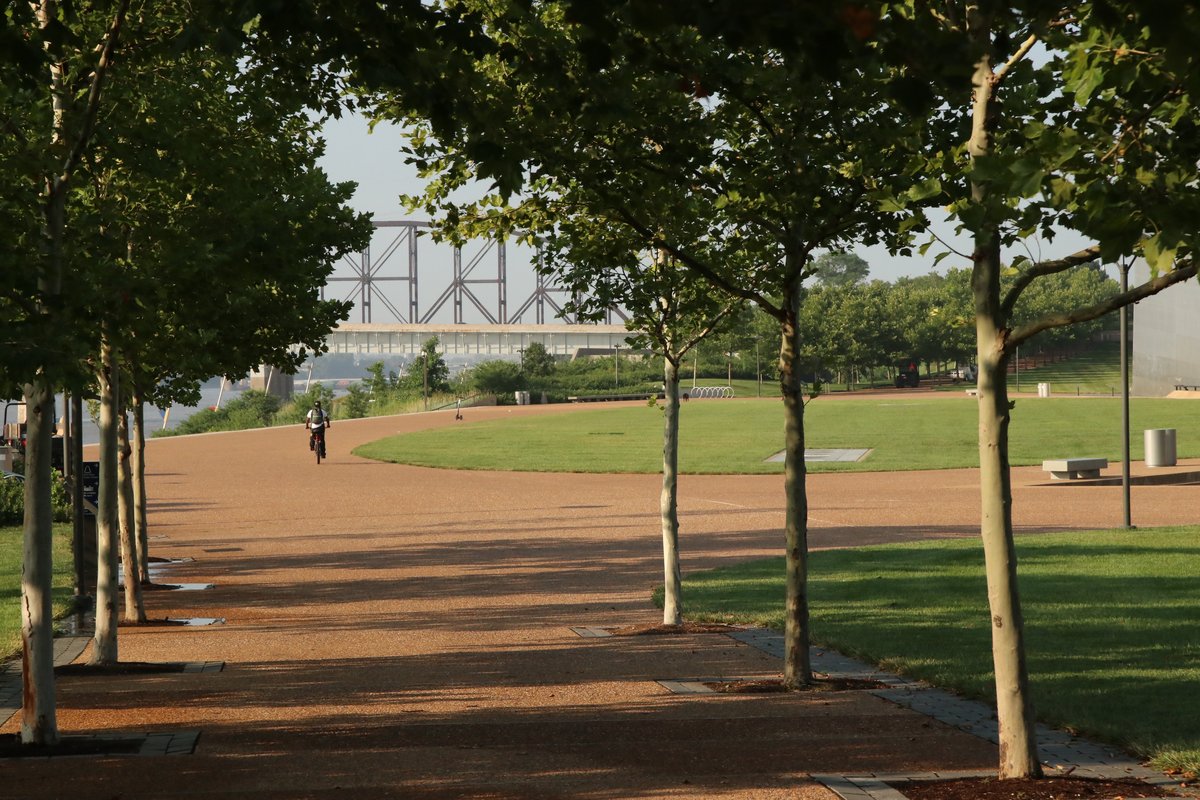
- Trails: Smooth, accessible paths for walking, jogging, and biking (National Park Field Guide).
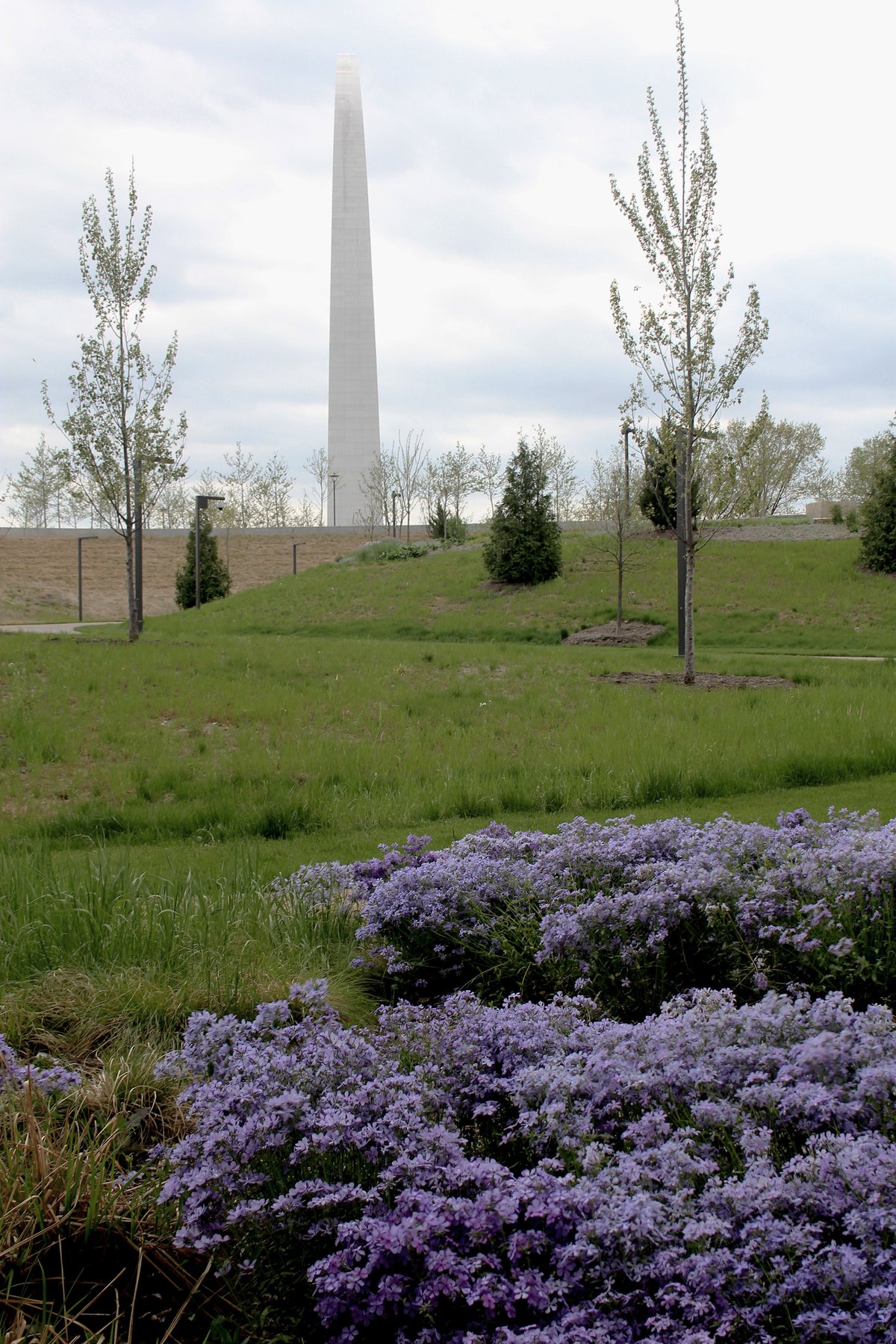
- Picnic Areas: Shaded lawns and benches.
- Photography: Excellent at sunrise and sunset.
Special Events and Programs
- Fee-Free Days: Six days in 2025, including MLK Jr. Day, Juneteenth, and Veterans Day (Gateway Arch Official).
- Ranger-Led Activities: Talks, walks, and educational programs.
- Virtual Reality Theater: Immersive historical experiences.
Practical Visitor Information
Transportation and Parking
- Location: Downtown St. Louis.
- Parking: Paid garages and lots nearby (National Park Field Guide).
- Public Transit: MetroLink stops within walking distance; riverboat shuttle available.
Visitor Tips
- Arrive Early: For a relaxed experience and shorter lines (Charmaine Wanders).
- Dress Accordingly: Weather in St. Louis is unpredictable; dress in layers.
- Wear Comfortable Shoes: Expect substantial walking on paved paths (Directionally Challenged Traveler).
- Security: Travel light for faster screening.
- Stay Hydrated: Especially important in summer.
Additional Amenities
- Arch Store: Souvenirs and gifts.
- Arch Café: Snacks, drinks, and light meals.
- Wi-Fi: Complimentary in the visitor center.
Visitor Itineraries
Half-Day Itinerary
- Morning: Arrive early, pass security, explore the free museum.
- Late Morning: Take the tram ride to the top.
- Afternoon: Walk the park grounds and take photos.
Full-Day Itinerary
- Old Courthouse: (When reopened) Discover the history of civil rights.
- Riverboat Cruise: Enjoy unique city and river views.
- Virtual Reality Theater: Dive deeper into westward expansion.
- Downtown St. Louis: Explore shops and restaurants.
Extended Stay
- Helicopter Tour: For aerial views of the Arch and city.
- Annual Events: Time your visit for festivals or marathons.
- Explore City Attractions: Museums, neighborhoods, and more.
Frequently Asked Questions (FAQ)
Q: What are the Gateway Arch visiting hours?
A: Park grounds: 5:00 AM–11:00 PM daily. Visitor center and tram: 9:00 AM–8:00 PM in summer, 9:00 AM–6:00 PM in winter.
Q: How do I buy Gateway Arch tickets?
A: Purchase tram tickets online in advance via the official website or at the visitor center. Advance booking is strongly recommended (Gateway Arch).
Q: Is the park accessible for people with disabilities?
A: Yes; park grounds and museum are wheelchair accessible. The tram has limited accessibility—contact staff for assistance.
Q: Are there guided tours available?
A: Yes; ranger-led tours, riverboat cruises, and VR experiences are offered—check the schedule online.
Q: When should I visit to avoid crowds?
A: Weekdays, early mornings, and off-peak seasons (winter, early spring, and fall) are best for smaller crowds.
Listen to the full story in the app
The whole Gateway Arch National Park,
told well.
Listen to sourced travel stories with local history and practical context — ready offline.
Verified, and shown.
Researched and written by the Audiala editorial team from historical records, architectural archives, and local expertise.
Louis Attractions, 2025, Audiala
Louis’s Iconic Monument, 2025, Audiala
Louis Historical Sites: Complete Visitor Guide, 2025, Charmaine Wanders
Built from cited sources · see the method · How we make our guides →