Plan and listen to Forest Park with Audiala.
Audio guide in your pocket, itinerary in your browser. Built for the way you actually visit.
Introduction to Forest Park in St. Louis
Spanning over 1,300 acres, Forest Park is one of America’s largest and most historically significant urban parks. Established in 1876, it has evolved from a scenic refuge on St. Louis’s frontier into a thriving center for culture, recreation, and community events. Forest Park’s legacy includes hosting the 1904 Louisiana Purchase Exposition (St. Louis World’s Fair) and the first Olympic Games held in the United States. Today, it features restored natural landscapes, five major cultural institutions, and a year-round calendar of festivals and events.
With free admission to many attractions—including the Saint Louis Zoo and Missouri History Museum—easy access via public transit, ample parking, and ADA-compliant facilities, Forest Park is designed for everyone. Whether you’re interested in nature walks, historic architecture, or live performances at The Muny, this guide will help you plan your visit with practical information and the latest updates from trusted sources (Forest Park Forever, St. Louis Magazine, Planning.org).
- Historical Overview
- Practical Visitor Information
- Annual Events and Festivals
- Saint Louis Zoo: Visiting Guide
- Frequently Asked Questions (FAQ)
- Summary and Final Recommendations
- References




Origins and Founding (1870s–1880s)
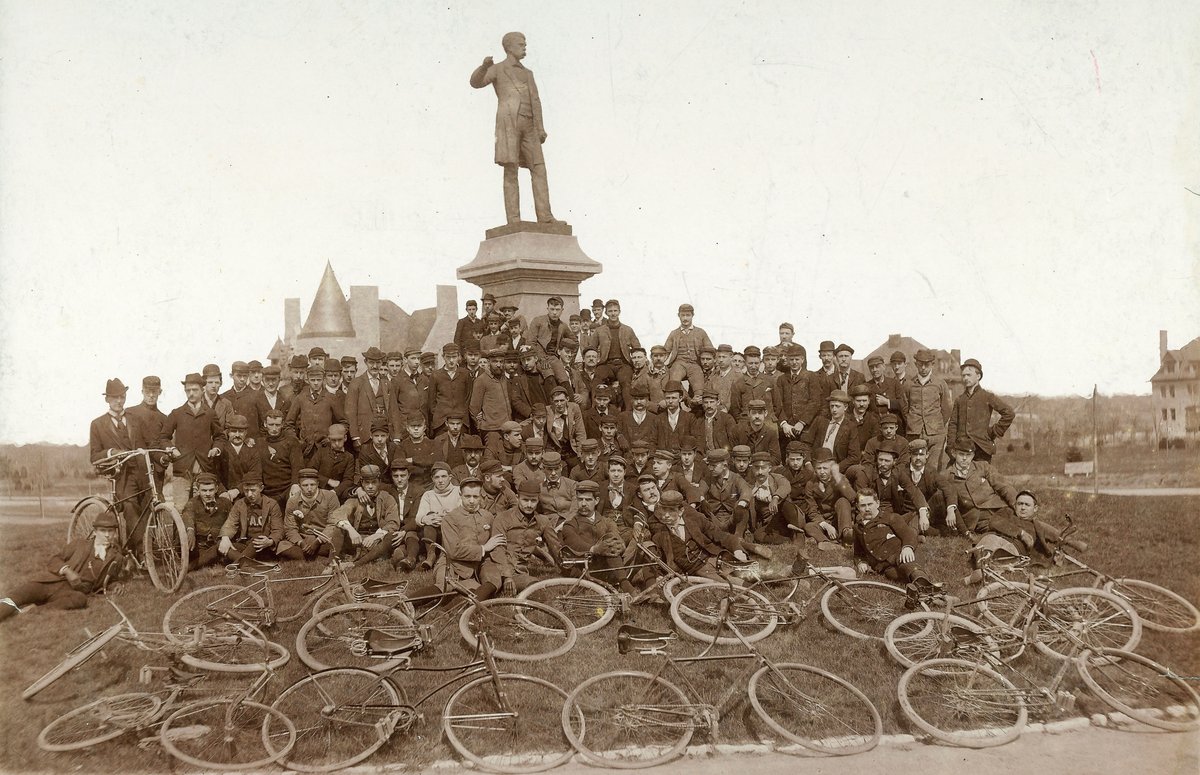
Forest Park was envisioned in the 1870s as a verdant retreat for the rapidly growing city. Inspired by New York’s Central Park, the Missouri legislature authorized its creation in 1874, with the park officially opening in 1876. At 1,371 acres, it immediately surpassed Central Park in size, and its design by Maximilian G. Kern and Julius Pitzman featured meandering drives, lakes, and natural woodlands (UMSL Missouri Splendor, TCLF).
Early Development and Public Access
Initially located on the city’s edge, Forest Park was accessible by carriage or the Wabash Railroad, later joined by a horse car line in 1885, which increased visitor numbers. Early proposals for a zoo and animal collections foreshadowed its future as a home to world-class cultural institutions (U.S. History).
The Louisiana Purchase Exposition and 1904 Summer Olympics
The park’s global profile soared in 1904, hosting the Louisiana Purchase Exposition and the Summer Olympics. The Palace of Fine Arts—now the Saint Louis Art Museum—was built as a permanent structure. The fair attracted over 20 million visitors, catalyzed the creation of the Saint Louis Zoo and Missouri History Museum, and left an enduring imprint on the city (TCLF, St. Louis Magazine, Planning.org).
20th Century Challenges and Renewal
The interwar years saw WPA-funded improvements such as The Muny (Municipal Opera), the Jewel Box conservatory, lakes, and bridges (UMSL Missouri Splendor). By the mid-20th century, neglect and underfunding led to infrastructure decline, but Forest Park remained a central gathering space.
Restoration and Forest Park Forever
Revitalization began in 1986 with the founding of Forest Park Forever, a nonprofit conservancy. A $100 million restoration plan in the 1990s, executed in partnership with the City of St. Louis, resulted in extensive renovations: the Jewel Box was restored, the Grand Basin renewed, and historic bridges and waterways reconnected (Forest Park Forever, Planning.org).
21st Century Developments
Today, Forest Park draws over 15 million visits annually, more than Yosemite or the Grand Canyon. Its five major institutions—the Saint Louis Art Museum, Saint Louis Zoo, Missouri History Museum, The Muny, and the Saint Louis Science Center—anchor a vibrant cultural and recreational landscape (Forest Park Forever, Wikipedia). Ongoing ecological restoration has reestablished wetlands, prairies, and forest habitats (TCLF).
Recent and Ongoing Projects
The Steinberg Skating Rink is currently undergoing a $100 million transformation into “The Glade,” a year-round recreation destination with improved accessibility and modern amenities, scheduled to reopen in late 2026 (First Alert 4).
Practical Visitor Information
Forest Park Visiting Hours
- General park hours: 5:00 AM to 11:00 PM daily.
- Some attractions have separate hours (e.g., Saint Louis Zoo: 9:00 AM–5:00 PM, Saint Louis Art Museum: closed Mondays).
Tickets and Admission
- Park grounds: Free admission.
- Saint Louis Zoo, Saint Louis Art Museum, Missouri History Museum, Science Center: Free general admission; special exhibits/events may require tickets.
- The Muny: Free and paid seats available for musicals; reserve tickets in advance during the summer season (Creative Travel Guide).
Accessibility
Forest Park is ADA-compliant, with accessible paths, restrooms, and parking throughout. Ongoing renovations further enhance accessibility.
Getting There and Getting Around
- Public Transit: Served by MetroLink and MetroBus. Several stops are within walking distance of main park entrances.
- Parking: Multiple lots and street parking available; fills quickly during peak times and events.
- Cycling and Walking: Over 30 miles of paths make biking and walking easy and enjoyable.
Travel Tips
- Wear comfortable shoes and check the weather.
- Use park maps or the Audiala app for wayfinding.
- Bring water and snacks, though food vendors and park cafes are available seasonally.
Nearby Neighborhoods and Attractions
Forest Park is bordered by historic neighborhoods like Skinker DeBaliviere and DeBaliviere Place, with additional attractions such as the Gateway Arch, Old Courthouse, and Missouri Botanical Garden nearby (Living St. Louis).
Annual Events and Festivals
Forest Park’s calendar includes a diverse array of signature events:
The Great Forest Park Balloon Race & Balloon Glow
Held annually in September, this free, family-friendly event features an illuminated hot air balloon display (Balloon Glow) followed by a mass launch. It is one of the largest balloon races in the United States (Great Forest Park Balloon Race, Town & Tourist).
St. Louis Shakespeare Festival
Professional, outdoor productions of Shakespeare’s plays are staged each summer at Shakespeare Glen. Admission is free; bring blankets or chairs (St. Louis Magazine).
The Muny’s Summer Musical Season
America’s oldest and largest outdoor musical theater offers a summer lineup of Broadway-style productions. Approximately 1,500 free seats are available nightly on a first-come, first-served basis (Explore St. Louis).
Art, Science, and Community Events
- Saint Louis Art Museum: Family Sundays, special exhibitions, and Thursday night events (Saint Louis Art Museum).
- Missouri History Museum: Rotating exhibits, lectures, and workshops (Missouri History Museum).
- Saint Louis Science Center: “Solar Sundays,” laser shows, and interactive family programs (Saint Louis Science Center).
- Seasonal celebrations: Winter sledding at Art Hill, skating at Steinberg Rink, summer concerts, and outdoor movies.
- Cultural festivals: Multicultural fairs, Juneteenth, PrideFest, and food markets highlight St. Louis’s diversity (The Tourist Checklist).
A full event calendar is available at the Forest Park Forever events page.
Saint Louis Zoo: Visiting Guide
Hours and Admission
- Open daily: 9:00 AM–5:00 PM (seasonal variations possible)
- General admission: Free; some attractions or experiences require tickets (Saint Louis Zoo)
Featured Exhibits
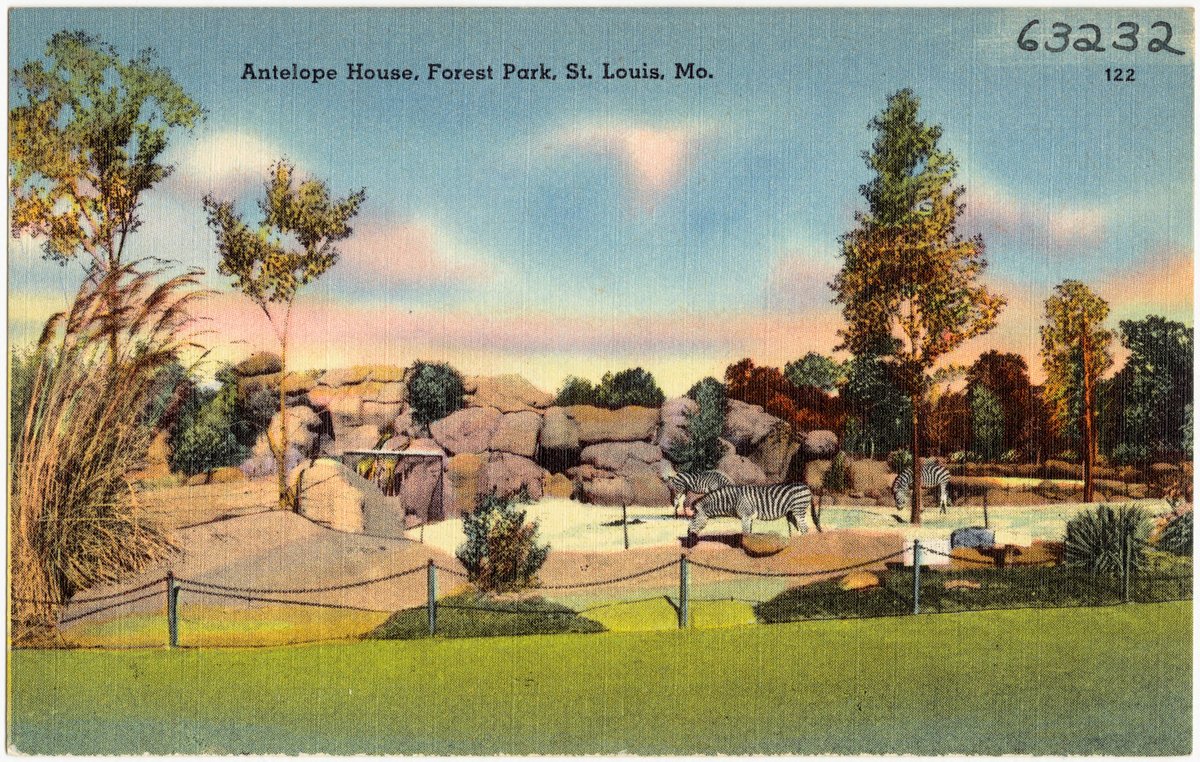
- Polar Bear Point: Spacious, naturalistic home for polar bears.
- Sea Lion Sound: Interactive feedings and demonstrations.
- Emerson Children’s Zoo: Hands-on activities for young children.
- River’s Edge and The Wild: Immersive habitats with native and exotic species.
Accessibility and Amenities
The zoo is fully accessible, with paved paths, wheelchair and stroller rentals, and accessible restrooms. Complimentary wheelchairs are available at main entrances.
Current Conditions (2025)
Following the May 2025 EF-3 tornado, some zoo areas may be temporarily closed for repairs. Check the Saint Louis Zoo website for current updates (Spectrum Local News).
Visiting Tips
- Arrive early for parking and fewer crowds.
- Bring sun protection and water in summer.
- Check the event calendar for special programs.
Frequently Asked Questions (FAQ)
Q: What are Forest Park’s visiting hours?
A: 5:00 AM–11:00 PM daily. Individual attractions may have different hours.
Q: Is admission free?
A: Most park areas and main attractions offer free admission. Some events, special exhibitions, or performances may require tickets.
Q: Is Forest Park accessible for people with disabilities?
A: Yes, the park and its institutions are ADA-compliant and continually improving accessibility.
Q: How do I get to Forest Park?
A: Public transit (MetroBus and MetroLink), parking, walking, and cycling are all viable options.
Q: Are pets or bikes allowed?
A: Bicycles are welcome on designated paths. Pets must be leashed and cleaned up after.
Q: Where can I park?
A: Multiple lots and street parking are available, but arrive early for large events.
Q: Are guided tours available?
A: Yes, through Forest Park Forever and other organizations. Check schedules online.
Summary and Final Recommendations
Forest Park is a vibrant blend of history, culture, and nature at the heart of St. Louis. Its major attractions—many with free admission—combined with restored landscapes, year-round festivals, and extensive accessibility features, make it a must-visit for locals and travelers alike. Use official resources such as Forest Park Forever and the Forest Park Forever events calendar, and consider downloading the Audiala app for maps, event updates, and planning tools. Whether you’re attending a summer concert, exploring a world-class museum, or simply strolling the trails, Forest Park offers something for everyone.
Listen to the full story in the app
The whole Forest Park,
told well.
Listen to sourced travel stories with local history and practical context — ready offline.
Verified, and shown.
Researched and written by the Audiala editorial team from historical records, architectural archives, and local expertise.
Louis Magazine: Forest Park Guide, 2025, St. Louis Magazine
Built from cited sources · see the method · How we make our guides →