



Concordia Seminary: A Historic Landmark in St. Louis
Concordia Seminary’s campus, nestled in Clayton, is a destination for those seeking to explore faith, history, and culture. The seminary’s Collegiate Gothic buildings, green spaces, and distinctive landmarks invite visitors to step into a legacy of theological scholarship and community engagement.
Historical and Theological Significance
Foundation and Role in Lutheran Education
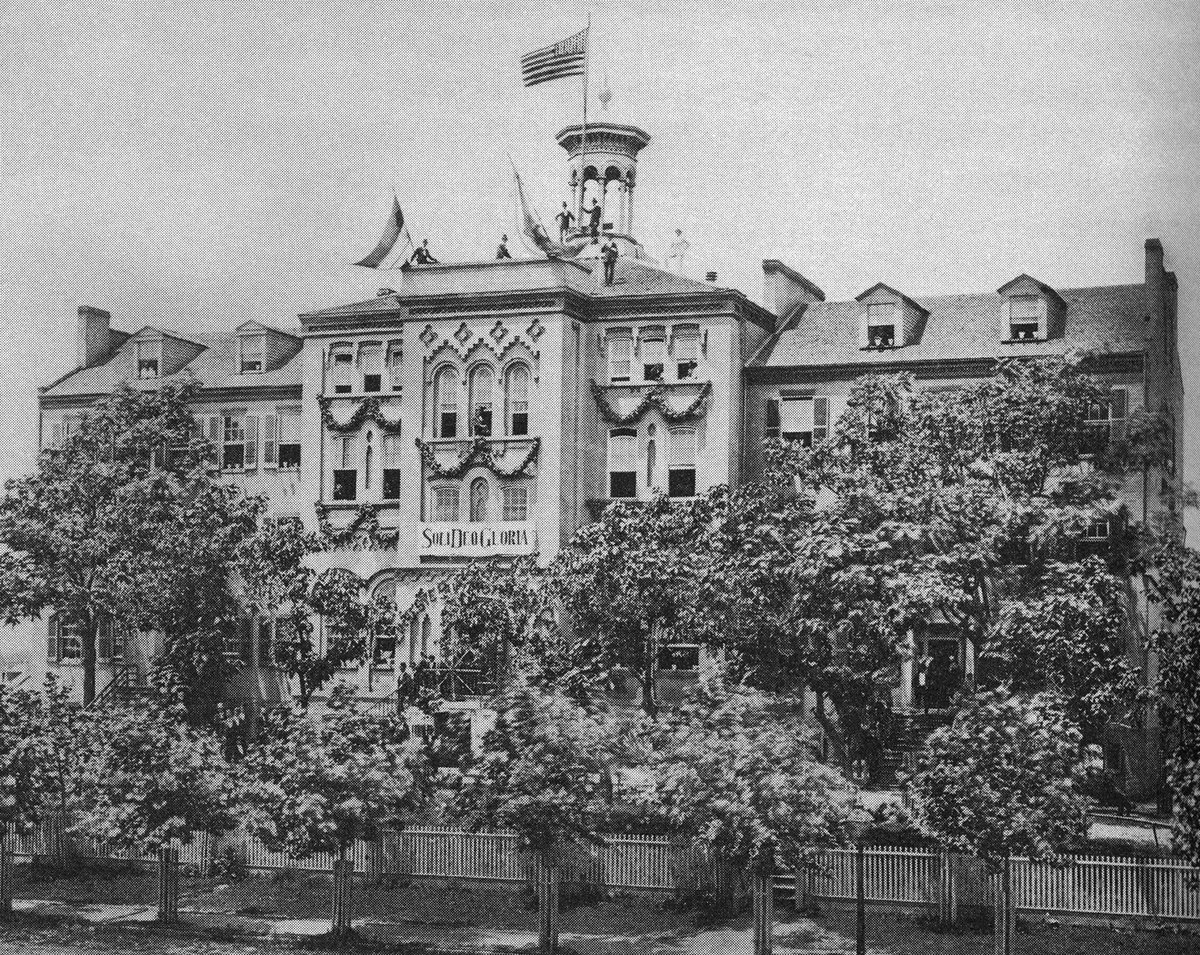
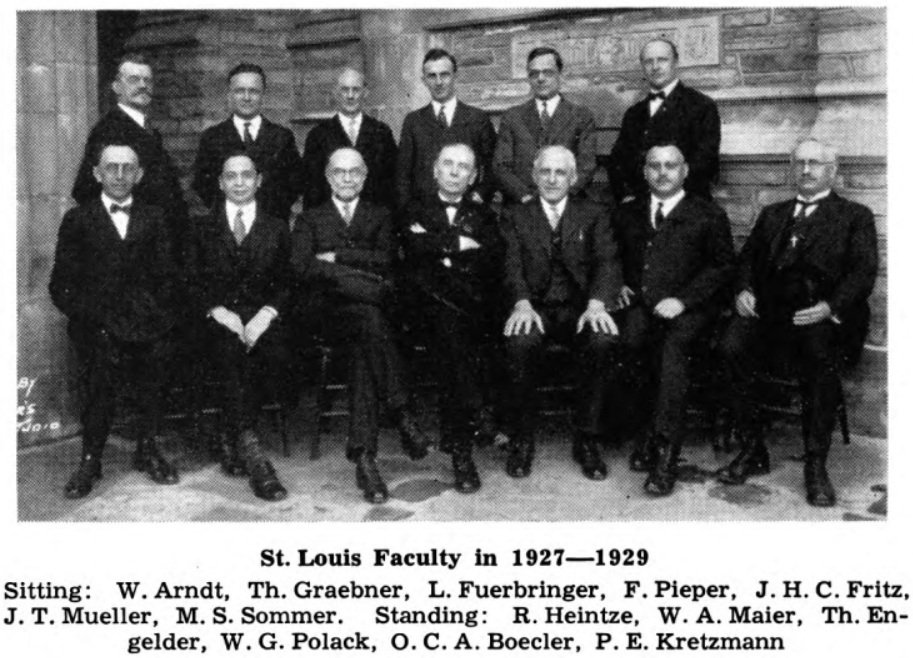
As one of the LCMS’s most influential institutions, Concordia Seminary was founded in 1839 and has maintained a steadfast mission: to prepare pastors, deaconesses, and church leaders for ministry worldwide. Its comprehensive programs—including the Master of Divinity (M.Div.), Residential Alternate Route (RAR), and Deaconess Studies—combine academic rigor with hands-on ministry training, equipping graduates for service across various contexts (Visiting Concordia Seminary in St. Louis: History, Tours, and Visitor Information).
The Seminex Crisis and Its Lasting Impact
A defining chapter in Concordia Seminary’s history is the 1974 Seminex (“Seminary in Exile”) crisis. Theological debates over scriptural interpretation led to a dramatic walkout by faculty and students, who then formed a new institution in protest. This event deeply affected the LCMS and reshaped the landscape of American Lutheranism, underscoring the seminary’s central place in theological discourse.
Influence on Global Lutheranism
Concordia Seminary’s impact reaches far beyond the U.S. Its graduates serve in mission fields and academic institutions worldwide, and its faculty are recognized for their scholarship and leadership in international theological forums. Through publications, digital resources, and global partnerships, the seminary remains a vital voice in shaping Lutheran theology (Exploring Concordia Seminary: Visiting Hours, Campus Highlights, and St. Louis Historical Sites).
Educational and Community Impact
Hands-On Ministry and Field Education
A cornerstone of Concordia Seminary’s approach is practical ministry training. Through the Resident Field Education (RFE) Program, students engage in supervised ministry in area congregations and nonprofits, applying classroom learning in diverse real-world contexts. The program emphasizes cross-cultural experiences and prepares graduates to serve in a multicultural world (Visiting Concordia Seminary in St. Louis: History, Tours, and Visitor Information).
Conferences and Continuing Education
The seminary hosts forums, conferences, and continuing education events that attract attendees from across the LCMS and beyond. Events like the “Dying Well in Christ” forum bring together leaders to address pressing theological and practical issues, while partnerships with organizations such as Lutherans for Life and Concordia Publishing House extend the seminary’s reach.
Support for Church Workers
Recognizing the demands of ministry, Concordia Seminary collaborates with groups like DOXOLOGY to provide retreats and seminars for pastors and church workers, focusing on spiritual rest, emotional health, and professional development.
Cultural and Architectural Heritage
Campus and Location
Concordia Seminary’s 72-acre campus in Clayton is distinguished by its Collegiate Gothic architecture, landscaped grounds, and tranquil setting. The location offers easy access to St. Louis’s vibrant neighborhoods and cultural sites (Visiting Concordia Seminary in St. Louis: History, Tours, and Visitor Information).
Community Engagement
Students and faculty are actively involved in local ministries, social service projects, and interfaith dialogue, strengthening ties with the surrounding community and preparing leaders for service in diverse environments.
Visitor Information
Visiting Hours and Admission
- Monday–Friday 8:00 AM – 5:00 PM
- Saturday and Sunday Campus grounds open for self-guided tours from 7:00 AM – 9:00 PM (building access is limited)
- Holidays Closed
Admission to the campus and outdoor landmarks is free. Guided tours are available by appointment and provide a deeper look into the seminary’s history and architecture (Concordia Seminary website).
Guided Tours and Virtual Experiences
Guided tours can be scheduled through Visitor Services. Tours highlight the main chapel, library, Luther Tower, and other historic sites. For remote visitors, virtual tours and multimedia resources are available online.
Directions, Parking, and Accessibility
- Address 801 Seminary Place, Clayton, MO 63105
- Directions Easily accessible from Interstate 64/40 (Exit 34A) or via St. Louis’s MetroLink and bus service
- Parking Free parking is available on campus
- Accessibility The campus is fully accessible, with paved walkways, ramps, elevators, and accessible restrooms. Contact Visitor Services for special accommodations.
Visitor Amenities
Restrooms and a café are located near the main administrative building. Green spaces and shaded benches offer areas for relaxation.
Campus Highlights
Main Quadrangle and Architecture
The Main Quadrangle is surrounded by historic buildings such as Schaller Hall, Guenther Hall, Stoeckhardt Hall, and Pritzlaff Hall—all completed in 1926 and featuring elaborate Collegiate Gothic design.
Luther Tower and Carillon
Luther Tower, designed by Charles Klauder and completed in 1966, stands 156 feet tall and houses a 49-bell carillon. The annual Summer Carillon Concert Series is free to the public and broadcast on KFUO Radio.
Chapel of St. Timothy and St. Titus
The seminary’s spiritual center, the chapel offers daily worship at 9:35 AM with Holy Communion on Wednesdays. Visitors are welcome to attend services.
Historic Landmarks and Statues
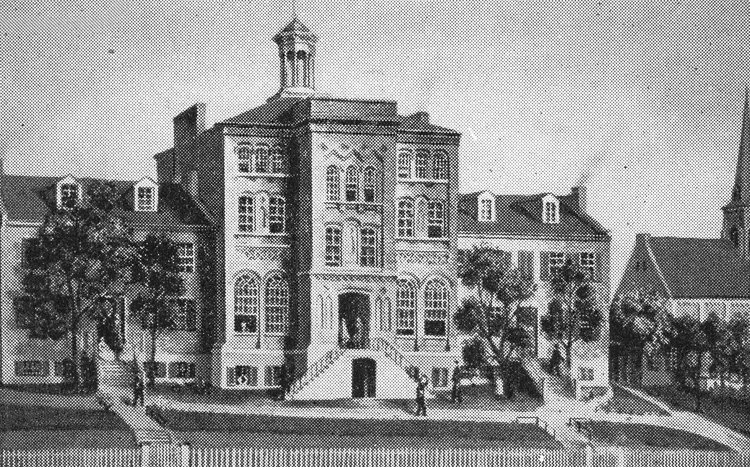
- Log Cabin Replica Honors the 1839 “Log Cabin College,” the seminary’s original site.
- President’s Plaza Features the historic bell from the Jefferson Avenue campus.
- Walther Archway A tribute to Dr. C.F.W. Walther, founder of both the seminary and the LCMS.
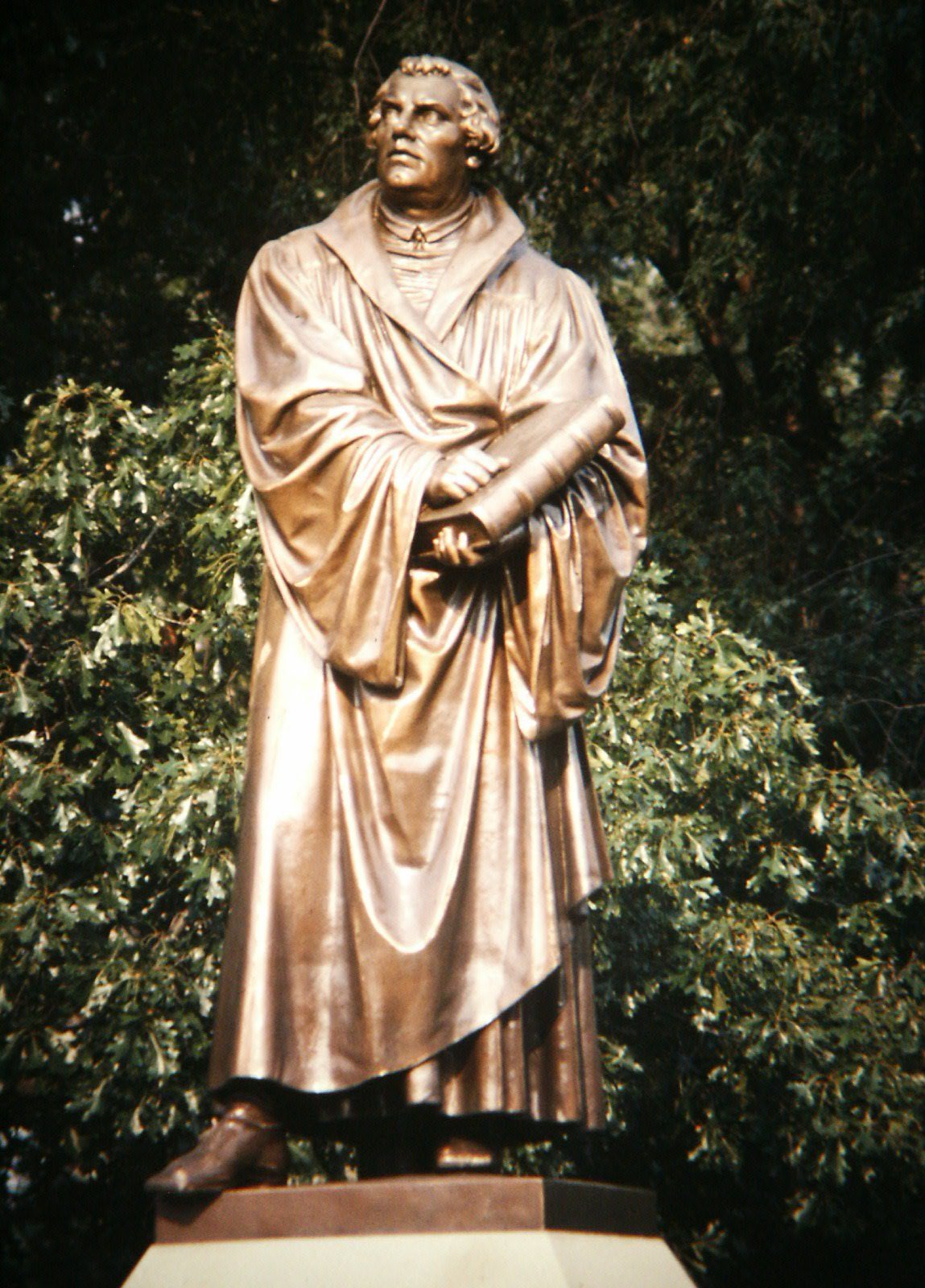
- Luther Statue A replica of the Worms, Germany monument commemorating Martin Luther.
Music and Cultural Events
Cultural events include the Laudamus choir performances, guest lectures, and public concerts—many of which are free and open to all.
Planning Your Visit: Tips
- Accessibility Paved paths and ramps make navigation easy for all visitors.
- Photography The campus is photogenic year-round, especially during Commencement and summer concerts.
- Nearby Attractions Forest Park, Missouri History Museum, Missouri Botanical Garden, and the Gateway Arch are within easy reach.
- Visitor Resources Download the Audiala app for audio tours and guides.
Frequently Asked Questions (FAQs)
Q: Is there an admission fee or ticket required?
A: No, the campus is open to the public and self-guided tours are free. Guided tours can be arranged by appointment.
Q: Are tours of the interior available?
A: Yes, guided interior tours are available by appointment.
Q: Can I attend chapel services?
A: Yes, daily worship is open to all visitors.
Q: Is the campus accessible?
A: The campus is fully accessible for people with disabilities.
Q: Where do I park?
A: Free parking is available on campus.
Q: What are nearby attractions?
A: Missouri History Museum, Forest Park, and the Gateway Arch.