Welcome to the Cathedral Basilica of Saint Louis: A Visitor’s Guide
The Cathedral Basilica of Saint Louis is a crown jewel among historical sites in St. Louis, celebrated for its awe-inspiring mosaics and architectural grandeur. It offers visitors a unique blend of spiritual heritage, artistic achievement, and community importance. This guide will help you navigate your visit with practical details on hours, tickets, tours, travel tips, and more.
Origins and Early Planning
The drive to build the Cathedral Basilica arose from the city’s rapid growth and the increasing prominence of the Archdiocese of St. Louis. In the late 19th century, Archbishop Peter Richard Kenrick initiated planning, later advanced by Archbishop John Joseph Kain, who established a building fund. Despite financial setbacks, Kain’s bequest of his estate secured the basilica’s future (source, more info).
Architectural Significance
Designed by Barnett, Haynes & Barnett, the basilica masterfully combines Romanesque and Byzantine elements. It measures 365 feet by 204 feet and can seat up to 5,000 worshippers (details). The green-tiled domes and intricate exterior stonework are signature features, while the interior houses the world’s largest mosaic collection (learn more).
Construction Timeline and Milestones
Groundbreaking took place in 1907, with the cornerstone laid in 1908. The first mass was celebrated in 1914, and the cathedral was consecrated in 1926. Mosaic installation continued over several decades, culminating in 1988 (source).
Notable Events and Papal Recognition
In 1997, Pope John Paul II designated the cathedral as a basilica, and his 1999 visit remains a significant event in its history (details). The basilica regularly hosts major liturgical celebrations, civic events, and interfaith gatherings.
Visitor Information
Visiting Hours
- Monday through Saturday: 7:00 AM – 5:00 PM
- Sunday: 7:00 AM – 6:00 PM
Hours may vary on holidays or during special events. Always confirm on the official website.
Admission and Tickets
- Admission Free of charge for both the cathedral and the Mosaic Museum. Donations are appreciated.
- Museum Hours 10:00 AM – 4:00 PM daily (marilynyung.com).
Guided Tours
- Public Tours Sundays at 1:00 PM; Monday–Friday, 10:00 AM–3:00 PM.
- Reservations Recommended via the cathedral’s website or by phone at (314) 373-8200 (cathedralstl.org).
- Duration 30–90 minutes, covering history, architecture, and mosaics (missourilegends.com).
Accessibility
- Wheelchair accessible with ramps, elevators, and accessible restrooms.
- Assistance available upon request.
Getting There and Parking
- Address 4431 Lindell Blvd, St. Louis, MO 63108
- Parking Free lot and nearby street parking; arrive early during peak times.
- Public Transit MetroBus and MetroLink routes serve the area.
Photography
- Permitted for personal use (no flash or tripods during services).
- The mosaics and domes are particularly photogenic.
Nearby Attractions
Adjacent to the cathedral are premier St. Louis sites:
- Forest Park
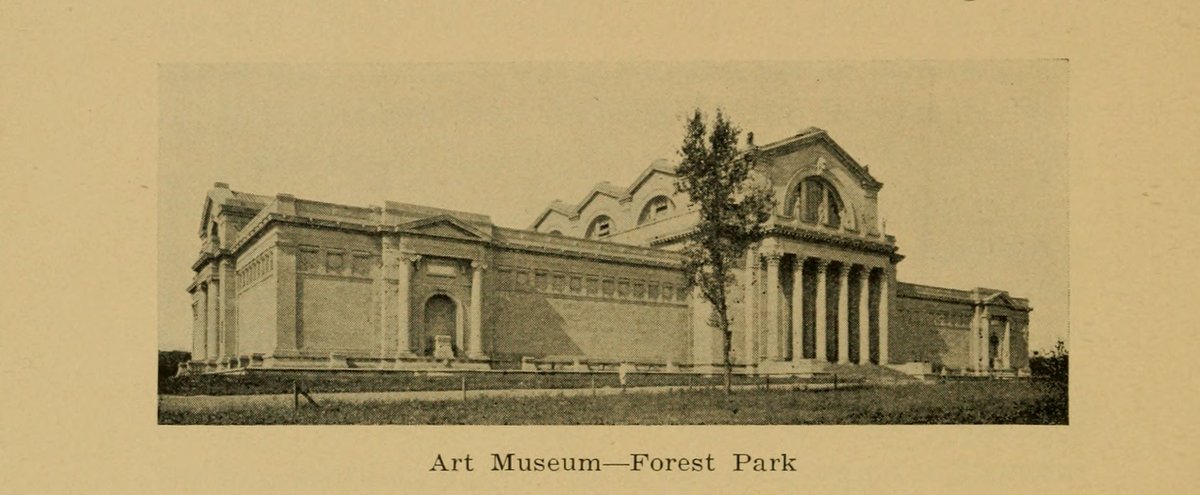
- St. Louis Art Museum
- Missouri History Museum
Plan Your Visit
Plan ahead by checking the cathedral’s calendar for special events or concerts. Early mornings or late afternoons are ideal for a serene visit and optimal photography. For the latest updates, consult the official cathedral website.
Architectural Highlights
Exterior and Interior Features
The basilica’s Romanesque exterior is characterized by rounded arches, solid stonework, and twin spires, while the central dome, clad in distinctive green tiles, rises 217 feet. The entrance is marked by 14-foot carved doors and intricate stone mosaics.
Inside, a vast nave with marble columns and soaring vaults follows a cruciform plan, comfortably accommodating up to 5,000 visitors. The sanctuary, choir loft, and organ loft are architectural and acoustic highlights.
The Magnificent Mosaics
The cathedral’s mosaics—crafted by artists from the Ravenna Mosaic Company and Tiffany Studios—span 83,000 square feet and depict biblical scenes, the history of the Catholic Church in North America, and the life of Saint Louis. The central dome, narthex, and side chapels showcase this artistry (spiritualtravels.info).
Stained Glass and Decorative Elements
Imported stained glass windows from Germany and Austria bathe the interior in vibrant light, while hand-carved confessionals, chapels, and the Sacred Heart of Jesus shrine add to the decorative richness.
Dome and Engineering Marvels
The 217-foot dome, structurally supported by pendentives and piers, features mosaics of the Holy Trinity and the Evangelists. Its reinforced concrete and steel construction ensures longevity and exceptional acoustics.
Altars, Chapels, and Furnishings
Italian marble altars, the All Saints Chapel, and finely carved liturgical furnishings underscore the basilica’s spiritual and artistic significance.
Organ and Musical Features
The grand pipe organ, encased in elaborate woodwork, is central to the basilica’s renowned concert series, taking full advantage of the building’s acoustics.
Accessibility and Visitor Experience
The cathedral is fully accessible to all visitors, with accommodations to ensure comfort and inclusion. Both guided and self-guided tours are available, and guests are encouraged to spend 1–2 hours exploring the mosaics, chapels, and museum.
Preservation and Restoration
Ongoing restoration efforts, including the completion of mosaics in 1988 and its designation as a basilica in 1997, highlight the commitment to preserving this landmark for future generations.
Travel Tips and Visitor Etiquette
- Best Times Weekday mornings for a quieter visit.
- Dress Code Modest attire is recommended.
- Photography Allowed except during services (no flash/tripods).
- Cell Phones Silence devices and keep conversations low.
Frequently Asked Questions (FAQ)
Q: What are the Cathedral Basilica of Saint Louis visiting hours?
A: Daily, 7:00 AM to 5:00 PM; Mosaic Museum, 10:00 AM to 4:00 PM.
Q: Is there an admission fee or ticket required?
A: Admission is free for both the cathedral and the museum; donations are welcome.
Q: Are guided tours available?
A: Yes, public and private tours are offered; reservations are recommended.
Q: Is the site wheelchair accessible?
A: Yes, with ramps, elevators, and accessible restrooms.
Q: Can I attend Mass during my visit?
A: Visitors are welcome at Mass; check the schedule online.