Plan and listen to Cahokia with Audiala.
Audio guide in your pocket, itinerary in your browser. Built for the way you actually visit.
Introduction to Cahokia Mounds
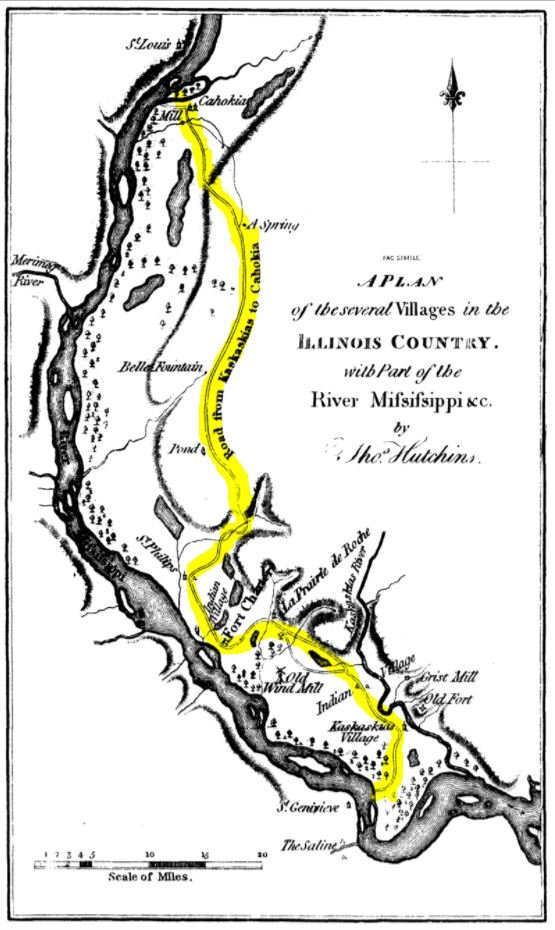
Cahokia Mounds State Historic Site, located near Collinsville, Illinois, is a remarkable testament to North America's ancient civilizations. Recognized as a UNESCO World Heritage Site, Cahokia Mounds preserves the remnants of a pre-Columbian city that once flourished over a millennium ago. This site offers a unique glimpse into the lives and achievements of the Mississippian people, who established this metropolis around 600 AD and transformed it into the largest pre-Columbian city north of Mexico by 800 AD. Visitors to Cahokia Mounds can explore over 120 earthen mounds spread across 2,200 acres, each reflecting the social, political, and religious intricacies of Mississippian society. Notable features include Monks Mound, the largest prehistoric earthen construction in the Americas, and Mound 72, which provides insights into the spiritual beliefs and burial practices of the Mississippian people. This guide aims to provide comprehensive information on the history, cultural significance, and visitor amenities at Cahokia Mounds, ensuring an enriching experience for all who visit (Cahokia Mounds State Historic Site).


The Rise of a Metropolis
The story of Cahokia begins around 600 AD, with the emergence of the Mississippian culture in the fertile bottomlands of the Mississippi River Valley. These people, skilled farmers and hunters, established a settlement that would eventually grow into the largest pre-Columbian city north of Mexico.
By 800 AD, Cahokia began its transformation into a significant center of power and influence. The population swelled, reaching an estimated 10,000 to 20,000 inhabitants at its peak between 1050 and 1200 AD. This period marked Cahokia's golden age, witnessing the construction of monumental earthen mounds, vast plazas, and intricate wooden structures.
A City of Mounds
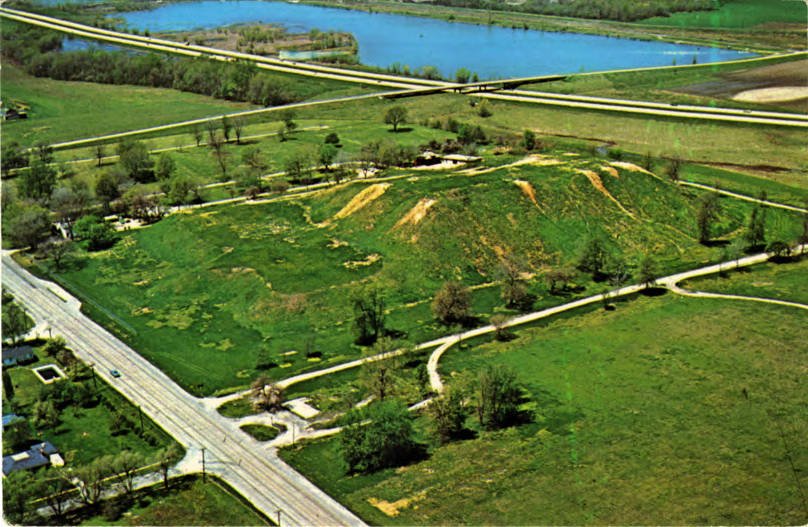
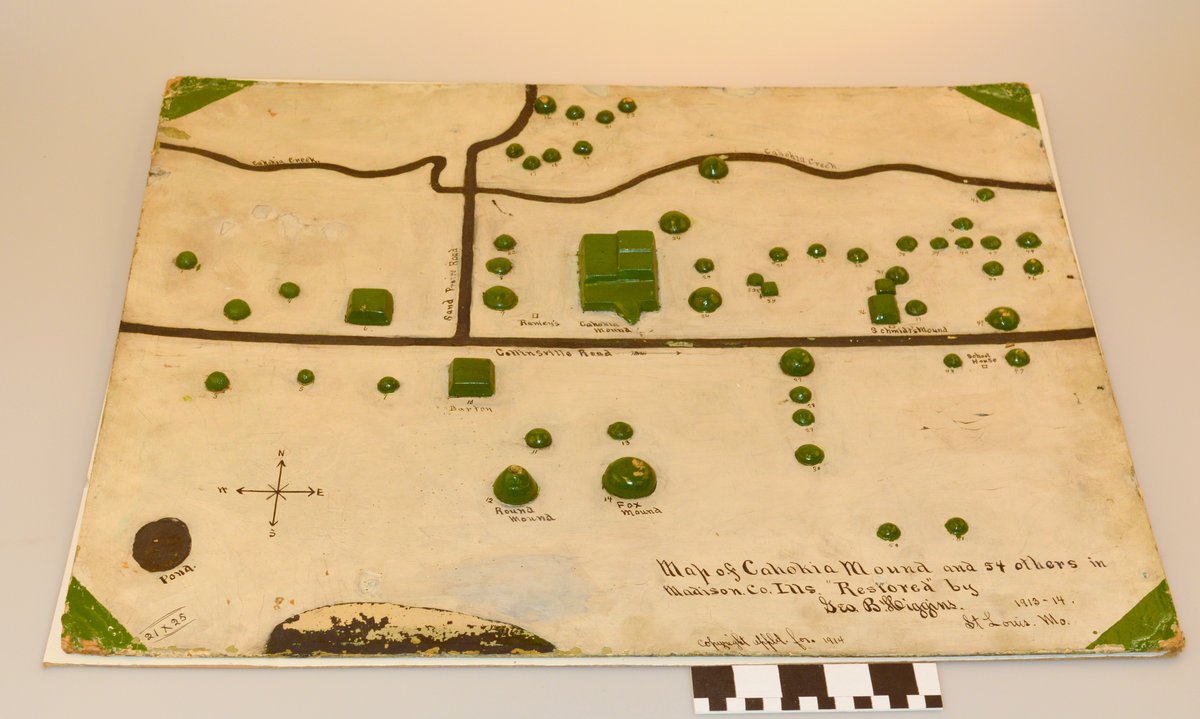
The most striking feature of Cahokia is its iconic mounds, which number over 120 within the site's 2,200 acres. These mounds, meticulously built by hand from layers of earth, served various purposes, reflecting the social, political, and religious complexities of Mississippian society.
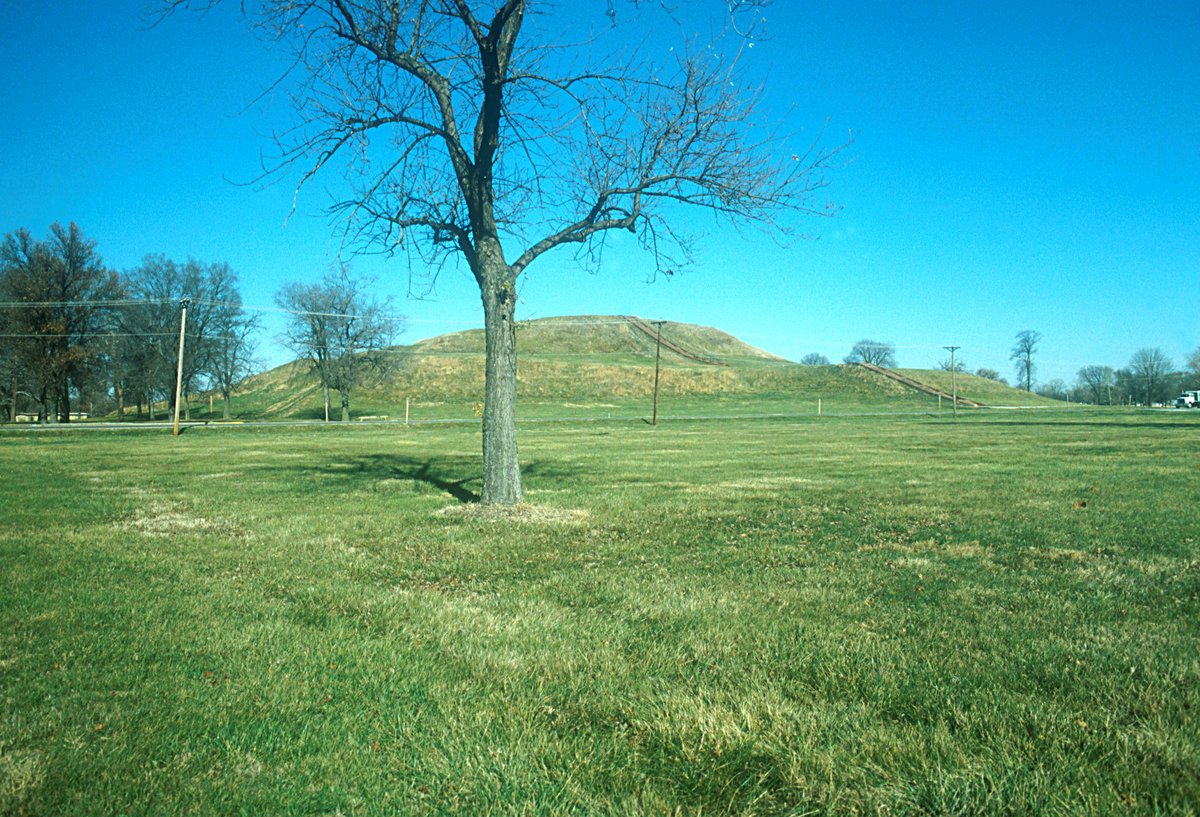
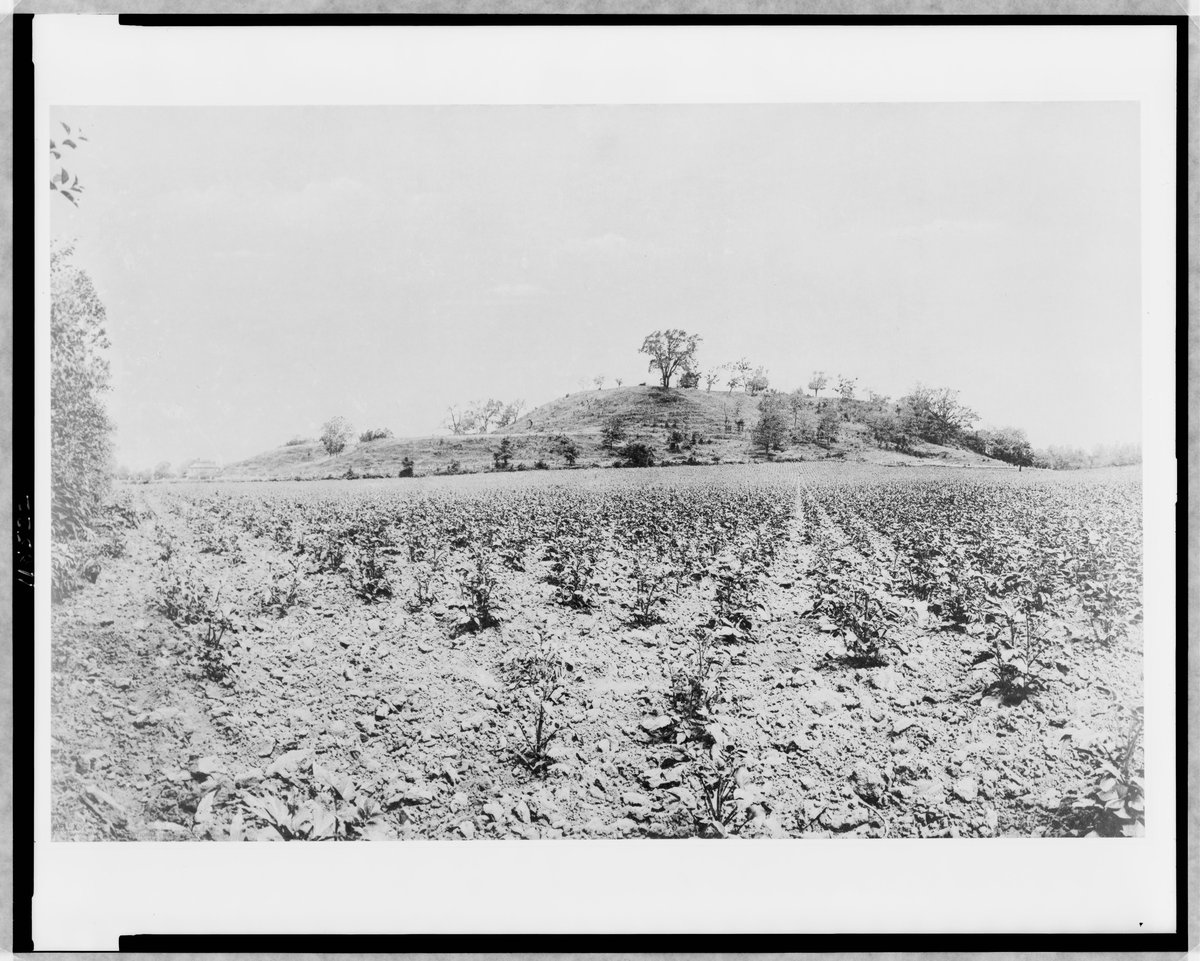
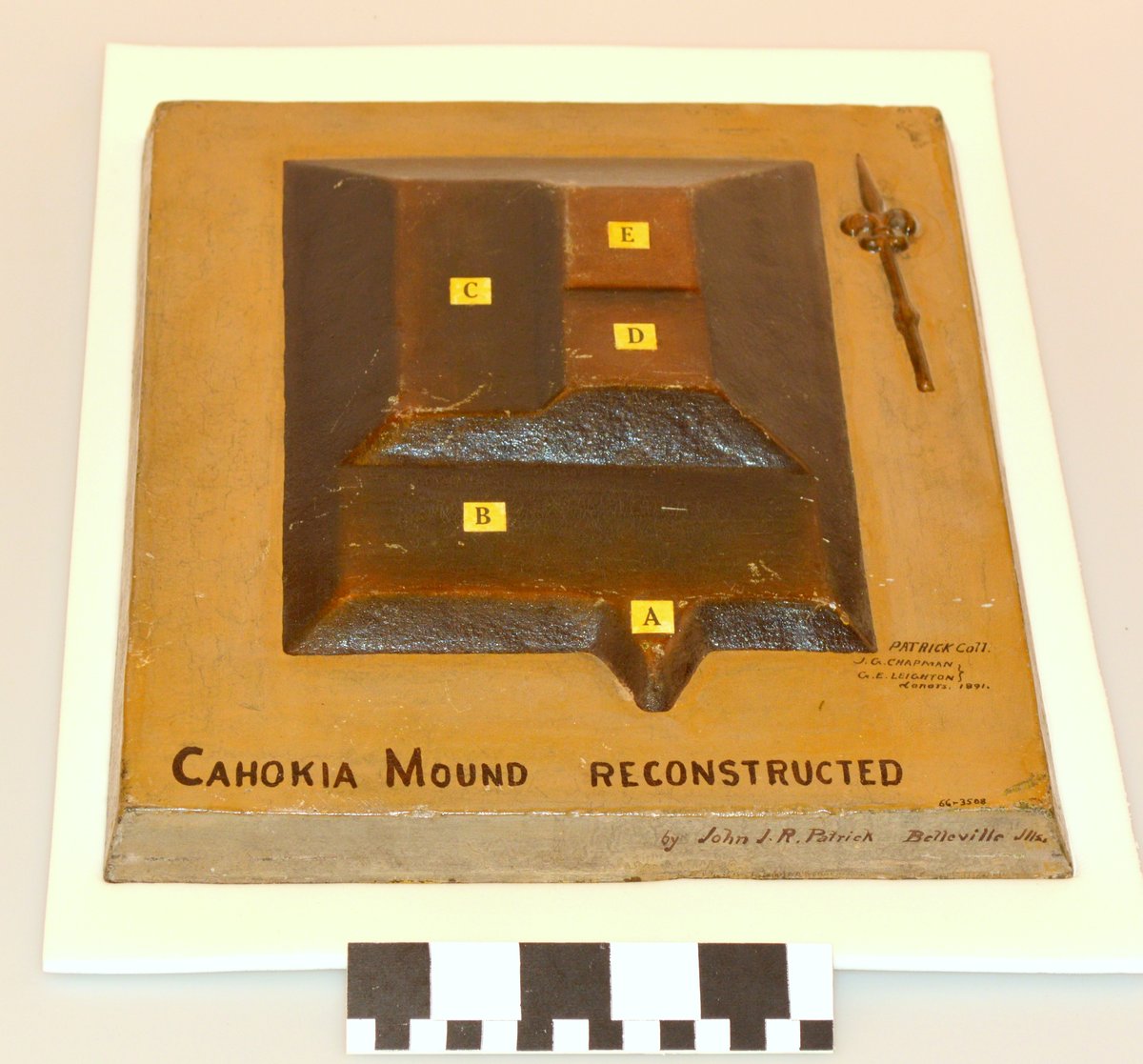
Monks Mound, the largest prehistoric earthen construction in the Americas, dominates the landscape. This massive platform mound, rising 100 feet high and covering 14 acres, is believed to have served as the residence of the paramount chief, showcasing the hierarchical structure of Cahokia.
Other mounds, such as Mound 72, offer insights into the spiritual beliefs and burial practices of the Mississippian people. Excavations at this mound have uncovered elaborate burials, including the remains of an individual adorned with thousands of shell beads, suggesting a complex cosmology and belief in the afterlife.
Life in Cahokia
Cahokia was not merely a ceremonial center but a thriving urban environment. The city's inhabitants engaged in a diverse range of activities, from agriculture and hunting to craft specialization and trade. Archaeological evidence points to a sophisticated society with a complex division of labor.
The Mississippian people were skilled farmers, cultivating crops like maize, beans, and squash, which formed the staple of their diet. They also hunted deer, turkey, and other animals, supplementing their agricultural produce.
Craft specialization played a crucial role in Cahokian society. Artisans crafted intricate pottery, tools, and ornaments from materials like clay, stone, and shell. These objects, often adorned with symbolic motifs, provide valuable insights into the artistic traditions and belief systems of the Mississippian people.
Trade networks extended far beyond the city's boundaries, connecting Cahokia with distant communities across North America. Archaeological evidence suggests that goods like copper from the Great Lakes region, shells from the Gulf Coast, and obsidian from the Rocky Mountains found their way to Cahokia, highlighting the city's role as a major trade hub.
Visitor Information
If you're planning a visit to Cahokia Mounds, here's some essential information to help you make the most of your trip:
- Visiting Hours: Cahokia Mounds is open daily from 9:00 AM to 5:00 PM. The site is closed on Thanksgiving, Christmas, and New Year's Day.
- Tickets: Admission to Cahokia Mounds is free, but donations are encouraged to support ongoing preservation and research efforts.
- Guided Tours: Guided tours are available and provide in-depth insights into the history and significance of the site. Check the official website for tour schedules and booking information.
- Special Events: Cahokia Mounds hosts various events throughout the year, including educational programs, lectures, and reenactments. Visit the official website for a calendar of events.
Travel Tips
- Nearby Attractions: While in the area, consider visiting other historical sites in Illinois, such as the Lewis and Clark State Historic Site and the Gateway Arch in St. Louis, Missouri.
- Accessibility: Cahokia Mounds is accessible to visitors with disabilities. Paved pathways and ramps are available for easy access to key areas of the site.
- Visitor Center: Start your visit at the Cahokia Mounds Interpretive Center, which features exhibits, a gift shop, and a theater showing an introductory film about the site.
The Decline and Legacy of Cahokia
By 1350 AD, Cahokia's population began to decline, and the city was eventually abandoned. The exact reasons for this decline remain a subject of debate among archaeologists. Factors such as climate change, resource depletion, disease, and social unrest may have contributed to the city's demise.
Despite its abandonment, Cahokia's legacy endures. The site stands as a testament to the ingenuity and cultural achievements of the Mississippian people, challenging conventional narratives about pre-Columbian societies in North America.
FAQ
Q: What are the visiting hours for Cahokia Mounds?
A: Cahokia Mounds is open daily from 9:00 AM to 5:00 PM, except on Thanksgiving, Christmas, and New Year's Day.
Q: How much does it cost to visit Cahokia Mounds?
A: Admission is free, but donations are encouraged.
Q: Are guided tours available?
A: Yes, guided tours are available. Check the official website for schedules and booking information.
Q: Is Cahokia Mounds accessible for visitors with disabilities?
A: Yes, the site is accessible, with paved pathways and ramps for easy access.
Q: What other attractions are nearby?
A: Nearby attractions include the Lewis and Clark State Historic Site and the Gateway Arch in St. Louis, Missouri.
Listen to the full story in the app
The whole Cahokia,
told well.
Listen to sourced travel stories with local history and practical context — ready offline.
Verified, and shown.
Researched and written by the Audiala editorial team from historical records, architectural archives, and local expertise.
Built from cited sources · see the method · How we make our guides →