Plan and listen to Bridge At Iverson Crossing with Audiala.
Audio guide in your pocket, itinerary in your browser. Built for the way you actually visit.
Introduction
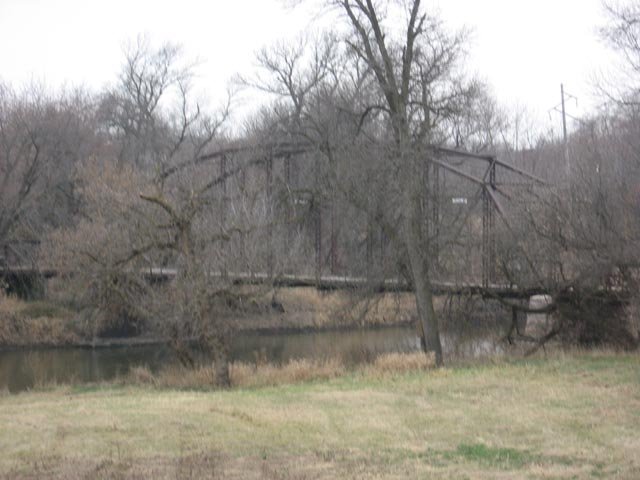
The Bridge at Iverson Crossing, located near Sioux Falls, South Dakota, is a captivating testament to the region’s pioneering spirit, engineering heritage, and cultural identity. Built in 1897 after floods destroyed the original wooden crossing, this steel Parker through-truss bridge—featuring original Carnegie Steel markings—remains an enduring symbol of resilience, connecting generations and communities along the Big Sioux River. Today, the bridge stands as a significant historical landmark for visitors interested in the rich story of Sioux Falls and its surrounding landscapes.
This comprehensive guide outlines the bridge’s history, cultural significance, architectural highlights, visitor access, travel tips, and nearby attractions. Whether you’re a history enthusiast, photographer, or traveler, the Bridge at Iverson Crossing promises a meaningful glimpse into South Dakota’s past.
For additional details and updates on tours and events, consult local resources such as the Sioux Falls Historical Society and the Sioux Falls tourism website (Etc Magazine, 2022, SiouxFallsCentral.com, 2025).

Historical Significance and Origins
The Iverson Family and Early Settlement
The origins of the bridge are inseparable from the pioneering Iverson family, Norwegian immigrants who settled along the Big Sioux River in 1868. Ole B. Iverson, with his father Iver and brother Peter, established homesteads that would anchor Split Rock Township. Their property featured fertile farmland and distinctive quartzite outcroppings—now part of Gitchie Manitou State Preserve—which became known as “Gibraltar” in Dakota Territory newspapers (Etc Magazine, 2022).
The Iversons’ commitment to the community extended beyond farming: their homestead served as a vital frontier hub, providing supplies to nearby soldiers and aiding travelers crossing the Big Sioux River. Their efforts laid the groundwork for the area’s growth and the eventual construction of a permanent river crossing.
Bridge Construction and Regional Development
By the 1870s, a ford at the Iverson property enabled stagecoaches and wagons to traverse the river, but frequent flooding necessitated a more reliable solution. Legislative advocacy by Ole B. Iverson led to the construction of the first bridge in 1889, which was destroyed by floods in 1895. The current steel Parker through-truss bridge was erected in 1897 by S. W. Hewitt and Company, employing durable Carnegie Steel to withstand the region’s challenging conditions (Waymarking.com, 2025).
The bridge became a vital east-west artery, facilitating commerce, travel, and the integration of rural communities with Sioux Falls. Its presence reflects the late 19th-century expansion of infrastructure that fueled economic and social connectivity across the Midwest.
Architectural and Engineering Highlights
- Design: The bridge exemplifies the Parker through-truss style, known for its strength and efficiency in spanning wide rivers. Steel latticework and riveted connections showcase the craftsmanship of the era.
- Materials: Original Carnegie Steel builder’s stamps remain visible, linking the structure to America’s industrial heritage.
- Unique Features: A large decorative star, added by a private owner, blends historical authenticity with local personalization (SiouxFallsCentral.com, 2025).
- Preservation: Listed on the National Register of Historic Places in 1996, the bridge is recognized for both its engineering and its role in local history.
Visiting the Bridge at Iverson Crossing
Hours, Access, and Admission
- Access: The bridge is on private property and not open for public vehicular traffic since 1983. There is no direct pedestrian access onto the bridge itself, but it can be viewed from nearby public roads.
- Visiting Hours: There are no official public visiting hours; the bridge is visible from dawn to dusk from adjacent vantage points.
- Admission: No tickets or fees are required for viewing the bridge from public areas. Guided tours are not routinely available, but local societies may occasionally offer educational events (SiouxFallsCentral.com, 2025).
Accessibility and Parking
- Parking: Limited roadside parking is available near Iverson Road and the eastern approach. Visitors should avoid blocking driveways or disturbing residents.
- Accessibility: Terrain near the bridge is uneven and may not be suitable for those with mobility impairments. Local parks and attractions in Sioux Falls offer more accessible options.
Guided Tours and Events
- While regular tours are not offered, check with the Sioux Falls Historical Society or local heritage groups for occasional lectures and community events related to the bridge and regional history.
Nearby Attractions and Suggested Itinerary
Enhance your visit to the Bridge at Iverson Crossing with these area highlights:
- Gitchie Manitou State Preserve: Explore quartzite formations and natural trails (Etc Magazine, 2022).
- Falls Park: Iconic waterfalls, observation tower, and picnic areas in Sioux Falls.
- Downtown Sioux Falls: Museums, SculptureWalk, and vibrant dining options (South Dakota Tourism).
- Big Sioux River Trails: Ideal for walking, cycling, and birdwatching.
Suggested Itinerary: Pair your visit to the bridge with a morning at Falls Park, an afternoon exploring Gitchie Manitou, and an evening enjoying downtown Sioux Falls.
Tips for Visitors and Photographers
- Best Time to Visit: Early mornings and late afternoons offer the best light for photography.
- Photo Opportunities: Capture the steel latticework, Carnegie Steel markings, and scenic river vistas.
- Respect Boundaries: Remain on public land and respect private property.
- Safety: Wear sturdy footwear and exercise caution near uneven ground or in inclement weather.
Preservation, Community Engagement, and Education
The bridge’s survival is a testament to local advocacy and historical preservation. Community groups, historians, and the National Register of Historic Places recognize its importance. Educational signage, occasional interpretive events, and regional school programs help foster appreciation for this unique landmark (SiouxFallsCentral.com, 2025).
Frequently Asked Questions (FAQ)
Q: Can I visit or walk on the Bridge at Iverson Crossing?
A: The bridge is on private property and closed to public traffic. It can be admired from nearby public areas, but direct access onto the structure is not permitted.
Q: Are there tickets or fees?
A: No tickets or fees are required to view the bridge from accessible vantage points.
Q: Is the site wheelchair accessible?
A: The area around the bridge has uneven terrain and is not fully accessible. Other Sioux Falls attractions provide better accessibility.
Q: Are guided tours available?
A: No regular tours are offered, but local societies may host special events or lectures.
Q: What else can I do nearby?
A: Visit Falls Park, Gitchie Manitou State Preserve, downtown Sioux Falls, and the city’s extensive bike trails.
Q: Can I take photographs?
A: Yes, photography is encouraged from public viewpoints. Please respect all posted signs and property boundaries.
Listen to the full story in the app
The whole Bridge At Iverson Crossing,
told well.
Audio guides for 1,100+ cities across 96 countries. History, stories, and local insight — offline ready.
Verified, and shown.
Researched and written by the Audiala editorial team from historical records, architectural archives, and local expertise.
Researched from Wikidata, Wikipedia & official sources · fact-checked · How we make our guides →