
Plan and listen to Theodor Jacobsen Observatory with Audiala.
Audio guide in your pocket, itinerary in your browser. Built for the way you actually visit.
Introduction
Located at the heart of the University of Washington (UW) campus in Seattle, the Theodor Jacobsen Observatory (TJO) stands as a testament to the region’s rich scientific and educational heritage. As one of the oldest observatories in the Pacific Northwest, TJO invites visitors to journey through time, explore historic astronomical instruments, and experience the night sky from within the city. Whether you are an astronomy enthusiast, a history buff, or a curious traveler, the observatory offers a unique blend of scientific discovery and Seattle’s architectural legacy.
For the latest visiting hours, ticketing information, and special events, always consult the UW Astronomy Department website, and explore further background via UW Magazine and the Seattle Astronomical Society.



Historical and Scientific Significance
Origins and Early Development
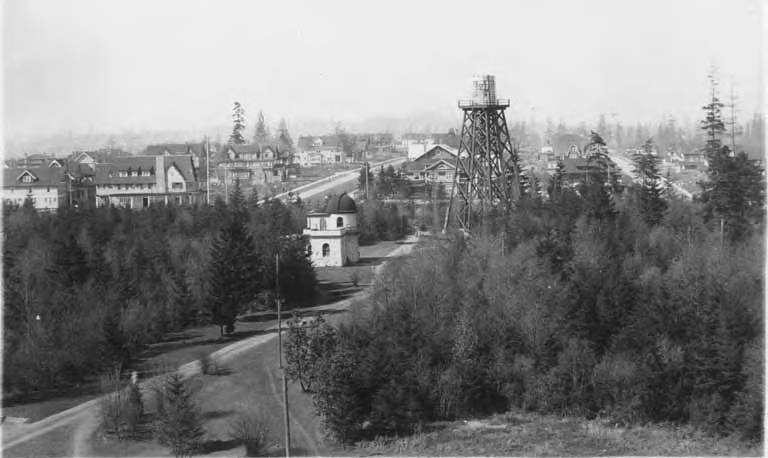
Established in 1895, the Theodor Jacobsen Observatory is among the oldest astronomical observatories in the Pacific Northwest and the second-oldest building on the UW Seattle campus. Its foundation marked a pivotal moment for scientific education in the region, symbolizing UW’s commitment to expanding research and public outreach in astronomy. The observatory was originally designed to support the university's growing astronomy program, hosting both educational activities and timepiece calibration before modern timekeeping was widespread (SAH Archipedia; Seattle Met).
Academic Legacy
Named for Theodor S. Jacobsen, a distinguished UW astronomer and geophysicist, the observatory reflects a tradition of excellence in astronomical research and public education. While its main research function waned in the mid-20th century, TJO remains a vital educational hub, hosting public night sky viewings, lectures, and outreach programs (UW News).
Architectural Design and Features
Building Origins and Construction
Designed by Charles Willard Saunders, the architect behind UW’s iconic Denny Hall, TJO was constructed using leftover Tenino sandstone from the Denny Hall project. The building’s robust, L-shaped stone structure, round tower, and hand-cranked steel dome exemplify late 19th-century scientific architecture (UW Magazine).
Dome and Telescope Housing
The observatory’s manually rotatable dome—ingeniously supported by Civil War cannonballs—houses its centerpiece: a six-inch Warner & Swasey refracting telescope. This dome design, unique among 19th-century observatories, allowed seamless alignment with celestial objects (Astronomy Blog).
Interior Layout
- Dome Room: Houses the historic telescope.
- Classroom: Seats up to 55 people, used for lectures and educational programs.
- Antique Display Room: Features lighted cabinets with vintage astronomical instruments and memorabilia.
- Facilities: Two small bathrooms.
Access to the dome is via a steep, narrow staircase typical of the era, which may limit accessibility for some visitors (UW Magazine).
The Historic Telescope
The observatory’s six-inch Warner & Swasey refracting telescope, crafted in 1892, is a rare, fully functional example of late 19th-century astronomical technology. Originally used for research and timekeeping, this brass instrument provides exceptional clarity for viewing the Moon, planets, and bright deep-sky objects. The telescope is mounted on a Warner & Swasey equatorial mount, enabling precise tracking across the night sky (UW Magazine).
Visiting Hours and Tickets
Public Visiting Hours
- Season: Open to the public from April through September.
- Open Nights: Typically held on the first and third Tuesday or Wednesday of each month (confirm current schedule on the UW observatory website).
- Time: Evenings from 8:00 PM to 10:00 PM.
Admission and Reservations
- Admission: Free for all visitors.
- Reservations: Required if you wish to use the main dome telescope. Reserve online via the UW observatory website or the Seattle Astronomical Society calendar.
- Walk-up Viewing: Smaller telescopes are available outside the observatory for general use without reservations (ICO Optics).
Accessibility and Directions
- Accessibility: The classroom is accessible via a modern ADA-compliant ramp, but the historic dome and telescope are accessible only by stairs and are not wheelchair-accessible. Contact the UW Astronomy Department in advance to discuss accommodations.
- Parking: Limited visitor parking is available in UW lots and nearby streets. Using public transit or rideshare is recommended, with the UW light rail station within walking distance (UW Campus Map).
- Restrooms: Available in adjacent campus buildings.
Visitor Experience: Tours, Events, and Tips
What to Expect
- Guided Talks: Each open night features an accessible lecture by UW faculty or students, covering the basics of stargazing, telescope operation, and current astronomical discoveries (State of WA Tourism).
- Telescope Viewing: View the Moon, planets, and star clusters through the main refractor, guided by Seattle Astronomical Society volunteers (Cruise America).
- Historic Tour: Explore vintage brass astronomical equipment and the observatory’s unique architectural features (Seattle Met).
Practical Tips
- Weather: Viewing is weather-dependent. Check forecasts and event updates before attending.
- Dress: Evenings can be chilly—bring layers.
- Essentials: Consider bringing a blanket, snacks, water, and a red-light flashlight.
- Arrival: Arrive early to secure a spot, especially for special astronomical events.
- Photography: Astrophotography is possible outside, though limited by light pollution. Bring binoculars or small telescopes if desired (ICO Optics).
Community Engagement and Educational Programs
TJO is a hub for public engagement, offering:
- K-12 School Visits: Hands-on astronomy workshops and field trips.
- Seattle Astronomical Society Star Parties: Monthly gatherings at the observatory and other city locations (Seattle Astronomical Society).
- Public Lectures and Workshops: Covering topics from telescope basics to the latest discoveries in astrophysics.
- Collaborations: Partnerships with local museums and science organizations for special events (Pacific Science Center Events).
Frequently Asked Questions (FAQ)
Q: What are the observatory’s visiting hours?
A: Public open nights are typically held on the first and third Tuesday or Wednesday evenings from April through September, 8:00 PM–10:00 PM. Confirm the current schedule on the UW observatory website or the UW Events Calendar.
Q: Is admission free?
A: Yes, admission is free. Reservations are required to look through the main telescope.
Q: Are children and families welcome?
A: Absolutely. Programs are family-friendly and suitable for all ages.
Q: Is the building wheelchair accessible?
A: The classroom is accessible, but the dome and telescope are not due to the historic stairs.
Q: Can I bring my own telescope or binoculars?
A: Yes, for outdoor use.
Q: Where do I park?
A: Limited parking is available in UW lots and on nearby streets. Public transit is encouraged.
Q: How do I make a reservation?
A: Reserve through the UW observatory website or the Seattle Astronomical Society calendar.
Plan Your Visit
Make the most of your visit by:
- Checking the latest schedule and making necessary reservations online.
- Preparing for Seattle’s variable weather.
- Exploring nearby attractions before or after your observatory visit.
- Downloading the Audiala app for interactive audio tours and sky guides.
Be sure to follow the Seattle Astronomical Society and UW Astronomy Department on social media for updates, event announcements, and educational content.
Listen to the full story in the app
The whole Theodor Jacobsen Observatory,
told well.
Audio guides for 1,100+ cities across 96 countries. History, stories, and local insight — offline ready.
Verified, and shown.
Researched and written by the Audiala editorial team from historical records, architectural archives, and local expertise.
Researched from Wikidata, Wikipedia & official sources · fact-checked · How we make our guides →


