Plan and listen to Smith Tower with Audiala.
Audio guide in your pocket, itinerary in your browser. Built for the way you actually visit.
Introduction to Smith Tower and Its Historical Significance
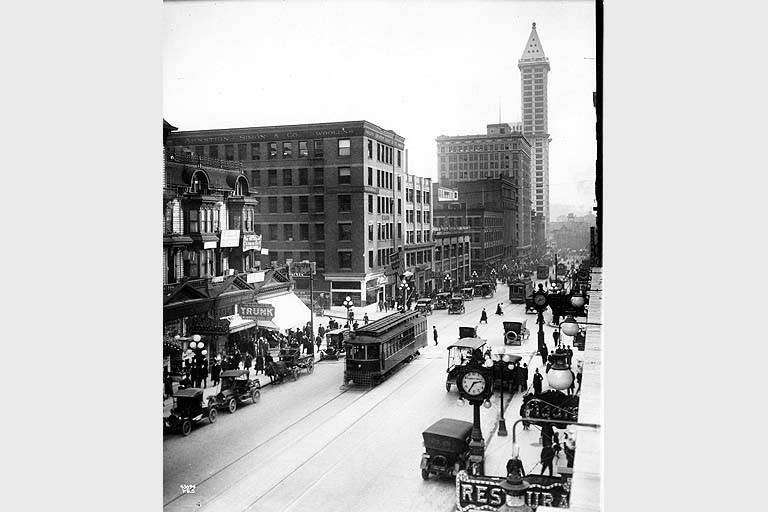
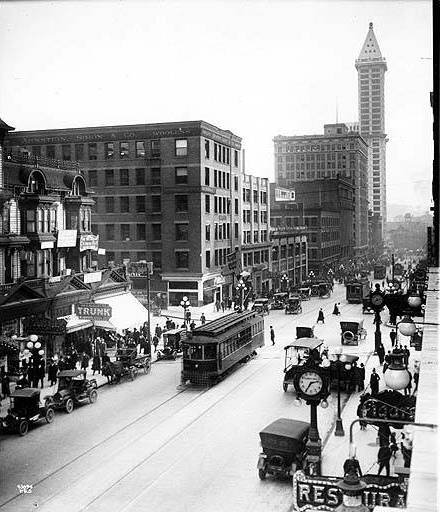
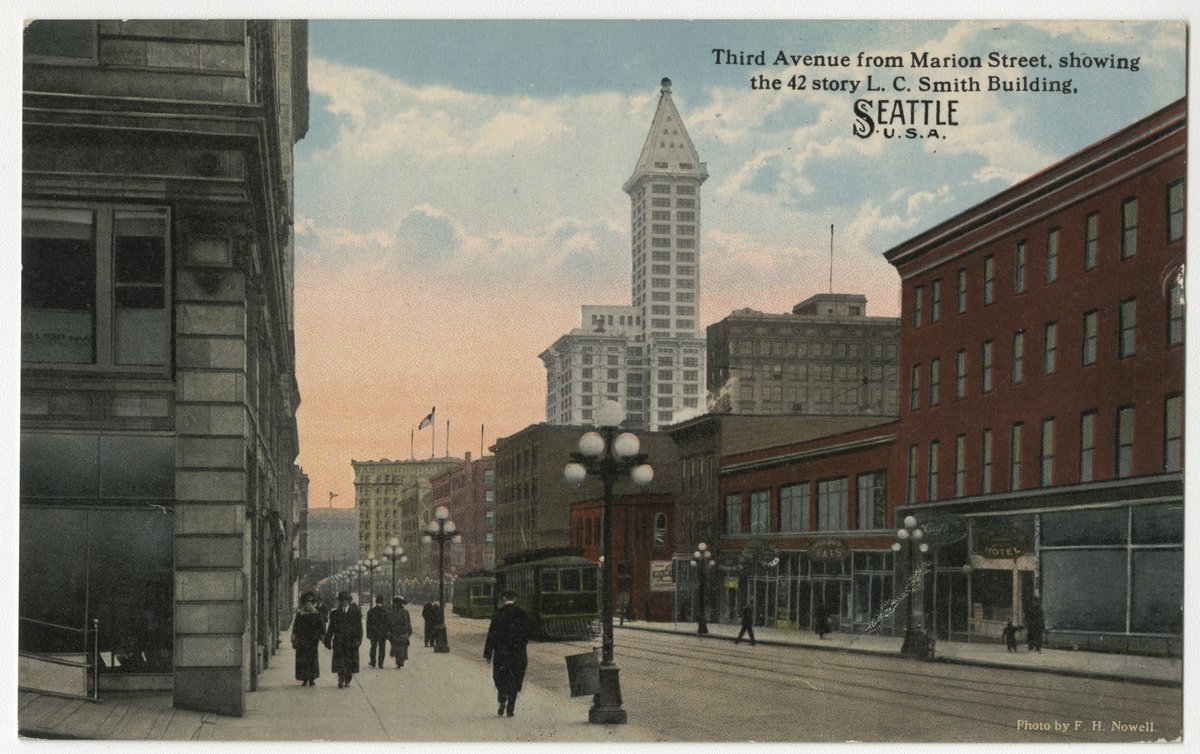
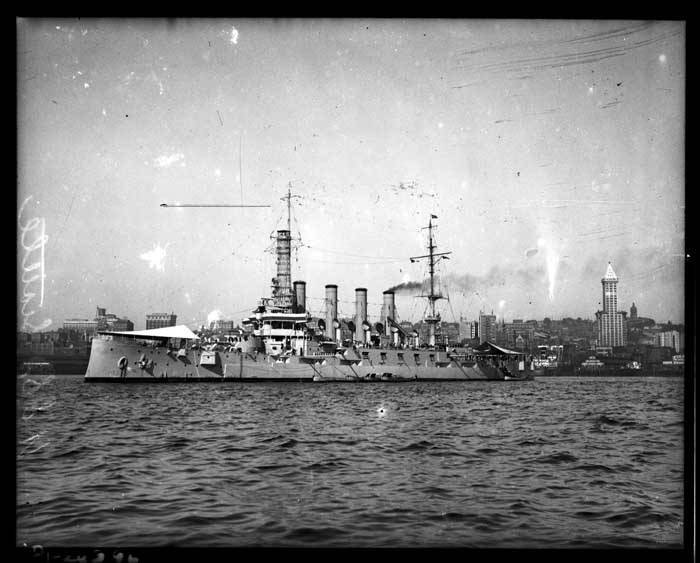
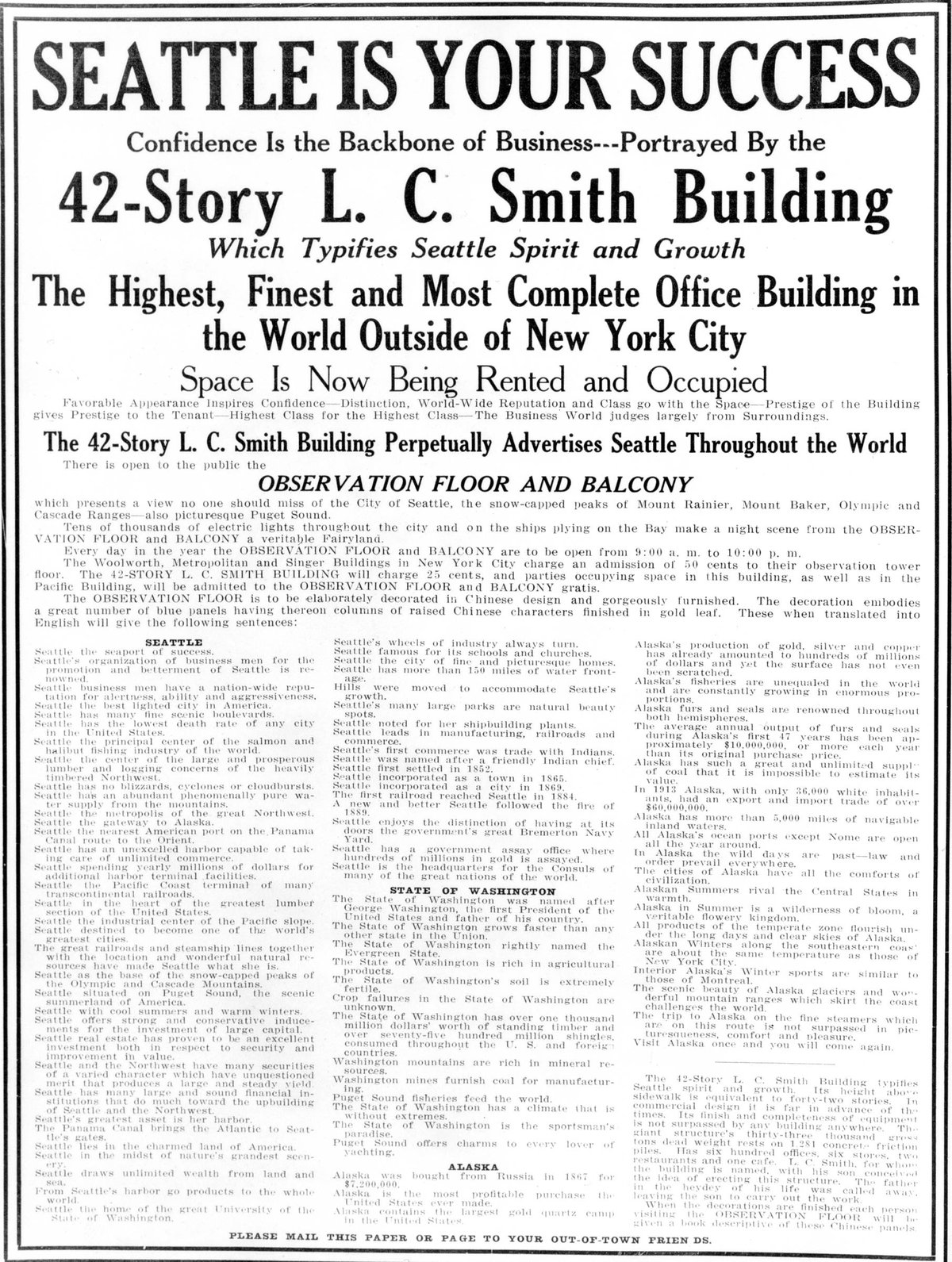
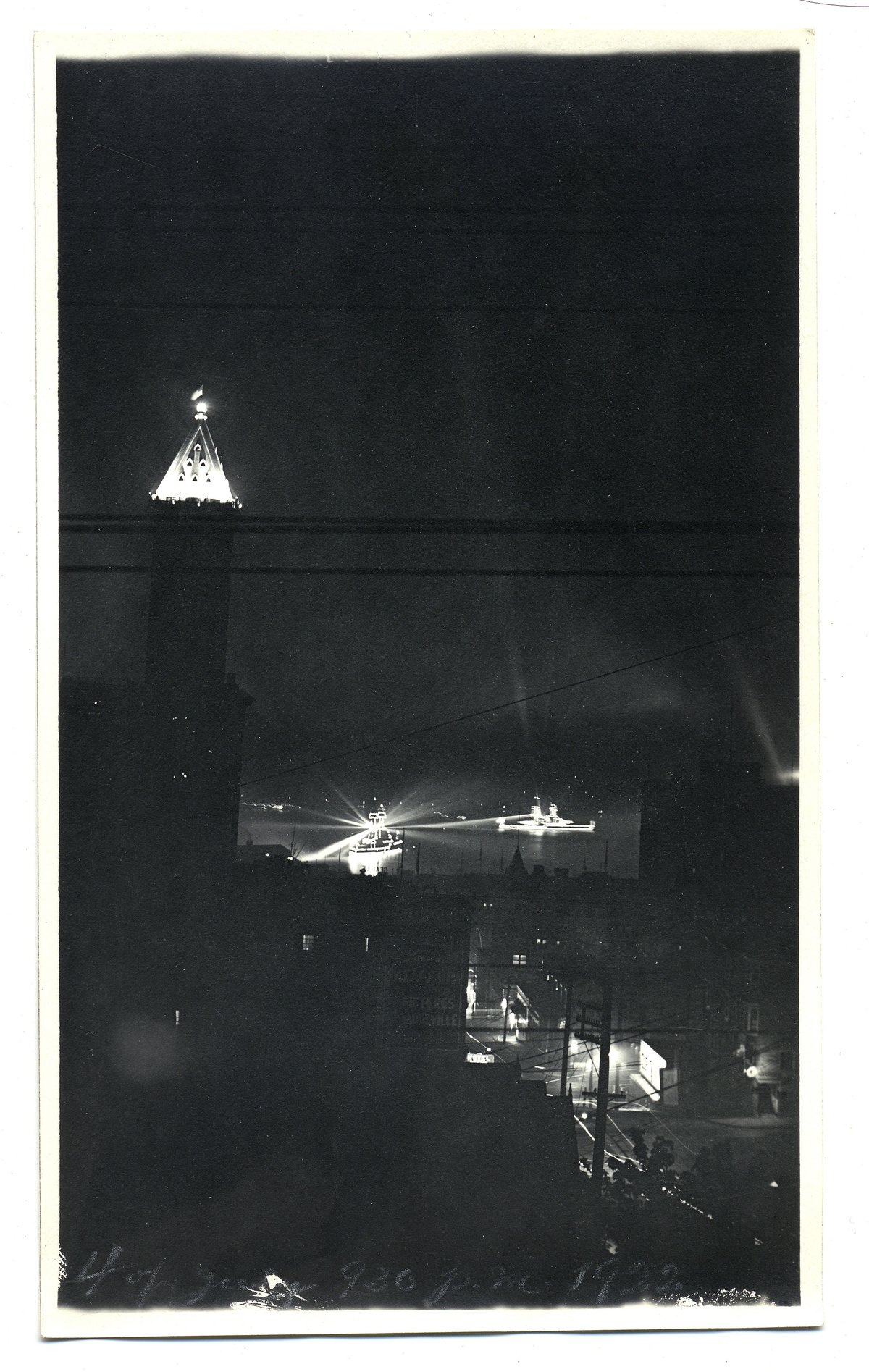
Smith Tower is a defining feature of Seattle’s Pioneer Square, standing as a testament to the city’s early 20th-century ambition and architectural innovation. Opened on July 4, 1914, Smith Tower was the tallest building west of the Mississippi River at 462 feet, symbolizing Seattle’s transformation into a modern metropolis (Smith Tower Official). Conceived by L.C. Smith and brought to completion by his son, Burns Lyman Smith, the building’s blend of neoclassical and Art Nouveau styles, along with its unique features such as historic elevators and an open-air observatory, make it both a historical and cultural landmark (CityBop; Tiqets). Today, Smith Tower not only preserves its heritage but also offers vibrant modern experiences, including a prohibition-era bar and a rooftop apiary, making it a must-visit Seattle attraction.

Origins and Construction
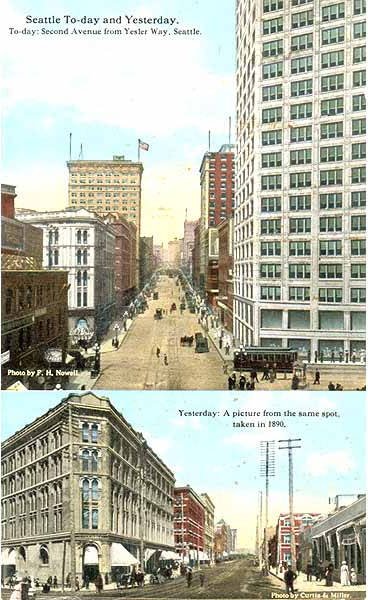
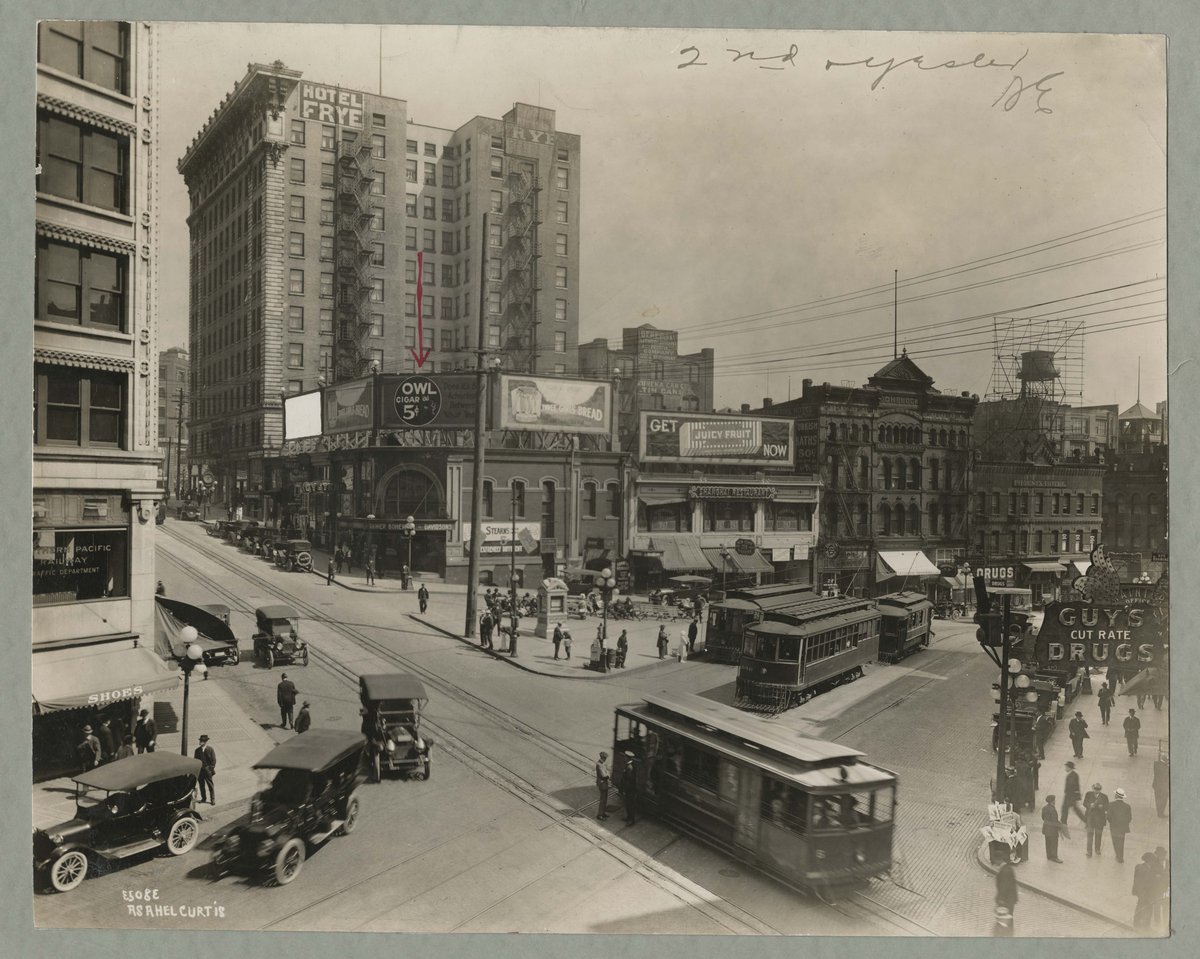
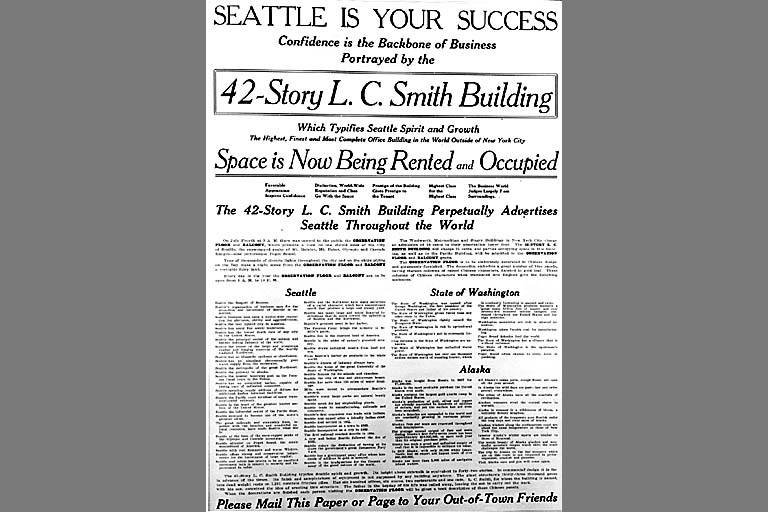
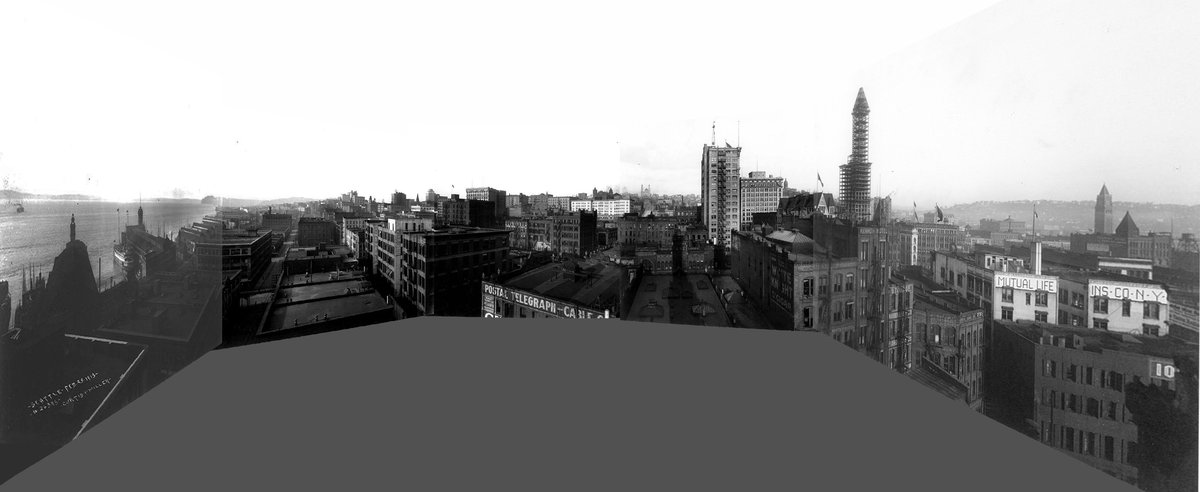
The vision for Smith Tower began in the early 1900s, when L.C. Smith, a prominent figure in the typewriter industry, sought to invest in Seattle’s future. Initially planned as an 18-story building, his son, Burns Lyman Smith, expanded the project into a 42-story skyscraper after L.C. Smith’s death, aiming to elevate Seattle’s skyline. Construction commenced in 1912 and concluded two years later, marking a new era for the city (Smith Tower Official).
Architectural Features
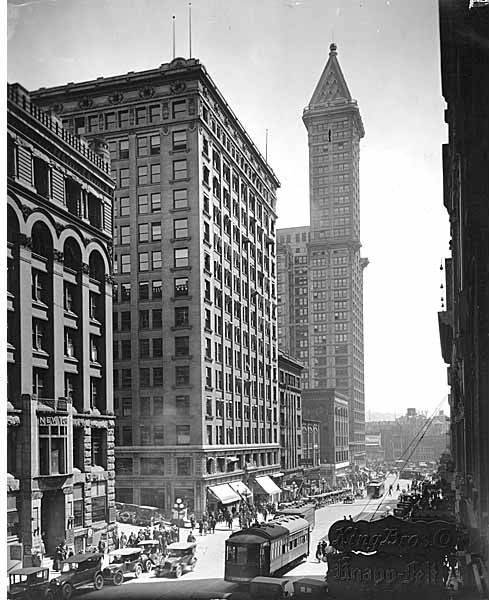
Upon its opening in 1914, Smith Tower became the tallest building west of the Mississippi and the fourth tallest in the world. Its design, by Gaggin & Gaggin of New York, features a white terra cotta façade, neoclassical detailing, and Art Nouveau touches. Notable elements include the ornate lobby, original Otis elevators topped with carved Native American chieftain heads, and the distinctive pyramid-shaped roof (SAH Archipedia).
Role in Urban Development
Smith Tower helped catalyze the revitalization of Pioneer Square following the Great Seattle Fire of 1889, serving as a symbol of the city’s resilience and growth. Its observation deck quickly became a civic landmark, offering views of Puget Sound and the surrounding mountains (HistoryLink).
Ownership and Revitalization
Over the decades, Smith Tower changed hands multiple times, including a notable period under restaurateur Ivar Haglund in the 1970s. Facing financial challenges, it entered foreclosure in 2012, but was subsequently acquired and revitalized by Unico Properties in 2015. The building underwent significant restoration, reopening with enhanced public spaces, a prohibition-themed bar, and new exhibits (Freestone Capital; Wikipedia).
Visiting Information
Smith Tower Visiting Hours
- Standard Hours: Open daily, typically from 10:00 AM to 10:00 PM.
- Last Entry: Final elevator ride to the observatory is 30–60 minutes before closing.
- Seasonal Variations: Hours may vary for holidays or private events; always confirm on the official website or ticketing platforms.
Ticket Prices and Purchase
- Self-Guided Tour & Observatory Access: Standard adult tickets are $19.14 (a nod to the building’s opening year). Discounts available for seniors, children, and WA State residents (Wikipedia).
- Bar-Only Access: Reduced cover charge for entry to the Observatory bar.
- Combination Tickets: Some platforms offer bundled experiences with other Seattle attractions (Tiqets).
- Purchase Options: Tickets can be bought onsite at the Provisions Store or online in advance (Smith Tower Tickets).
Accessibility
Smith Tower is committed to accessibility for all visitors:
- Wheelchair Access: Elevators serve all floors; observatory and restrooms are accessible (Smith Tower FAQ).
- Service Animals: Permitted; pets are not allowed.
- Elevator Attendants: Staff are available to assist those with special needs.
Getting There and Parking
- Address: 506 2nd Avenue, Seattle, WA 98104
- Public Transit: Close to major bus lines and Pioneer Square light rail station.
- Parking: Butler Garage is recommended; street parking and other garages are available (Freestone Capital). Butler Garage promo code “vofeusyz” may offer discounted rates (Smith Tower FAQ).
Visitor Experience
Observatory and Bar
The 35th-floor Observatory provides panoramic 360-degree views of Seattle, Puget Sound, Mount Rainier, and the Olympics. The Observatory bar, styled in a 1920s chinoiserie and prohibition-era motif, offers craft cocktails, local wines, beers, and a selection of small plates. Enjoy signature drinks and seasonal fare as you take in the sights (Smith Tower Ticket Info; citybop.com).
Historical Exhibits
Visitors are invited to explore “The Legends of Smith Tower” self-guided exhibits, which detail the building’s construction, cultural history, and role in shaping Seattle’s skyline. Artifacts and interpretive panels bring the tower’s past to life (ParentMap).
Events and Tours
- Guided Tours: Offered daily at scheduled times; advance booking is recommended.
- Special Events: Includes prohibition-themed evenings, honey harvest demonstrations from the rooftop apiary, and private event rentals.
- Group Visits: Accommodations for groups of 10 or more, with customizable packages.
Travel Tips and Nearby Attractions
- Best Times: Visit on weekdays or in the morning for fewer crowds. Sunset views from the Observatory are particularly striking.
- Nearby Sights: Pioneer Square (art galleries, historic sites), the Seattle Underground Tour, and the waterfront are all within walking distance (thebrokebackpacker.com).
- Dining: In addition to Smith Tower’s bar, Pioneer Square offers a variety of restaurants and cafes.
Frequently Asked Questions (FAQ)
Q: What are Smith Tower’s visiting hours?
A: Hours are generally 10:00 AM to 10:00 PM, but check the official site for current info.
Q: How much are tickets?
A: Standard adult tickets are $19.14; discounts are available for seniors, children, and WA residents.
Q: Is Smith Tower accessible?
A: Yes, elevators and facilities are wheelchair accessible.
Q: Are guided tours available?
A: Yes, both guided and self-guided tour options are offered.
Q: Can I host private events at Smith Tower?
A: Yes, the Observatory and bar can be reserved for private functions.
Q: Is parking available?
A: Butler Garage and several public lots are nearby.
Visuals and Media


For a virtual experience, visit the Smith Tower virtual tour page.
Discover More
Smith Tower offers an unforgettable experience that fuses Seattle’s architectural legacy with modern amenities and cultural programming. From the historic elevators and “Wishing Chair” to the spectacular Observatory views and prohibition-era bar, every visit is both educational and memorable.
To make the most of your trip:
- Purchase tickets online in advance.
- Download the Audiala app for audio guides and event updates.
- Combine your visit with other Pioneer Square attractions for a complete Seattle experience.
Follow Smith Tower on social media for the latest news, and explore related articles for more on Seattle’s rich history.
Tickets & tours.
These are guided options from our partners — same price as booking direct.
Prices are indicative — final pricing and availability are confirmed at checkout. Audiala may earn a commission from bookings made through these links.
Listen to the full story in the app
The whole Smith Tower,
told well.
Audio guides for 1,100+ cities across 96 countries. History, stories, and local insight — offline ready.
Verified, and shown.
Researched and written by the Audiala editorial team from historical records, architectural archives, and local expertise.
Researched from Wikidata, Wikipedia & official sources · fact-checked · How we make our guides →


