Plan and listen to Seattle Children'S with Audiala.
Audio guide in your pocket, itinerary in your browser. Built for the way you actually visit.
Introduction
Seattle Children’s Hospital serves as a cornerstone of pediatric healthcare and innovation in the Pacific Northwest, providing exceptional care for children from Washington, Alaska, Montana, and Idaho. Since its founding in 1907 by Anna Clise and a group of philanthropists, the hospital has grown from a seven-bed orthopedic facility into a nationally recognized center for clinical excellence, research, and community engagement (Seattle Children’s History). Today, Seattle Children’s offers advanced treatment, groundbreaking research, and family-centered services on a state-of-the-art campus, with a strong focus on accessibility, equity, and holistic care.
Conveniently located near some of Seattle’s iconic landmarks—including the Space Needle, Pike Place Market, and historic neighborhoods—Seattle Children’s provides not only healthcare but also opportunities for families and visitors to explore the city’s vibrant culture (Seattle Children’s Events). This comprehensive guide delivers detailed insights on the hospital’s history, mission, campus design, visitor information, and how to enrich your experience while in Seattle (Microsoft: Children’s Hospital Seattle).

Welcome to Seattle Children’s Hospital: History, Mission, and Visiting Information
Seattle Children’s Hospital is dedicated to providing hope, care, and cures to every child. Whether you are a patient’s family, a visitor, or a community member, this guide helps you navigate Seattle Children’s legacy, services, and practical details for a seamless experience.
Founding and Early Development
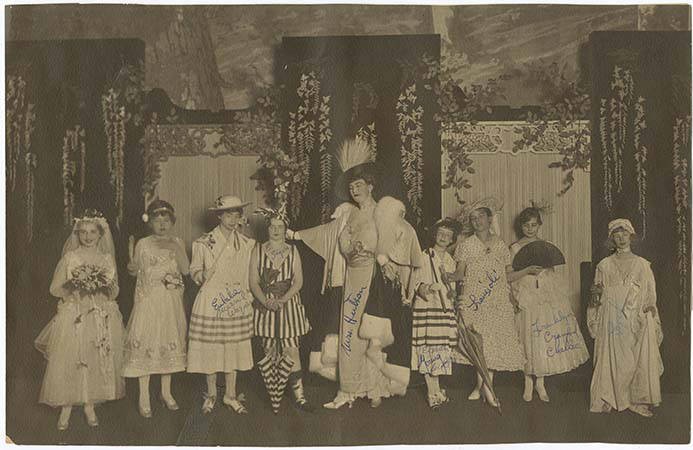
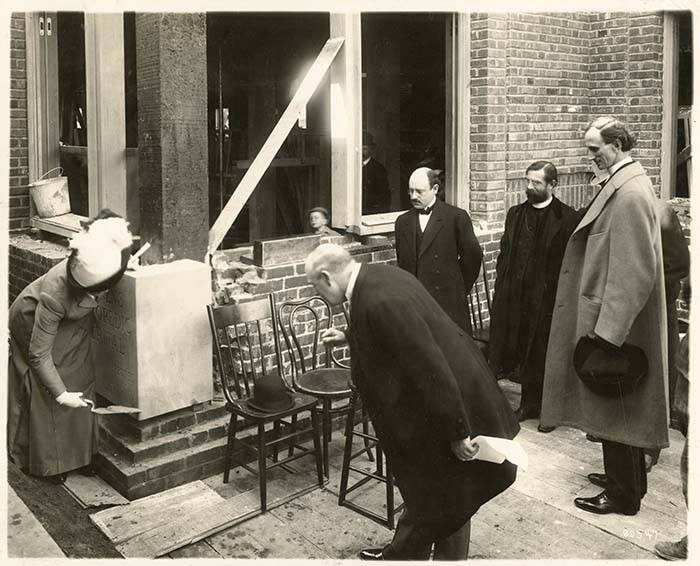
Seattle Children’s was founded in 1907 by Anna Clise and her peers to address the lack of specialized pediatric care in Seattle. Their mission was to provide care for all children, regardless of race, religion, gender, or financial status (Seattle Children’s History; ZGF). What began as a seven-bed orthopedic hospital soon evolved with the city’s growth, expanding its services and reach to become a comprehensive pediatric medical center. The hospital’s financial assistance programs continue to ensure care for children under 21 from the WAMI region (Washington, Alaska, Montana, Idaho), regardless of ability to pay (Seattle Children’s Facts and Stats).
Expansion and Regional Significance
Serving one of the largest regions of any U.S. children’s hospital, Seattle Children’s has grown in response to population needs and the rising demand for pediatric specialty care (Moving Healthcare Upstream). Through a network of outpatient clinics and robust transport systems, the hospital brings advanced care to communities throughout the Northwest. By 2008, it offered nearly 60 subspecialties and employed more than 4,000 staff across its hospital, research institute, and foundation (Seattle Children’s History).
Commitment to Research and Innovation
A major milestone in the hospital’s growth was the establishment of the Seattle Children’s Hospital Research Institute in 2006, which now houses physician–researchers working on pediatric diseases, genetic disorders, and innovative treatments (Seattle Children’s History). With well over 150 research projects and millions in NIH funding, the institute continues to attract leaders in pediatric science and clinical care.
Philanthropy and Community Engagement
Philanthropy fuels Seattle Children’s mission. Major campaigns like “It Starts With Yes” have raised hundreds of millions for facility expansion, uncompensated care, and research (Seattle Children’s History). Community partnerships extend to local agencies and organizations to address social determinants of health and wellness (Moving Healthcare Upstream).
Academic Leadership and Training
Seattle Children’s is the main pediatric teaching site for the University of Washington School of Medicine (Seattle Children’s History). With over 680 residents and fellows training each year, the hospital remains at the forefront of pediatric education, clinical care, and research (UW Pediatrics Leadership; ZGF).
Modernization and Campus Transformation
A 15-year master plan has guided the transformation of the campus, with recent milestones including the Building Care diagnostic and treatment facility—a 485,500-square-foot, LEED Gold-certified expansion designed for patient and family comfort (Healthcare Design Magazine; ZGF Building Care). Design input from families and staff has resulted in a holistic campus that connects multiple services and reduces stress for visitors.
Visiting Seattle Children’s Hospital
Visiting Hours & Guidelines
- General Visiting Hours: 9:00 AM–9:00 PM daily; some units may have additional restrictions (Seattle Children’s Visiting Hours)
- Policies: Health screenings, masking during flu season, and age restrictions may apply. Children must be supervised by adults (Visitor Guidelines).
Getting There, Parking, and Accessibility
- Address: 4800 Sand Point Way NE, Seattle, WA 98105
- Parking: Multiple garages and surface lots, daily fees, long-term discounts (Parking Information)
- Public Transit: Served by King County Metro bus routes (King County Metro)
- Accessibility: ADA-compliant, with wheelchairs and assistance available (Family Resources)
Nearby Amenities and Attractions
Families can explore Magnuson Park, local dining in the University District, and major Seattle landmarks—like the Space Needle and Pike Place Market—just a short drive from the hospital.
Frequently Asked Questions (FAQs)
Q: Do I need tickets to visit Seattle Children’s Hospital?
A: No tickets are required. Check in at entrances and follow hospital policies.
Q: Can I bring gifts or flowers?
A: Generally yes, but check with the patient’s care team for restrictions.
Q: Are accommodations available for families?
A: Yes, local hotels and hospital family housing options are available (Family Resources).
Q: How can I support the hospital?
A: Through donations, volunteering, or participating in events (Get Involved).
Q: What are the COVID-19 protocols?
A: Policies may change; check the hospital website before visiting.
Practical Tips for Visitors
- Review current visiting hours and policies online before arrival.
- Use public transportation if possible.
- Explore nearby Seattle attractions to balance your visit.
- Consider engaging with hospital events or volunteering.
Campus Architecture and Visitor Guide
Design Philosophy and Expansion
Seattle Children’s features patient- and family-centered design, with recent expansions guided by a master plan for a 1-million-square-foot campus (ZGF Building Care). The campus design draws inspiration from the Pacific Northwest, creating a calming environment with organic materials, natural light, and artful touches (Interior Design).
Building Care: The New Front Door
Building Care, opened in 2022, serves as the hospital’s new main entrance and includes:
- Eight operating suites
- Two catheterization labs
- 20 flexible inpatient rooms
- Cancer and Blood Disorders Clinic (CBDC)
- Outpatient infusion center
- Pharmacies and laboratories
This facility emphasizes efficiency and comfort, with vertical stacking of services and seamless connections to other hospital zones (ZGF Building Care).
Sustainability and Innovation
Building Care is LEED Gold and Salmon Safe certified, with innovative building systems that reduce energy use to half that of a typical U.S. hospital (ZGF Sustainability). Features like porthole windows in surgical areas bring natural light to reduce patient stress.
Interior Design and Art Integration
Wood textures, organic forms, and local art create a welcoming, storybook atmosphere. Murals and installations by local artists serve as positive distractions and wayfinding cues for children and families (Studio SC).
Thematic Zones and Discovery Trail
The hospital is organized into four zones—Forest, River, Mountain, and Ocean—each with distinct colors, icons, and murals (PSQH). The Discovery Trail connects all zones, offering clear wayfinding and interactive elements (SEGd). Family Resource Centers and support services are located throughout the campus (Seattle Children’s Hospital Stay).
Parking and Accessibility
The campus features three levels of underground parking, clear signage, and ADA-compliant routes. Wheelchairs and translation services are readily available (OFS Case Study).
Wayfinding System
Developed with Studio SC, Seattle Children’s wayfinding uses color-coded signs, animal-themed murals, and interactive maps to make navigation intuitive and reduce visitor stress (Studio SC; Interior Design). Multilingual support and universally recognized symbols ensure accessibility for all visitors (Seattle Children’s Hospital Stay).
Exploring the Space Needle: Seattle’s Iconic Monument
Historical Significance
Built for the 1962 World’s Fair, the Space Needle is Seattle’s most famous landmark and offers sweeping views of the city, Puget Sound, and surrounding mountains. It remains a symbol of innovation and adventure.
Visitor Information
- Hours: Typically 10 a.m. – 8 p.m.; check Space Needle Official Site for updates.
- Tickets: Purchase online or at the gate; skip-the-line and combo tickets available.
- Accessibility: Fully accessible, with elevators and amenities for visitors with disabilities.
- Tips: Book ahead, visit early or late for fewer crowds, and bring a camera for panoramic shots.
- Nearby: Chihuly Garden and Glass, Museum of Pop Culture, and Seattle Center.
For more, visit the Space Needle Official Site.
Summary and Visitor Recommendations
Seattle Children’s Hospital exemplifies over a century of dedication to pediatric health, blending compassionate care, research, and community partnership (Seattle Children’s History; ZGF Building Care). Visitors benefit from clear guidelines, accessible facilities, and an innovative wayfinding system (Studio SC). The hospital’s commitment to equity ensures care for every child, regardless of financial circumstances (Why Choose Us).
Seattle Children’s also encourages community involvement through philanthropy, educational initiatives, and partnerships with organizations like Microsoft (Microsoft: Children’s Hospital Seattle). Proximity to Seattle’s cultural sites, such as the Space Needle, allows families to enrich their stay (Space Needle Official Site).
Plan your visit by reviewing the hospital’s resources, take advantage of amenities, and engage with community events. Stay connected via the Seattle Children’s website, newsletters, and the Audiala app, and join the mission to provide hope, care, and cures to every child (Seattle Children’s Giving).
Listen to the full story in the app
The whole Seattle Children'S,
told well.
Audio guides for 1,100+ cities across 96 countries. History, stories, and local insight — offline ready.
Verified, and shown.
Researched and written by the Audiala editorial team from historical records, architectural archives, and local expertise.
Researched from Wikidata, Wikipedia & official sources · fact-checked · How we make our guides →


