Place
Seattle
United States of America Updated Apr 2026
Most visitors expect rain and tech bros. What they get instead is the smell of salt water and fish guts at 7 a.m., the sudden appearance of Mount Rainier floating above the skyline like it took a wrong turn, and a city that still argues about whether teriyaki or oysters define it.
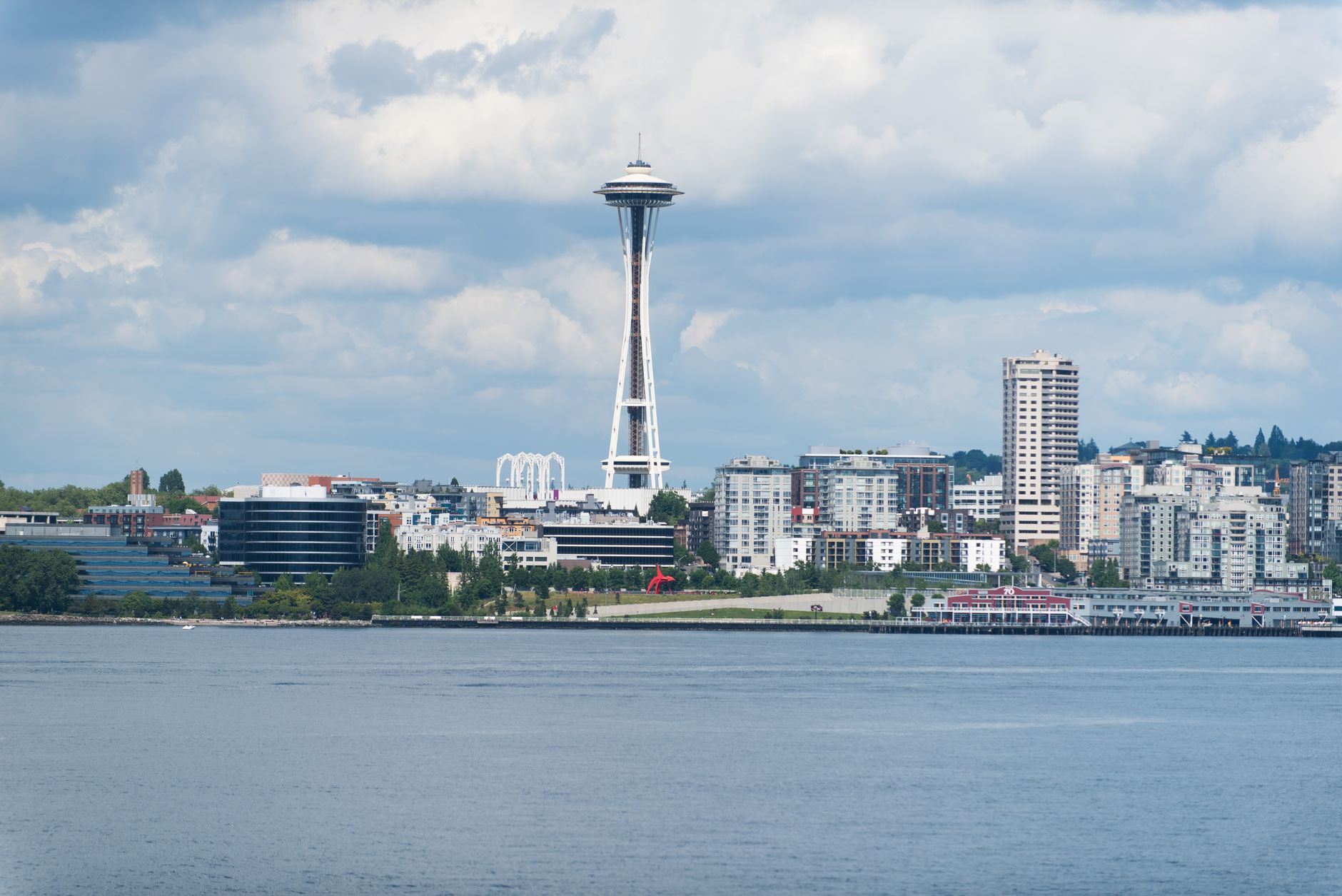 Photo: dumitru B / Pexels
- Attractions
- 6
- Audio
- 15 h
- Trip length
- 4-5 days
- Best season
- Summer (July-August)
Why Seattle
Built from cited sources · see the method · How we make our guides →
Seattle wears its contradictions without apology. The same streets once walked by lumber barons and Boeing engineers now carry the echo of 1962 World's Fair optimism in the Space Needle's saucer and the raw industrial memory of Gas Works Park. Kerry Park gives you the postcard shot across Elliott Bay. The Fremont Troll under the bridge offers something closer to the city's actual sense of humor.
Pike Place Market has operated since 1907, refusing to become a museum piece despite the crowds. One block away the waterfront has been ripped open and re-stitched with the Overlook Walk, a deliberate attempt to reconnect the city to its original reason for existing. The light here changes by the hour. Pay attention or you'll miss the moment the glass towers turn copper at dusk.
This is a city that invented modern espresso culture and still argues about the correct way to pour it. It built an iconic tower for a world's fair then spent decades pretending it wasn't that impressed with itself. Come for the monuments. Stay for the way the place refuses to act like one.
The Mountains Are Always There
On clear days Mount Rainier floats 14,410 feet high above the skyline like a mirage. Kerry Park on Queen Anne gives you the classic postcard view across Elliott Bay, but Gas Works Park on Lake Union lets you sit inside the city’s industrial bones while the same mountain watches.Pike Place at First Light
Arrive before the tourists at 7 a.m. and the market smells only of wet stone, coffee, and salmon. Fishmongers still shout and throw 30-pound kings exactly as they have since 1907, but the real show is the quiet rhythm of the farmers setting out the first radishes of the season.Glass and Concrete Poetry
Dale Chihuly’s massive glass house at Seattle Center glows like a greenhouse for impossible flowers. Two blocks away stands the 1962 Space Needle, still the city’s clearest architectural joke: a flying saucer on a stick that somehow became permanent.Water Defines Everything
The city floats between Puget Sound and Lake Washington. Take the Bainbridge ferry at dusk and watch the skyline shrink to toy buildings while the Olympic Mountains turn pink behind you. Nothing else resets your sense of scale quite so cleanly.
Places to Visit
Not every monument, just the ones we'd walk you past ourselves.
-
Space Needle Conceived on a napkin in 1959 and built for the 1962 World’s Fair, Seattle’s 605-foot icon features a rotating glass floor and sweeping Pacific Northwest views.
-
Museum of Pop Culture The Museum of Pop Culture (MoPOP) in Seattle stands as a vibrant tribute to the dynamic and transformative power of popular culture, blending music, science…

-
T-Mobile Park Seattle's T-Mobile Park stands as an iconic landmark that seamlessly blends rich baseball history, architectural innovation, and vibrant cultural significance.

-
Seattle Art Museum Nestled in the vibrant heart of Seattle, the Seattle Art Museum (SAM) stands as a beacon of cultural richness and artistic diversity that invites visitors…

-
Pike Place Market Nestled in the heart of downtown Seattle, Pike Place Market stands as a vibrant emblem of the city's rich history, cultural diversity, and community spirit.

-
Burke Museum of Natural History and Culture Nestled on the University of Washington campus in Seattle, the Burke Museum of Natural History and Culture stands as Washington State's oldest public museum…

-
Pioneer Square Seattle's original 'Skid Road' — logs skidded to Yesler's mill named every derelict district in America. Sidewalk glass prisms still light the buried city.

- Amazon Tower I Amazon Tower I, prominently known by its codename “Doppler,” stands as a landmark in Seattle’s Denny Triangle neighborhood and serves as the architectural and…
- Gas Works Park Nestled on the northern shore of Seattle’s picturesque Lake Union, Gas Works Park stands as a remarkable example of urban renewal and environmental innovation.
Neighborhoods
Where to wander, by quarter — each with its own rhythm.
Pike Place Market
The city's beating heart since 1907. Fishmongers still throw salmon, farmers sell the first spring morels, and independent shops cling to their narrow stalls against every redevelopment threat. The new MarketFront and Overlook Walk finally stitch it properly to the waterfront below. Come early. The light on the flower buckets at 8 a.m. is worth the alarm clock.Seattle Center
The 74-acre leftover from the 1962 World's Fair that somehow still works. The Space Needle rises 605 feet above it all, offering views that routinely shut people up. Chihuly Garden and Glass sits at its base like a jeweled counterpoint. The Armory, once a military drill hall, now feeds crowds. This is where the city stages its ambitions and its nostalgia in the same afternoon.Pioneer Square
Red brick and Victorian swagger from the city's original downtown. The Underground Tour reveals the street level that got buried after the 1889 fire. Smith Tower, completed in 1914, still lords over the neighborhood with its 35th-floor observatory. At night the bars lean into a rougher, more interesting edge than the guidebooks admit.Queen Anne
Steep hills and better manners. Kerry Park delivers the money shot of the skyline with Elliott Bay and, on clear days, Rainier. The neighborhood wraps around Seattle Center with Victorian houses that survived every boom and bust. The light hits the water from up here in ways the flats never manage.Fremont
The self-proclaimed Center of the Universe that never quite grew up. The Fremont Troll clutches a real Volkswagen under the Aurora Bridge. Gas Works Park across the ship canal offers one of the best skyline views in the city from its peculiar industrial knoll. Public art here tends toward the weird. Exactly as intended.Capitol Hill
Where the city goes to argue, drink, and reinvent itself after midnight. Dense, opinionated, and still the center of queer life in the Pacific Northwest. Broadway and Pike/Pine carry most of the bar action. The architecture swings from Victorian mansions to mid-century apartments without missing a beat.Waterfront
Completely remade in the last decade. The elevated Alaskan Way Viaduct is gone, replaced by an awkward but improving connection between downtown and Elliott Bay. The Seattle Aquarium still anchors Pier 59. Ferries glide past on their way to Bainbridge and Bremerton. The smell of creosote and kelp never quite leaves.Discovery Park
534 acres of former military base in Magnolia that feels like it belongs to another city entirely. Forest trails drop suddenly to bluffs above Puget Sound. The views west toward the Olympics can stop you mid-stride. This is where Seattle remembers it sits inside a much larger landscape.
Plan your trip
Before you go
- Getting There
- Seattle–Tacoma International Airport (SEA) sits 14 miles south. Sound Transit Link light rail reaches Westlake Station in 38 minutes for $3.25. Paine Field (PAE) in Everett serves regional flights with Community Transit connections. King Street Station handles Amtrak Cascades and Coast Starlight trains. Interstate 5 slices straight through the city north-south.
- Getting Around
- Link Light Rail’s 1 and 2 Lines form the spine. King County Metro runs the buses, while the Seattle Streetcar operates the South Lake Union and First Hill lines. The Seattle Center Monorail shuttles between Westlake and the Needle in 90 seconds. An adult ORCA card costs $3 in 2026; the regional day pass runs $6 for unlimited rides on most services except Washington State Ferries.
- Climate & Best Time
- Summer highs reach 25 °C in July and August with only 10–15 mm of rain. Winters hover between 3–9 °C and deliver 120 mm monthly. November is the wettest, July the driest. June through early September offers the best odds of seeing both the city and the mountains at once. Shoulder months of May and October bring fewer crowds and softer light.
- Safety
- Lock your car doors even for quick stops. Avoid unfamiliar areas after midnight, especially around Pioneer Square and Occidental Park once bars close. The city publishes a 7-day crime heatmap; check it. Aggressive panhandling is common downtown but you are not obligated to engage.
03 Top tickets in Seattle.
Book ahead
Curated from places in this city. Same price as official sites.

Space Needle
Space Needle and Chihuly Garden and Glass Combination Ticket
★4.6
from €69.70

Woodland Park Zoo
Woodland Park Zoo: Skip The Line Ticket
★4.6
from €27.96

Gas Works Park
Seattle's Electric City Bike Tour
★4.8
from €107.93

National Nordic Museum
National Nordic Museum: Entry Ticket
★5.0
from €17.38

Gas Works Park
Seattle Private Lake Union Cruise
★5.0
from €366.95

Pacific Science Center
Pacific Science Center: Entry Ticket
★5.0
from €24.72
Prices shown are indicative — final pricing and availability are confirmed at checkout. Audiala may receive a commission from bookings made via these links.
Fire, Gold, and Silicon: How Seattle Remade Itself
From Duwamish longhouses to Amazon towers in 170 years
- c. 10,000 BCE
First People on the Sound
Archaeological traces show humans living along these shores for ten millennia. The Duwamish and Suquamish moved with the salmon runs, built cedar longhouses, and traded up and down the rivers. Their presence is still felt in place names that predate every street we walk today.
- 1792
Vancouver Maps the Inlet
British Captain George Vancouver sailed into the sheltered bay in May and named it for his lieutenant Peter Puget. The charts he made opened the door to American and British settlers. The Indigenous nations who had lived here for centuries suddenly appeared on European maps.
- 1851
Denny Party Lands at Alki
Twenty-two settlers stepped ashore on a rainy November day at Alki Point. They called it New York–Alki, meaning “New York, by and by.” The name proved optimistic. Within a year most had moved across Elliott Bay to the deeper harbor that would become downtown Seattle.
- 1853
Yesler Builds the First Sawmill
Henry Yesler opened a steam-powered sawmill on the waterfront. The whine of its blade became the city’s first industrial soundtrack. Logs from the surrounding forests floated down the rivers and were cut into lumber bound for San Francisco. Seattle had found its first commodity.
- 1856
Battle of Seattle
On a January morning settlers huddled inside a blockhouse as Native warriors attacked from the forest. A U.S. Navy sloop offshore fired its cannons in support. The battle lasted one day. It marked the violent end of the old order and the uneasy birth of the new.
- 1869
Seattle Incorporates
The territorial legislature granted a city charter on December 2. The first council met in a wooden building near the water and promptly passed ordinances against loose horses and public drunkenness. A town of fewer than a thousand souls now existed on paper.
Show the full timeline (23 moments)
- 1889
The Great Fire
A glue pot boiled over in a basement carpenter shop on June 6. Within hours flames consumed twenty-five city blocks. The smell of burnt pine lingered for weeks. When the smoke cleared, brick and stone replaced wood. The city used the disaster to widen streets and raise its downtown out of the tide flats.
- 1897
Klondike Gold Rush Begins
The steamer Portland docked with a ton of Yukon gold on its deck. Within weeks thousands of stampeders poured through Seattle. Outfitters, saloons, and brothels boomed. The city that had nearly burned to the ground became the supply capital of the north. Its population doubled in two years.
- 1909
Alaska-Yukon-Pacific Exposition
Fairgoers strolled newly landscaped grounds on the future University of Washington campus. The exposition celebrated the Pacific connection Seattle had fought to create. Electric lights glowed along boulevards that had been forest only twenty years earlier. The city announced it had arrived.
- 1914
Smith Tower Opens
At 42 stories the L.C. Smith Building became the tallest structure west of the Mississippi. Its Indian-head cornice looked down on a city still scented with sawdust. Elevators carried visitors to an observation deck where they could watch cargo ships crawling across Elliott Bay like slow metallic beetles.
- 1917
Lake Washington Ship Canal Completed
On July 4 engineers opened the Ballard Locks. Fresh water from Lake Washington rushed into salmon streams that had been blocked for millennia. The city literally lowered its largest lake by nine feet. Houseboats that once floated on tidewater now sat permanently on new shorelines.
- 1919
Seattle General Strike
On February 6 sixty thousand workers walked off their jobs in solidarity with shipyard laborers. Streetcars stopped. Lights went out. For five days the city ran on volunteer committees. The strike ended without violence but left a permanent mark on the city’s political memory.
- 1942
Japanese Americans Interned
Executive Order 9066 emptied Seattle’s Nihonmachi. Families carried single suitcases to the train station at 4th and Jackson while neighbors watched from sidewalks. The emptied storefronts stayed dark for years. The moral cost still echoes through the city’s conscience.
- 1942
Jimi Hendrix Born
Johnny Hendrix entered the world at Harborview Hospital on November 27. The boy who would become Jimi learned his first chords on a battered acoustic in Seattle’s Central District. He left for the Army, then London, but the rain-soaked city never quite left his music.
- 1955
Bill Gates Born
William Henry Gates III arrived on October 28 at Swedish Hospital. The future Microsoft founder grew up in a house on 28th Avenue East where his parents encouraged obsessive curiosity. That house still stands, an ordinary brick box that once contained the spark of one of the largest fortunes ever made.
- 1962
Century 21 World’s Fair
The Space Needle rose 605 feet in just twelve months. Nearly ten million visitors rode the new monorail and marveled at the futuristic pavilions. Seattle used the fair to shed its reputation as a sleepy lumber town. The Needle remains on every postcard, a concrete exclamation point above the city.
- 1964
Bruce Lee Opens His School
Bruce Lee rented a basement on University Way and taught a handful of students his jeet kune do style. The little academy above a laundromat launched a global phenomenon. Lee’s speed and philosophy still influence martial artists who train in Seattle parks at dawn.
- 1970
Boeing Bust Hits
Boeing slashed 80,000 jobs in two years. A billboard near the airport asked, “Will the last person leaving Seattle please turn out the lights?” Empty houses filled with ferns. The city learned it could not depend on one company. The scar tissue from that recession still shapes its economic caution.
- 1975
Microsoft Founded
Bill Gates and Paul Allen registered their new company in a tiny Albuquerque office but quickly brought it home to Bellevue. The first product was a BASIC interpreter for the Altair 8800. From a suburban strip-mall office they began rewriting the world’s relationship with computers.
- 1982
Kurt Cobain Moves to Aberdeen
The fifteen-year-old from Hoquiam landed in the dying logging town forty miles west. Three years later he would form Nirvana in a Aberdeen garage. Seattle’s music scene eventually pulled him east, but the rain and isolation of the Olympic Peninsula never left his songs.
- 1991
Nevermind Changes Everything
Nirvana’s second album detonated in September. Within months flannel shirts appeared on runways in Milan. Sub Pop bands that had played to fifty people at the Central Saloon suddenly filled stadiums. Grunge turned Seattle from provincial curiosity into reluctant cultural capital.
- 1994
Amazon Founded in Bellevue
Jeff Bezos drove west with a business plan written on a napkin. He started selling books out of a converted garage on a suburban street. Within twenty-five years the company’s campus would swallow entire city blocks in South Lake Union and reshape downtown Seattle more thoroughly than the Great Fire ever did.
- 2001
Nisqually Earthquake
On February 28 a magnitude 6.8 quake struck fifty miles south. Chimneys toppled across the city. The old brick buildings in Pioneer Square swayed but held. Damage reached twenty million dollars. The event reminded a tech-obsessed city that its greatest threats still come from the ground beneath it.
Who lived here
-
Guitarist · 1942–1970
Jimi Hendrix
Born here
Jimi grew up in the Central District listening to blues records on rainy afternoons. He left at 18 and never really moved back, yet Seattle still claims the boy who taught the world to set his guitar on fire. Walk past the modest house on 26th Avenue and imagine a left-handed kid flipping it upside-down in a tiny bedroom.
-
Mayor · 1868–1943
Bertha Knight Landes
Lived here, elected 1926
In 1926 Seattle made her the first woman to run a major American city. She declared war on bootleggers and crooked cops with the calm authority of a former university professor. Locals still debate whether the city behaved better while she watched, but the fact she won at all says something about this place.
-
Musician · 1967–1994
Kurt Cobain
Lived and died here
He fled Aberdeen for Olympia then landed in a cheap apartment above a Capitol Hill bar. The rain, the moss, the feeling that the whole country had forgotten the Pacific Northwest suited his music perfectly. Twenty years after his death you can still hear the opening chords of “Smells Like Teen Spirit” leaking from dorm windows near the University Bridge.
Where to Eat
Where locals actually book dinner — not the tourist menus.
Insider tips
Small things that change how the city treats you.
Pack for rain
Seattle sees rain 150 days a year yet rarely pours hard. A light waterproof shell beats an umbrella on the crowded Market stairs and monorail.Order like a local
At Pike Place Chowder ask for the clam chowder in a bread bowl. At Espresso Vivace request a doppio macchiato. Both counters move fast; know your order before you reach the front.Skip the car
Light rail from Sea-Tac reaches downtown in 38 minutes for $3. Orca cards work on buses, ferries and the monorail. Parking downtown costs more than most meals.Check the service fee
Many Capitol Hill restaurants now add a 15-18% house fee instead of expecting tips. Read the menu card before you sit so you don’t double-pay.Catch the light
Kerry Park’s skyline view faces west. Golden hour lasts longer in summer but the clearest shots often come at 4 pm in winter when the mountains stand sharp against a cold blue sky.Mind the volume
Locals speak quietly in restaurants and bars. Loud conversation draws stares faster than any dress code violation.
Gallery
The city, as it actually looks.


Frequently asked
Is Seattle worth visiting?
Yes, if you like mixing iconic sights with lived-in neighborhoods. The city rewards slow mornings at Pike Place, ferry rides across Elliott Bay, and evenings in Capitol Hill bars more than any single landmark. Three days will show you the bones; five days let you feel the rhythm.
How many days do you need in Seattle?
Four days works for most visitors. One for Seattle Center and Queen Anne viewpoints, one for Pike Place and the waterfront, one for Pioneer Square and Capitol Hill, and one to wander Fremont or take a ferry. Add days if you want to reach the mountains.
Is Seattle safe for tourists?
The main tourist areas around Pike Place, Seattle Center and the waterfront see standard big-city pickpocketing but little violent crime aimed at visitors. Avoid Third Avenue north of Pike after dark and keep belongings zipped on the light rail.
When is the best time to visit Seattle?
July and August bring the only reliable sunshine and long evenings perfect for rooftop bars. May and September offer fewer crowds and lower hotel rates while still giving decent odds of dry days. Winter rain is real but rarely ruins a trip if you dress for it.
How expensive is Seattle?
Expect mid-tier US prices. A good meal runs $28–45, craft beer $8–11, and downtown parking $25–40 per day. The light rail and most museums stay reasonable. Budget travelers can eat well at Pike Place vendors and hole-in-the-wall spots like Saigon Deli.
Should I rent a car in Seattle?
Not unless you plan day trips to the Olympic Peninsula or Mount Rainier. Traffic is heavy, parking expensive, and the transit network reaches nearly every neighborhood visitors want. Ferries are easier without a vehicle.
All Places to Visit.
207 places to discover

Place
Space Needle
Place
Museum of Pop Culture
Place
T-Mobile Park
Place
Seattle Art Museum
Place
Gas Works Park
Place
Pike Place Market
Place
Burke Museum of Natural History and Culture

Place
Pioneer Square

Place
Henry Art Gallery

Place
University of Washington
Place
Wing Luke Museum of the Asian Pacific American Experience
Place
Smith Tower
Place
Olympic Sculpture Park

Place
Seattle Asian Art Museum
Place
Lake View Cemetery

Place
Frye Art Museum

Place
Living Computers: Museum + Labs

Place
Paramount Theatre

Place
Sylvan Grove Theater and Columns
Place
Museum of History & Industry
Place
Pioneer Square Totem Pole
Place
Fallen Firefighters Memorial
Place
Memorial Stadium
Place
5Th Avenue Theatre

Place
1201 Third Avenue
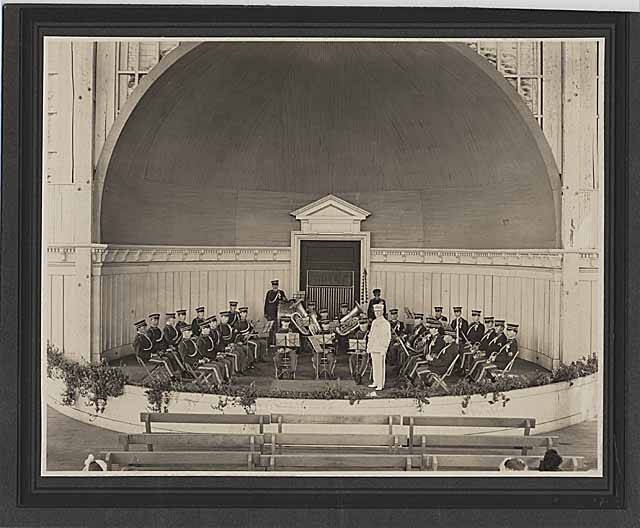
Place
Volunteer Park
Place
Amazon Spheres
Place
Prefontaine Fountain

Place
Rainier Tower
Place
Myrtle Edwards Park

Place
Occidental Park

Place
Moore Theatre
Place
Safeco Plaza

Place
Woodland Park Zoo

Place
St. Mark'S Episcopal Cathedral
Place
Union Square

Place
Discovery Park
Place
Urban Garden

Place
Cal Anderson Park

Place
Westlake Park

Place
Volunteer Park Conservatory

Place
National Nordic Museum

Place
Chris Cornell Memorial Statue
Place
Docusign Tower
Place
Magnuson Park

Place
1600 Seventh Avenue
Place
1000 Second Avenue
Showing 1–48 of 207 places
Pick up where you left off
Saved and recently read places — kept on this device only.
Photo credits (1)
- dumitru B — Pexels License (https://www.pexels.com/license/) — Source: https://www.pexels.com/photo/28933961/
Photos may have been resized or cropped.