Introduction
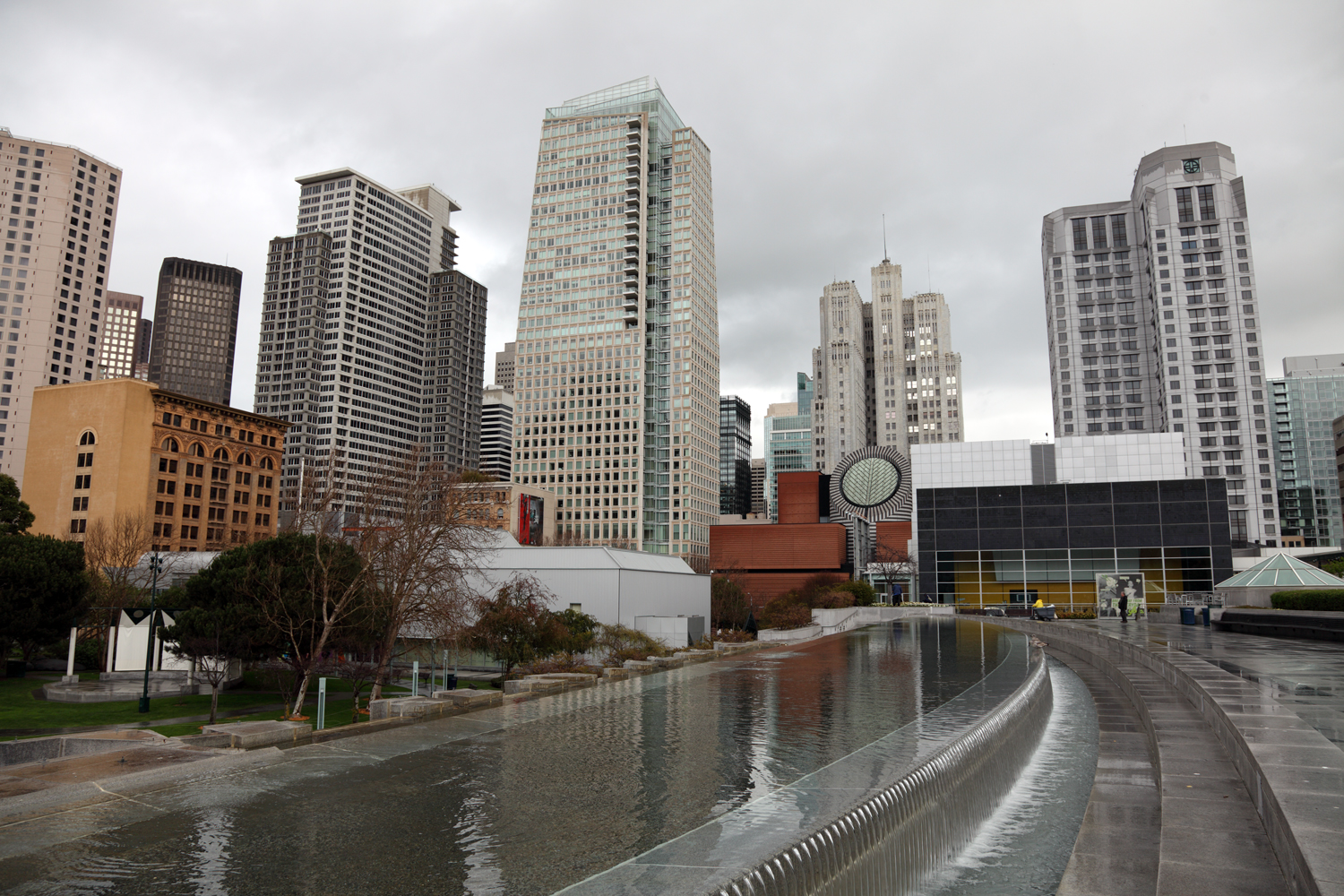
Union Square Park is the vibrant heart of downtown San Francisco—a historic urban oasis where past and present converge. Officially established as a public park in 1850, Union Square has transitioned from a Gold Rush-era campground to a world-renowned destination for shopping, dining, culture, and civic life. Drawing nearly 10 million annual visitors, it is famed for its iconic Dewey Monument, luxury retail, arts programming, and easy access to public transit. Whether you’re seeking historical landmarks, exclusive shopping, or year-round events, this guide offers everything you need to plan a memorable visit to Union Square San Francisco (SF.gov; Travellens.co; More Than Route 66).
Early Origins and Civil War Era
Union Square originated in 1847 as a sand dune called St. Anne’s Valley, designated as a public plaza by Jasper O’Farrell. In 1850, Colonel John Geary deeded the land to the city for perpetual public use, a commitment later reinforced by the Van Ness Ordinance of 1855. The square’s pivotal role during the American Civil War, serving as the site for pro-Union rallies, gave it its enduring name and status as a symbol of unity and civic engagement (Crawlsf.com).
Monumental Growth and Architectural Significance
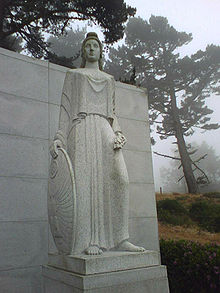
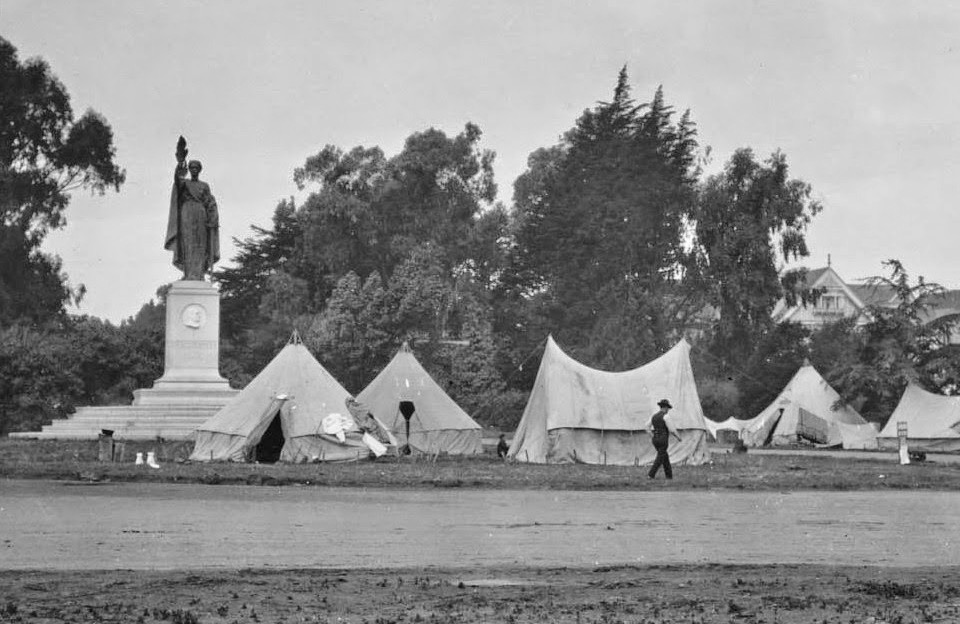
The Dewey Monument, erected in 1903, commemorates Admiral George Dewey’s victory at Manila Bay and honors President William McKinley. Modeled after Alma de Bretteville Spreckels, the monument anchors the square as both a civic and artistic focal point. After the 1906 earthquake, Union Square quickly revitalized, evolving into a fashionable retail and event district.
20th and 21st Century Evolution
Union Square became the site of the world’s first underground parking garage in the 1930s, a convenience that endures today. The district flourished as a premier retail and social hub post-World War II, but also faced challenges such as homelessness and infrastructure decline in the late 20th century. Extensive revitalization, including a $25 million renovation completed in 2002 and modern programming initiatives, have kept Union Square dynamic and relevant (SF.gov).
Cultural and Economic Significance
Union Square stands as San Francisco’s commercial and social epicenter. With over 4.8 million square feet of retail space and flagship stores like Macy’s, Saks Fifth Avenue, and Neiman Marcus, it is a global shopping destination (Citybop.com). The area boasts a vibrant hospitality sector, with top hotels and proximity to the city’s theater district, including venues such as the Geary Theater and San Francisco Playhouse (SanFranciscoBay.com). Union Square’s cultural programming, art galleries, and live performances further establish it as a creative and inclusive civic hub.
Architectural and Artistic Landmarks
Union Square’s 2.6-acre park is defined by palm trees, open plazas, and public art, most notably the “Hearts of San Francisco” sculptures—colorful public artworks that celebrate local creativity (Crawlsf.com). Surrounding architectural highlights include the historic Sir Francis Drake Hotel and the Flood Building, while rotating seasonal installations and light displays keep the landscape visually engaging (Travellens.co).
Visiting Union Square: Hours, Tickets, and Accessibility
- Visiting Hours: Open daily from 6:00 AM to 11:00 PM.
- Admission: Free entry to the park and plaza; some special events, performances, or guided tours may require separate tickets (SF Travel).
- Accessibility: The park and surrounding businesses feature ADA-compliant walkways, ramps, and restrooms (More Than Route 66).
Getting There: Transportation and Parking
Union Square is centrally located and a major public transit hub:
- Public Transit: Served by multiple Muni lines, Powell Street BART, and the Powell-Hyde and Powell-Mason cable car lines. The iconic cable car turnaround at Powell & Market is a visitor favorite (Citybop.com).
- Parking: Underground Union Square Garage and nearby Sutter-Stockton Garage offer convenient options, but public transport is recommended due to limited and costly parking (Crawlsf.com).
- Rideshare: Uber, Lyft, and Waymo self-driving vehicles serve the area.
Events and Programming
Union Square hosts over 200 free annual events, including:
- Seasonal Festivals: Christmas tree lighting, Tulip Day, Winter Wander-land, and ice skating rink.
- Weekly Activities: Live music, art installations, chess lessons, and multicultural performances.
- Special Events: The opening of the Nintendo Store in 2025, outdoor concerts, and citywide celebrations (SFTravel.com).
A major revitalization effort, the HEART Action Plan, funds daily programming and creative activations to ensure a lively, inclusive atmosphere (SF.gov).
Safety and Practical Visitor Tips
Union Square is generally safe, with visible police and private security, especially during events (roambliss.com). Standard urban precautions are advised:
- Keep belongings secure and avoid displaying valuables.
- Use well-lit, populated streets at night.
- For emergencies, dial 911; for city services, dial 311.
- Dress in layers due to San Francisco’s variable weather (Gateway Travel).
Nearby Attractions
Union Square is a gateway to:
- Chinatown: Historic streets and vibrant markets.
- Theater District: Renowned venues for live performances.
- SFMOMA and Yerba Buena Gardens: Art and green space within walking distance.
- Ferry Building Marketplace, Financial District, and Fisherman’s Wharf: All easily reached by public transit (SF Travel).
Frequently Asked Questions (FAQs)
Q: What are Union Square’s visiting hours?
A: 6:00 AM to 11:00 PM daily.
Q: Is there an entry fee or ticket required?
A: No; the park is free. Some special events and guided tours may require tickets.
Q: Is Union Square accessible for visitors with disabilities?
A: Yes, the park and most businesses are ADA-compliant.
Q: What is the best way to get to Union Square?
A: Public transit (BART, Muni, cable cars) is recommended.
Q: Are there guided tours?
A: Yes, various companies offer historical and sightseeing walking tours.
Q: Is Union Square safe at night?
A: Generally safe, but exercise standard urban caution after dark.
Final Notes
Union Square Park remains San Francisco’s crossroads of tradition and modernity—a gathering place where history, commerce, and community thrive. Its accessibility, robust programming, and welcoming spirit guarantee an engaging experience for every visitor. For real-time updates, download the Audiala app, and follow official city tourism channels for exclusive offers and travel tips.
Listen to the full story in the app
Your Personal Curator, in Your Pocket.
Audio guides for 1,100+ cities across 96 countries. History, stories, and local insight — offline ready.
Audiala App
Available on iOS & Android
Join 50k+ Curators
Sources
- verified
- verified
- verified
- verified
- verified
- verified
- verified
Last reviewed: