Introduction to UCSF Library: History and Significance
The University of California, San Francisco (UCSF) Library stands as a leading institution at the crossroads of health sciences research, medical history, and cultural enrichment. Situated at 530 Parnassus Avenue in San Francisco, the UCSF Library supports the university’s academic, research, and clinical communities, while also welcoming public visitors interested in the evolution of medicine and health sciences. Its origins trace back to the 1930s, with formal archives established in 1963, preserving a rich legacy of rare books, manuscripts, and digital collections that chronicle the university’s impact on medical education and research (UCSF Library; UCSF Archives).
The library’s main branch, Kalmanovitz Library, is complemented by affiliated facilities across the Bay Area and is renowned for its art collections, public events, and engagement in the health humanities. This guide offers essential information for visiting the UCSF Library, including hours, access, appointment requirements for archives, and tips for an enriching experience. For the latest updates and event schedules, consult the official UCSF Library website.
Welcome to the UCSF Library: Your Gateway to Health Sciences Research and History
As one of the world’s foremost health sciences libraries, the UCSF Library is a vital resource for researchers, students, and visitors. Its collections and cultural programming make it an essential destination for anyone interested in the history and future of medicine. This guide highlights the library’s historical significance and provides practical information for planning your visit.
Origins and Early Development
The UCSF Library’s history is deeply tied to UCSF’s own evolution, beginning as Toland Medical College in 1864 before joining the University of California system in 1873. The earliest library collections began in the 1930s, preceding the establishment of institutional archives in 1963 by UC President Clark Kerr. The archives have since preserved the records and realia associated with the Schools of Medicine, Nursing, Pharmacy, Dentistry, and the UCSF Medical Center, supporting research and institutional memory (UCSF Archives).
Growth and Expansion
Kalmanovitz Library at the Parnassus campus serves as the main branch and anchor for the library system. In response to UCSF’s growth, the library expanded to secondary locations at the Mission Bay campus and affiliated sites, including Zuckerberg San Francisco General Hospital and the San Francisco VA Medical Center (Wikipedia). Its physical and digital collections support UCSF’s top-ranked research programs and document the evolution of the health sciences (UCSF Medicine Research).
Archives and Special Collections
The UCSF Archives and Special Collections are central to the library’s mission, offering a wealth of resources for research and teaching. Notable holdings include:
- Early medical school bulletins from the late 19th and early 20th centuries.
- Rare books and pamphlets documenting the development of pharmacy, dentistry, nursing, and medicine (UCSF History Project).
- Manuscripts from prominent faculty and alumni, such as Albert H. Rowe and Nancy Rockafellar.
- Records from the George Williams Hooper Foundation and Department of Epidemiology.
These collections are accessible by appointment to ensure careful preservation (UCSF Archives).
Visiting the UCSF Library: Hours, Access, and Tips
Main Library Hours:
- Kalmanovitz Library (Parnassus Campus): Monday–Friday, 8 a.m.–6 p.m.
Archives and Special Collections:
- Reading Room: By appointment only, Monday–Friday, 9 a.m.–12 p.m. and 1 p.m.–4 p.m.
Admission:
- Free entry for all visitors; no tickets required.
- Archives and special collections require advance appointments (UCSF Archives).
Accessibility:
- ADA accessible; contact staff in advance for specific accommodations.
Location and Transit:
- 530 Parnassus Ave, San Francisco, CA.
- Accessible via Muni and nearby parking options.
Guided Tours and Events:
- Occasional guided tours, workshops, and exhibitions.
- Check the UCSF Library Events Page for current offerings.
Nearby Attractions:
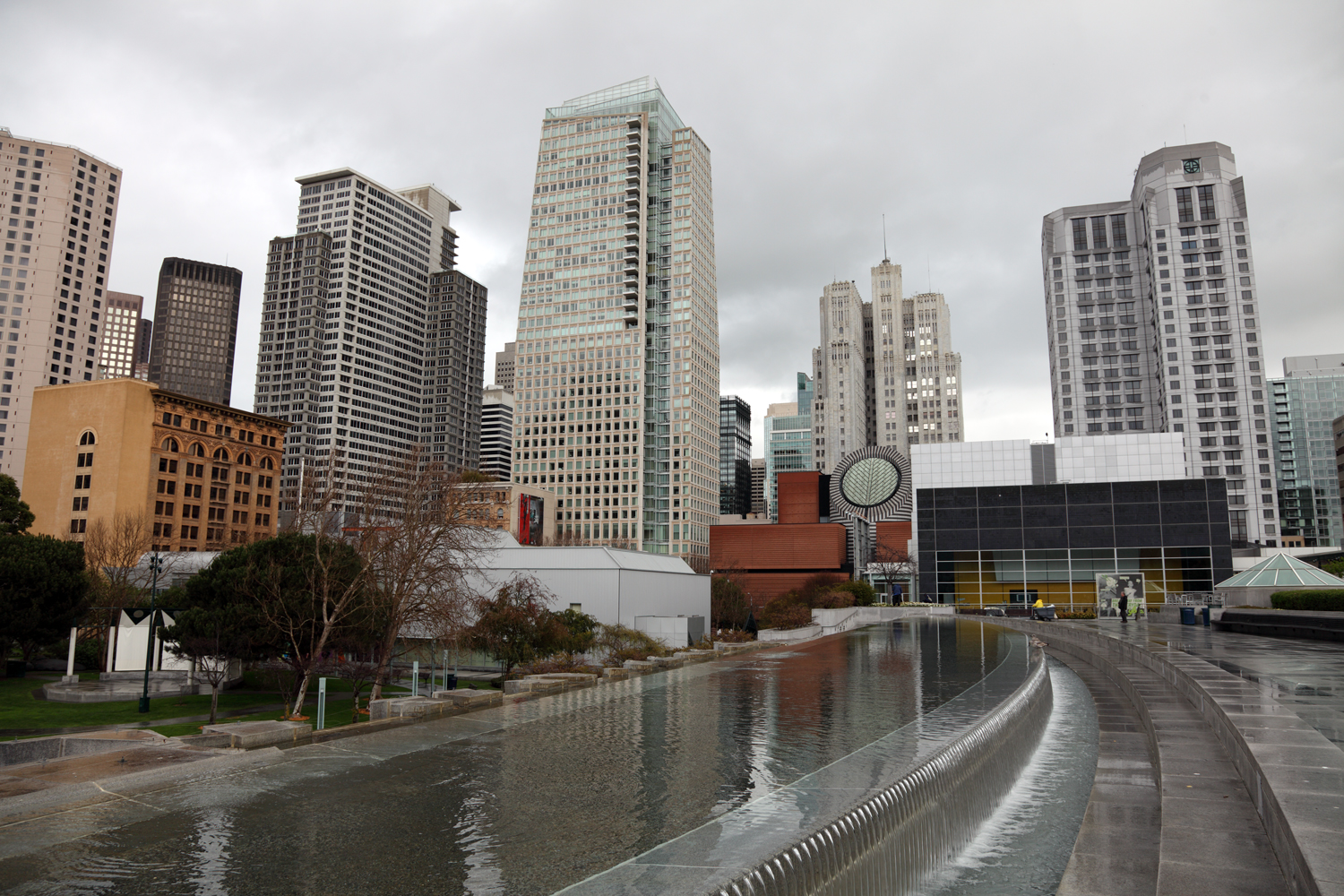
- UCSF Medical Center, Golden Gate Park, and the San Francisco Museum of Modern Art.
Art, Culture, and Community Engagement
The Kalmanovitz Library features an impressive art collection with works by Hiroshige, Georges Mathieu, Helaman Ferguson, and others (Wikipedia). The library hosts digital health humanities workshops, public lectures, and events celebrating diversity and inclusion (UCSF Archives News). Its archives highlight the experiences of underrepresented communities in health sciences.
Preservation and Access
Preservation is central to the UCSF Library’s mission. The archives safeguard rare and unique materials, making them available for research while ensuring long-term preservation. Tools like UC Library Search and the Online Archive of California aid discovery, with library staff available to assist researchers (UCSF Archives).
Role in Research and Education
With over $300 million in annual research funding, UCSF depends on the library for robust support of interdisciplinary research and education (UCSF Medicine Research). Specialized databases, research consultations, and training workshops are available to students, clinicians, and faculty (UCSF Library Strategic Plan).
Institutional Significance and Impact
The UCSF Library is a dynamic institution advancing UCSF’s mission of health improvement worldwide. Its 2022–2026 strategic plan positions the library as a catalyst for discovery and innovation (UCSF Library Strategic Plan). The Program for Historical Reconciliation (PHR), established in 2021, investigates research ethics and fosters transparency and dialogue (UCSF PHR).
Frequently Asked Questions (FAQ)
Q: What are the UCSF Library visiting hours?
A: Kalmanovitz Library is open Monday–Friday, 8 a.m.–6 p.m. Archives are accessible by appointment, Monday–Friday, 9 a.m.–12 p.m. and 1 p.m.–4 p.m.
Q: Do I need tickets or an appointment to visit?
A: Entry is free; appointments are required for archives and special collections.
Q: Is the library accessible for people with disabilities?
A: Yes, facilities are ADA accessible; contact staff for accommodations.
Q: Are guided tours available?
A: Yes, periodically. Check the UCSF Library Events page.
Q: Can I take photographs?
A: Photography is generally allowed in public areas; permissions are required for archives.
Q: How do I schedule an appointment for archives?
A: Contact the archives via the UCSF Archives website.
Discover More
Experience the intersection of health sciences, art, and culture at the UCSF Library. Explore rare collections, attend exhibitions, and join in community events. Stay informed by visiting library.ucsf.edu and downloading the Audiala app for digital access and guided tours.
Introduction
Golden Gate Park is San Francisco’s premier green space, spanning over 1,000 acres of gardens, museums, monuments, and recreational areas. Designed in the 1870s to rival New York’s Central Park, it is a testament to the city’s dedication to accessible public spaces and cultural institutions.
History and Cultural Significance
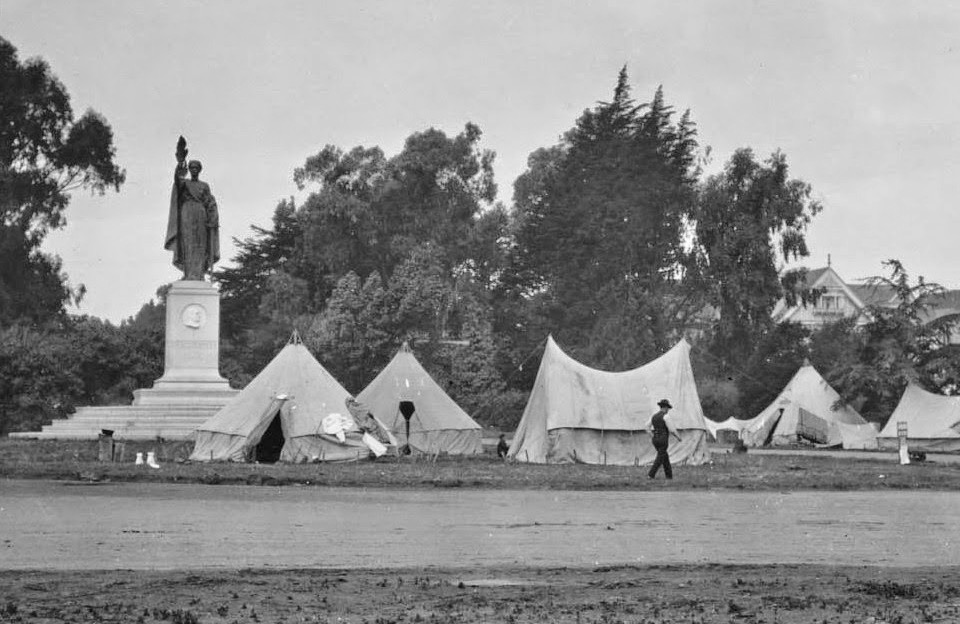
The park’s landscape was influenced by Frederick Law Olmsted and now features major institutions like the de Young Museum and the California Academy of Sciences. Its monuments and memorials reflect San Francisco’s heritage.
Visiting Hours and Ticket Information
- Park hours: Daily, 5 a.m.–midnight.
- de Young Museum: Tuesday–Sunday, 9:30 a.m.–5:15 p.m. (Tickets online or at entrance)
- California Academy of Sciences: Daily, 9:30 a.m.–5 p.m. (Advance tickets recommended)
- Conservatory of Flowers: Daily, 10 a.m.–4:30 p.m.
For details and reservations, visit the official Golden Gate Park website.
Accessibility and Getting There
Accessible by car, Muni buses (lines 5, 7, 28, 44), or bike. Limited parking is available, and the park features paved paths and accessible restrooms.
Must-See Attractions
- Stow Lake: Paddleboats and serene views.
- Japanese Tea Garden: Traditional landscaping and tea ceremonies.
- Shakespeare Garden: Inspired by the Bard’s works.
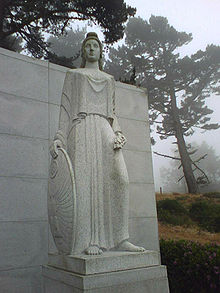
- Monuments: Francis Scott Key statue and AIDS Memorial Grove.
Special Events and Tours
The park hosts festivals and guided tours throughout the year, including Outside Lands and the Cherry Blossom Festival.
Photography Tips
Best shots at sunrise by the Conservatory of Flowers or sunset at Ocean Beach. Strawberry Hill offers panoramic city views.
Frequently Asked Questions (FAQ)
Q: Is there an entrance fee?
A: No, the park itself is free; some attractions require paid admission.
Q: Are pets allowed?
A: Yes, with leash requirements.
Q: Can I bike in the park?
A: Yes, with designated bike paths and rentals available.
Q: Best months to visit?
A: Spring and fall for mild weather and scenery.
Q: Are tours available?
A: Yes, via the park and private companies.
Introduction
The Golden Gate Bridge, completed in 1937, is a marvel of engineering and a symbol of San Francisco. Designed by Joseph Strauss and Irving Morrow, its Art Deco style and International Orange color have made it a global landmark.
Visiting Hours and Ticketing
Bridge Access:
- Open 24/7 to pedestrians and cyclists.
- Welcome Center: 9:00 a.m.–6:00 p.m. (seasonal variations).
Fees:
- Pedestrian and bicycle access is free.
- Southbound vehicle tolls (paid electronically).
Getting There
- Public Transit: Golden Gate Transit and Muni buses.
- Parking: Limited at Welcome Center and Vista Points; alternative parking with shuttle options available.
Facilities and Amenities
- Welcome Center with exhibits and gift shop.
- South and North Vista Points for panoramic views.
Accessibility
- ADA-compliant pathways, restrooms, and parking.
- Service animals welcome.
Nearby Attractions
- Golden Gate Park, the Presidio, and Crissy Field.
Practical Tips
- Visit early or late for the best photos and fewer crowds.
- Dress in layers due to variable weather.
- Stay on marked walkways for safety.
Frequently Asked Questions (FAQ)
Q: Is there an entrance fee?
A: No, except for southbound vehicle tolls.
Q: Can I drive across the bridge?
A: Yes, with tolls for southbound drivers.
Q: Are tours available?
A: Yes, several companies offer guided tours.
Q: Is it accessible for people with disabilities?
A: Yes, fully ADA-compliant.
Q: Best spots for photos?
A: South/North Vista Points, Marin Headlands, Fort Point.
Visuals and Media
(Include high-quality images and virtual tour links.)
Related Articles
Summary: Key Information for Visiting UCSF Library and Nearby Attractions
The UCSF Library offers a unique opportunity to explore a premier health sciences resource that connects the past, present, and future of medicine. With free public access, rich archives, and ongoing cultural programming, it is an anchor of education, inclusivity, and innovation (UCSF Archives; UCSF Library Strategic Plan). Programs like the Program for Historical Reconciliation demonstrate the library’s commitment to ethical reflection and transparency (UCSF PHR).
Plan your visit by reviewing current hours, accessibility, and event schedules. Pair your library trip with nearby attractions for a comprehensive San Francisco experience. Stay connected via the official website, social media, and the Audiala app for digital tours and archival access.
Listen to the full story in the app
Your Personal Curator, in Your Pocket.
Audio guides for 1,100+ cities across 96 countries. History, stories, and local insight — offline ready.
Audiala App
Available on iOS & Android
Join 50k+ Curators
Sources
- verified
- verified
- verified
- verified
- verified
- verified
- verified
- verified
Last reviewed: