Origins and Naming
The Trocadero Transfer was established in December 1977 at 520 4th Street at Bryant, inspired by Paris’s Place du Trocadéro—a name associated with glamour and cosmopolitan style. The Parisian Trocadéro itself was named after the 1823 Battle of Trocadero, symbolizing elegance and sophistication, and inspiring San Francisco’s own legendary venue (Wikiwand; en-academic.com).
Founding and Early Years (1977–1981)
Founded by Dick Collier, the Trocadero Transfer transformed a former television studio into a dance club with a coveted after-hours license, won through advocacy before the San Francisco Board of Permit Appeals. Known for its late-night schedule, the club was open until 6 a.m. on Saturdays, attracting patrons after other clubs closed. After The Troc closed, many partygoers continued their night at The EndUp, a renowned after-hours destination (Wikiwand).
The Golden Age of Disco (Late 1970s–Early 1980s)
From 1978 to 1981, the Trocadero Transfer was at the heart of San Francisco's disco scene, often compared to New York’s Studio 54. The club’s innovative sound, curated by DJs like Bobby Viteritti and Patrick Cowley, drew crowds from across the country and set the stage for San Francisco’s distinct disco sound (Wikiwand).
Signature Events and Parties
Signature themed parties became a hallmark of The Troc, fostering creativity and community:
- White Party Annual event on Easter weekend.
- Black Party Held before Walpurgis Night and Halloween, noted for its edgy, leather-inspired themes.
- Red Party Celebrated the weekend before Valentine’s Day.
These events were forerunners to the circuit parties of the 1990s and were central to the club’s enduring legacy (Wikiwand).
Impact of the AIDS Epidemic (Mid–Late 1980s)
The AIDS crisis deeply affected San Francisco nightlife, including the Trocadero Transfer. Attendance declined, leading to a partial closure between 1987 and 1989. During this period, the venue primarily hosted special disco events rather than regular club nights (Wikiwand).
Evolution and Diversification (Late 1980s–1990s)
Adapting to cultural shifts, the Trocadero introduced new club nights, such as Crew Club (1989), one of San Francisco's first house music clubs, and hosted massive raves like Toontown Club and Temple Club. The venue also welcomed alternative events, including the gothic-industrial Death Guild and Bondage-a-Go-Go, expanding its influence beyond disco (Wikiwand).
Architectural Features and Atmosphere
The Trocadero Transfer was celebrated for its theatrical ambiance, marked by the Crystal Staircase and large birdcage dance cages. These unique features, alongside its dramatic lighting and sound design, created an unforgettable experience for visitors (Wikiwand).
Transition and Legacy (2000–Present)
After closing in 2000, the club was transformed into Glas Kat, hosting nostalgia events like Play Party and Remember the Party. In 2011, the venue was rebranded as The Grand, which continues to honor the Trocadero’s spirit with modern dance events and special celebrations (Wikiwand).
Visiting Hours, Tickets, and Location
Location: 520 4th Street, San Francisco, CA 94107
Current Venue: The Grand
- Visiting Hours Typically open for events Thursday through Sunday evenings. Exact hours vary—consult The Grand's official website for up-to-date schedules.
- Tickets Entry fees depend on the event; some nights are free, while others require advance tickets. Purchase online for best availability.
- Accessibility The Grand is wheelchair accessible with accommodations available upon request.
Travel Tips and Nearby Attractions
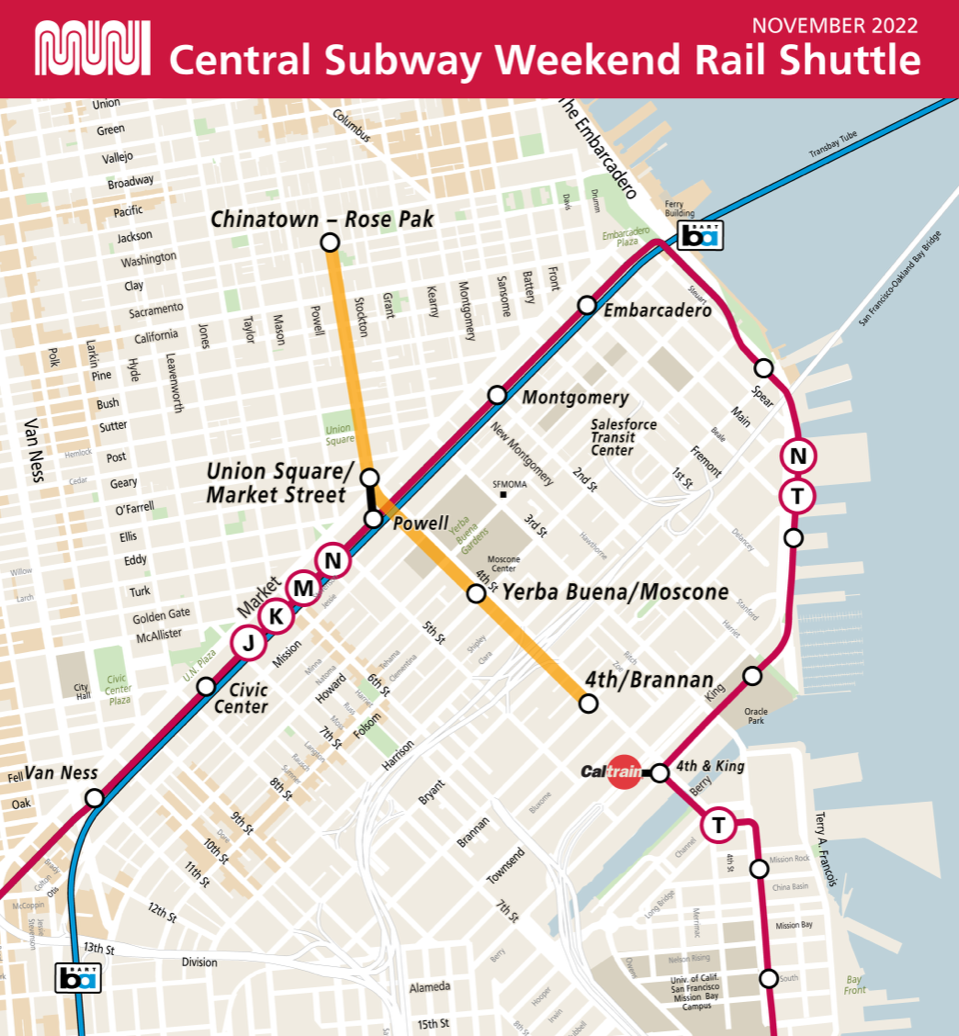
- Getting There Well-served by Muni Metro, BART (Powell Street Station), and local bus lines. Parking is limited; nearby garages available.
- Nearby Attractions SFMOMA, Yerba Buena Gardens, Oracle Park, Westfield San Francisco Centre, and The EndUp—each within walking distance.
- Guided Tours While no official Trocadero-specific tours exist, LGBTQ+ history and nightlife tours often include the SoMa district and the site.
- Photography While the original Crystal Staircase is gone, the venue’s exterior and SoMa neighborhood offer excellent photo opportunities.
Cultural Significance
The Trocadero Transfer was more than a nightclub—it was a sanctuary for self-expression, creativity, and community for the LGBTQ+ population. It played a pivotal role during significant historic moments, from the era of gay liberation to the AIDS epidemic, and pioneered musical and artistic trends that echo in today’s queer nightlife (DJ Mag).
Its legacy endures through revival events, archival projects, and the continued vibrancy of San Francisco’s LGBTQ+ scene. Documentaries like “Wrecked for Life: The Trip and Magic of Trocadero Transfer” and the work of the Disco Preservation Society ensure the Trocadero’s history remains alive (Internet Archive; DJ Mag).
Frequently Asked Questions (FAQs)
Q: What are the visiting hours of the Trocadero Transfer?
A: The Grand, located at the historic site, generally operates Thursday through Sunday evenings. Confirm event-specific hours on The Grand's official website.
Q: Is there an entry fee?
A: Entry fees vary by event. Some nights are free, others require tickets—check the event listing for details.
Q: Is the venue wheelchair accessible?
A: Yes, The Grand is accessible. Contact the venue ahead for specific accommodations.
Q: Can I visit as a historical site?
A: The original club is no longer active, but the site remains central to San Francisco’s nightlife history, and events often pay tribute to its legacy.
Visuals and Media Suggestions
Enhance your visit by viewing images of the venue and archival footage. Seek out:
- Photos of the original Trocadero Transfer’s interior and exterior
- Video excerpts from “Wrecked for Life”
- Interactive maps of SoMa highlighting LGBTQ+ historical sites
Related Articles
- San Francisco Nightlife: A Guide to the City’s Best Clubs
- LGBTQ+ Historical Sites in San Francisco
- Top Historical Sites to Visit in San Francisco