
Origins and Vision
Commissioned in the late 1960s by John R. Beckett, then CEO of Transamerica Corporation, and designed by architect William Pereira, the Transamerica Pyramid was conceived to maximize natural light at street level and minimize its shadow, responding to the growing density of San Francisco’s Financial District. Its pyramidal design was a radical departure from the conventional boxy skyscraper, inspired by the way trees in city parks filter sunlight (WikiArquitectura).
Construction and Engineering Innovations
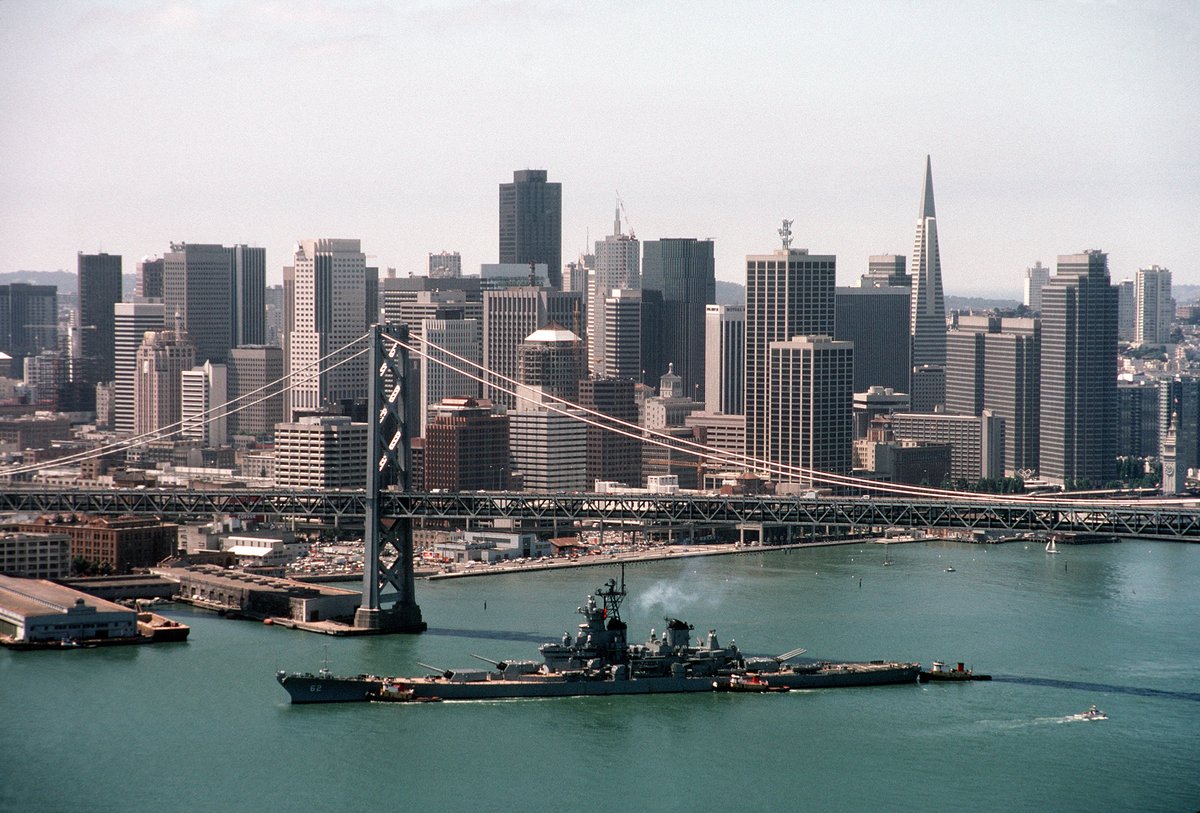
Built between 1969 and 1972, the 853-foot (260-meter) tower features 48 stories and a distinctive spire. Its diagrid base and reinforced quartz façade provide structural stability, essential in an earthquake-prone region. The building’s four-sided tapering form and innovative engineering allow for efficient weight distribution and resistance to seismic activity (DG Guides). The spire is clad in aluminum and illuminated at night, serving as a beacon on the San Francisco skyline.
Cultural Impact and Evolution
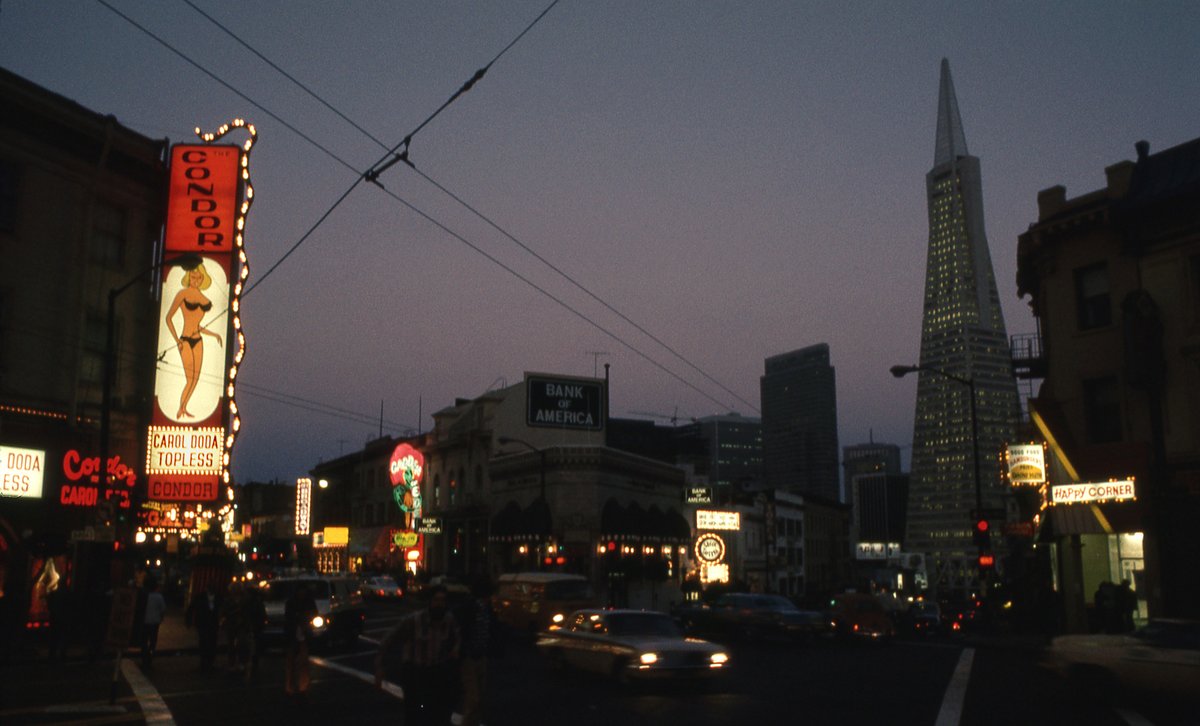
Initially controversial—some critics dubbed it “Pereira’s Prick”—the Pyramid ultimately became a beloved city icon, featured in films, TV, and the Transamerica Corporation’s logo (Haute Living SF; architectuul.com). Over time, its architectural innovation and symbolic significance have cemented its place in San Francisco’s cultural narrative.
Changes in Ownership and Modernization
After serving as Transamerica’s headquarters, the building changed ownership several times, most recently being acquired in 2020 by SHVO and Deutsche Finance America for $650 million. Major renovations led by Foster + Partners and SHVO between 2020 and 2024 focused on restoring and modernizing the landmark while enhancing public amenities (Foster + Partners; Archeyes).
Visitor Information: Hours, Tickets, and Access
Visiting Hours
- Lobby Access
- Monday–Friday: 8:00 AM – 6:00 PM
- Saturday–Sunday: Closed (unless special event)
- Redwood Park
- Open daily from sunrise to sunset
Please note that hours may vary during holidays or special events. Always check official sources before your visit.
Tickets and Entry
- No tickets or reservations are required for access to the lobby or Redwood Park.
- Entry is free for all visitors.
- Special exhibitions or events may require advance registration.
Accessibility
- The lobby, Redwood Park, and public amenities are fully wheelchair accessible.
- Accessible restrooms and entrances are available.
- Staff are on-hand to assist visitors with special needs.
Photography
- Photography is welcomed in public areas such as the lobby and Redwood Park.
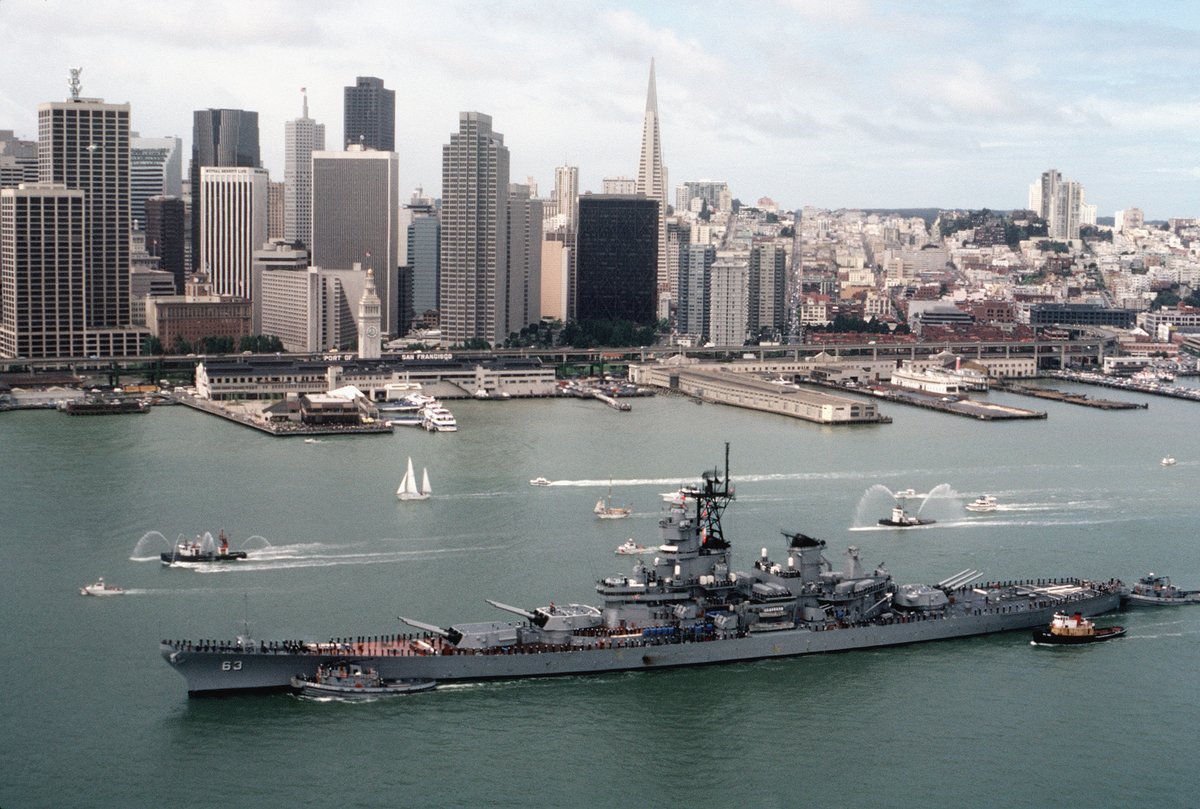
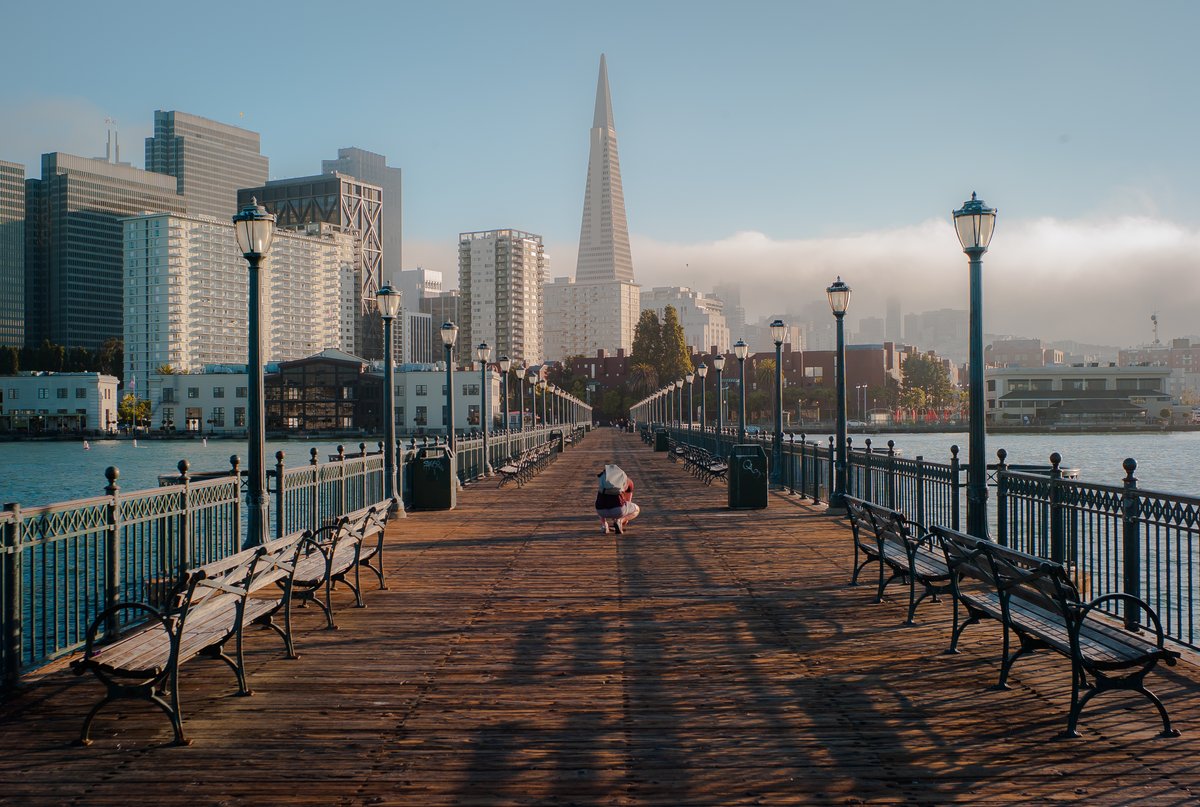
- The Pyramid’s unique geometry provides excellent photographic opportunities from different viewpoints around the city.
Guided Tours
- Regular interior tours of the upper floors are not available due to security and tenancy.
- Many local walking tours of San Francisco’s Financial District include the Transamerica Pyramid as a highlight, offering historical and architectural insights (travelinusa.us).
Redwood Park and Community Spaces
Redwood Park, adjacent to the base of the Pyramid, is a lush, tranquil urban oasis planted with mature redwoods from the Santa Cruz Mountains. The park features:
- Sculptures and fountains, including Mark Twain-inspired frog statues
- Ample seating, walking paths, and shaded areas
- Seasonal art installations and occasional outdoor performances
Recent enhancements have introduced new landscaping, expanded retail and dining options, and improved accessibility, making the park an inviting gathering space for both locals and visitors (Haute Living SF; SF YIMBY).
Renovation Highlights (2020–2024)
The largest restoration in the building’s history was completed by Foster + Partners and SHVO, balancing the preservation of historic elements with the addition of modern amenities (Foster + Partners; Archeyes). Major upgrades include:
- Lobby Redesign
- Restoration of diagrid beams and original quartz-clad features
- Addition of natural light through expanded windows
- Tenant Amenities
- Wellness facilities, lounges, and meeting spaces on converted office floors
- Spire Lighting
- Advanced LED lighting system for the 212-foot spire, creating a striking nighttime presence
- Redwood Park Improvements
- Enhanced landscaping, new walking paths, and public art
- Ground-Level Retail and Dining
- New cafes, shops, and restaurants, including Sightglass Coffee and curated book selections (thrillist.com)
The renovations have modernized building systems, improved sustainability, and fostered a stronger sense of community both inside and outside the Pyramid.
Nearby Attractions and Travel Tips
Getting There
- Location 600 Montgomery Street, San Francisco, CA 94111
- Public Transit
- BART: Montgomery Street Station (short walk)
- MUNI buses and cable cars serve the area
- Parking
- Limited; public transportation is recommended
Travel Tips
- Visit on weekdays during business hours for the best experience and to avoid crowds.
- Bring a camera—Washington Square Park, the Embarcadero, and Coit Tower offer excellent photographic perspectives of the Pyramid.
- Nearby historical sites:
- Ferry Building Marketplace
- Chinatown
- North Beach
- Coit Tower
- The Embarcadero
Frequently Asked Questions (FAQ)
Q: Do I need tickets to visit the Transamerica Pyramid?
A: No tickets are required for lobby or Redwood Park access; entry is free.
Q: What are the visiting hours?
A: The lobby is open Monday–Friday, 8:00 AM–6:00 PM. Redwood Park is open daily from sunrise to sunset.
Q: Is the observation deck open?
A: The physical observation deck is closed, but visitors can use the virtual observation deck in the lobby.
Q: Is the building accessible for people with disabilities?
A: Yes, all public areas are wheelchair accessible.
Q: Are there guided tours?
A: Interior tours are not available, but many local tours include the Pyramid as a key architectural stop.
Q: Can I take photographs inside?
A: Yes, photography is allowed in public spaces.
Discover More
The Transamerica Pyramid remains a testament to San Francisco’s spirit of innovation, resilience, and community. Its recent restoration ensures that this beloved landmark continues to serve as a hub for cultural, social, and economic activity, welcoming visitors to enjoy its inviting public spaces and learn about its storied past.
Plan your visit today—enjoy the revitalized lobby and serene Redwood Park, explore nearby historical sites, and capture the Pyramid’s iconic silhouette. For the latest updates on hours, events, and guided tours, download the Audiala app and follow official sources on social media.