What San Francisco is
San Francisco, often called “The City by the Bay,” is on the northern tip of the San Francisco Peninsula. Known for its steep rolling hills, iconic landmarks, and diverse neighborhoods, it brings together historical, cultural, and modern attractions. Originally known as Yerba Buena, the city’s transformation began with the Gold Rush of 1848, which turned it from a small settlement into a bustling port city (History.com).
History
Early beginnings and the Gold Rush
San Francisco was a small settlement until the discovery of gold in 1848. Within a year, its population surged from 1,000 to 25,000, and it became the central port and depot for the Gold Rush (History.com).
Lawlessness and development
The city’s early years were marked by lawlessness and rapid development. The Barbary Coast became infamous for gambling and prostitution. Six major fires broke out between 1849 and 1851, causing significant damage, but the city rebuilt each time. The silver boom from Nevada’s Comstock Lode in 1859 further fueled growth, filling the docks and lining the city’s pockets (History.com).
The 1906 earthquake and fire
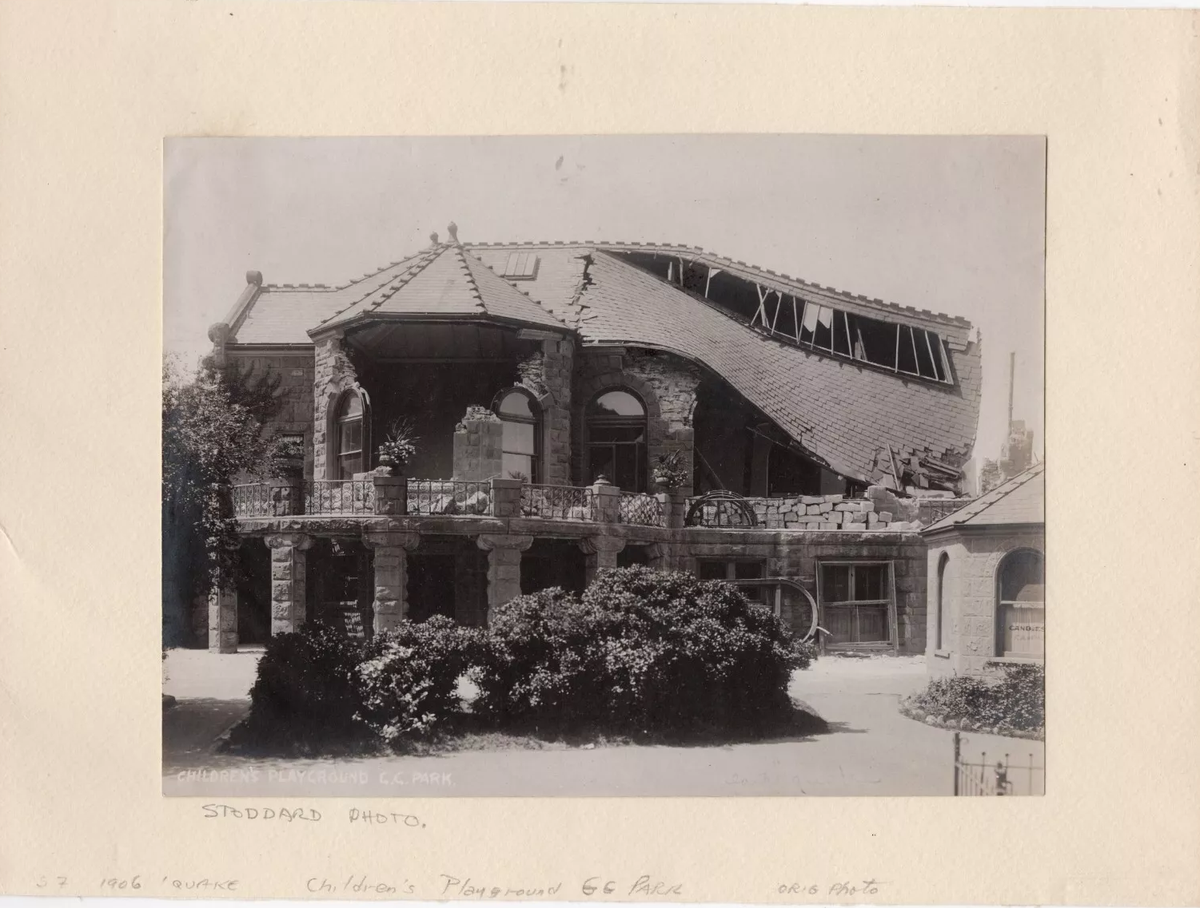
On April 18, 1906, an earthquake estimated at 7.8 on the Richter scale struck San Francisco. It caused widespread destruction, broke water mains, and triggered fires that raged for four days. Approximately 3,000 people were killed, 25,000 buildings were destroyed, and 250,000 residents were left homeless. The city rebuilt quickly, with an improved city center, and hosted the lavish Panama International Exposition just nine years later (History.com).
World War II and the Cold War
During World War II, San Francisco was the main point of embarkation for the Pacific theater, and the region became a major arms production center. The city’s Japanese residents were forcibly relocated to internment camps; African-Americans arriving from the South to work in war industries soon filled their abandoned neighborhoods. In 1945, San Francisco hosted the conference at which the U.N. Charter was drafted, marking the city’s importance in the transition from World War II to the Cold War (History.com).
Counterculture and technological growth
San Francisco attracted writers such as Mark Twain and Jack London in its early years, and became a hub for beat poets in the 1950s. Haight-Ashbury became synonymous with hippie counterculture, which peaked with the 1967 “Summer of Love.” In the 1980s, the city faced chronic homelessness and the AIDS epidemic. In the 1990s, a boom centered on Internet technology drew entrepreneurs and raised rents in rougher neighborhoods (History.com).
Modern San Francisco
Today, San Francisco is known for its progressive culture, high technology, and iconic landmarks. The Golden Gate Bridge, completed in 1937, remains one of the world’s most recognizable landmarks and receives over 10 million visits a year (Secret San Francisco).
What to see
Landmarks, parks, and museums
- Golden Gate Bridge A landmark associated with world-class engineering and local pride, with views of the city. It is open to pedestrians and cyclists during daylight hours; vehicle access is available 24/7 (Secret San Francisco).
- Golden Gate Park One of the largest public parks in the world. Its attractions include the Japanese Tea Garden, SF Botanical Garden, and AIDS Memorial Grove (Secret San Francisco).
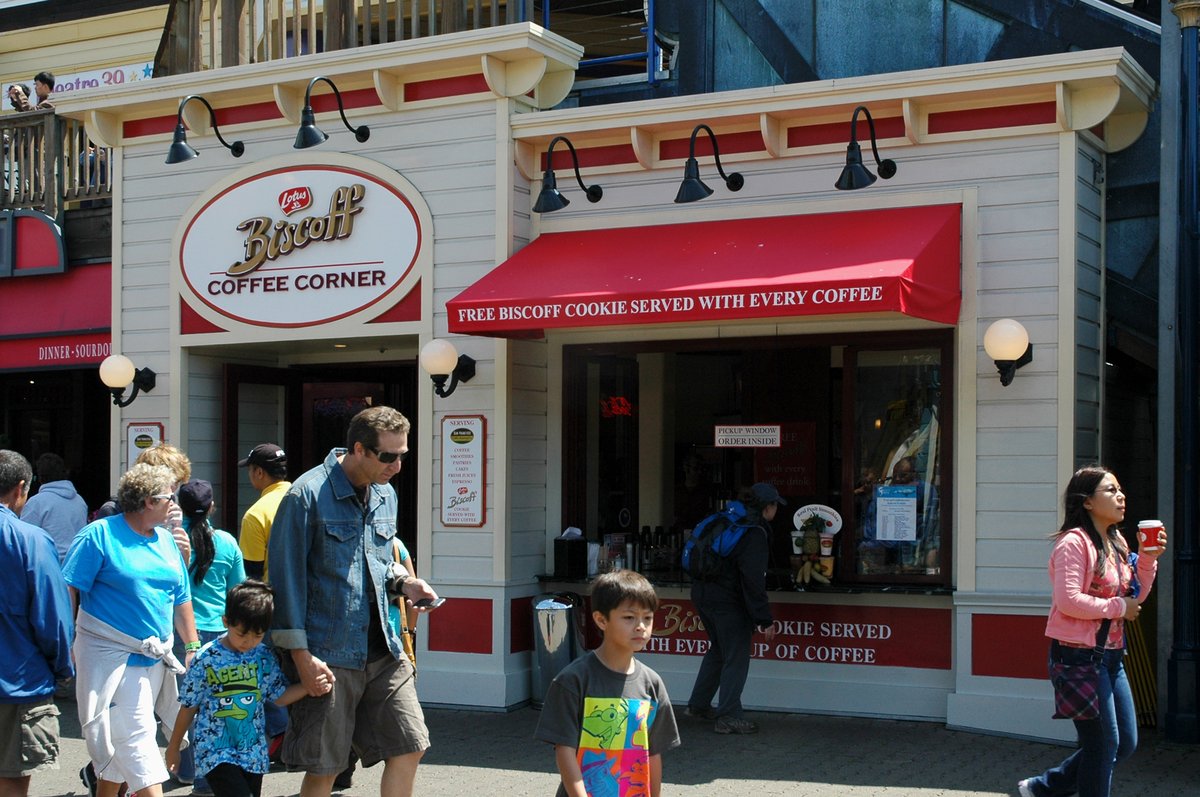
- Fisherman’s Wharf A busy tourist area known for sea lions and seafood.
- Coit Tower Offers panoramic city views and is a photography spot (Secret San Francisco).
- Salesforce Park A rooftop park in the Financial District that hosts free events, including yoga classes and live music (Secret San Francisco).
- Exploratorium Established in 1969, it features over 650 interactive exhibits for children and adults (Secret San Francisco).
- California Academy of Sciences Features a four-story indoor rainforest and a state-of-the-art planetarium (Secret San Francisco).
- Musee Mecanique At Fisherman’s Wharf, it features antique arcade games.
- Yoda Fountain A Presidio attraction for Star Wars fans.
Neighborhoods and culture
San Francisco has significant Asian, Latino, and LGBTQ+ communities, and its neighborhoods offer varied cultural experiences. Chinatown is the oldest and one of the largest in North America. The Mission District is a hub for Latino culture and cuisine, and the Castro District is a historic center for the LGBTQ+ community, with cultural landmarks and vibrant nightlife (Nomadic Matt).
Japantown, Inner Richmond, and Hayes Valley are also known for their culture and cuisine and are often overlooked by tourists. Inner Richmond is known for its Chinese food, described as arguably better than what you’ll find in Chinatown (Travels with Elle). The Castro District also has trendy restaurants and lively bars (Travels with Elle).
Walking tours are a way to explore the city’s neighborhoods. Guided tours of Haight-Ashbury cover its counterculture history, while the Mission District is known for street art and Latino culture and can be explored on foot (Nomadic Matt).
Views and outdoor activities
San Francisco’s hills provide vantage points around the city. Twin Peaks, Coit Tower, and the top of Lombard Street are among the viewing spots. The Marin Headlands offer panoramic views of the Golden Gate Bridge and the city skyline. Biking across the Golden Gate Bridge is another way to take in the scenery (The Invisible Tourist).
Festivals and events
San Francisco hosts events throughout the year:
- Outside Lands An annual music festival in Golden Gate Park, described as the country’s largest independently-owned music festival. Past headliners include The Killers and Tyler, The Creator (Secret San Francisco).
- Fleet Week A fixture since 1981, featuring a choreographed air show by the U.S. Navy Blue Angels. Suggested viewing spots are Pier 39, Crissy Field, and Aquatic Park (Secret San Francisco).
- Bay to Breakers A city-wide race held in May.
- SF Pride Celebrations take place in June.
- Other annual events include the How Weird Street Faire, North Beach Festival, and Carnaval Festival & Parade (Travels with Elle).
Practical visiting information
Transportation
San Francisco is walkable and has public transportation including Muni buses and streetcars, BART trains, ferries, and cable cars. Muni buses and streetcars cover most of the city; BART is useful for longer trips to the East Bay or the airport. The historic cable cars offer a scenic ride, but popular stops such as Powell Street can have long lines. To avoid crowds, consider boarding at a less busy stop or during off-peak hours (The Broke Backpacker; California Crossings).
Biking across the Golden Gate Bridge to Sausalito and taking a ferry back is a popular activity (Secret San Francisco).
Tickets and accommodation
San Francisco offers accommodation ranging from luxury hotels to budget-friendly hostels. Booking in advance is recommended, especially during peak tourist seasons.
Popular landmarks and tours, including Alcatraz, can book up quickly. Booking tickets at least a week or two in advance is advisable, particularly for Alcatraz tours, which include day, night, and behind-the-scenes options (Nomadic Matt).
Many museums, including the San Francisco Museum of Modern Art (SFMOMA) and the de Young Museum, offer free admission on certain days; check their websites for specific dates (Travels with Elle). A Go City San Francisco Pass offers discounted admission to multiple attractions and may save time and money if you plan to visit several museums and landmarks (Travels with Elle).
Accessibility
Many San Francisco attractions, including public transportation and popular sites, are wheelchair accessible. Check individual attractions’ official websites for specific details.
Tips for visiting
Weather and clothing
The weather can be unpredictable. San Francisco’s microclimates mean one neighborhood may be sunny while another is foggy; mornings and evenings can be chilly because of the coastal climate. Dressing in layers and carrying a light jacket or sweater is advisable (Travels with Elle).
Safety
San Francisco is generally safe, but, like any major urban area, it has crime. Stay aware of your surroundings, particularly in less crowded areas or late at night, and stick to well-lit, populated areas. Avoid leaving valuables in plain sight in parked cars, as break-ins can occur (Nomadic Matt).
Local terminology and etiquette
Locals commonly refer to the city as “SF” or “The City.” Avoid calling it “San Fran” or “Frisco” (Travels with Elle).
Food and tipping
San Francisco offers high-end dining and street food, and is particularly known for Chinese, Japanese, and Vietnamese cuisine. Try a Mission Burrito in the Mission District or fresh seafood at Fisherman’s Wharf (Nomadic Matt).
Tipping is customary, as it is throughout the United States. Standard rates are 15–20% for restaurant service, $1–2 per drink at bars, and $1–2 per bag for hotel bellhops. Tipping is not mandatory but is a significant part of the income for many service workers (Travels with Elle).
Nearby places
Sausalito is a destination for a bike ride across the Golden Gate Bridge, with the option to return by ferry (Secret San Francisco). The Marin Headlands offer views of the bridge and city skyline (The Invisible Tourist). BART also serves longer trips to the East Bay and the airport (California Crossings).
Frequently asked questions
What are the visiting hours for the Golden Gate Bridge?
The bridge is open to pedestrians and cyclists during daylight hours. Vehicle access is available 24/7.
How much do Exploratorium tickets cost?
Ticket prices vary, with discounts available for children, seniors, and students. Check the official website for current pricing.
What are typical opening hours for San Francisco attractions?
Many attractions open around 9–10 AM and close around 5–6 PM. Check official websites for specific hours.
How much do tickets cost for major attractions?
Prices vary, but expect to pay around $30–40 for major attractions such as Alcatraz and the California Academy of Sciences.
When is the best time to visit San Francisco?
The best times to visit are fall (September to November) and spring (March to May), when the weather is mild and the city is less crowded.
Are there guided tours available?
Yes. Tour companies offer options including food tours, historical tours, and street art tours.
Is San Francisco wheelchair accessible?
Many attractions, including public transportation and popular sites, are wheelchair accessible. Check the official websites of individual attractions for details.