Early Water Infrastructure and the Need for Reservoirs
San Francisco’s history of catastrophic fires—including those following the 1906 earthquake—prompted city planners to create a distributed water storage network for both daily use and emergency needs. The Sunset District, rapidly growing in the mid-20th century, was chosen as a strategic site for a major terminal reservoir to support the expanding western neighborhoods (Hidden Hydrology).
Planning and Construction of Sunset Reservoir
The Sunset Reservoir was envisioned as part of San Francisco’s Regional Water System. Construction began in the late 1930s, with full completion in 1960 (Wikipedia; Kiddle). The reservoir consists of two massive subterranean concrete basins, each with hundreds of supporting columns, and holds up to 177 million gallons of water (FoundSF; NBC Bay Area). Its underground design limits contamination and evaporation, while its location at 24th Avenue and Ortega Street makes it a linchpin in city infrastructure.
Integration into San Francisco’s Water Supply System
Sunset Reservoir is one of three terminal reservoirs that anchor the city’s water distribution, alongside University Mound and Sutro Reservoirs. It primarily stores water from the Hetch Hetchy system—delivering about 85% of the city’s supply via gravity-fed pipelines from Yosemite National Park (LeafScore; SFCitizen). The reservoir’s capacity and location ensure reliable service, even during emergencies (Raito Inc.).
Seismic Upgrades and Earthquake Preparedness
Located near the San Andreas Fault, Sunset Reservoir has undergone significant seismic retrofits to ensure its resilience during earthquakes (Raito Inc.). Upgrades have included embankment stabilization, retrofitting of the concrete basins, and installation of advanced monitoring systems to preserve water supply for firefighting and public use after major events (Kiddle).
The Sunset Reservoir Solar Project
In 2010, San Francisco completed the Sunset Reservoir Solar Project, installing approximately 25,000 solar panels across the reservoir’s 480,000-square-foot roof (Wikipedia; LeafScore). This 5-megawatt array was, at the time, the largest municipal solar installation in California, powering schools, MUNI, streetlights, and city facilities (Recurrent Energy). The installation is expected to prevent over 100,000 metric tons of carbon emissions in its first 25 years, and it demonstrates San Francisco’s innovative use of public infrastructure for clean energy.
Water Quality and Diversification Initiatives
To enhance resilience against drought and pipeline disruptions, the city began blending locally sourced groundwater into the reservoir’s supply in 2017 (NBC Bay Area). This groundwater, carefully treated and blended with Hetch Hetchy water, now makes up about 6% of the city’s supply, providing additional security without compromising taste or safety.
Role in Emergency Firefighting and Urban Planning
Sunset Reservoir is crucial for emergency water supply, especially for firefighting during disasters (FoundSF). Proposed upgrades may extend its reach to other neighborhoods via reinforced pipelines. Its construction and ongoing retrofits reflect San Francisco’s commitment to multi-purpose, resilient infrastructure (Corvid Sketcher).
Visiting Sunset Reservoir: Hours, Accessibility, and Tips
Public Access: The reservoir itself is a secured facility with no public entry. However, the adjacent Sunset Reservoir Park is open daily from sunrise to sunset, offering walking paths, green space, and panoramic city and ocean views.
Admission: There are no entry fees.
Accessibility: The park features paved paths suitable for wheelchairs, strollers, and mobility aids. Benches and gentle grades make it comfortable for all visitors.
Transportation: The park is accessible via Muni bus lines (including 29-Sunset and 66-Quintara) and is within walking distance of N-Judah light rail stops. Street parking is available but limited—public transportation is recommended (Travelswithelle.com).
Tips: Dress in layers for fog and ocean breezes (The Invisible Tourist), respect posted signage, and stay on public paths. Photography is permitted from public areas.
Nearby Attractions and Travel Advice
- Ocean Beach Expansive Pacific shoreline, ideal for walks and sunsets (Ocean Beach).
- Golden Gate Park World-class gardens, museums, and recreational spaces just north of the reservoir (San Francisco Botanical Garden, Conservatory of Flowers, California Academy of Sciences).
- Lands End and Sutro Baths Historic coastal trails and scenic vistas (Lands End Lookout, Sutro Baths).
- Twin Peaks Panoramic 360-degree city views (Twin Peaks).
- San Francisco Zoo Over 2,000 animals and family-friendly attractions (San Francisco Zoo).
- Sunset Dunes Park Opened in 2025, features trails and beach access (Sunset Dunes Park).
Local Culture and Community Events
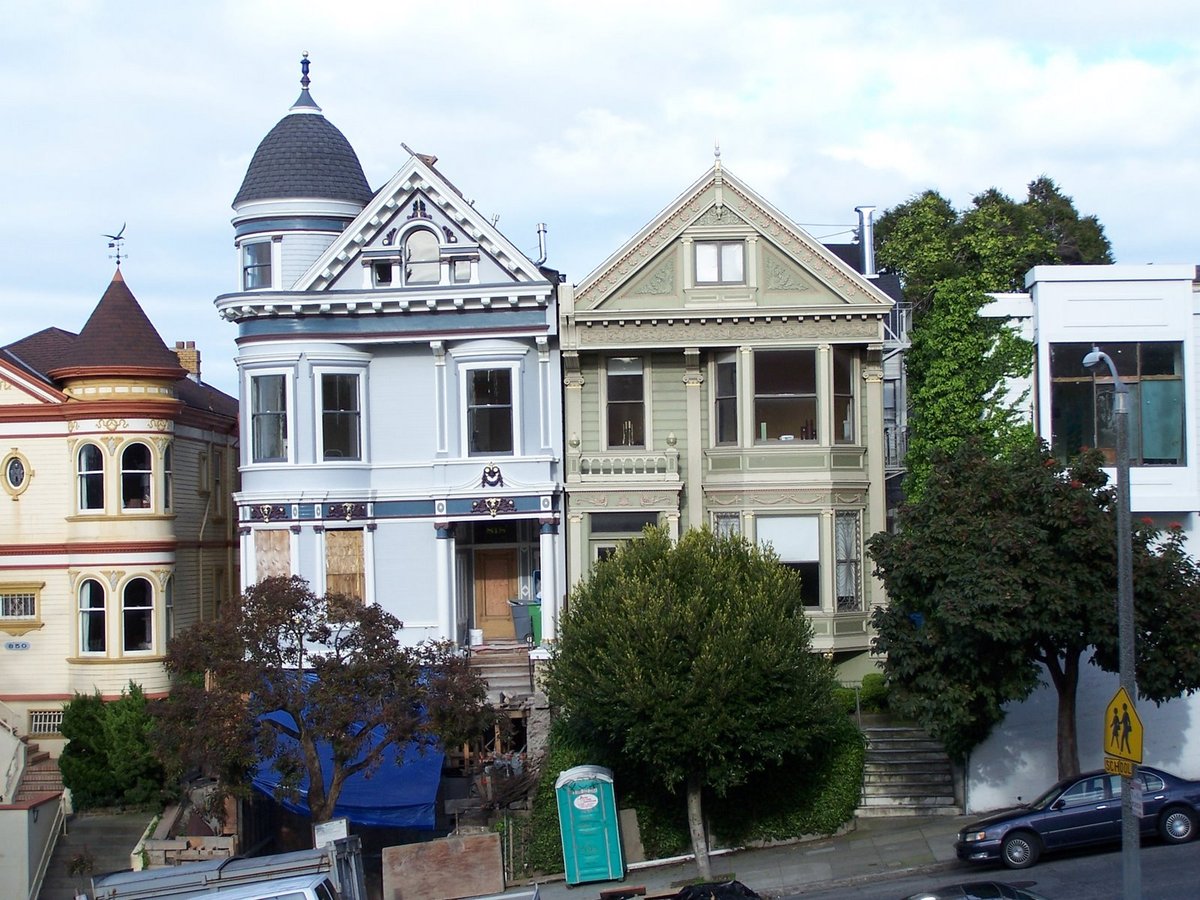
The Sunset District offers a laid-back, residential atmosphere with pastel row houses and diverse local businesses (sftourismtips.com). The area’s food scene features excellent dim sum, ramen, and seafood, while public art projects like the 16th Avenue Tiled Steps and annual events such as the Stern Grove Festival add vibrancy. Outdoor activities, yoga groups, and birdwatching are common in and around the reservoir park.
Frequently Asked Questions (FAQ)
Q: Can I enter the Sunset Reservoir?
A: No, the reservoir itself is a secured utility facility and is not open to the public. The surrounding park is freely accessible.
Q: What are the park’s visiting hours?
A: Sunset Reservoir Park is open daily from sunrise to sunset.
Q: Is there an admission fee?
A: No, entry to the park and surrounding areas is free.
Q: Is the park accessible for wheelchairs or strollers?
A: Yes, paved paths and gentle grades make the park accessible.
Q: Are there guided tours or special events?
A: Occasionally, local organizations or SFPUC may offer educational events; check the SFPUC Official Site for updates.
Q: What is the best way to get there?
A: Use Muni bus lines or light rail. Parking is limited—public transit is suggested.
Q: What is the weather like?
A: The district is often foggy and cool, even in summer. Dress in layers.
Visuals and Media Recommendations
For the best visitor experience, review photos of the park’s city and ocean views, the solar panel array, and nearby landmarks through SFPUC’s official gallery and local photography sites. Use interactive maps to plan your route.