
Seals Stadium: The Historic Site and Its Legacy
History and Construction
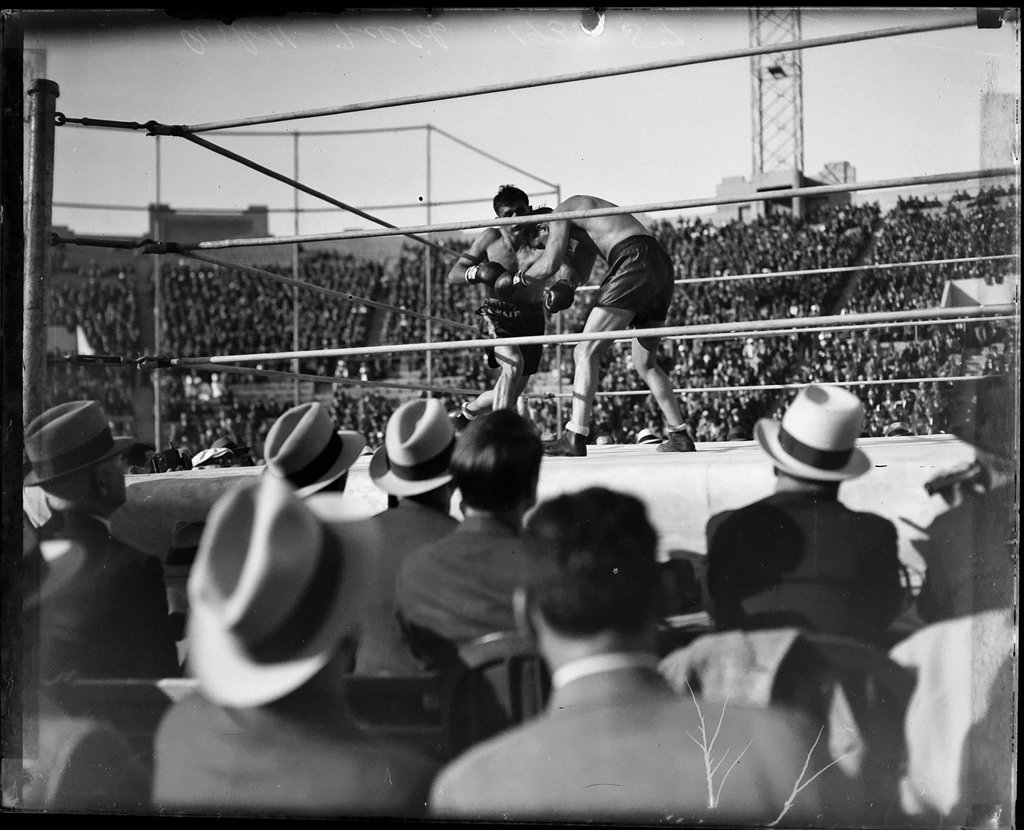
Seals Stadium opened on April 7, 1931, designed with modern concrete and steel and built to accommodate both the San Francisco Seals and Mission Reds. Its three separate dressing rooms and open-air grandstands reflected the needs and spirit of San Francisco’s baseball fans, and its construction during the Great Depression underscored the city’s dedication to sport and community.
The Stadium’s Role in Baseball and Community Life
Seals Stadium was a launching pad for baseball legends, including the DiMaggio brothers and Lefty O’Doul. The ballpark hosted the San Francisco Giants for their first two Major League Baseball seasons (1958–1959) before Candlestick Park was completed, marking a pivotal transition in the city’s baseball history. It was also a gathering place for families and fans from all walks of life, hosting lively game days and contributing to the city’s cultural vibrancy.
Visiting the Seals Stadium Site Today
Though the stadium was demolished in 1959, the site at 16th and Bryant Streets remains accessible within the Potrero Center shopping mall. A bronze plaque, installed on the 50th anniversary of the Giants’ arrival, marks its historical significance. Visitors can also stop by the Double Play Bar and Grill, which preserves memorabilia and stories from the stadium’s heyday.
Accessibility and Tips for Visitors
- Getting There The site is easily accessible by public transit (MUNI and BART) and car, with parking available at the Potrero Center.
- Accessibility The shopping center is wheelchair accessible, with ramps and elevators.
- Visitor Tips Walk the shopping center to locate the commemorative plaque, use historical photos or maps to visualize the stadium’s original layout, and visit the nearby Double Play Bar and Grill for authentic memorabilia and local stories.
Nearby Landmarks and Related Sites
- Oracle Park Home of the San Francisco Giants, with exhibits on the city’s baseball history.
- Mission District Murals Iconic public art reflecting the area’s cultural diversity.
- Hamm’s Brewery Building A historic landmark adjacent to the old stadium site.
- San Francisco Baseball Historical Society Offers resources and exhibits on local baseball heritage.
Seals Stadium: Visiting Hours, Tickets & San Francisco’s Historic Baseball Landmark
Birth and Design of the Stadium
Seals Stadium was specifically constructed for the San Francisco Seals and Mission Reds of the Pacific Coast League and opened to great fanfare in 1931 (ballparks.com). Initially seating 16,000 and later expanding to nearly 23,000, it was celebrated as one of the most impressive ballparks of its era (thestadiumsguide.com).
Notable Players and Key Events
The stadium was the starting ground for the DiMaggio brothers and the legendary Lefty O’Doul (orsanfrancisco.com). It hosted the San Francisco Giants for their first two MLB seasons (1958–1959), signifying the city’s entry into the major leagues (ballparks.com).
Social and Cultural Impact
Seals Stadium was a gathering space for all San Franciscans, with affordable tickets and a central location. It was renowned for citywide celebrations, local food vendors, music, and a festive atmosphere that mirrored the city’s distinctive character (thestadiumsguide.com).
Innovations and Infrastructure
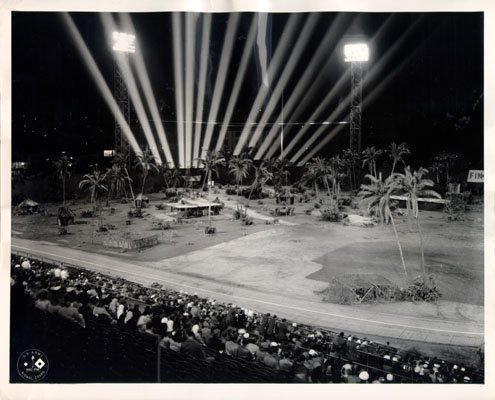
Featuring fold-down reserve seating, advanced lighting for night games, and a distinctive 30.5-foot scoreboard, Seals Stadium was ahead of its time. Its outfield dimensions (365 ft left, 410 ft center, 355 ft right) provided challenging and exciting play (ballparks.com).
Visitor Information: Tours, Hours, and Tickets
While Seals Stadium no longer stands, visitors can explore its legacy at the Potrero Center site, where historical plaques and informal markers can be found. Walking tours of the Mission District often include the stadium’s history, and tickets for these tours can be purchased from local providers.
For a deeper dive, the San Francisco Giants Hall of Fame at Oracle Park features memorabilia and exhibits relating to the Seals and Seals Stadium, with tickets available online or at the ballpark.
Special Events and Commemorations
Annual heritage events and community gatherings often celebrate Seals Stadium’s history, sometimes featuring memorabilia displays and guest speakers. Check local event calendars for commemorations (secretsanfrancisco.com).
Enduring Legacy and Influence on Modern Venues
After its closure and demolition in 1959, elements of Seals Stadium’s infrastructure were repurposed elsewhere. Its design and community spirit influenced the construction of Oracle Park and the ongoing tradition of FanFest and other events (orsanfrancisco.com, sfstandard.com).
Key Facts and Figures
- Opened April 7, 1931
- Closed September 20, 1959
- Demolished November 1959
- Capacity 16,000 (1931), 22,900 (1958)
- Notable Tenants San Francisco Seals (PCL), Mission Reds (PCL), San Francisco Giants (MLB, 1958–59)
- Outfield Dimensions (1958) Left 365 ft, Center 410 ft, Right 355 ft
- Notable Alumni Joe DiMaggio, Lefty O’Doul, Vince and Dom DiMaggio
Frequently Asked Questions (FAQ)
Q: Can I visit Seals Stadium today?
A: The stadium has been demolished, but the former site at Potrero Center is accessible, and there are historical plaques and markers.
Q: Are there tours about Seals Stadium?
A: Several Mission District walking tours include the stadium’s story. Check with local tour operators.
Q: Where can I see Seals memorabilia?
A: The Giants Hall of Fame at Oracle Park and the Double Play Bar and Grill across from the stadium site house memorabilia and historic photos.
Visiting the Seals Stadium Site: A Guide for Modern Explorers
Site Location and Land Use
The original Seals Stadium site stands at 16th and Bryant Streets, now home to Potrero Center (Mercury News; Curbed SF). The shopping center replaced the stadium after its 1959 demolition.
Physical Markers and Legacy
A small commemorative plaque at 16th and Bryant is the main official marker. Inside Office Depot and Safeway, local fans sometimes mark the infield positions with tape, connecting today’s retail space to the stadium’s past.
Mapping the Stadium’s Footprint
Historical maps and aerial photos help visitors visualize the old stadium:
- Home plate Near Office Depot’s computer section
- First base At Office Depot’s entrance
- Second base By the Starbucks in Safeway
- Third base In Safeway’s grocery section (Mercury News)
Community Memory and Living Relics
Across the street, the Double Play Bar and Grill serves as a shrine to the city’s baseball legacy, featuring memorabilia and the stadium’s original flagpole. Locals and employees often share stories of game days and old memories.
Visitor Experience and Practical Tips
- Find the plaque at 16th and Bryant
- Explore Potrero Center and map the infield positions
- Enjoy food and memorabilia at the Double Play Bar and Grill
- Engage with local residents for stories and history
Accessibility: The area is wheelchair accessible, with public transit and parking available.
Preservation Efforts and Urban Change
Despite minimal commemoration, historians and fans advocate for greater recognition. The site’s transformation reflects San Francisco’s evolving landscape and the ongoing challenge of preserving historic sites (Curbed SF).
Additional Visitor Information
Best Times to Visit
The Mission District is sunny year-round; daytime visits are safest and most enjoyable. Local events and festivals can add to your experience (San Francisco Events).
Food and Nearby Attractions
- La Taqueria Iconic Mission-style burritos
- Tartine Bakery Acclaimed breads and pastries
- Foreign Cinema Unique dining with outdoor films
- Mission Dolores Park City views and green space
- Valencia Street Shops and nightlife
- Hamm’s Brewery Building Historic site adjacent to the stadium location
Souvenirs
No official shop exists, but vintage memorabilia can be found online or at local sports stores.
Frequently Asked Questions (FAQ)
Q: Is Seals Stadium still standing?
A: No, it was demolished in 1959. The site is now a shopping center.
Q: Are there any visible remnants?
A: Only a small plaque and occasional in-store markers remain.
Q: Are there guided tours?
A: No dedicated Seals Stadium tours, but Mission District tours often reference its history.
Q: Is the site accessible?
A: Yes; accessible by public transit, car, bike, and on foot.
Summary and Visitor Recommendations
Seals Stadium’s story is woven into the fabric of San Francisco’s sports and urban history. The former site at 16th and Bryant Streets invites visitors to reflect on the city’s evolution, with subtle physical markers and rich oral history. For a deeper connection, visit the Double Play Bar and Grill, the Giants Hall of Fame at Oracle Park, or join a Mission District walking tour.
To enrich your experience, download the Audiala app for up-to-date guides, events, and historical tours, and follow us on social media for ongoing stories about San Francisco’s dynamic past.