Introduction
Nestled along San Francisco's scenic southwestern coastline near Ocean Beach, the San Francisco Zoo is a historic and vibrant institution dedicated to wildlife conservation, education, and community engagement. Established in 1929 as the Fleishhacker Zoo, it began with relocated animals from Golden Gate Park and has evolved into a sprawling 100-acre sanctuary, home to more than 2,000 animals representing over 250 species. The zoo offers a diverse array of immersive animal exhibits, educational programs, and family-friendly attractions, making it a beloved destination for both tourists and locals.
Open daily from 10:00 a.m. to 5:00 p.m., the zoo provides a range of ticket options for adults, seniors, children, and residents, with convenient online purchasing and accessible transportation options. Its commitment to accessibility is reflected in wheelchair-friendly pathways, rental services, and inclusive amenities. The San Francisco Zoo participates in more than 30 Species Survival Plans, contributing to global conservation efforts for endangered species such as black rhinos, gorillas, and Madagascan radiated tortoises. The anticipated arrival of giant pandas from China in 2025 marks a significant milestone, symbolizing international collaboration and increasing global attention for the zoo.
Iconic attractions include the meticulously restored 1921 Dentzel carousel, the Little Puffer miniature steam train, themed gardens, and diverse animal habitats like the African Savanna, Cat Kingdom, and Penguin Island. Enriching experiences such as special events, docent-led tours, feeding sessions, and educational programs foster environmental stewardship and lifelong learning.
This guide provides detailed information about the zoo’s history, visitor logistics, ticketing, accessibility, and major exhibits, ensuring you make the most of your visit. For the latest updates, visit the official San Francisco Zoo website, and use interactive maps and resources to enhance your experience (San Francisco Zoo Visiting Hours, Tickets, and Must-See Attractions: A Complete Guide).
Table of Contents
- Historical Overview of the San Francisco Zoo
- Essential Visitor Information
- Major Attractions and Exhibits
- Conservation and Education Initiatives
- Feeding Sessions and Keeper Talks
- Accessibility and Visitor Amenities
- Seasonal and Special Exhibits
- Frequently Asked Questions (FAQ)
- Conclusion and Next Steps
- References
Founding and Early Development
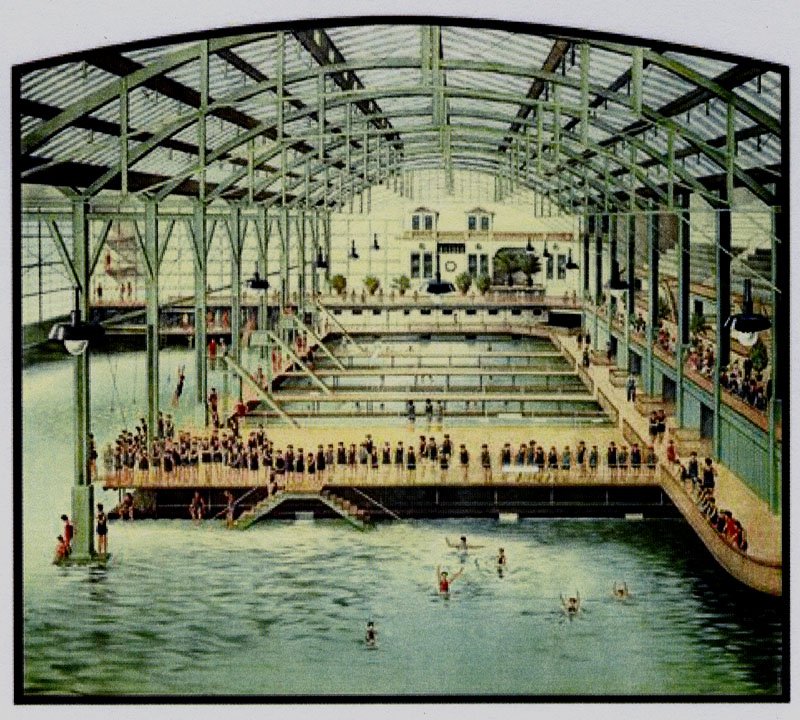
The San Francisco Zoo was founded in 1929 as the Fleishhacker Zoo, thanks to the vision of Herbert Fleishhacker, a leading banker and president of the San Francisco Parks Commission. Located beside the historic Fleishhacker Pool (then the largest swimming pool in the U.S.), the zoo started with animals relocated from Golden Gate Park, including zebras, monkeys, and elephants. By the 1930s, substantial investments led to the creation of innovative exhibits such as Monkey Island and the Lion House, employing “ha-ha” bar-less moats for safe, naturalistic viewing.
Expansion and the Role of the Zoological Society
The San Francisco Zoological Society was established to support the zoo’s mission and continues to play a pivotal role in fundraising, membership, and educational programming. The Society has overseen major projects, including renovations of the Children’s Zoo, the creation of the African Scene, upgrades to the zoo hospital, and the establishment of the Avian Conservation Center.
Modernization Efforts and Infrastructure Challenges
A $48 million bond measure in 1997 funded crucial improvements, including restoration of the historic carousel, entrance upgrades, and animal resource centers. However, some projects, such as the Great Ape Forest, remain incomplete. A 2024 city report highlighted outdated enclosures and called for comprehensive modernization.
Conservation and Species Survival Initiatives
The zoo is committed to conservation, participating in over 30 Species Survival Plans coordinated by the Association of Zoos and Aquariums (AZA). These initiatives support breeding and care for endangered species, including Madagascan radiated tortoises, reticulated giraffes, black rhinos, and gorillas, as well as providing sanctuary for rescued animals requiring specialized care.
Heritage Structures and Iconic Attractions
Historic features such as the 1921 Dentzel carousel, the Little Puffer miniature steam train, and the Mother’s Building highlight the zoo’s family-friendly roots. Themed gardens and play areas further enhance its unique blend of recreation, education, and conservation.
Governance and Community Engagement
Since 1993, the zoo has operated under a public-private partnership, owned by the city and managed by the San Francisco Zoological Society. The city provides an annual subsidy, with the Society handling operations and fundraising. While this model offers benefits, it has also seen calls for increased transparency and modernization. The zoo’s educational programs, docent-led tours, and special events remain popular with the community.
Recent Developments and Future Prospects
Mayor London Breed’s 2024 announcement of an agreement to bring giant pandas from China marks a new chapter in the zoo’s history. This initiative is expected to boost tourism, funding, and awareness for further improvements, while emphasizing the zoo’s global significance.
Essential Visitor Information
Visiting Hours
- Open daily: 10:00 a.m. – 5:00 p.m.
- Last admission: 4:00 p.m.
- Summer hours and holiday schedules may vary; check the official website for updates.
Tickets and Admission Prices
- Adults (13–64): $25
- Seniors (65+): $20
- Children (4–12): $18
- Children under 3: Free
- San Francisco residents and public transit users receive discounts.
- Zoo members receive free admission and expedited entry.
Tickets are available online via the official website, which is recommended for fastest entry.
Getting There and Parking
- Address: 1 Zoo Road, San Francisco, CA 94132 (Sloat Boulevard & Great Highway)
- Public transit: Muni L-Taraval, bus lines 18, 23, and 57
- Parking: $10 weekdays, $12 weekends/holidays; limited free street parking available
Accessibility
The zoo provides wheelchair-accessible pathways, rental wheelchairs and strollers, accessible restrooms, and service animal accommodation. The digital experience is WCAG 2.1 AA compliant (SF Zoo Accessibility).
Major Attractions and Exhibits
Leanne B. Roberts African Savanna
A sprawling, open habitat featuring giraffes, zebras, ostriches, and eland, offering panoramic views and educational insights (Tourist Secrets).
Cat Kingdom
Home to African lions, snow leopards, Sumatran tigers, and leopards, with immersive habitats and underwater viewing for hippos (Holidify).
Bear Country
Features grizzly bear sisters Kachina and Kiona in a naturalistic environment, with daily feeding sessions at 10:30 a.m. (The Better Vacation).
Outback Trail
Showcases kangaroos, wallaroos, emus, and cassowaries, educating visitors about Australia’s unique wildlife (Holidify).
South American Tropical Rainforest & Aviary
A climate-controlled exhibit with monkeys, butterflies, reptiles, and free-flying tropical birds (The Better Vacation).
Penguin Island
A large Magellanic penguin colony with underwater viewing and daily feeding sessions at 10:30 a.m. and 3:30 p.m. (The Better Vacation).
Lemur Forest
The largest outdoor lemur habitat in North America, with elevated walkways and diverse lemur species (The Better Vacation).
Mexican Gray Wolf Exhibit
Features endangered Mexican gray wolves in an immersive habitat with extensive viewing areas (The Better Vacation).
Primate Discovery Center
Home to gorillas, chimpanzees, mandrills, and colobus monkeys, with rich interpretive displays (Tourist Secrets).
Children’s Zoo
Interactive barnyard, Elinor Friend Playground, and hands-on educational experiences for kids (SF Zoo).
Sculpture Learning Plaza
Interactive educational sculptures exploring biodiversity (SF Zoo).
Historic Eugene Friend Dentzel Carousel
A beautifully restored 1921 carousel with hand-carved animals, located near the Children’s Zoo (The Better Vacation).
Little Puffer Miniature Steam Train
A beloved miniature train operating since 1925, offering scenic rides around the zoo (SF Zoo).
Gardens and Horticultural Displays
Extensive gardens featuring native and exotic plants, including pollinator and themed gardens (SF Zoo).
Upcoming Panda Exhibit
Opening in 2025, the highly anticipated giant panda habitat will meet the highest standards of animal welfare and is expected to attract global attention (SF Standard).
Conservation and Education Initiatives
The San Francisco Zoo is an active participant in AZA’s Species Survival Plans for endangered animals. Educational signage, interactive displays, and events highlight the importance of conservation and environmental stewardship (Tourist Secrets; SF Zoo Conservation).
Feeding Sessions and Keeper Talks
Daily feeding sessions and keeper talks offer opportunities to observe animal behaviors and learn from experts. Notable sessions include the grizzly bears at 10:30 a.m. and penguins at 10:30 a.m. and 3:30 p.m. (The Better Vacation).
Accessibility and Visitor Amenities
The zoo offers a range of amenities:
- Wheelchair and stroller rentals
- Accessible restrooms
- Multiple dining options, including the Leaping Lemur Café and Station Pizza Parlor
- Picnic areas
- Gift shops
- Downloadable zoo map for easy navigation
Seasonal and Special Exhibits
The zoo hosts regular seasonal events, festivals, and temporary exhibits, alongside educational workshops and themed garden displays. For the latest, visit the official website.
Frequently Asked Questions (FAQ)
What are the San Francisco Zoo visiting hours?
Open daily from 10:00 a.m. to 5:00 p.m.; last entry at 4:00 p.m.
How much do tickets cost?
Adults $25, seniors $20, children (4–12) $18, children under 3 free; resident and transit discounts available.
Is the zoo accessible for wheelchairs and strollers?
Yes, with paved paths and rental services.
Are guided tours available?
Docent-led tours and educational programs are offered; check schedules online.
Can I bring my own food?
Yes, with picnic areas throughout the zoo.
Are pets allowed?
Only service animals are permitted.
When will the giant pandas arrive?
The pandas are expected in 2025 as part of a collaboration with China.
Listen to the full story in the app
Your Personal Curator, in Your Pocket.
Audio guides for 1,100+ cities across 96 countries. History, stories, and local insight — offline ready.
Audiala App
Available on iOS & Android
Join 50k+ Curators
Sources
- verified
- verified
- verified
- verified
- verified
Last reviewed: