


San Francisco State University
San Francisco State University (SF State) is a university and historical site in San Francisco. Established in 1857 as the San Francisco Weekly Normal School, it has a 144.1-acre campus with landmarks including the Cesar Chavez Student Center and the Science & Engineering Innovation Center. The university also has a downtown campus.
For planning resources, see the official SF State visitor information page, the Golden Gate Bridge website, and the San Francisco Recreation and Parks Department.
History
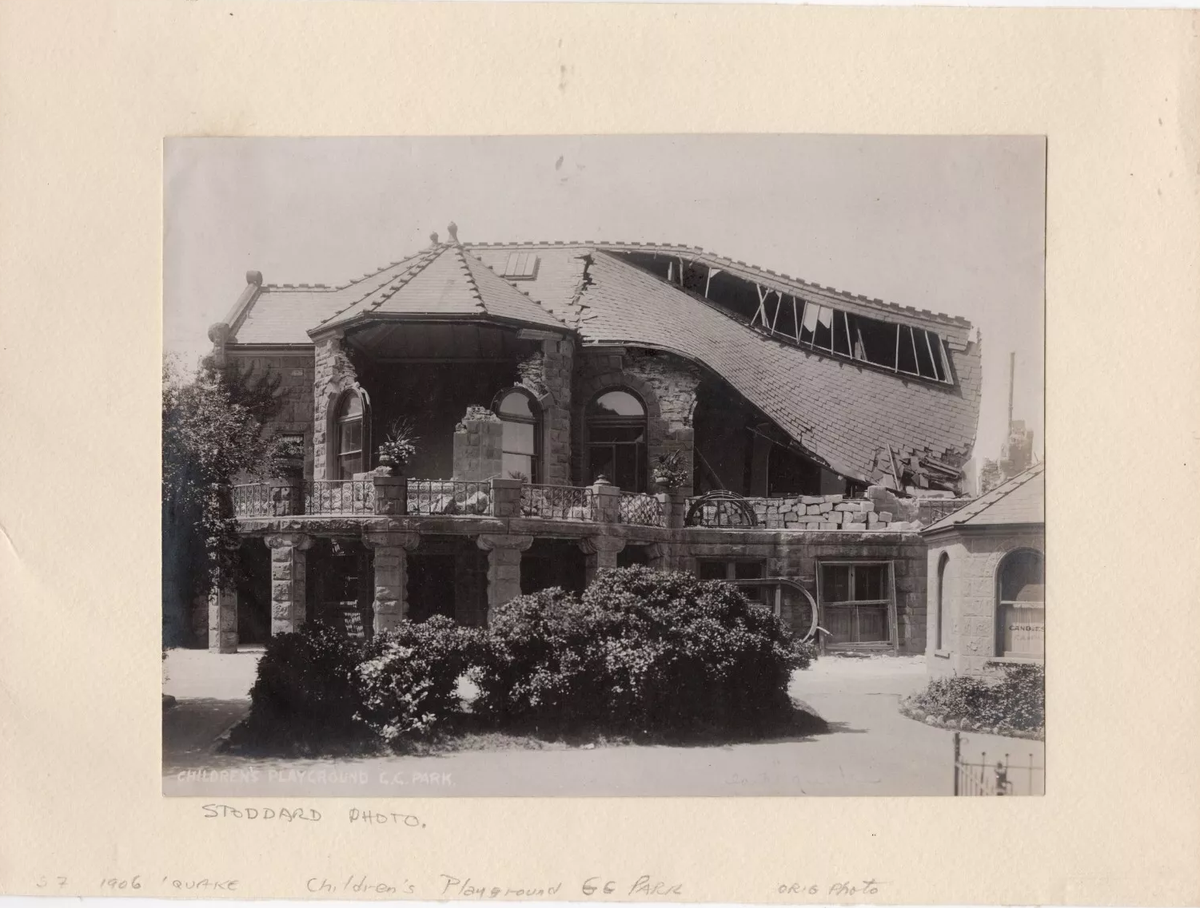
SF State began as a pioneer in California teacher education. It weathered the 1906 earthquake and gradually broadened its academic offerings.
By the late 1930s, the need for more space led to a move near Lake Merced. The school became San Francisco State College in 1935 and later joined the California State College system, expanding its academic programs.
The campus became a center of activism during the 1960s and 1970s. After the longest student strike in U.S. history, SF State established the nation’s first College of Ethnic Studies. These events reinforced the university’s association with social justice and student empowerment.
Modern facilities include the Science & Engineering Innovation Center. The university’s development has continued alongside its traditions of diversity, inclusion, and academic rigor.
What to see on campus
- J. Paul Leonard Library Extensive archives and quiet study spaces.
- Cesar Chavez Student Center A hub of student life, with dining, events, cultural programming, and student organizations.
- College of Ethnic Studies Exhibits on social justice, community history, and the university’s activism.
- Science & Engineering Innovation Center A showcase for STEM research and innovation.
- Burk Hall and Lake Merced Photo spots near Burk Hall and scenic walkways by Lake Merced.
Cesar Chavez Student Center
Opened in 1975, the modernist Cesar Chavez Student Center was designed by Paffard Keatinge-Clay. Named after the labor and civil rights leader, it honors SF State’s history of activism and social justice. Its establishment reflects decades of student-led change and the university’s commitment to diversity and empowerment.
The center houses student organizations, eateries, a bookstore, and event spaces. Its more than 200 student groups focus on culture, academics, and recreation. The center also hosts performances, workshops, and fairs celebrating campus diversity. Dining options include international and local cuisine; the bookstore sells textbooks, apparel, and souvenirs.
Visiting information
- Campus hours Open year-round, typically 7:00 AM–10:00 PM. Some buildings have different hours.
- Admission General campus access is free.
- Tours Guided tours are available by appointment for prospective students and other visitors, with reservations made online. SF State Campus Tours provides information about guided outdoor campus tours. Student-led walking tours can also be registered for through Campus Tour Registration. Tours are limited to outdoor areas; interior access is restricted.
- Address 1600 Holloway Avenue, San Francisco, CA.
- Public transit The campus is accessible by Muni Metro and several bus lines.
- Parking Limited metered parking is available on campus. Visitor parking is limited and may require permits; public transit is recommended.
- Accessibility Most buildings have ramps, elevators, and accessible restrooms. For special accommodations, contact the Disability Programs and Resource Center.
- Center hours The Cesar Chavez Student Center is open Monday–Friday, 8:00 AM–8:00 PM, and weekends, 10:00 AM–6:00 PM. Hours may change during holidays.
- Center access and tickets Public areas, including dining options and the bookstore, are accessible to visitors. No tickets or admission fees are required for general access to the center; some special events may require registration.
Visitor tips
Campus photography is permitted for personal use; commercial photography requires permission. Visitors can also use the Audiala app for audio-guided tours.
Nearby places
Golden Gate Bridge
The Golden Gate Bridge connects San Francisco to Marin County and offers views of the bay and city skyline.
History
Completed in 1937, the bridge was an engineering and design feat and was once the world’s longest suspension bridge. Its Art Deco details and International Orange color have made it an emblem of San Francisco’s resilience and architectural legacy.
What to see and do
- Golden Gate Bridge Welcome Center Exhibits about the bridge, its history, and a gift shop.
- Battery Spencer Panoramic views from the Marin side.
- Crissy Field Beaches and trails for recreation.
- Fort Point National Historic Site A Civil War-era fort beneath the bridge.
Battery Spencer, Fort Point, and the Marin Headlands are also vantage points for bridge and cityscape photography.
Visiting information
- Hours Pedestrian and bicycle access is open 24/7. Vehicle traffic is permitted from 5:00 AM to 6:00 PM, with some variations.
- Admission and tolls Walking and cycling are free. Vehicle tolls apply southbound into San Francisco and can be paid via FasTrak or at toll plazas.
- Getting there The bridge is accessible by Golden Gate Transit and Muni bus lines. Parking is limited at the Welcome Center and nearby lots.
- Accessibility The Welcome Center and pedestrian paths are wheelchair accessible, with accessible restrooms and parking. Service animals are permitted.
Tips and events
Annual events include bridge walks, charity runs, and anniversary celebrations. Check the official Golden Gate Bridge website for schedules.
Early or late visits can offer better light and smaller crowds. The area can be cool and windy, so dress in layers. Public transit can help avoid parking challenges.
Alamo Square Park and the Painted Ladies
Alamo Square Park is known for its Victorian architecture and views of the city.
History
Established in 1856, Alamo Square Park is home to the Painted Ladies, seven Victorian houses built between 1892 and 1896. The houses survived the 1906 earthquake and are symbols of San Francisco’s architectural legacy and resilience.
What to see and do
- Painted Ladies Victorian houses with city skyline views.
- Alamo Square Park Picnic areas, a playground, and walking paths.
- Historical markers Informational plaques throughout the park.
Nearby, visitors can explore the Haight-Ashbury District, known for its counterculture history; Golden Gate Park, with gardens, museums, and recreational facilities; and the Alamo Square Historic District, with more Victorian-era architecture.
Visiting information
- Location 801 Turk Street, San Francisco.
- Hours Open daily, 6:00 AM–10:00 PM.
- Admission Free; no tickets are required.
- Tours Local tour companies offer guided tours, including tours focused on the Painted Ladies. Advance booking is recommended.
- Transit and parking Muni bus lines 5, 21, and 22 serve the park. Rideshare is widely available. Street parking is limited; public transit is encouraged. Bicycle racks are nearby.
- Accessibility The park has paved paths and accessible restrooms. For additional needs, contact the San Francisco Recreation and Parks Department.
Tips
Photography is encouraged for personal use; commercial shoots require permission from the parks department. Early morning or late afternoon can offer good photography light and fewer crowds. The weather is often cool and foggy, so dress in layers and wear comfortable shoes. The park is generally safe during the day; remain aware of your surroundings and use caution after dark. Respect the privacy of Painted Ladies residents.
Frequently Asked Questions
San Francisco State University
Is there an entrance fee to visit SF State University?
No. General campus access is free.
When is the best time to visit?
Spring and fall feature pleasant weather and lively campus life; weekdays offer more activity.
Are guided tours offered?
Yes. Tours are available by appointment through visitor services.
Can I take photos on campus?
Yes, for personal use. Commercial photography requires permission.
Is SF State family-friendly?
Yes. Facilities include the AS Early Childhood Education Center.
Cesar Chavez Student Center
Is the center open to the public?
Yes. Most areas are open to the public during regular hours.
Are guided tours available inside?
Tours are limited to outdoor areas; interior access is restricted.
Is visitor parking available?
Parking is limited, with permits; public transit is recommended.
Are there admission fees?
No. There are no fees for visiting the center.
Can non-students attend events?
Many events are open to the public; see the events calendar.
Golden Gate Bridge
Can I bike across the bridge?
Yes. Bicycles are allowed during daylight hours on the east sidewalk.
Is the bridge open at night?
Pedestrian access is 24/7; vehicle access is limited overnight.
Are pets allowed?
Service animals are allowed; other pets must be leashed.
Is there an admission fee?
There is no fee for pedestrians or cyclists; vehicle tolls apply southbound.
Alamo Square Park and the Painted Ladies
Is there an admission fee?
No. It is free to enter the park and view the Painted Ladies.
What is the best time for photography?
Early morning or late afternoon offers good light and fewer crowds.
Are guided tours available?
Yes. Several companies offer tours focused on the Painted Ladies.
Is the park accessible?
Yes. It has paved paths and accessible restrooms.
Can I picnic in the park?
Yes. There are designated picnic areas.