Introduction
The Ritz-Carlton Club and Residences in San Francisco is a striking fusion of the city's rich historical legacy and contemporary luxury. Formerly the Old Chronicle Building, California’s first true skyscraper, this landmark offers visitors a unique glimpse into San Francisco’s evolution—both architecturally and culturally. With its origins as the San Francisco Chronicle headquarters and its rebirth as an upscale residential and club property, the building stands as a testament to preservation and innovation.
Whether you’re drawn by the building’s storied past, its architectural significance, or its prime location near Union Square and the Financial District, this guide details everything you need to know: history, cultural importance, visiting logistics, travel tips, and nearby attractions. All recommendations and facts are drawn from reputable sources, including the Ritz-Carlton Club San Francisco Official Site and Downtown SF.
Photo Gallery
Explore Ritz-Carlton Club and Residences in Pictures

Historic photograph of the Chronicle Building in San Francisco, taken in the year 1901 showing early 20th-century architecture

Historical image of the Chronicle Building located in San Francisco, captured in the year 1915.

Photograph showing the aftermath of the 1906 earthquake and fire on the Chronicle Building in San Francisco.

View of the busy downtown intersection at Market Street and Kearny Street in San Francisco featuring urban buildings and city traffic, captured in January 2015.
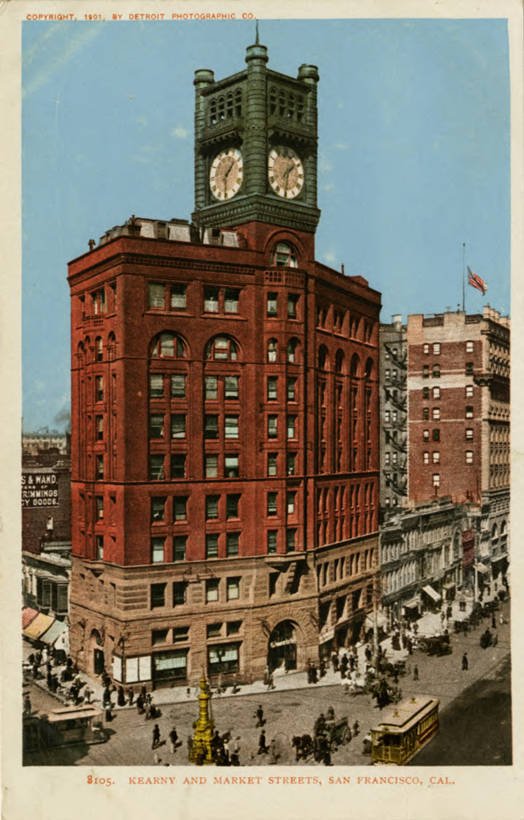
Vintage postcard image showcasing the intersection of Kearney and Market Streets in San Francisco, California with historic buildings and cityscape.
Origins: The Old Chronicle Building
Commissioned in 1888 by M. H. de Young, publisher of the San Francisco Chronicle, the building at 690 Market Street was designed by Chicago architectural pioneers Daniel Burnham and John Root. Completed in 1890, it soared ten stories high (with a 218-foot clock tower), becoming the tallest structure on the West Coast and California’s first true skyscraper. Its steel-frame construction and imposing Richardsonian Romanesque style—with robust masonry, rounded arches, and detailed stonework—set new standards for commercial architecture (Downtown SF).
Notable Events and Evolution
The building quickly became known as the “Temple of Commerce,” central to the city’s economic and cultural vibrancy. In 1905, a fire ignited by celebratory fireworks damaged the iconic clock tower, but the structure’s steel frame helped it withstand the catastrophic 1906 earthquake and fires, securing its reputation as an engineering marvel.
Over time, the building underwent significant alterations, including a 1920s Art Deco renovation that introduced modernist details while preserving the historic facade. Eventually, as the Chronicle relocated, the building was repurposed for other commercial uses, leading to a gradual decline in its prominence.
Transformations and Preservation
By the late 20th century, the Old Chronicle Building faced an uncertain future. However, recognition of its historical and architectural significance prompted efforts to preserve it. In 2004, it was designated San Francisco Landmark No. 243, paving the way for a sensitive restoration that would respect its heritage while adapting it for modern use (Downtown SF).
Modern Rebirth as Ritz-Carlton Club & Residences
In the early 2000s, new owners undertook a meticulous restoration and expansion, adding eight new stories and transforming the property into a luxury residential club. The original facade was carefully preserved, while the upper floors introduced contemporary glass and steel elements. The interior was reimagined with premium finishes and state-of-the-art amenities, reopening in 2007 as The Ritz-Carlton Club and Residences—a blend of historic grandeur and modern sophistication (Ritz-Carlton Club San Francisco Official Site).
Cultural and Urban Importance
The building’s transformation is emblematic of San Francisco’s commitment to adaptive reuse and sustainable urban development. As the West Coast’s first skyscraper, its legacy remains woven into the city’s identity. Located at the crossroads of Market and Kearny Streets, it sits at the heart of the Financial District, Union Square, and a dynamic shopping and dining scene. The Ritz-Carlton Club and Residences is more than a residence—it is a living monument to the city’s resilience and ambition (Downtown SF).
Visitor Information: Hours, Tickets, and Access
Public Access and Admission
The Ritz-Carlton Club and Residences primarily functions as a private residential and members-only club, so interior access is generally limited to residents and their guests. There are no standard public visiting hours or ticketed entry. However, the building’s historic exterior and surrounding plaza are openly accessible at all times, providing opportunities for photography and sightseeing.
Occasionally, guided tours or public events are organized by the property or affiliated historical organizations. These events require advance reservations or tickets; inquire directly with the club or visit their website for updates (Ritz-Carlton Club San Francisco Official Site).
Travel Tips: Accessibility, Parking, Best Times
Accessibility
The property and surrounding sidewalks are wheelchair accessible, with nearby public transportation options providing easy access for all visitors.
Parking
No public parking is available onsite, but several parking garages are located nearby in the Financial District and Union Square. Public transit or rideshare services are recommended, especially during busy periods.
Best Times to Visit
San Francisco’s mild climate makes this area pleasant year-round. For the best photography and fewer crowds, visit on weekdays and during early morning or late afternoon hours. Check the club’s calendar for any upcoming events or tours.
Accommodations and Amenities
Residences range from one- to three-bedroom floor plans, featuring luxurious finishes, Italian-marble baths, and expansive suites. Amenities include a 24-hour fitness center, business hub, and an exclusive 12th-floor Members Lounge for social gatherings. A team of attentive staff—bellmen, doormen, and personalized concierge—ensures every guest enjoys the legendary Ritz-Carlton service (Ritz-Carlton Club San Francisco Official Site).
Nearby Attractions and Experiences
The Ritz-Carlton Club and Residences is ideally situated for exploring San Francisco’s top attractions:
- Union Square: World-class shopping and dining
- Financial District: Business and architectural landmarks
- Cable Cars: Iconic transit experience
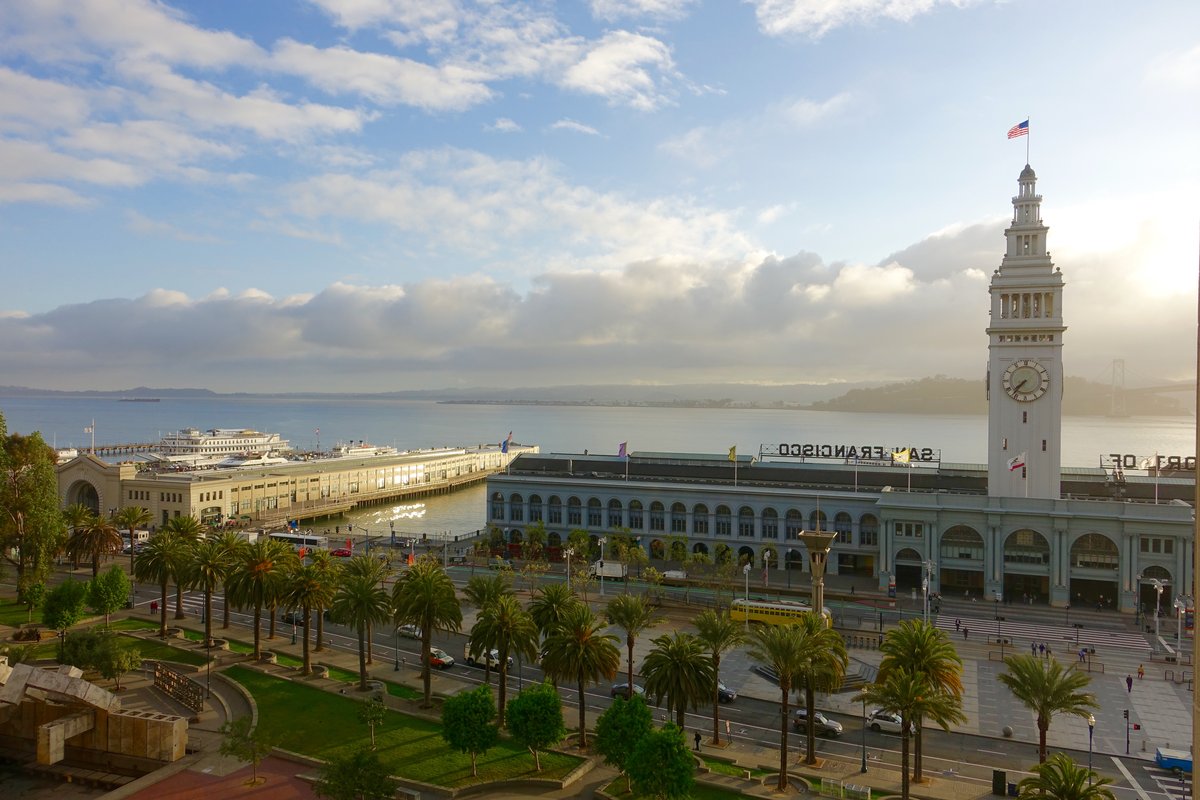
- Ferry Building, Fisherman’s Wharf, Ghirardelli Square: Easily accessible via transit or on foot
Other nearby cultural sites include Lotta’s Fountain, the Mechanics’ Institute, historic restaurants like Tadich Grill, and the San Francisco Museum of Modern Art (Downtown SF).
Unique Experiences
The building’s historic legacy is celebrated through curated experiences, such as the planned “History in Bloom Gallery,” which will feature archival photography and narratives. Weekly social events in the Members Lounge foster a vibrant community for residents and guests.
Frequently Asked Questions (FAQ)
Q: Can I tour the interior of the Ritz-Carlton Club and Residences?
A: Interior access is restricted to residents and members. Occasionally, guided tours or public events may be available; contact the property for details.
Q: Are there any admission fees?
A: There is no fee to view the exterior. Special events or tours may require advance registration and a fee.
Q: What are the best transit options?
A: Multiple Muni and BART lines (including Powell Street Station) serve the area.
Q: Is the building wheelchair accessible?
A: Yes, the sidewalks and nearby transit are accessible.
Q: What parking options are nearby?
A: Public parking garages are available in the vicinity, but public transit is recommended.
Contact and Booking Information
For reservations, event inquiries, or more information:
- Phone: +1 415-781-9000
- Website: Ritz-Carlton Club San Francisco Official Site
Listen to the full story in the app
Your Personal Curator, in Your Pocket.
Audio guides for 1,100+ cities across 96 countries. History, stories, and local insight — offline ready.
Audiala App
Available on iOS & Android
Join 50k+ Curators
Sources
- verified
- verified
- verified
- verified
Last reviewed: