


Indigenous Foundations and Early Inhabitants
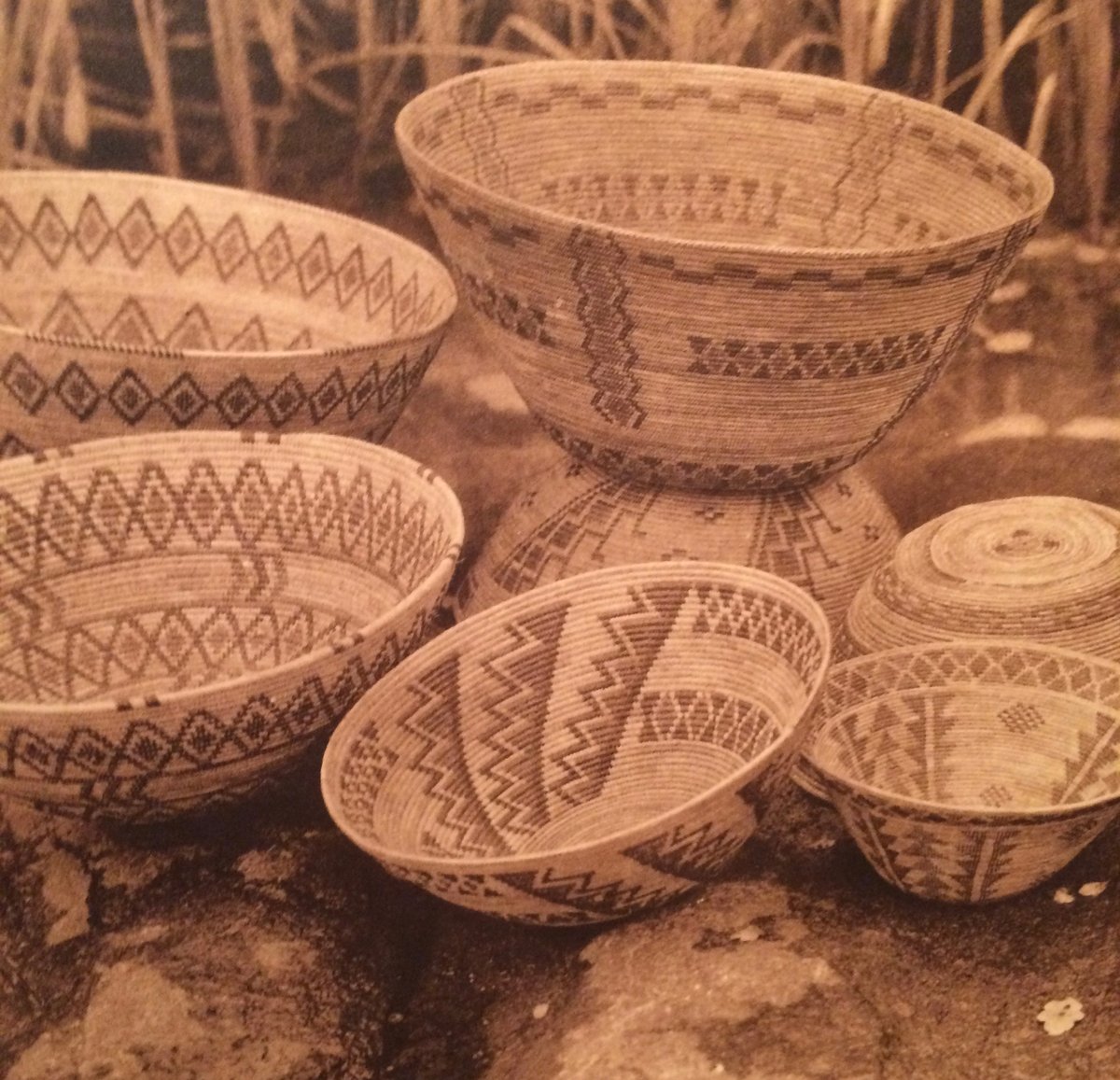
Long before European colonization, the land now known as the Presidio was home to the Yelamu people, a local branch of the Ramaytush Ohlone. Their villages, dating back over a millennium, thrived on the region’s abundant natural resources and practiced sustainable land management (Presidio.gov). Archaeological sites, including shell mounds at Crissy Field, confirm Ohlone presence as early as 740 CE (Presidio History Fact Sheet PDF). The Presidio’s Indigenous heritage remains central to its identity and is honored through interpretive programs and ongoing preservation efforts.
Spanish Colonial Era (1776–1821)
In 1776, Spanish explorers established El Presidio Real de San Francisco as the northernmost outpost of New Spain (U.S. History; Wikipedia). Built with Ohlone labor, the Presidio was designed to protect the bay from foreign powers and to support the nearby Mission Dolores. During this period, the Presidio became a center of colonial administration and played a pivotal role in the forced assimilation of Indigenous peoples—over 11,000 Native Americans from dozens of tribes were brought under Spanish control by 1810 (Presidio History Fact Sheet PDF).
Mexican Rule (1822–1846)
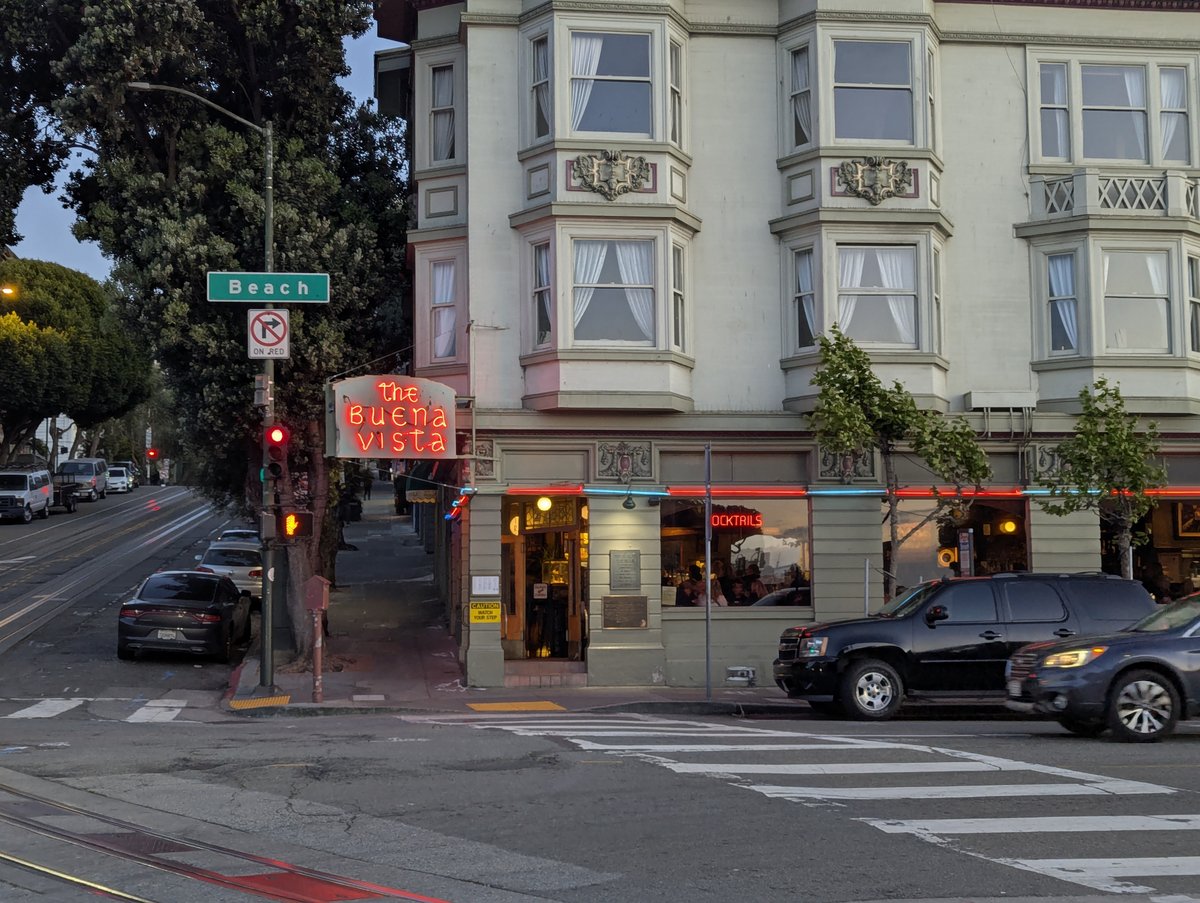
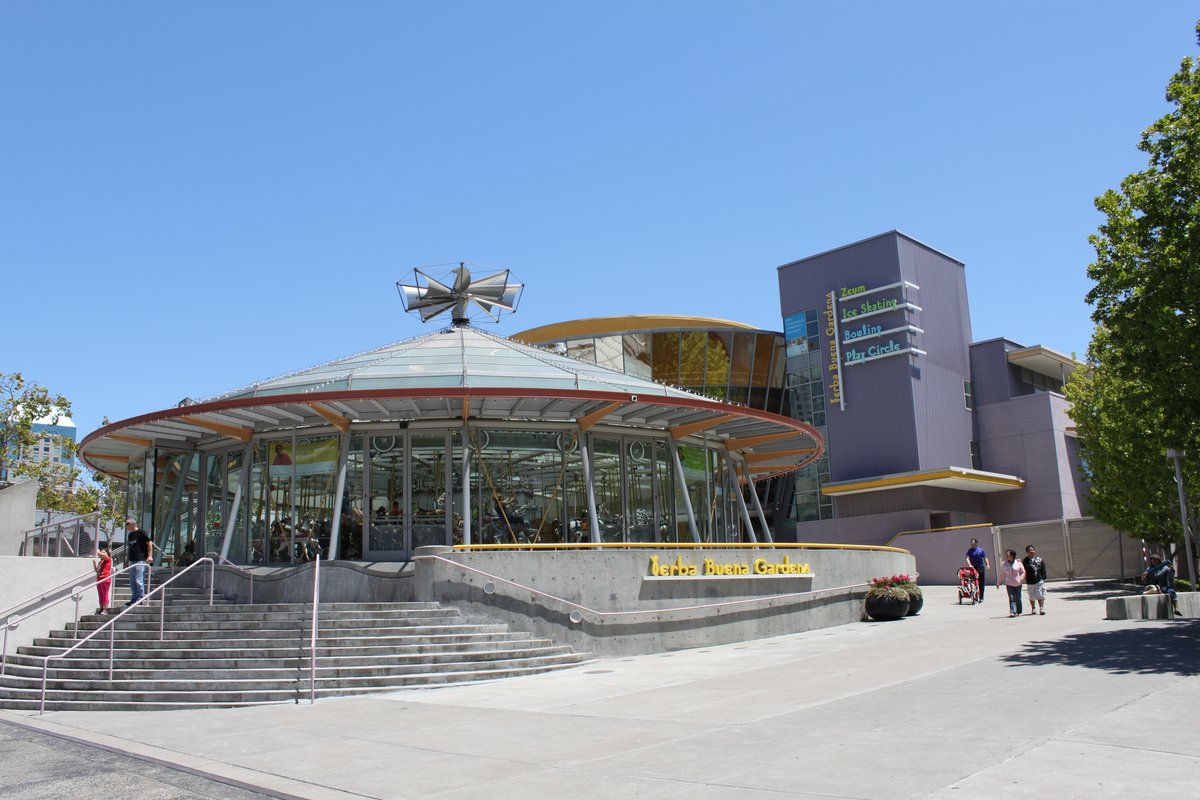
With Mexico's independence from Spain, the Presidio passed to Mexican control, though daily life changed little at first (Presidio.gov). By the 1830s, most Mexican forces had relocated to Sonoma, and the Presidio began to serve as a hub for Pacific trade. In 1834, it hosted the first official civil election for the region, and the port of Yerba Buena—later San Francisco—emerged as a civilian settlement (Presidio History Fact Sheet PDF).
U.S. Army Era (1846–1994)
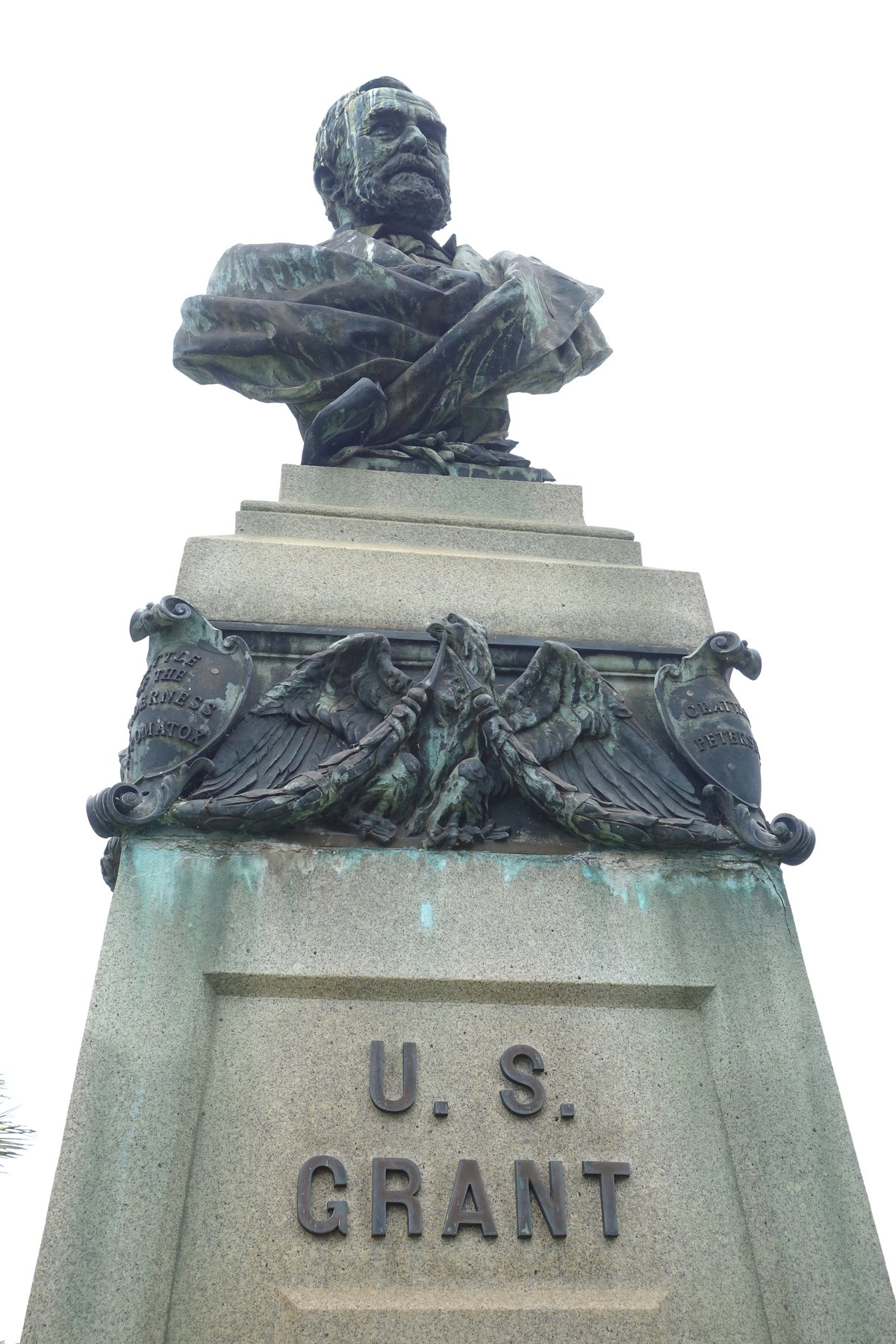
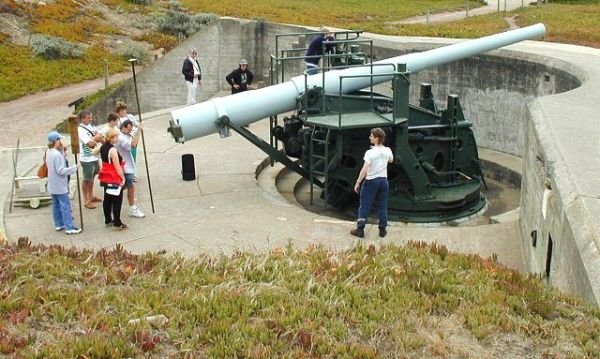
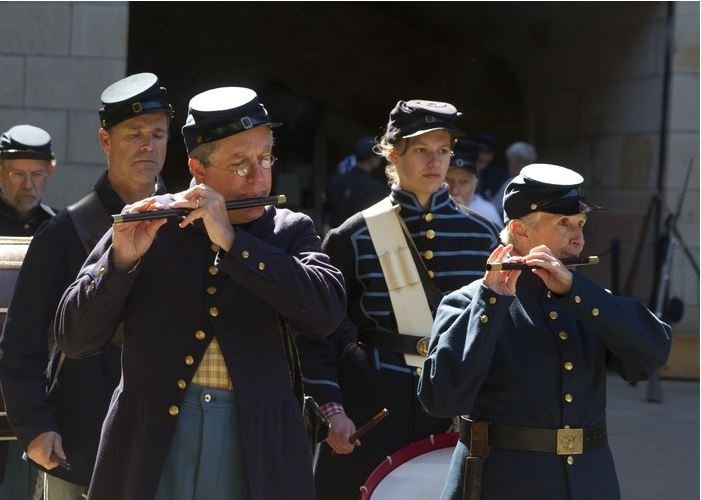
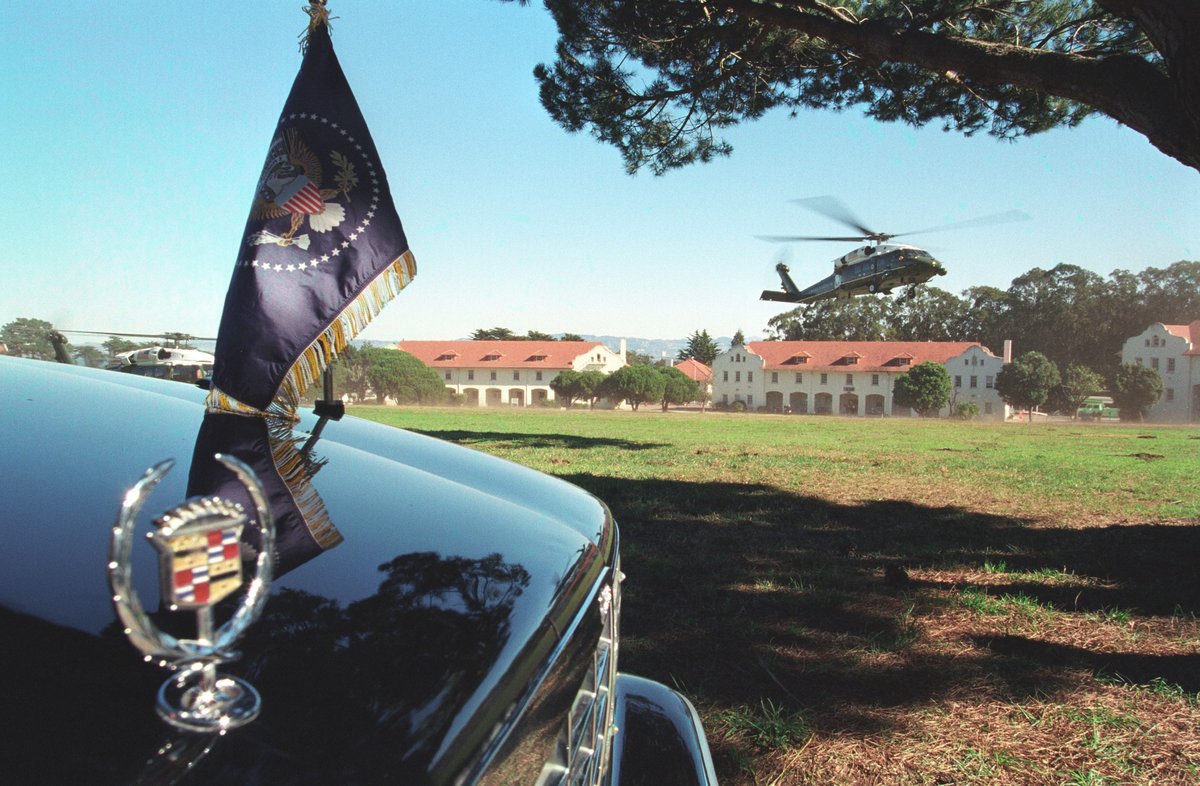
Seized by the U.S. during the Mexican–American War, the Presidio became a permanent Army post by 1848 (Wikipedia). The Gold Rush spurred rapid growth, and the Presidio expanded to include multiple posts, hospitals, and coastal defenses (Presidio History Fact Sheet PDF). The base played a role in every major American conflict from the Civil War to Operation Desert Storm (Presidio.gov). Notably, after the 1906 earthquake, the Presidio housed thousands of city refugees, and during WWII, it was the headquarters for the Western Defense Command, where the orders for Japanese internment were signed (Wikipedia).
The site’s military use ironically preserved its landscapes and historic architecture, which might have otherwise been lost to urban development. In 1962, it was designated a National Historic Landmark (Wikipedia).
Transition to National Park (1994–Present)
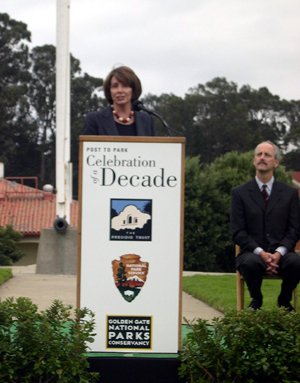
In 1994, the Presidio was transferred from the Army to the National Park Service and became part of the Golden Gate National Recreation Area (Wikipedia). The Presidio Trust, formed in 1996, manages the majority of the park’s interior, while the National Park Service oversees coastal areas. The park achieved financial self-sufficiency in 2005, years ahead of schedule. Today, the Presidio features 1,491 acres of open space, 24 miles of hiking trails, 25 miles of bikeways, and a vibrant community of residents and visitors (Visitor Experience Fact Sheet PDF).
Visitor Information
Visiting Hours
- Presidio Grounds Open daily, 6:00 AM–10:00 PM (Presidio.gov FAQ).
- Presidio Visitor Center Daily, 10:00 AM–5:00 PM.
- Walt Disney Family Museum Tuesday–Sunday, 10:00 AM–6:00 PM; closed Mondays (Walt Disney Family Museum).
- Rob Hill Campground Seasonal, by reservation (Rob Hill Campground).
Check individual attraction websites for specific hours.
Tickets and Entry Fees
- General Admission Free for all visitors.
- Attractions Some museums and events (e.g., Walt Disney Family Museum) require paid tickets.
- Camping Reservations and fees apply to Rob Hill Campground.
Accessibility
- Mobility Most main trails, visitor centers, and shuttles are wheelchair accessible (wheelchairtravel.org).
- Transportation The PresidiGo Shuttle is free, wheelchair accessible, and operates daily.
- Parking Accessible spaces are found in all major lots.
Getting There and Parking
- Public Transit Muni buses (1, 29, 30, 45) and PresidiGo Shuttle provide convenient access.
- By Car Multiple parking lots are available; rates range from $2.50–$3/hour or $12.50–$15/day, payable via the PayByPhone app.
- By Bike Over 25 miles of bike paths and ample bike parking (presidio.gov).
Facilities and Amenities
- Restrooms Available at all major sites including Visitor Center, Crissy Field, Main Post, and Tunnel Tops.
- Food & Drink Options include the Commissary, Arguello, cafes, and seasonal food trucks (nationalparkobsessed.com).
- Lodging Stay at Inn at the Presidio or Lodge at the Presidio.
- Picnic Areas Plentiful at Crissy Field, Tunnel Tops, Baker Beach, and more.
Guided Tours and Events
- Self-Guided Itineraries Downloadable maps and themed routes available on the official website.
- Guided Tours Ranger talks and special programs offered periodically.
- Events Annual festivals, outdoor concerts, film screenings, and the popular Presidio Picnic.
Top Photo Spots
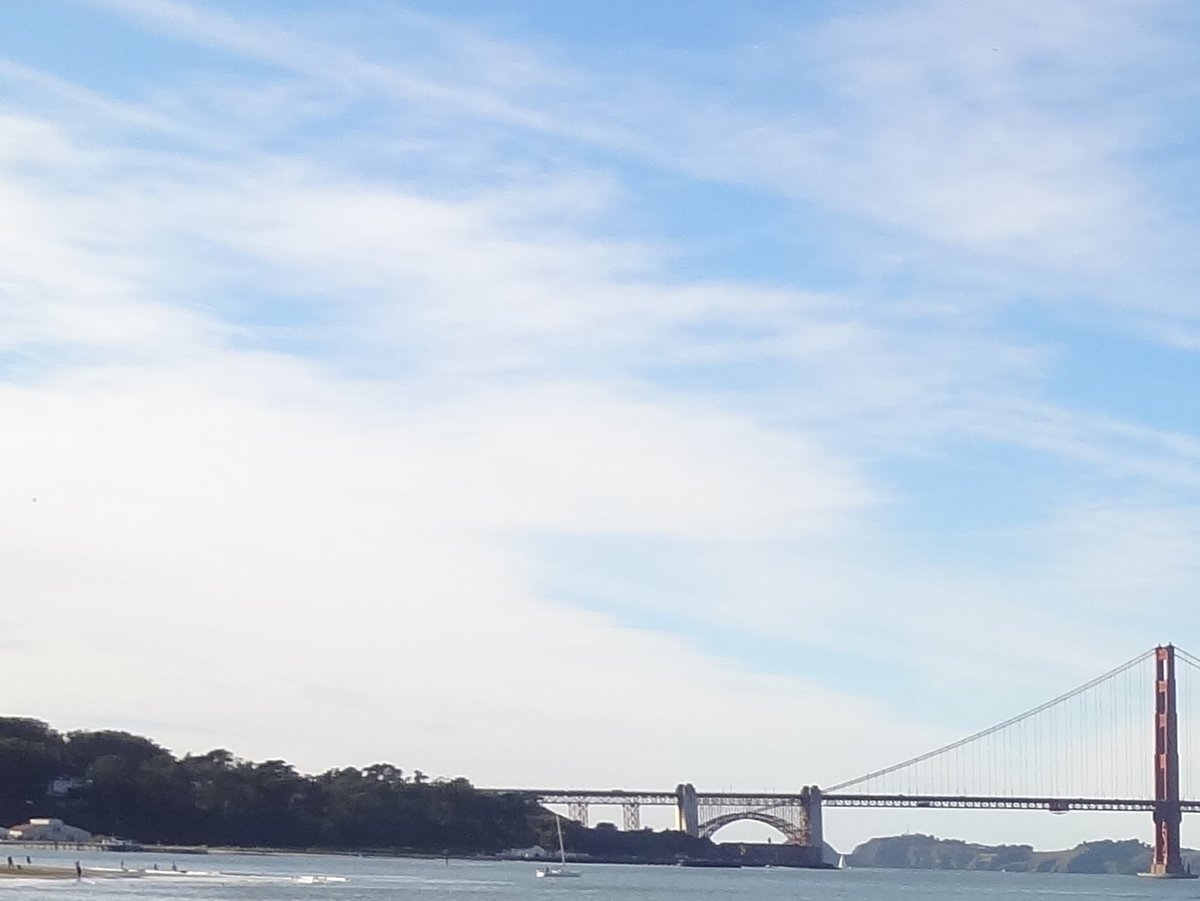
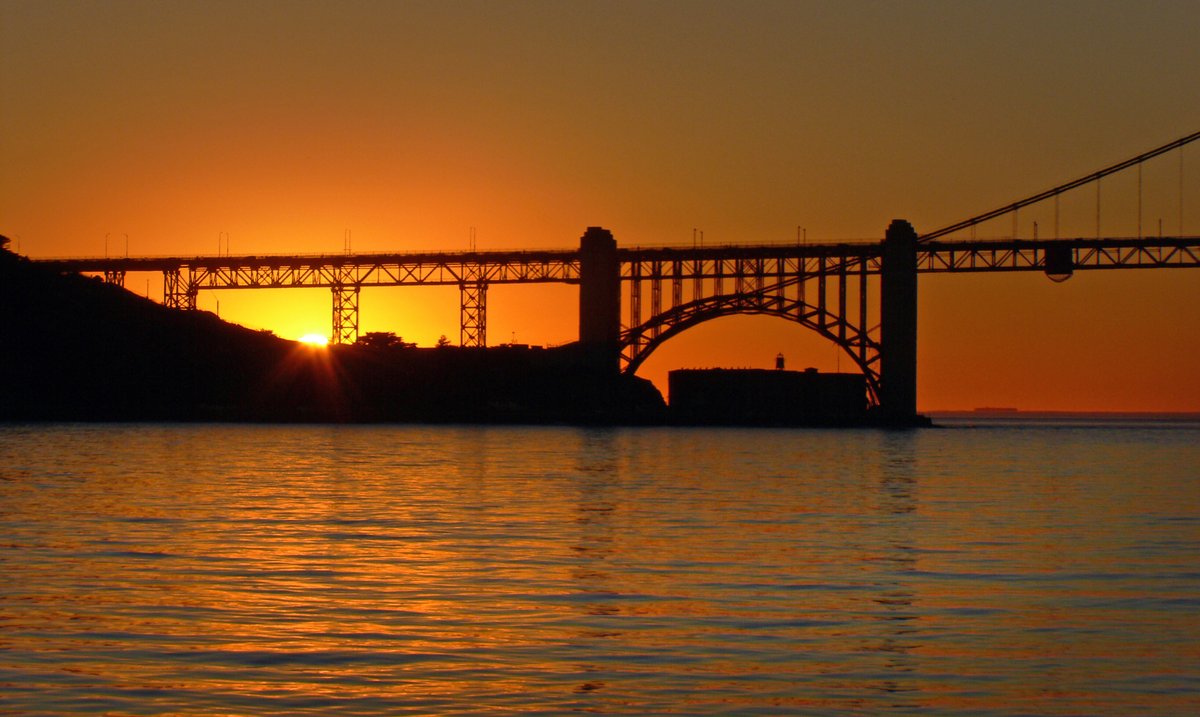
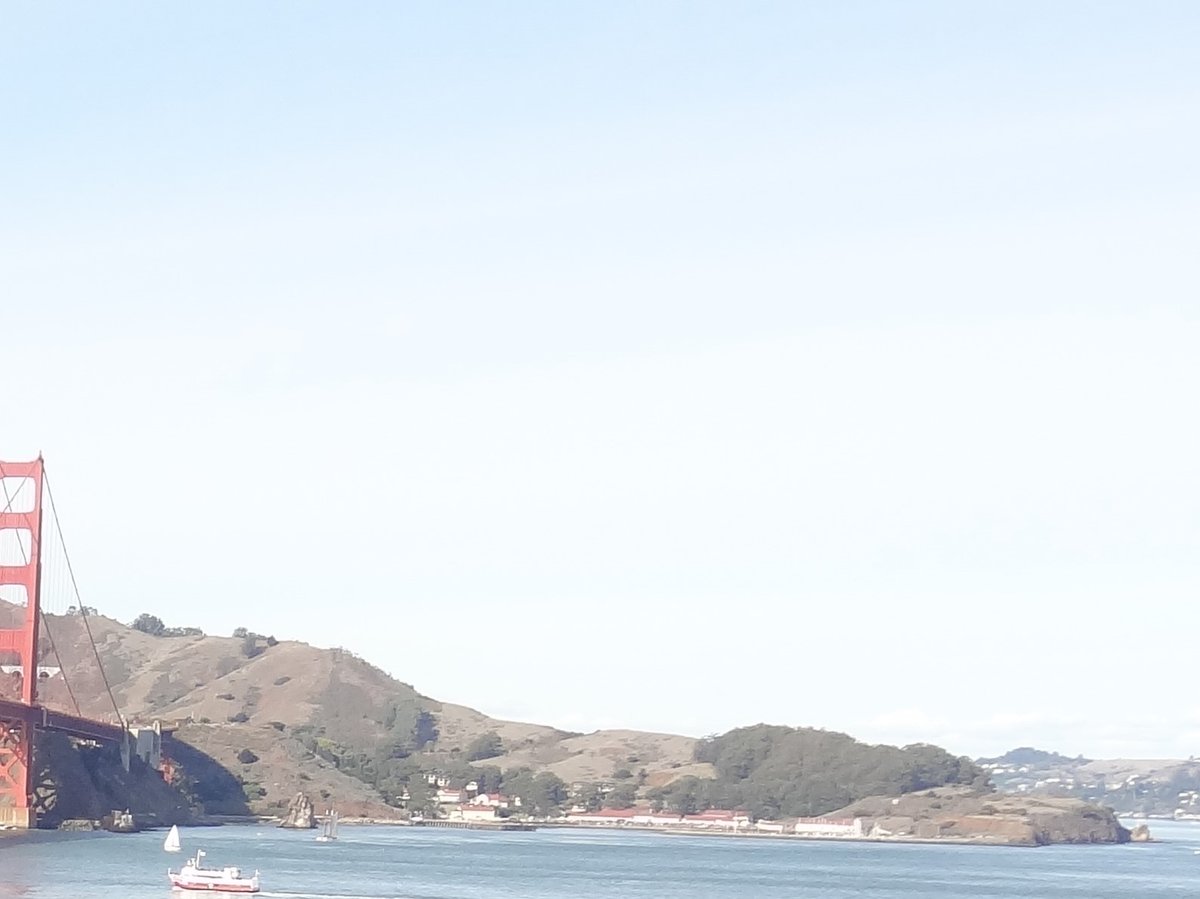
- Golden Gate Overlooks Battery East, Golden Gate Overlook, and Marshall’s Beach.
- Historic Main Post and Officers’ Club.
- Crissy Field and Tunnel Tops Unbeatable views and family-friendly play areas.
Key Attractions
- Presidio Visitor Center Orientation, maps, exhibits, and expert advice (Presidio.gov).
- Presidio Officers’ Club Museum with exhibits on Indigenous, Spanish, Mexican, and U.S. Army eras (Presidio Officers’ Club).
- Walt Disney Family Museum Animation history and interactive galleries (Walt Disney Family Museum).
- Presidio Tunnel Tops 14-acre park with gardens, food trucks, playgrounds, and panoramic views (Presidio Tunnel Tops).
- Crissy Field Restored waterfront, marsh, and promenade (Crissy Field).
- Baker Beach and Marshall’s Beach Iconic views and seaside recreation.
- Andy Goldsworthy Art Installations Four site-specific sculptures blending nature and art.
- Yoda Fountain At Lucasfilm’s Letterman Digital Arts Center (Lonely Planet).
Architectural and Cultural Legacy
The Presidio’s 800+ buildings reflect a blend of Spanish Colonial, Victorian, and military architectural styles (Wikipedia). Many, like the Officers’ Club and Main Post, have been carefully restored and repurposed as museums, hotels, and cultural venues (Visitor Experience Fact Sheet PDF). Public art, such as Andy Goldsworthy’s installations, and community events add contemporary vibrancy to the historic setting.
Ongoing Preservation
Restoration projects, archaeological investigations, and interpretive programs keep the Presidio’s complex history alive (Presidio.gov). Natural habitat restoration at El Polín Spring, Crissy Marsh, and Quartermaster Reach Marsh has revived urban biodiversity. Ongoing stewardship ensures the park remains a living laboratory for history, ecology, and community engagement (Visitor Experience Fact Sheet PDF).
Frequently Asked Questions
What are the Presidio visiting hours?
The Presidio grounds are open daily from 6:00 AM to 10:00 PM. Some attractions have their own hours.
Do I need a ticket to enter the Presidio?
No general admission is required. Some museums or events do require tickets.
Is the Presidio accessible for wheelchairs?
Yes, major areas and transportation are wheelchair accessible.
Are pets allowed?
Dogs are welcome on-leash in most areas. Please clean up after your pet and observe posted rules.
Is parking available?
Yes, paid parking is available throughout the park. Use the PayByPhone app or pay stations.
Are guided tours available?
Ranger-led programs and special tours are offered throughout the year. Check schedules on Presidio.gov.
Discover More
The Presidio of San Francisco is more than just a scenic park; it’s a living testament to the city’s Indigenous roots, colonial ambitions, military legacy, and ongoing conservation efforts. With free admission, accessible amenities, and a diverse range of attractions, the Presidio invites everyone to explore its trails, museums, and cultural installations. Plan your visit by checking current Presidio visiting hours, reviewing ticket information for special attractions, and using public transit or the free PresidiGo Shuttle for ease of access. Download the Audiala app for interactive tours and digital resources, and follow official channels for updates and events. Experience the Presidio’s dynamic blend of history, nature, and community, and help preserve this extraordinary landmark for future generations.