Introduction
Located in San Francisco’s lively Civic Center district, the Orpheum Theatre is one of the city’s most iconic landmarks, celebrated for its rich history, architectural grandeur, and enduring role in the performing arts. Since first opening its doors in 1926, the Orpheum has evolved from a vaudeville venue to a premier destination for Broadway shows and concerts, serving as both a cultural hub and an architectural masterpiece. Designed with striking Spanish Baroque Revival and Beaux-Arts elements, the Orpheum offers visitors an immersive experience that bridges San Francisco’s past and present (broadwaytheatresanfrancisco.com, en.wikipedia.org).
This guide provides detailed information on the Orpheum Theatre’s history, architecture, visiting hours, ticketing, guided tours, accessibility, travel tips, and nearby attractions—ensuring you make the most of your visit to this celebrated San Francisco historical site (factsgem.com, broadwaysf.com).
Origins and Early Years (1926–1930s)
Commissioned by vaudeville impresario Alexander Pantages, the Orpheum Theatre originally opened as the Pantages Theatre in 1926. Designed by B. Marcus Priteca, the building drew inspiration from 12th-century French cathedrals, showcasing a blend of Beaux-Arts and Spanish Baroque Revival styles. The venue quickly became a hotspot for vaudeville acts, hosting legendary performers like Benny Goodman and Marlon Brando. In 1929, it was renamed the Orpheum Theatre, aligning with the wider Orpheum Circuit (broadwaytheatresanfrancisco.com, factsgem.com).
Transition to Cinema and the Golden Age (1930s–1960s)
As vaudeville declined, the Orpheum pivoted to become a top-tier movie palace, screening silent films and “talkies.” Its grand interiors—featuring vaulted ceilings, decorative plasterwork, and a star-studded mural—created an immersive cinematic experience. The theater’s marquee became a fixture on Market Street, and its original 2,200-seat capacity allowed it to host major movie premieres (factsgem.com).
Architectural Significance and Preservation
Both the exterior and interior of the Orpheum Theatre exemplify architectural splendor. The ornate façade is adorned with stone carvings and cathedral motifs, while inside, elaborate chandeliers, gold accents, and a ring of sculpted lions command attention. In 1977, the theater was designated a San Francisco Landmark, ensuring its historical integrity was preserved through subsequent renovations (en.wikipedia.org, theclio.com, broadwaysf.com).
Renovations and Modernization (1970s–1990s)
A series of renovations in the late 20th century revitalized the Orpheum, blending historic charm with modern amenities. Notably, a $20 million restoration in 1998 enhanced acoustics, seating, and backstage facilities, making the venue suitable for large-scale Broadway shows. The theater also introduced accessibility improvements, including wheelchair seating and assistive listening devices (en.wikipedia.org, factsgem.com).
The Orpheum as a Broadway Powerhouse (1990s–Present)
Today, the Orpheum is a flagship venue for BroadwaySF, regularly hosting touring Broadway productions such as “The Lion King,” “Les Misérables,” “Wicked,” and more. It also serves as a site for special events, award shows, and community programs, drawing over 200,000 attendees annually and contributing to San Francisco’s cultural and economic vitality (theclio.com).
Legends and Community Impact
The Orpheum is steeped in local lore, with tales of ghostly encounters adding to its mystique. Its iconic marquee and façade make it a popular spot for photos and symbolize the city’s enduring love for the performing arts (factsgem.com).
Architectural Context and Comparisons
The Orpheum’s Spanish Baroque Revival design, attributed to both G. Albert Lansburgh and B. Marcus Priteca, sets it apart from the predominantly classical and modernist buildings in the Civic Center area. Its ornate terra cotta columns, elaborate cartouches, and illuminated vertical sign make it a standout on Market Street (San Francisco Theatres, SFCivicCenter Visitor Guide). The interior’s gilded plasterwork, marble floors, and grand proscenium arch showcase the opulence of 1920s theater design.
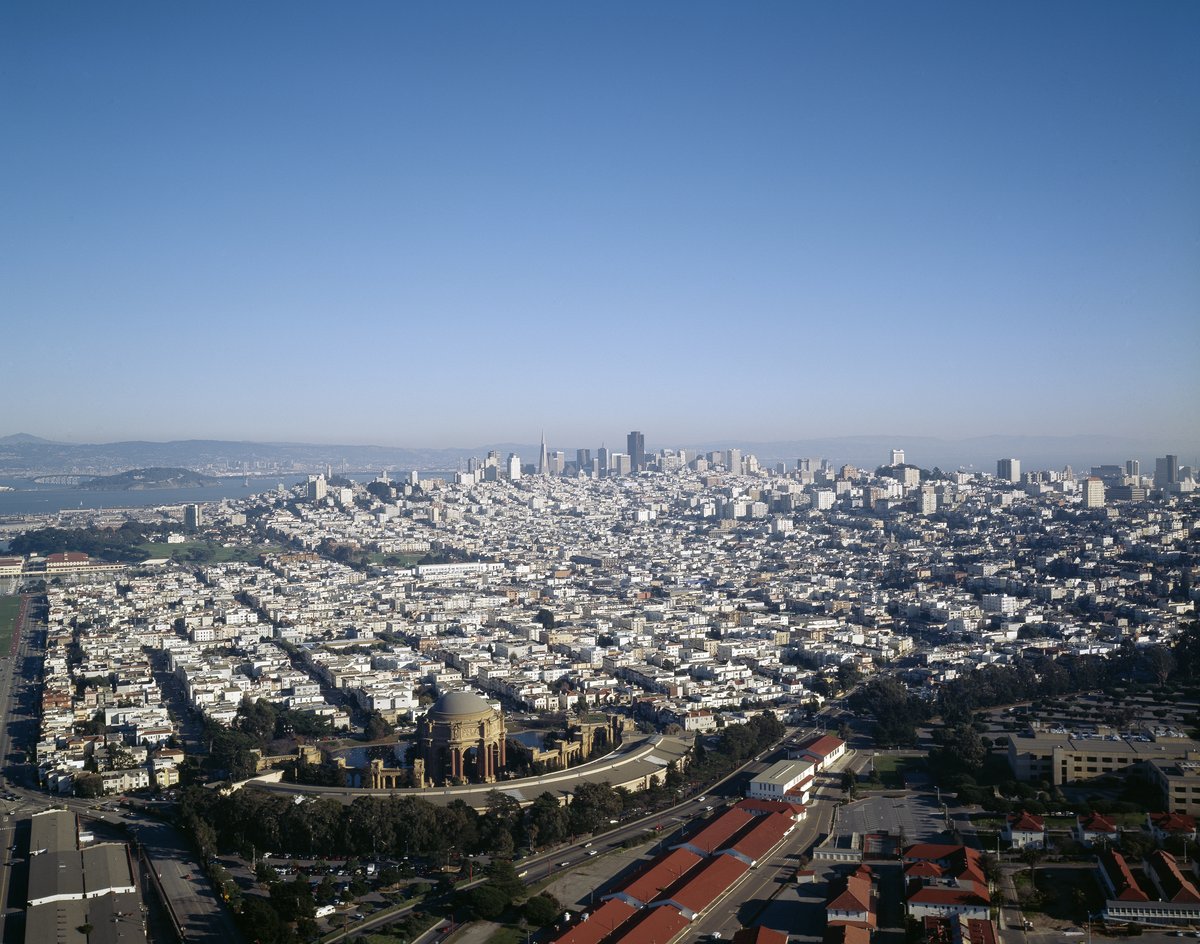
Nearby, architectural landmarks like the Palace of Fine Arts and San Francisco City Hall further illustrate the city’s embrace of diverse styles and its commitment to monumental public spaces.
Visiting the Orpheum Theatre
Location and Access
- Address: 1192 Market Street at 8th Street, San Francisco, CA
- Transit: Steps from Civic Center/UN Plaza BART and Muni Metro stations; multiple bus lines and nearby ride-share drop-off zones
Visiting Hours
- Box Office: Generally open Monday–Saturday, 10:00 AM to 6:00 PM, with extended hours on performance days. Doors typically open 60–90 minutes before showtime.
- Note: Hours may vary on holidays or for special events. Always check the official website or call ahead for current information (Trip101).
Tickets and Seating
- Purchase: Online via BroadwaySF, at the box office, or through authorized vendors. Early purchase is recommended for popular events.
- Seating: Orchestra (closest to the stage), Loge/Mezzanine (elevated), and Balcony (panoramic views). The theater seats approximately 2,200 guests. Seating charts and tips are available via A View From My Seat.
Accessibility
- Wheelchair-accessible seating and entrances
- Assistive listening devices (complimentary)
- Elevators serving all public levels
- ASL, Open Caption, and AudioVision performances on select dates
- Service animals welcome
- Inform the box office at purchase if special accommodations are needed (Broadway Theatre San Francisco FAQ)
Amenities
- Restrooms (including accessible facilities) on each level
- Concession stands with beverages and snacks
- Show merchandise available in the lobby
Dress Code and Etiquette
- No formal dress code; smart-casual is common
- Arrive early to enjoy the ambiance and avoid disruptions; late arrivals may be seated at appropriate breaks
- Silence mobile devices and refrain from photography or recording during performances
Parking and Public Transit
- Public Transit: Highly recommended—Civic Center/UN Plaza BART and Muni stations are steps away
- Parking Garages: Civic Center Garage (355 McAllister St.), UC Hastings Garage (376 Larkin St.), Fox Plaza Garage (1390 Market St.). Reserve ahead if possible.
- Ride-share: Drop-off zones are located near the entrance
Guided Tours
- Guided tours are occasionally available, particularly during festivals or by appointment. Check the official website or contact the box office for current offerings.
Safety and Security
- Security checks are in place for all performances
- Large bags and outside food/drinks are prohibited
Enhancing Your Visit
Pre- and Post-Show Dining
Numerous dining options are available nearby, including pre-theater menus and late-night spots in the Civic Center and Mid-Market areas. Reservations are recommended for popular restaurants.
Photography
- The marquee and façade on Market Street, especially illuminated at night, are excellent for photos.
- Interior photography is generally permitted in public areas, but not during performances.
Community Engagement
The Orpheum hosts community events, educational programs, and occasionally features artist meet-and-greets at the stage door after shows (Broadway Theatre San Francisco FAQ).
Nearby Attractions
- San Francisco City Hall
- Asian Art Museum
- Civic Center Plaza
- UN Plaza Farmers Market (Wednesdays and Sundays)
- Union Square shopping district
Frequently Asked Questions (FAQ)
What are the Orpheum Theatre’s visiting hours?
Box office is typically open 10:00 AM–6:00 PM, with doors opening 60–90 minutes before showtime. Check the official website for updates.
How can I purchase tickets?
Online at BroadwaySF, at the box office, or via authorized sellers.
Is the Orpheum Theatre wheelchair accessible?
Yes, including designated seating, entrances, and services for hearing/vision disabilities.
Are guided tours available?
Occasionally, by appointment or during special events.
Where can I park?
Several public garages are nearby; public transit is recommended due to limited parking.
Are children allowed?
Many shows are family-friendly, but age recommendations vary by production.
Related Articles
- Top Broadway Shows in San Francisco
- Guide to San Francisco Historical Sites
- Best Dining Near San Francisco Theatres
Plan Your Visit Today!
Experience the magic of the Orpheum Theatre—San Francisco’s destination for world-class performances and architectural splendor. Download the Audiala app for up-to-date showtimes, ticket deals, and exclusive content. Follow us on social media for news and behind-the-scenes features. Make the Orpheum Theatre part of your San Francisco adventure!
Summary and Recommendations
The Orpheum Theatre is a living monument to San Francisco’s performing arts tradition and architectural legacy. Its blend of historic charm, modern amenities, and dynamic programming make it a must-visit for locals and tourists alike. For the best experience, check the official website, secure tickets in advance, and consider exploring nearby cultural attractions to round out your visit (en.wikipedia.org, sfplanning.org, broadwaysf.com, broadwaytheatresanfrancisco.com).
Listen to the full story in the app
Your Personal Curator, in Your Pocket.
Audio guides for 1,100+ cities across 96 countries. History, stories, and local insight — offline ready.
Audiala App
Available on iOS & Android
Join 50k+ Curators
Sources
-
verified
Broadway Theatre San Francisco
Orpheum Theatre San Francisco Information
-
verified
Wikipedia contributors
Orpheum Theatre (San Francisco). Wikipedia. )
-
verified
Facts Gem
Facts About Orpheum Theatre San Francisco
-
verified
BroadwaySF
Your Visit - Getting Here - Orpheum Theatre
-
verified
San Francisco Planning Department
Citywide Historic Context Statement
-
verified
San Francisco Theatres Blog
(2018). Orpheum Theatre
-
verified
The Clio
Orpheum Theatre
Last reviewed: