Introduction to One Rincon Hill and Its Significance
One Rincon Hill, a transformative presence in San Francisco’s historic Rincon Hill neighborhood, stands as both a symbol of the city’s urban renewal and a marvel of modern engineering. Comprised of two soaring towers and luxury townhomes, the complex not only reshapes San Francisco’s skyline but also honors the area’s storied past as one of the city’s original “Seven Hills.” From its origins as a sandy peninsula through Gold Rush prosperity, periods of decline, and resurgence into a dense urban enclave, Rincon Hill’s evolution mirrors that of San Francisco itself (The Towers at Rincon, SPUR, Wikipedia).
One Rincon Hill, developed in two phases between 2005 and 2014, is renowned for its innovative seismic engineering—featuring California’s pioneering Performance Seismic Design for residential high-rises and advanced dampening systems to ensure safety in earthquake-prone San Francisco (SCB, CTBUH, SFYIMBY). Its sleek glass architecture offers sweeping views of the Bay and city, while its integration into the SoMa district highlights the neighborhood’s ongoing renewal.
Though One Rincon Hill is a private residential complex without public tours, the surrounding Rincon Hill neighborhood invites visitors to explore scenic parks, waterfront promenades, dining, and cultural landmarks. With its layered history, architectural significance, and central location, this area is a compelling destination for visitors seeking authentic San Francisco experiences (San Francisco Travel Official Site, SF Planning).
This guide provides an in-depth look at the history, architecture, visitor information, nearby attractions, and expert tips to enrich your exploration of One Rincon Hill and its vibrant neighborhood.
Photo Gallery
Explore One Rincon Hill in Pictures
Historical Context of Rincon Hill
Early Origins and Geographical Significance
Rincon Hill sits at San Francisco’s southeastern corner, originally a sandy peninsula called Rincon Point—named for its “corner” position at Yerba Buena Cove (The Towers at Rincon). Before urbanization, it served as open space for early residents. Landfill projects later extended the shoreline, reshaping the area’s geography (SF Planning).
Gold Rush Era and Urban Growth
The 1846 American occupation and 1849 Gold Rush sparked rapid growth. Rincon Hill became a prestigious address as the city’s grid expanded into newly filled land, drawing affluent residents and contributing to San Francisco’s burgeoning identity (SPUR).
Residential Prestige and Decline
By the mid-19th century, Rincon Hill was home to San Francisco’s elite, with grand mansions and prominent residents. The introduction of omnibus lines in 1854 connected it to downtown, heightening its appeal (SF Planning). However, the Second Street Cut destabilized the hill and, following the devastation of the 1906 earthquake and fire, prompted a shift toward industrialization (Wikipedia).
Industrialization and Urban Change
The construction of the Bay Bridge in the 1930s erased much of Rincon Hill’s residential character, cementing its status as an industrial and underdeveloped zone for decades (Wikipedia).
Modern Redevelopment and One Rincon Hill
Rezoning and renewed investment in the late 20th and early 21st centuries led to Rincon Hill’s transformation into a high-density residential neighborhood. One Rincon Hill, with its cutting-edge design and engineering, became the centerpiece of this revival (Wikipedia).
Visiting Rincon Hill: Practical Information
Location & Getting There
Rincon Hill lies just south of the Financial District, easily accessed by Muni buses, BART (Embarcadero and Montgomery stations), and rideshare services. Public parking is limited due to urban density; transit is recommended.
Visiting Hours and Access
Rincon Hill’s streets, parks, and public spaces are open year-round, generally from dawn to dusk. There are no admission fees or tickets required for outdoor areas like Rincon Park.
Accessibility
The neighborhood features paved paths and ramps, though some streets are steep. Most public areas are accessible, but comfortable footwear is suggested for exploring the terrain.
Travel Tips
- Visit during daylight for optimal views.
- Bring a camera—Rincon Park and the Embarcadero offer spectacular photo opportunities.
- Check local event calendars for tours or festivals.
Nearby Attractions
- Embarcadero Waterfront: Promenades, piers, restaurants, and markets.
- Salesforce Park: Rooftop gardens and walking paths atop the Transit Center.
- South Beach & Mission Bay: Dining, shopping, and cultural venues.
- Ferry Building Marketplace: Historic food hall and farmers market.
Guided Tours and Special Events
Local organizations run walking tours highlighting Rincon Hill’s history and redevelopment. Annual events like San Francisco Open Studios and waterfront festivals often include the neighborhood.
Frequently Asked Questions (FAQs)
Q: Are there any tickets needed to visit Rincon Hill?
A: No, public outdoor spaces are free and open.
Q: What’s the best time to visit?
A: Daytime, especially sunrise or sunset, for views and photography.
Q: Is the area family-friendly?
A: Yes, with parks and safe walking paths.
Q: Is parking available?
A: Limited; public transit is advised.
Q: Are guided tours available?
A: Yes, several organizations offer walking tours focusing on history and architecture.
Visuals and Media
Explore online galleries and virtual tours on San Francisco’s official tourism and historical society websites.

One Rincon Hill: Architecture and Engineering
Tower Configuration and Site Planning
The complex includes two towers:
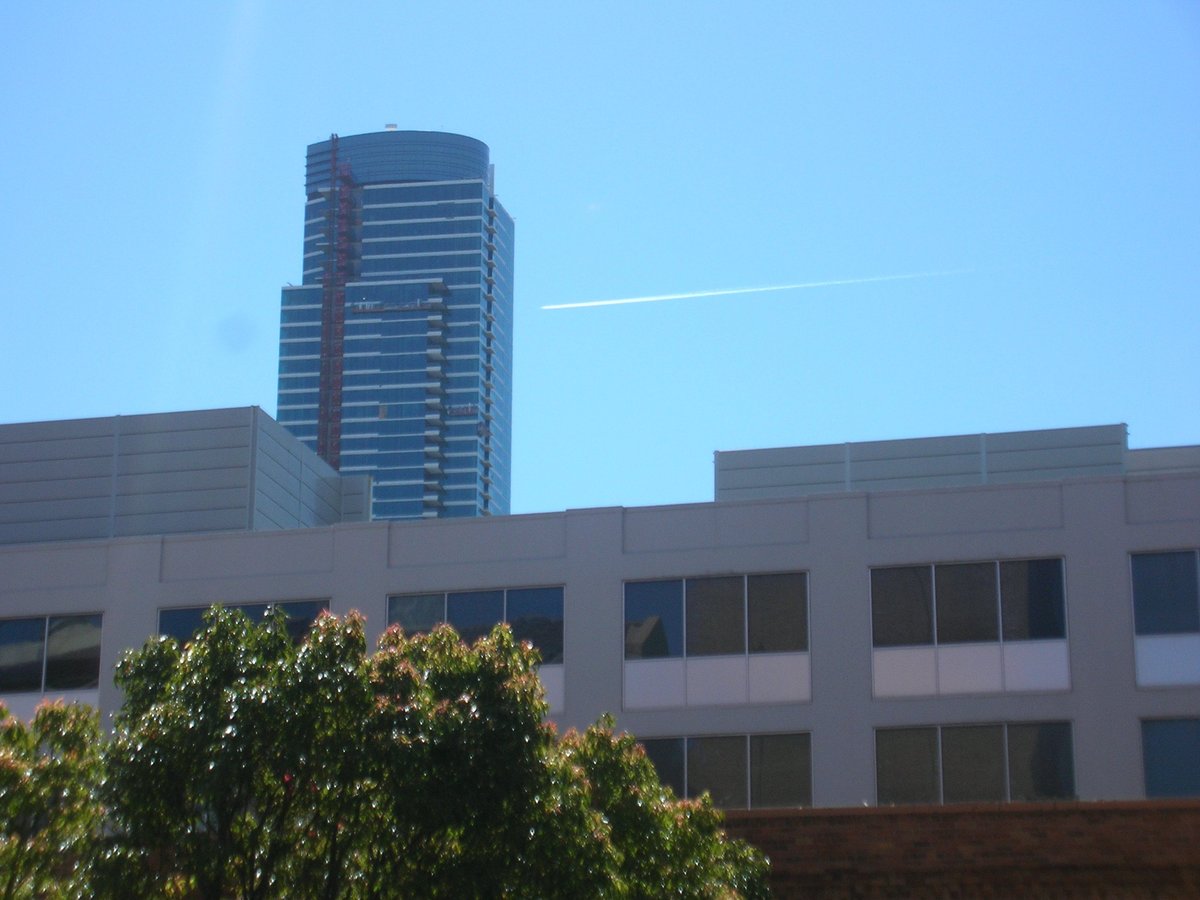
- South Tower: 55 stories, 641 feet (195 meters), atop the 100-foot crest of Rincon Hill.
- North Tower (The Harrison): 45 stories, stepping down the slope.
Fourteen townhomes at the base enhance street-level engagement and conceal parking (SCB, SFYIMBY).
Seismic Resilience and Structural Innovation
One Rincon Hill introduced California’s first approved Performance Seismic Design for residential towers, using a reinforced concrete core and four mass tuned dampers to control sway (CTBUH). The South Tower’s 50,000-gallon tuned liquid damper atop the building minimizes movement during earthquakes and wind events.
Architectural Aesthetics
Designed by Solomon Cordwell Buenz, the towers’ elliptical glass forms create iconic silhouettes and maximize views (SCB).
Amenities and Resident Experience
Residents enjoy luxury amenities:
- 49th-floor sky lounge
- Club lounges
- Fitness centers
- Outdoor pool
- Conference room
- Valet parking (SFYIMBY)
Key Facts and Figures
- Location: 425 First Street, San Francisco, CA
- Units: 709 (376 South Tower, 319 North Tower, 14 townhomes)
- Total area: 1.25 million sq ft
- Completion: South Tower (2008), North Tower (2014)
- Architect: Solomon Cordwell Buenz
- Developer: Urban Pacific Development
- Cost: ~$290 million
- Community Contributions: ~$40 million (SFYIMBY)
Visitor Information and Viewing Tips
Best Vantage Points
- Bay Bridge: For dramatic silhouettes.
- Embarcadero Waterfront: Panoramic city and bay backdrops.
- Twin Peaks & Coit Tower: Elevated, sweeping views.
- First & Harrison Streets: Up-close perspectives.
Walking Tours
Self-guided urban walks along the Embarcadero, Rincon Park, and Salesforce Park provide excellent views and context.
Accessibility and Transportation
Accessible by Muni, BART, and walking from downtown. Limited street parking; public garages and ride-sharing are alternatives.
Frequently Asked Questions (FAQ)
Q: Can I tour the towers or access the interiors?
A: No, the complex is private; only residents and guests have access.
Q: Where are the best photography spots?
A: Embarcadero, Rincon Park, Salesforce Park, Twin Peaks, and Coit Tower.
Q: Are there tickets or fees for nearby parks?
A: Public parks like Rincon Park and Salesforce Park are free.
Q: Is the area wheelchair accessible?
A: Yes, though some streets are steep; major paths and parks are accessible.
Plan Your Visit
Although One Rincon Hill does not offer public tours, its architectural prominence and the rich context of Rincon Hill make the area a must-see for architecture fans and city explorers. Combine scenic walks, photography, dining, and cultural attractions for a rewarding visit. For the latest tips and events, use the Audiala app and follow related social media channels.
Discover More
One Rincon Hill and the broader Rincon Hill neighborhood embody San Francisco’s resilience and vision. From Gold Rush grandeur and industrial decline to a new era of urban luxury and engineering innovation, this area offers a unique lens through which to appreciate the city’s dynamic identity (SPUR, The Towers at Rincon). While the towers themselves are not open to the public, their presence enriches the cityscape, and the neighborhood invites exploration, discovery, and inspiration.
For tailored itineraries, virtual resources, and up-to-date insights, download the Audiala app, check out our related articles, and follow our channels for more San Francisco travel inspiration.
Listen to the full story in the app
Your Personal Curator, in Your Pocket.
Audio guides for 1,100+ cities across 96 countries. History, stories, and local insight — offline ready.
Audiala App
Available on iOS & Android
Join 50k+ Curators
Sources
- verified
- verified
- verified
- verified
- verified
- verified
- verified
- verified
- verified
Last reviewed: