
Indigenous and Spanish Era
Lake Merced’s story begins with the Ohlone people, who sustainably managed its freshwater and abundant wetlands for millennia. The lake’s earliest recorded European encounter was in 1775, when Spanish explorer Don Bruno de Heceta documented the area, followed by Father Pedro Font’s detailed notes on its flora and fauna. The name “Laguna de Nuestra Señora de la Merced” reflects Spanish and Catholic influence, signifying the lake’s importance as a natural landmark.
Mexican Land Grants and American Transition
Following Mexican independence, the lake was incorporated into Rancho Laguna de la Merced, granted to Francisco De Haro, San Francisco’s first mayor. This transition from indigenous stewardship to ranching dramatically altered the landscape and ownership patterns, laying the groundwork for future urbanization.
Gold Rush & Urban Development
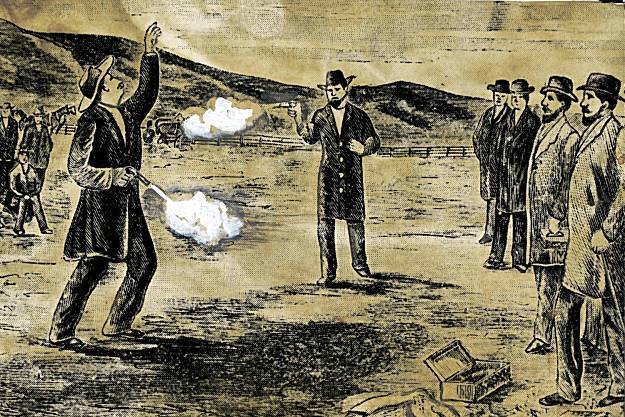
During the California Gold Rush, Lake Merced became the southwestern frontier of a rapidly growing city. The area witnessed infamous duels—most notably the 1859 clash between Chief Justice David S. Terry and Senator David C. Broderick—and frequent land disputes. By 1868, the Spring Valley Water Company acquired the lake, establishing a near-monopoly on the city’s water supply and influencing San Francisco’s expansion. Notably, in 1852, a fissure temporarily drained water from the lake to the sea, altering its ecosystem.
Modern Recreation and Conservation
In the early 20th century, as San Francisco’s water needs shifted to the Hetch Hetchy Reservoir, Lake Merced’s role evolved to a backup reservoir and, eventually, a public park. Parcels of land were sold off for golf courses and the Parkmerced residential complex. By 1950, Lake Merced was officially designated a recreational space, managed by the city for public enjoyment and ecological preservation.
Visitor Information
Hours, Tickets, and Directions
- Visiting Hours Open daily from dawn to dusk. Some facilities, such as parking lots or restrooms, may have specific times; check the San Francisco Recreation & Parks website for seasonal updates.
- Tickets General entry is free. Some activities (e.g., golf) require reservations or fees.
- Directions Accessible via car, bicycle, and several San Francisco Muni bus lines (18, 29, 57, 58). Main entrances are at Lake Merced Boulevard/Sunset Boulevard, Skyline Boulevard/Harding Road, Brotherhood Way, and John Muir Drive.
Parking and Accessibility
- On-site Parking Multiple free lots near major entrances; spaces fill quickly on weekends and during events. Additional parking available at Lakeshore Plaza and through private garages (Way.com).
- Accessibility Paved, ADA-compliant trails encircle the lake; accessible restrooms and parking spaces are available. The ongoing Lake Merced Trail Improvement Project continues to enhance accessibility for all visitors.
Activities and Facilities
Trails, Boating, and Fishing
- Trails The 4.4 to 4.5-mile paved Lake Merced Trail loops the lake and is popular for walking, running, and cycling. Side dirt trails offer quieter nature experiences.
- Boating Non-motorized boats (kayaks, canoes, rowboats) can be launched at designated sites (1 Harding Boulevard). Rowing clubs and dragon boat teams are active here. Swimming is prohibited.
- Fishing The lake is stocked with bass, trout, and carp. All anglers aged 16+ need a valid California fishing license. Note mercury advisories for fish consumption.
Birdwatching and Wildlife
Lake Merced is a biodiversity hotspot within the Golden Gate Biosphere Reserve, supporting over 500 native plant species and more than 200 bird species—including Great Blue Herons, Marsh Wrens, and migratory waterfowl. Restoration programs support endangered species such as the San Francisco garter snake and California red-legged frog (Golden Gate Bird Alliance).
Picnicking and Family Recreation
Numerous picnic areas with tables and grills are available on a first-come, first-served basis. Larger group sites can be reserved. Playgrounds, sports fields, and dog-friendly areas are also scattered throughout the park.
Community Events and Programs
Lake Merced hosts charity runs, birdwatching tours, environmental education programs, and seasonal events. The SF Zoo’s youth programs and volunteer restoration days provide opportunities for community involvement.
Environmental Significance & Stewardship
Lake Merced’s transformation from a brackish lagoon to a freshwater refuge is a testament to ongoing stewardship. Efforts by city agencies, conservation groups, and volunteers focus on habitat restoration, invasive species control, and water quality monitoring. The lake’s inclusion in San Francisco’s Natural Areas Program and the broader Golden Gate Biosphere Reserve highlights its ecological importance.
Nearby Attractions
- San Francisco Zoo Family-friendly wildlife exhibits.
- Stern Grove Renowned for summer concerts and picnics.
- Harding Park Golf Course Public golf with scenic views.
- Ocean Beach and Fort Funston Coastal hikes and panoramic vistas.
- Lakeshore Plaza & Stonestown Galleria Dining and shopping nearby.
Travel Tips & Frequently Asked Questions (FAQ)
Q: Are there entrance fees or tickets required?
A: No, general access is free. Fees apply for certain activities like golf.
Q: What are the official visiting hours?
A: Open from dawn to dusk daily; check for special closures or events.
Q: Is the park wheelchair accessible?
A: Yes, paved trails and facilities are ADA-compliant.
Q: Can I bring my dog?
A: Yes, dogs are welcome on leashes; dog play areas are available.
Q: Are boats and fishing equipment available for rent?
A: No, bring your own equipment.
Q: Is public transit available?
A: Yes, via Muni bus lines 18, 29, 57, and 58.
Q: Is swimming allowed?
A: No, swimming is prohibited due to safety and water quality.
Q: What wildlife might I see?
A: Look for herons, egrets, waterfowl, and native reptiles/amphibians.