
Early Origins and Industrial Growth
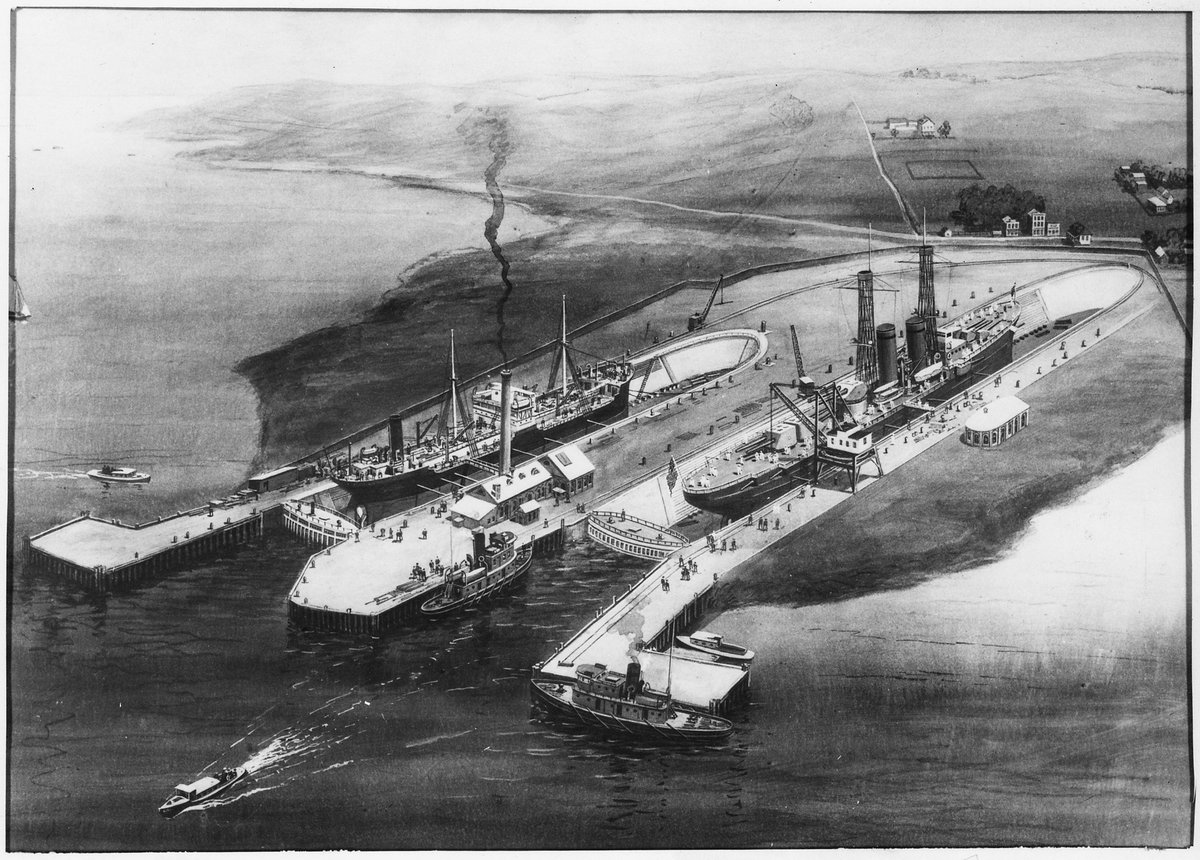
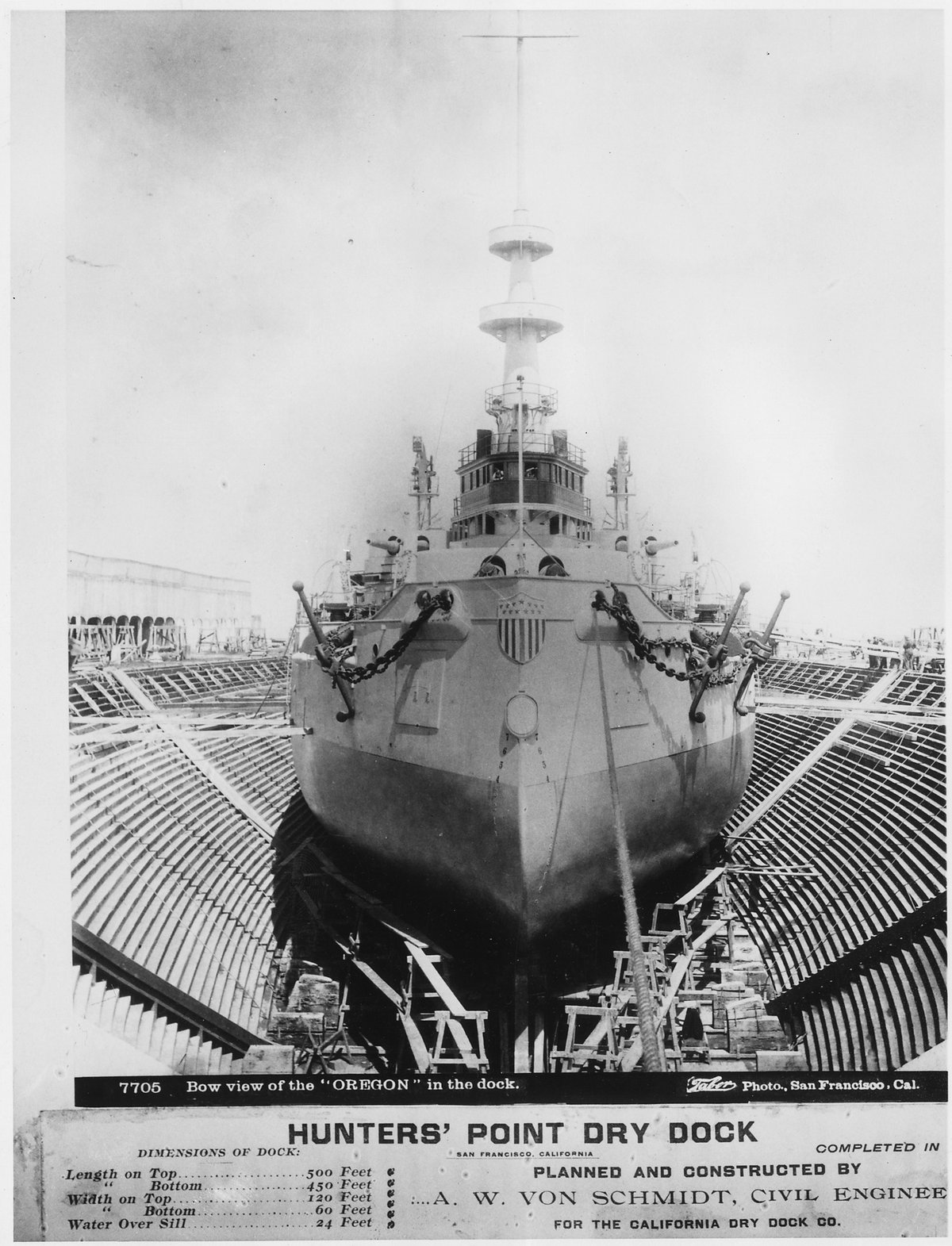
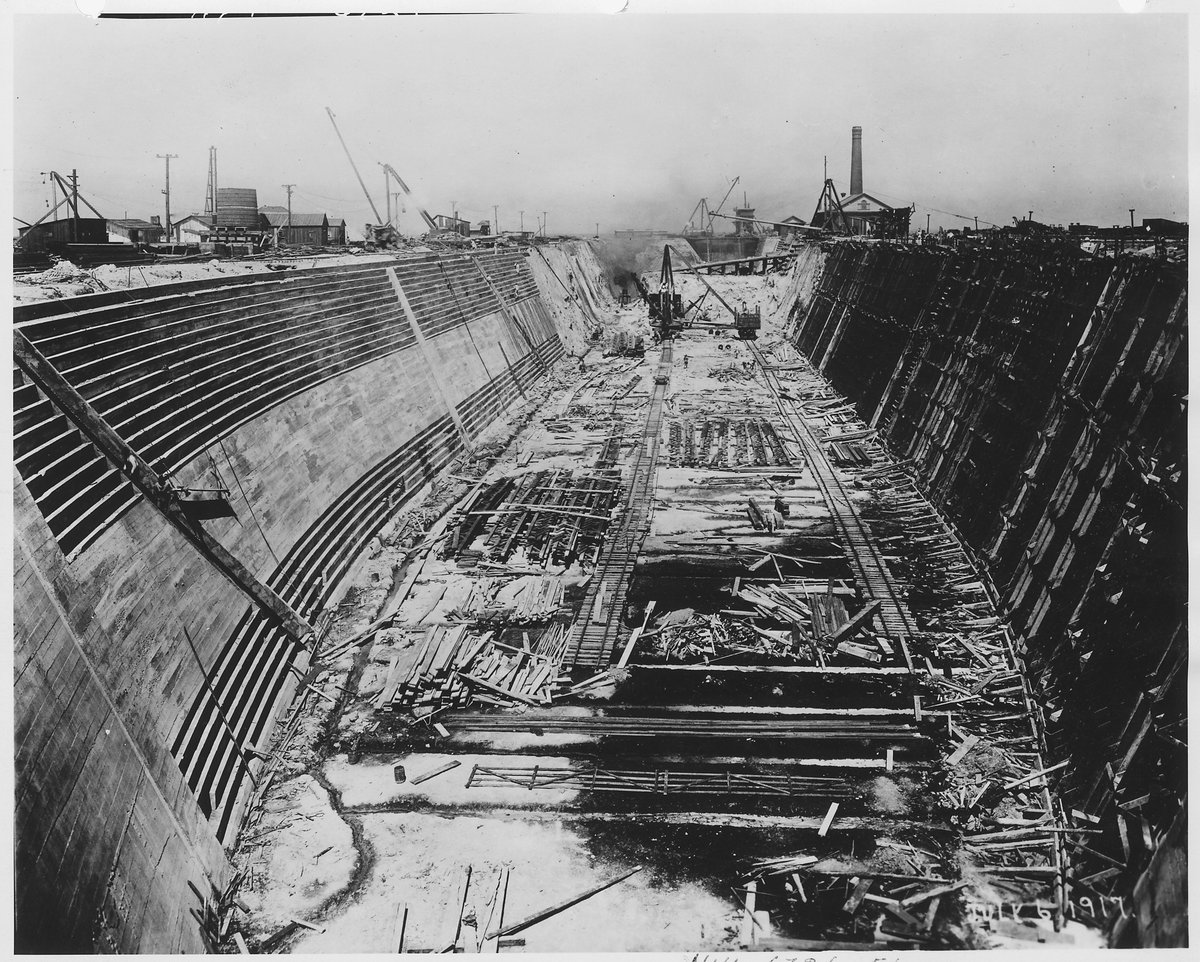
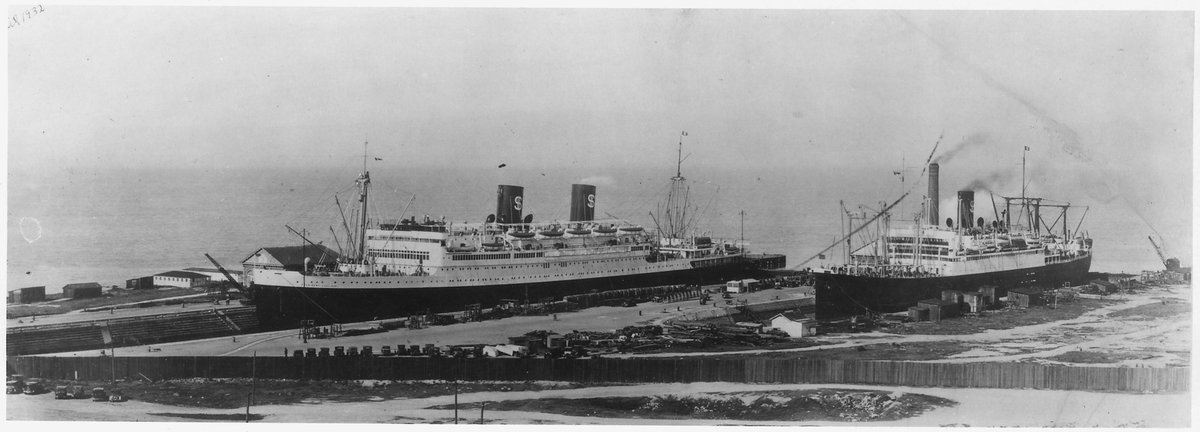
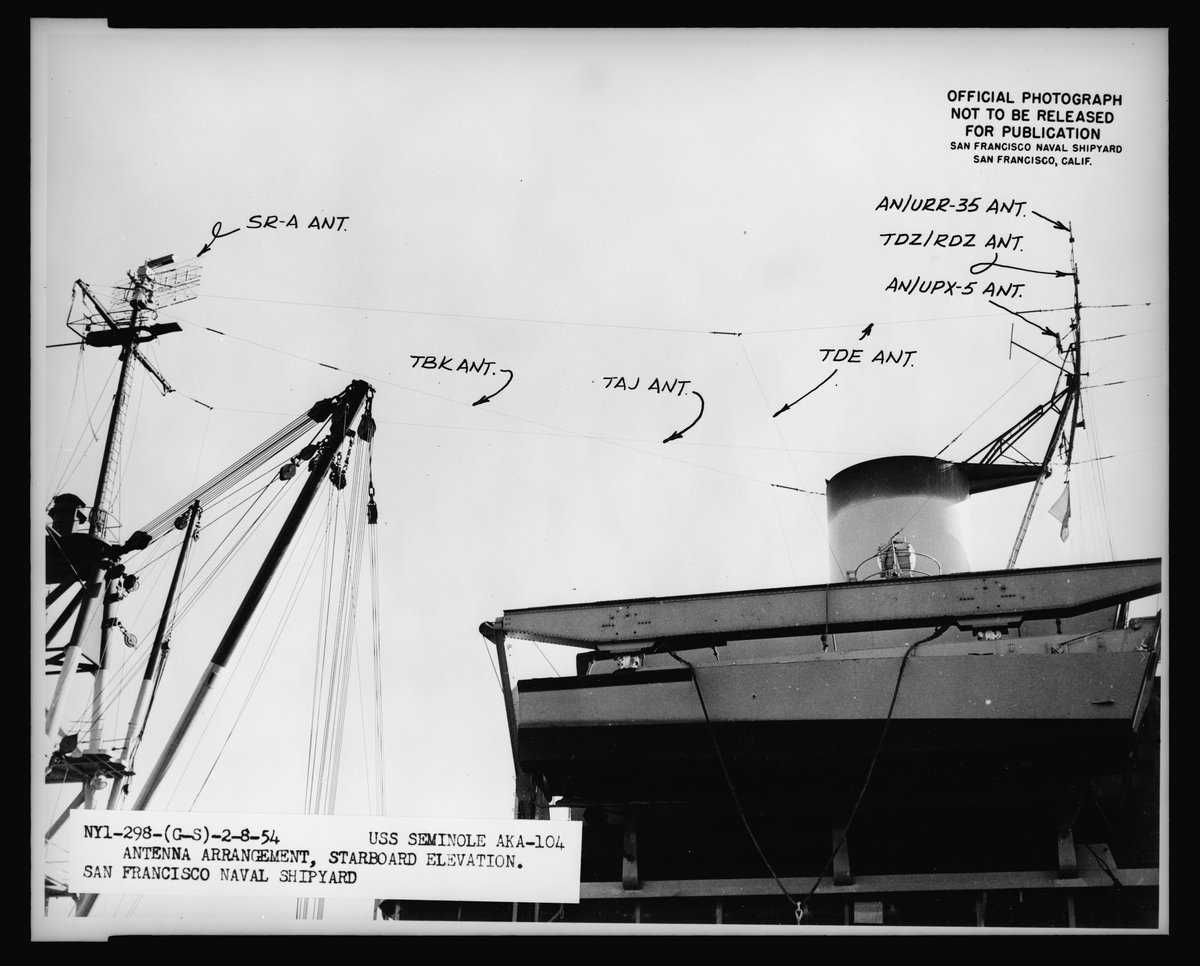
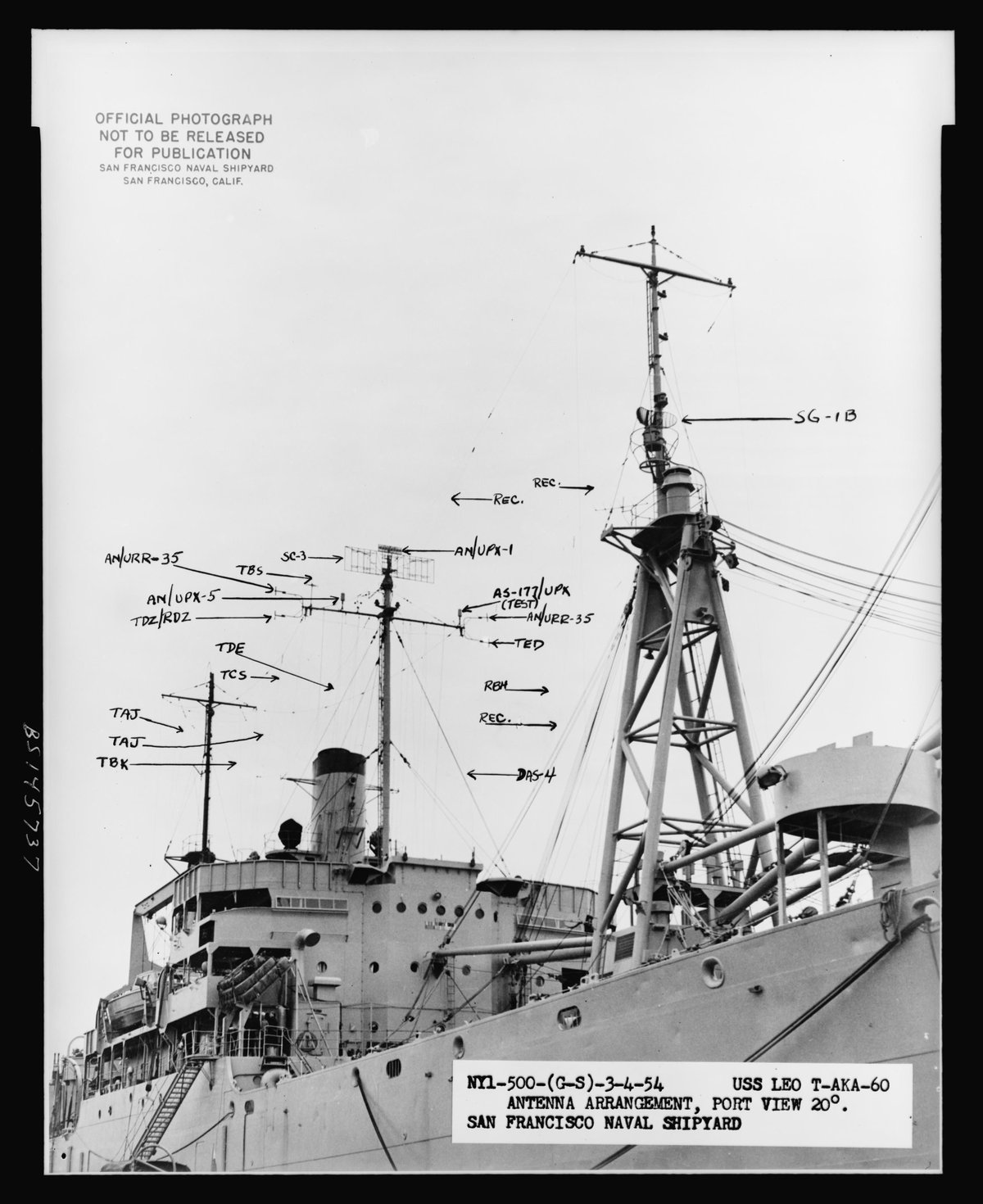
Hunters Point’s maritime legacy began in the late 19th century, when the California Dry Dock Company established ship repair facilities in 1868. The official Hunters Point Drydocks were founded in 1870, featuring some of the world’s largest drydocks at the time. By the early 1900s, the site was operated by Union Iron Works and later the Bethlehem Shipbuilding Company, servicing major vessels such as those of President Theodore Roosevelt’s Great White Fleet (Wikipedia).
World War II and Naval Expansion
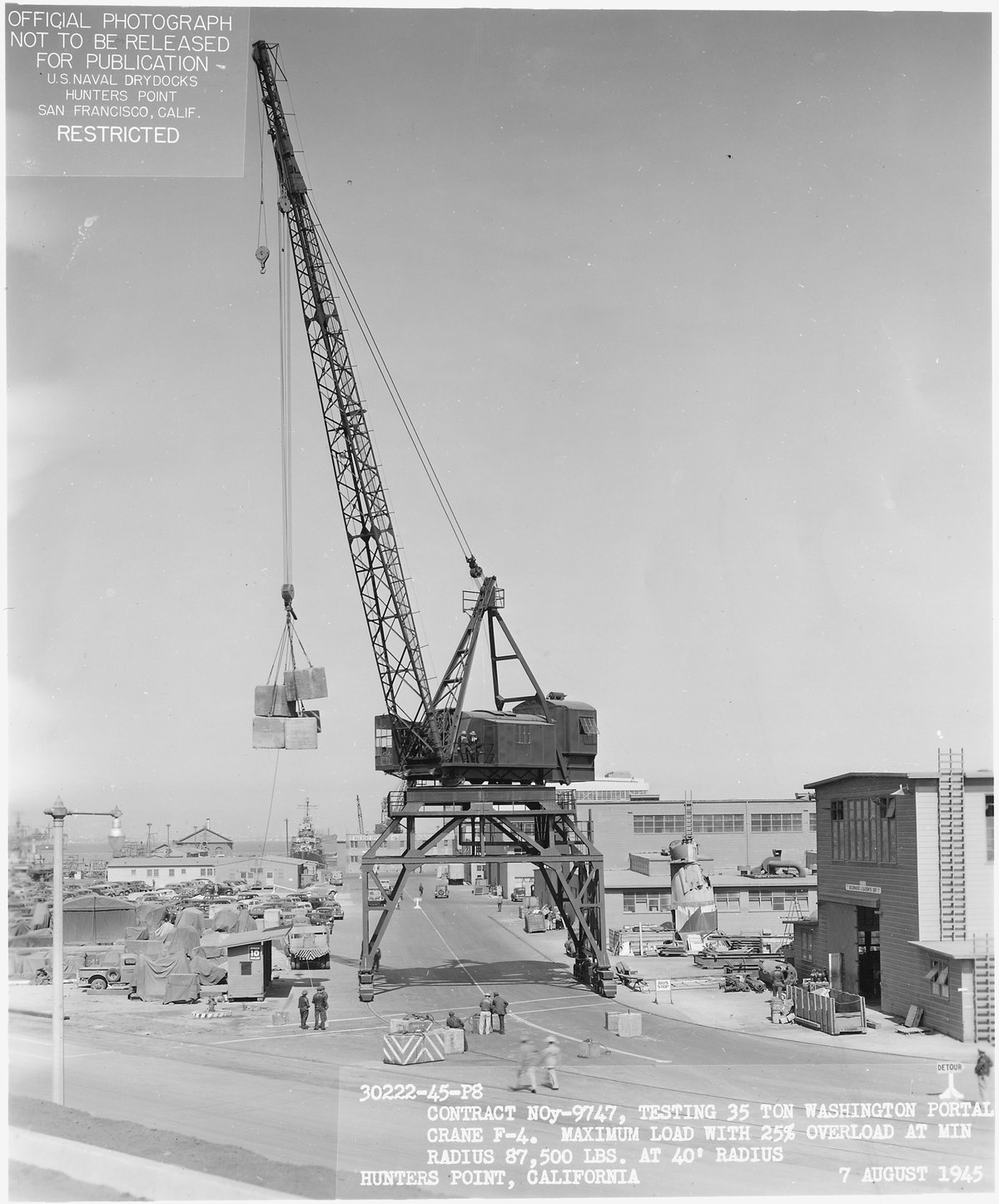
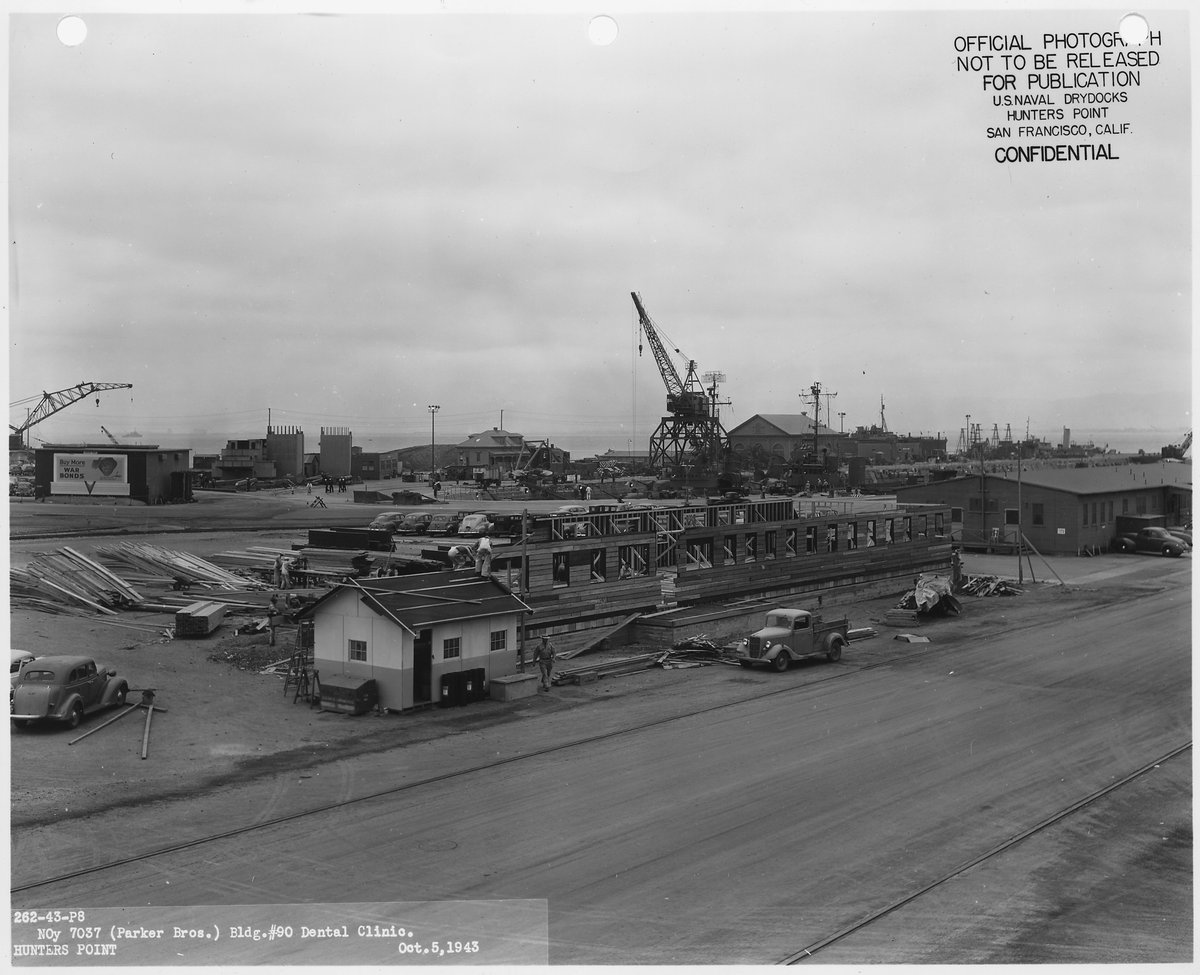
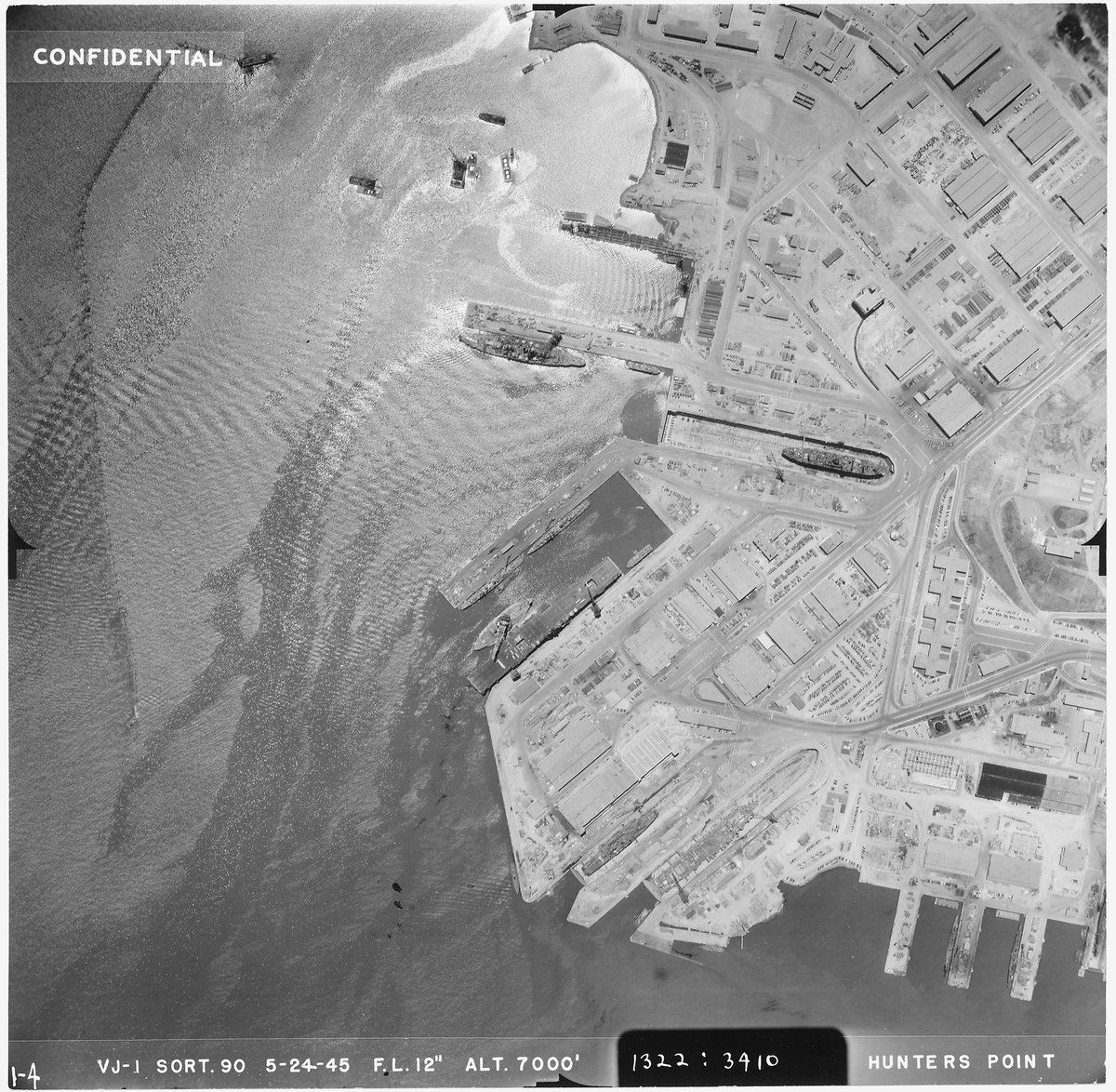
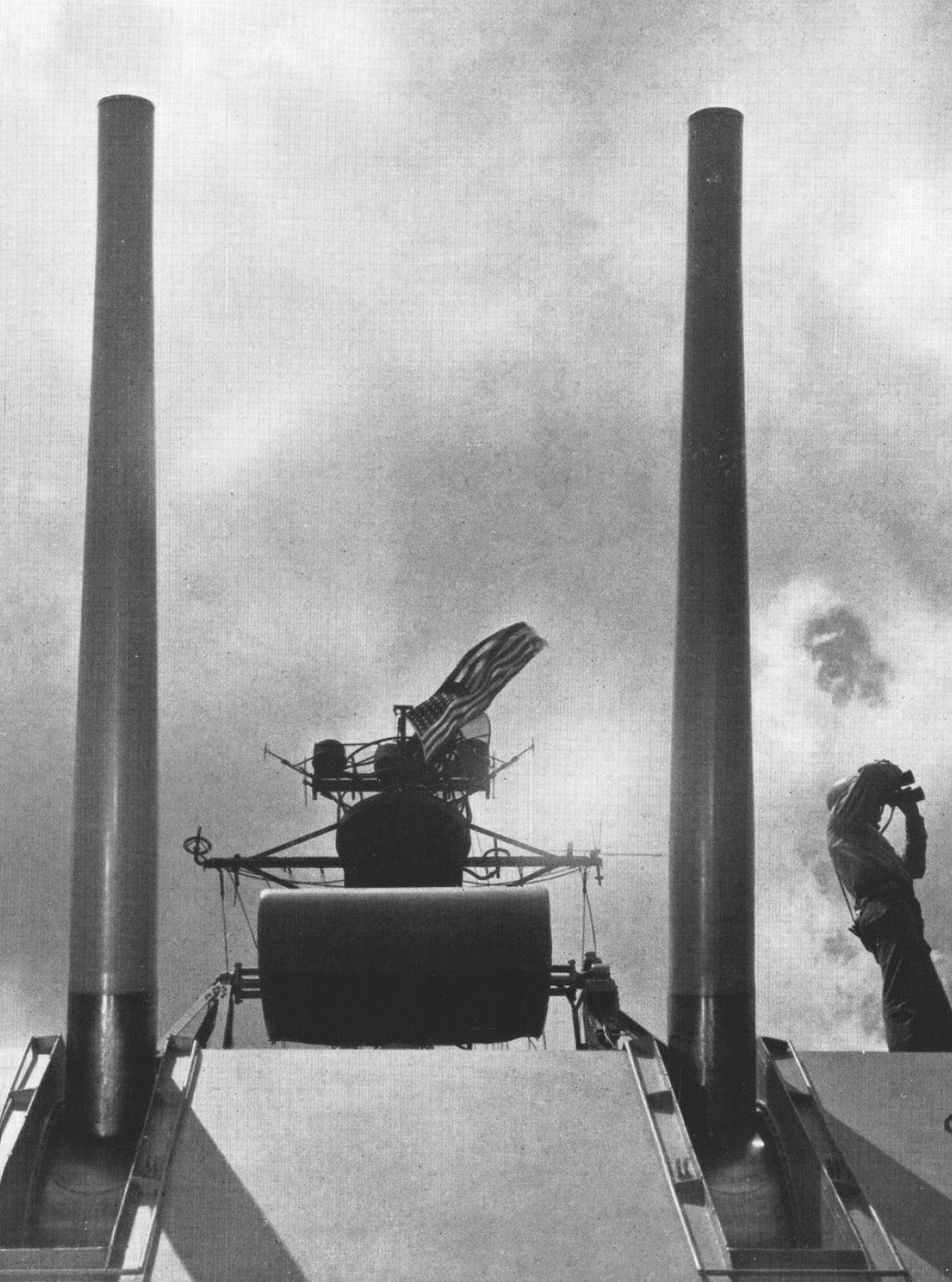
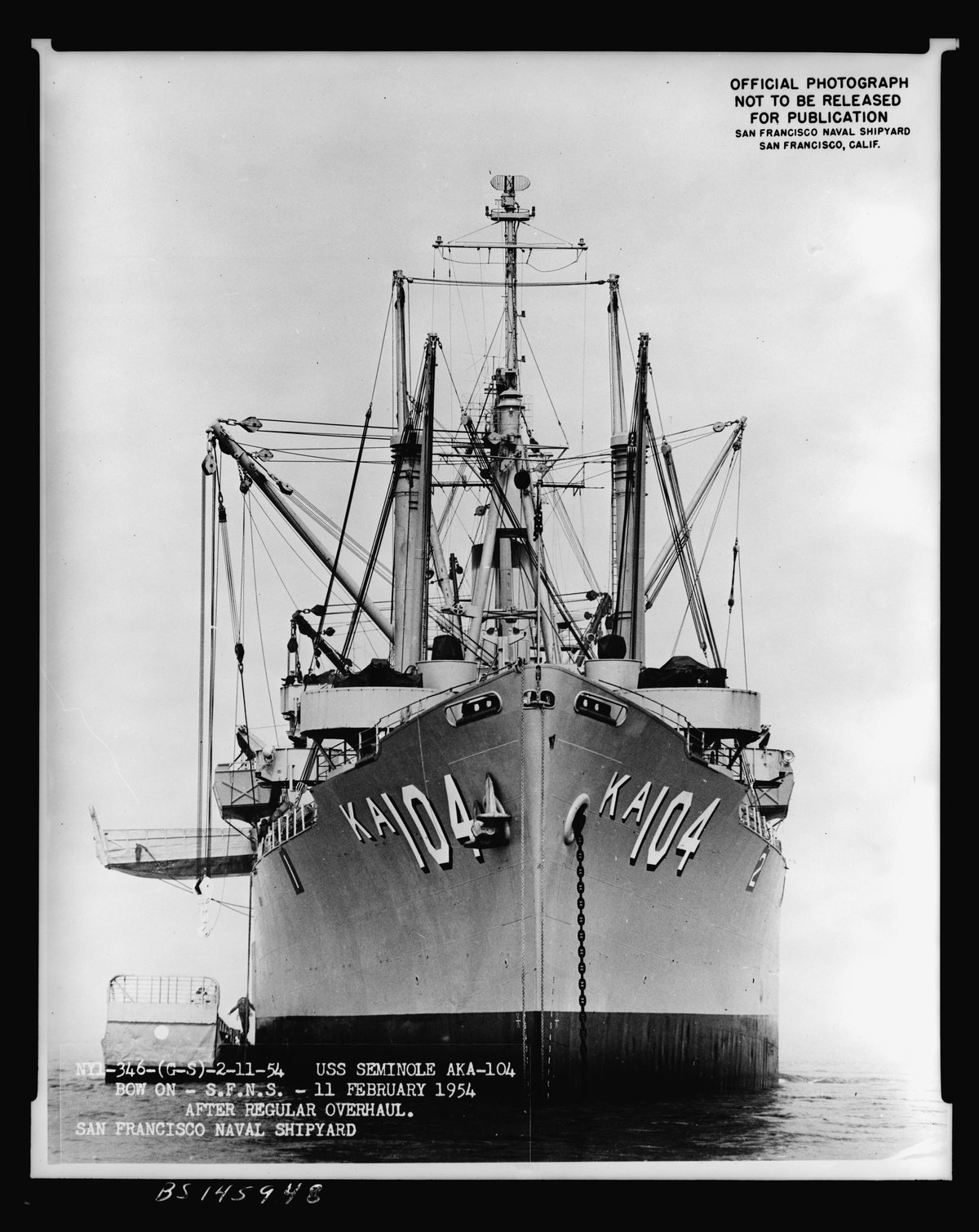
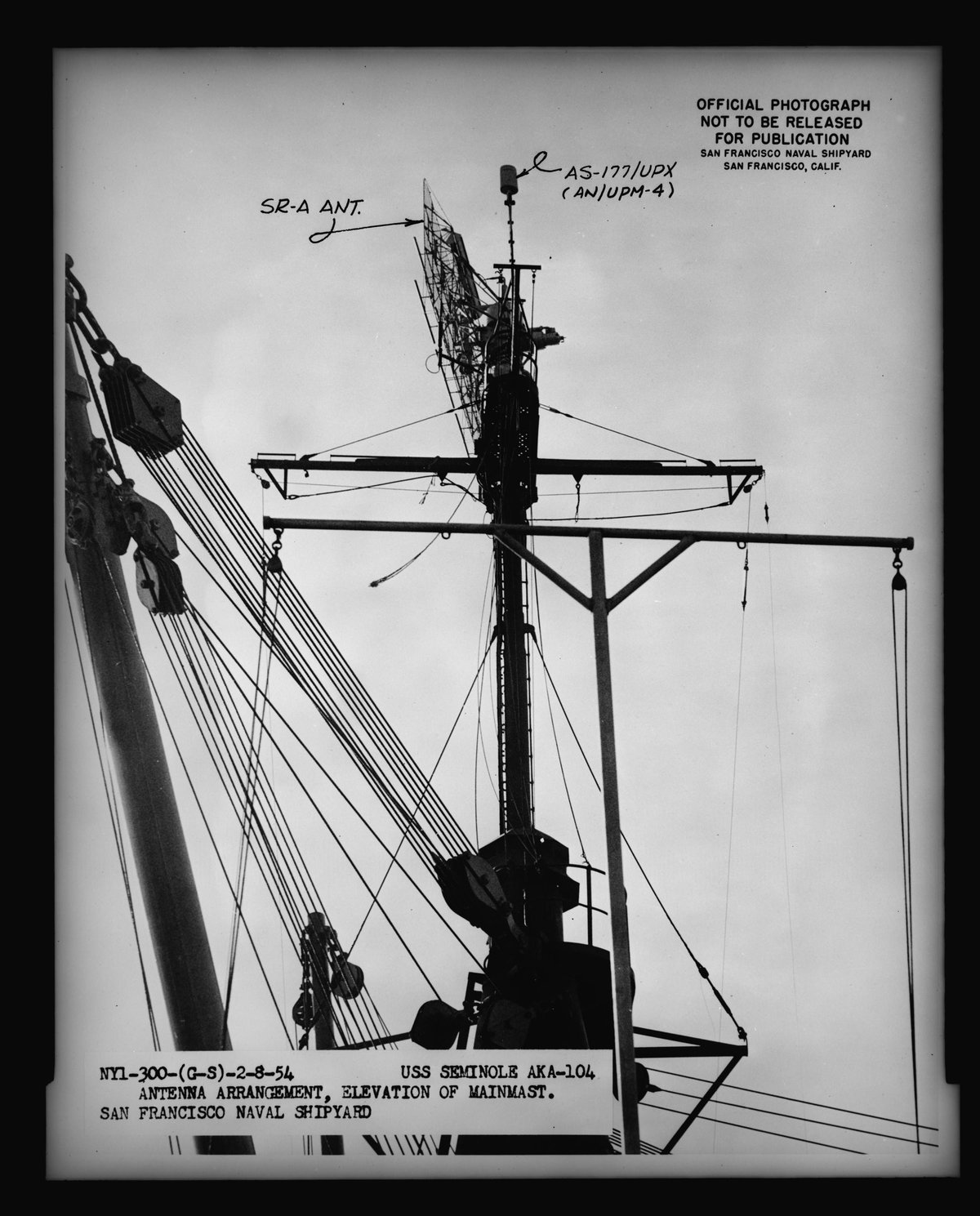
With the approach of World War II, the U.S. Navy acquired Hunters Point in 1940. Wartime expansion transformed the site into a major naval shipyard, with six large drydocks and the capability to build and repair hundreds of ships. Between 1941 and 1945, Hunters Point built and serviced over 200 naval vessels, supporting the Pacific war effort and employing thousands of workers from across the U.S. (Forbes; FoundSF)
Cold War Era and Radiological Research
After the war, Hunters Point became home to the Naval Radiological Defense Laboratory (NRDL), the Navy’s principal center for nuclear weapons effects and radiological decontamination research (1946–1969). Ships exposed to atomic tests in the Pacific were decontaminated here, and the site played a role in early Cold War nuclear science. This period left a legacy of radioactive and hazardous waste (SF.gov; Atlas Obscura).
Postwar Decline and Environmental Legacy
Following the Navy’s downsizing, the shipyard operated as a repair facility until its closure in 1974, with a brief reopening in the 1980s before permanent closure in 1994. Decades of industrial and radiological activity led to significant contamination of soil, groundwater, and bay sediment, resulting in its designation as a federal Superfund site in 1989. Cleanup and remediation efforts continue under federal, state, and local oversight (Wikipedia; Military Museum).
Indigenous and Early Community Heritage
Ohlone Presence
Before the shipyard, the area was home to the Ohlone people, who thrived along the San Francisco Bay for thousands of years. Archaeological evidence highlights the significance of Hunters Point’s shoreline for Ohlone fishing and gathering. The transformation of the landscape for industrial use disrupted indigenous geography, but current redevelopment plans seek to honor this heritage through interpretive and commemorative elements (toxicsites.us; SF Planning General Plan).
African American Migration and Community Formation
The shipyard’s wartime expansion drew African American workers from the South, contributing to the Great Migration. By 1945, Bayview-Hunters Point’s Black population surged by over 665%, creating a vibrant community of churches, social clubs, and businesses. The closure of the shipyard in 1974 led to job losses and economic challenges, but the neighborhood remains an important center of Black cultural life in San Francisco (centerforhealthjournalism.org).
Environmental Justice and Community Advocacy
Contamination and Health Impacts
Decades of shipyard and NRDL operations left behind hazardous substances, including radioactive waste, PCBs, heavy metals, and petroleum hydrocarbons (sf.gov; toxicsites.us). The surrounding community, predominantly people of color and low-income families, has faced elevated rates of cancer and respiratory illnesses (sfbayview.com).
Grassroots Mobilization
Community activism has played a crucial role in advocating for a thorough cleanup and transparency. In 2000, Proposition P called for the Navy to clean the site to the highest standards. Ongoing community engagement ensures that residents have a voice in remediation and redevelopment (sfbayview.com).
Artistic and Cultural Revitalization
Hunters Point Shipyard is home to one of San Francisco’s largest artist communities. Around 300 artists occupy studios in historic naval buildings, hosting open studios and exhibitions that reimagine the shipyard as a center for creativity and renewal (SF Planning General Plan). Public art, interpretive signage, and community events celebrate the site’s layered history.
Current Status, Cleanup Efforts, and Redevelopment
Environmental Remediation
The U.S. Navy, EPA, California DTSC, and local agencies oversee a multi-phase cleanup involving soil excavation, radiological scanning, groundwater treatment, and capping contaminated areas. Completion of some parcels is expected between 2028 and 2036 (SF DPH Health Commission PDF). Parcel A has been deemed safe for residential and artist uses; other parcels remain under remediation.
Community Health and Environmental Justice
Bayview-Hunters Point continues to face health challenges linked to historical contamination. Environmental justice organizations work with public health agencies on initiatives such as the Community Emission Reduction Plan (CERP) to improve air quality and health outcomes (SF DPH Health Commission PDF, Slide 13).
Redevelopment Vision
The Office of Community Investment and Infrastructure (OCII) is guiding plans for a mixed-use neighborhood:
- Affordable and market-rate housing
- Parks and open spaces
- Community and retail spaces
Redevelopment occurs in phases, with parcels opened only after meeting regulatory safety standards. Community input shapes commemorative features and public spaces (SF DPH Health Commission PDF, Slide 6).
Visiting Information: Hours, Tickets, and Travel Tips
Public Access
Most of the shipyard remains closed due to ongoing remediation. General access is restricted, and there are no regular visiting hours or daily tours.
- Special Events Public access is allowed during arts events such as the Hunters Point Shipyard Artists Open Studios (typically twice a year).
- Tickets These events are free or ticketed; check the Hunters Point Shipyard Artists website for details.
- Guided Tours Occasionally offered by community organizations.
Accessibility
Open areas during events are wheelchair accessible. Due to active cleanup, some parts may have limited accessibility—confirm ahead of your visit.
Transportation
Use public transit (Muni buses) or rideshare, as parking is limited. Event organizers provide current transportation and parking updates.
Nearby Attractions
Enhance your visit by exploring:
- Bayview Opera House Historic community arts venue
- India Basin Shoreline Park Waterfront trails and views
- Candlestick Point State Recreation Area Outdoor recreation and picnicking
- Local eateries and shops Experience Bayview’s vibrant community
Frequently Asked Questions (FAQ)
Q: Can I visit the shipyard any day?
A: No, general access is closed except during special events or open studio weekends.
Q: Are tickets required?
A: Tickets are needed for some events. Check event websites for details.
Q: Is the site safe?
A: Only authorized and remediated areas are open to visitors. Obey all posted safety signs.
Q: Is there public transit?
A: Yes, Muni buses serve Bayview-Hunters Point.
Q: What else can I see nearby?
A: Bayview Opera House, India Basin Park, and Candlestick Point are nearby attractions.