
Historical Evolution of Geary Boulevard
Early Origins and Naming
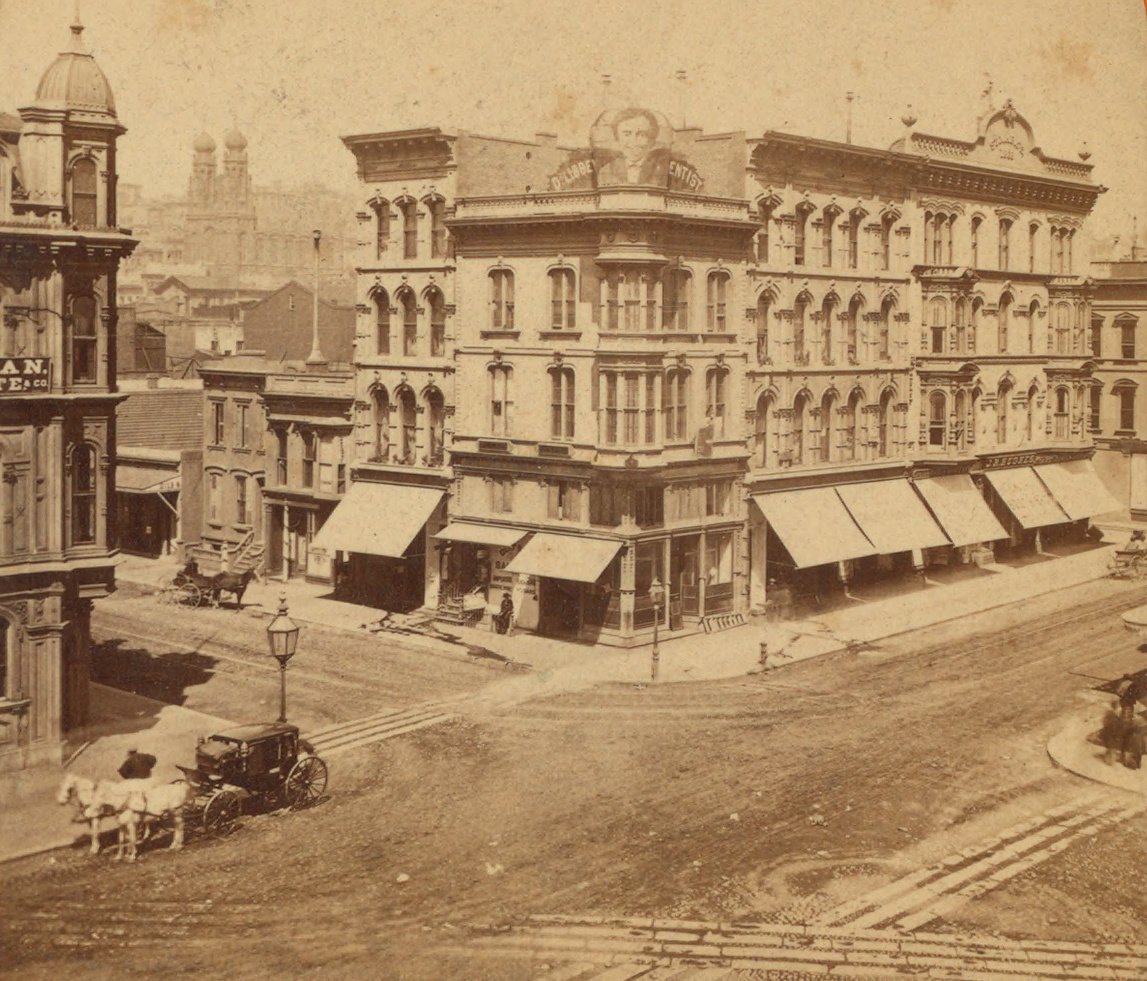
Geary Boulevard began as a dirt carriage track in the late 19th century, originally named Point Lobos Avenue. It was renamed to honor John W. Geary, San Francisco’s first post-statehood mayor and later a governor in two other U.S. states. The route became a vital link to destinations like Ocean Beach and the Cliff House, setting the stage for neighborhood expansion (Wikipedia).
Transportation Milestones
Cable Cars and Streetcars
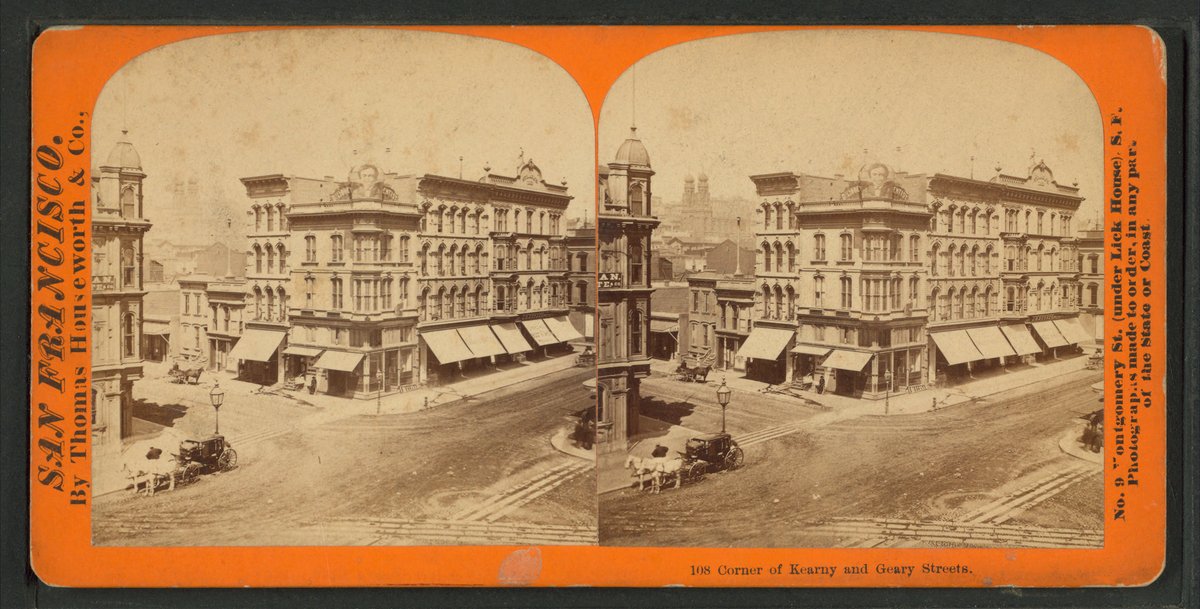
From 1880 to 1912, cable cars ran along Geary, spurring development from Market Street to the city’s western edge. In 1912, streetcar service began and expanded through the mid-20th century, facilitating the growth of the Richmond District and beyond.
Transition to Bus Transit
By the 1950s and 60s, streetcars were replaced by buses, leading to the creation of the 38 Geary—now one of the city’s busiest bus lines, serving tens of thousands of riders daily. Modern enhancements like the Geary Bus Rapid Transit project have introduced dedicated lanes and infrastructure designed for future light rail conversion (SFMTA).
Architectural and Urban Development
Landmark Structures
Notable architectural highlights include the Albert Pike Memorial Scottish Rite Temple, an example of Romanesque Revival architecture, and the historic Larkins Building at Geary and Arguello—once the city’s first Muni car barn (New Fillmore; Outsidelands).
Urban Renewal and Expressway Conversion
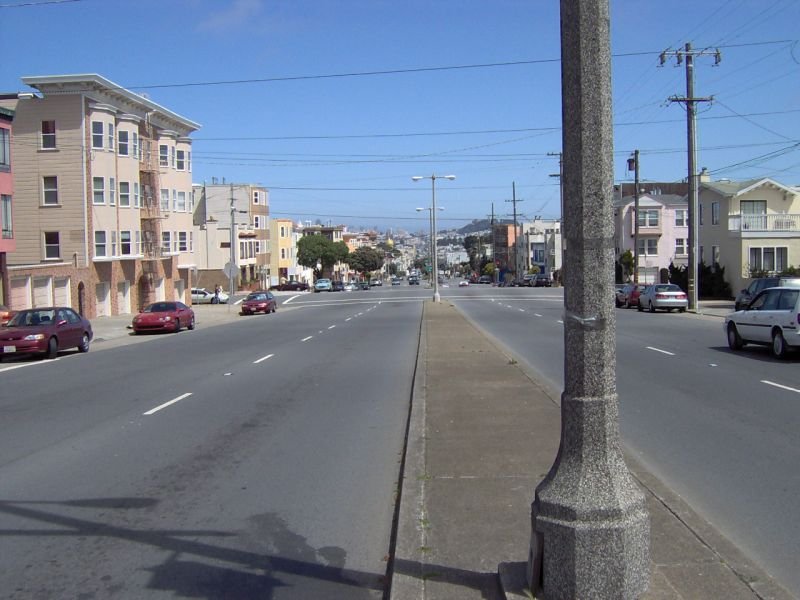
In the early 1960s, part of Geary Boulevard was widened into a signalized expressway, increasing automobile traffic but also disrupting neighborhood cohesion and pedestrian safety. Recent city projects have focused on restoring connections between communities, improving walkability, and enhancing public spaces (SF Standard).
Cultural Significance and Community Identity
A Corridor of Diversity
Geary Boulevard runs through neighborhoods that have historically been home to Chinese, Russian, Irish, Japanese, and Black communities. This diversity is reflected in the rich mix of restaurants, specialty shops, houses of worship, and public art along its length (Wikipedia).
Japantown: A Cultural Landmark
Japantown, located between Fillmore and Laguna Streets, is a vibrant hub of Japanese-American heritage. The Japan Center malls offer authentic shops, bookstores, and eateries, while the Peace Plaza hosts the iconic five-tiered Peace Pagoda—a gift from Osaka in 1968. Japantown is also the site of the annual Northern California Cherry Blossom Festival, a major cultural celebration each April (SF JACL; SFYIMBY).
Preservation and Renewal Efforts
A major renovation of the Peace Plaza is underway to improve accessibility and preserve its historic character, with completion slated for late 2025. Community-driven projects, such as the Japantown Journey Mural, celebrate over a century of Japanese-American resilience and contributions (SFYIMBY; SF JACL).
Visitor Information and Practical Tips
Visiting Hours & Accessibility
- Geary Boulevard Public and open 24/7.
- Japantown Peace Plaza & Japan Center Open daily; Peace Plaza is always accessible, Japan Center malls typically 10 AM–7 PM.
- Buddhist Church of San Francisco Monday–Friday, 9 AM–4 PM; guided tours by appointment.
- Fillmore Heritage Center Hours vary by event, generally Thursday–Sunday, 11 AM–6 PM.
- Parking Street parking is limited. Use nearby garages, such as Japan Center Garage.
Frequent Muni service (38 and 38R lines) offers easy access, and recent upgrades ensure wheelchair accessibility at major sites.
Tickets & Entry Fees
- Public spaces Free (Peace Plaza, Japan Center common areas, exteriors of historic buildings).
- Museums/Theaters Admission varies; check individual websites.
- Guided Tours Offered seasonally by local organizations; prices vary.
Nearby Attractions
- Golden Gate Park Accessed from eastern Geary, open 5 AM–midnight. Museums may charge $10–$40.
- Presidio Tunnel Tops Free park open daily, 6 AM–10 PM.
- The Fillmore Auditorium Event ticketing varies; check schedule.
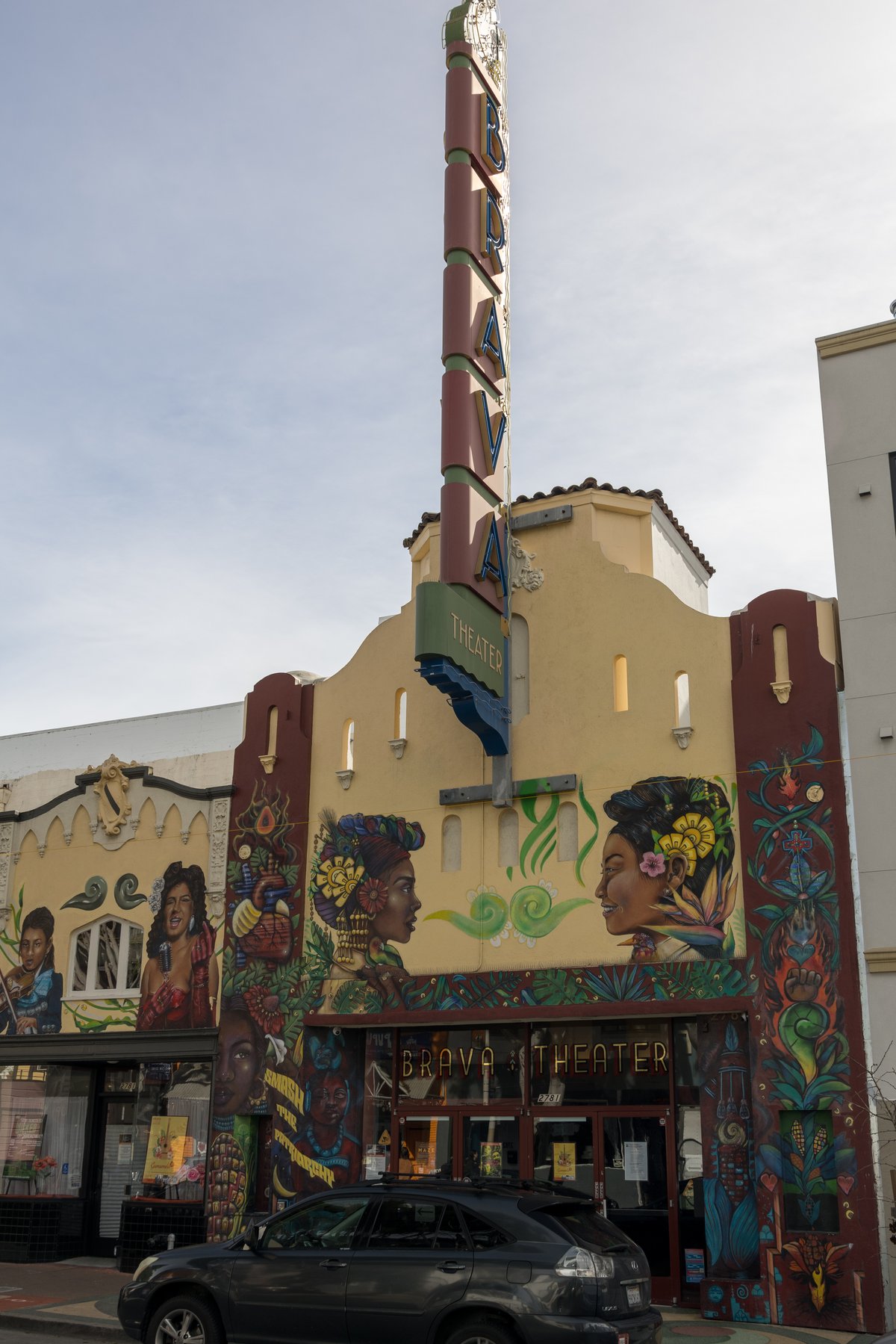
- Balboa Theatre Historic cinema in Richmond District, $10–$15 per ticket.
Special Events & Photo Opportunities
- Festivals Cherry Blossom Festival (April), Union Street Festival (June), community fairs.
- Photo spots Peace Pagoda, Scottish Rite Temple, Buchanan Street community crosswalk, murals, ocean vistas.
Community Events and Public Spaces
Geary Boulevard’s parks, plazas, and sidewalks regularly host festivals, performances, and markets. Recent improvements—like decorative crosswalks and public art—enhance the pedestrian experience and foster community identity (SFYIMBY; SFMTA).
Enduring Legacy and Contemporary Relevance
Geary Boulevard’s transformation—from carriage track to urban expressway and cultural corridor—mirrors San Francisco’s growth. Its neighborhoods, shaped by waves of migration and change, continue to adapt through revitalization projects and preservation of cultural landmarks. The boulevard today is both a transit artery and a living symbol of community resilience and diversity (SF Standard).
Frequently Asked Questions (FAQ)
Q: What are the main visiting hours for Geary Boulevard attractions?
A: The boulevard is always open; most attractions and shops operate between 10 AM and 8 PM. Check individual websites for specific sites.
Q: How do I reach Geary Boulevard and Japantown by transit?
A: Take the Muni 38 or 38R Geary bus lines from downtown; stops are convenient for major sites.
Q: Are guided tours offered?
A: Yes, by local organizations and at specific sites like the Buddhist Church and Fillmore District.
Q: Is Geary Boulevard accessible for people with disabilities?
A: Major sites and transit lines are accessible; confirm accommodations at specific locations when planning.
Q: Are special events held along Geary Boulevard?
A: Yes, including the Cherry Blossom Festival, community fairs, and cultural performances throughout the year.
Discover More
Geary Boulevard embodies the history, diversity, and evolving spirit of San Francisco. From Japantown’s cultural festivals to the Richmond District’s eclectic cuisine and the Fillmore’s musical legacy, your journey along Geary promises discovery and delight. For up-to-date events, insider tips, and guided audio tours, download the Audiala app and follow local cultural organizations online.
Plan your visit, support local businesses, and take part in the vibrant life of this remarkable corridor.