Introduction to Fillmore West and Its Significance
Situated at the intersection of Market Street and South Van Ness Avenue, Fillmore West is a cornerstone of San Francisco’s musical and cultural heritage. Originally the Carousel Ballroom in the 1930s, it was transformed in the late 1960s by the legendary promoter Bill Graham into a flagship venue of the psychedelic rock era. Fillmore West not only hosted some of the most iconic performances in music history—including shows by The Grateful Dead, Janis Joplin, Santana, and Jimi Hendrix—but also represented the city’s dynamic countercultural and social movements (Uproxx; Wikipedia).
This comprehensive guide explores Fillmore West’s origins, its place in music and social history, and practical information for visitors today. Learn about its legacy, annual festivals, modern successor venues, and the enduring richness of the Fillmore District’s African American heritage. Whether you're a music lover, history enthusiast, or cultural explorer, this article provides essential tips for experiencing San Francisco’s vibrant musical legacy (Britannica; Live Nation).
Welcome to Fillmore West: San Francisco's Legendary Music Venue
Fillmore West, at Market and South Van Ness, once pulsed as a hub for groundbreaking music, community activism, and artistic innovation. While its original incarnation ended in 1971, its influence permeates San Francisco’s cultural landscape. This guide equips you with everything needed to appreciate Fillmore West’s historical significance, navigate current concert offerings at its successor venues, and explore the Fillmore District’s enduring legacy.
Historical Origins & Bill Graham’s Influence
From Carousel Ballroom to Fillmore West
Originally the Carousel Ballroom, the venue started as an ice rink in the 1930s and evolved into a dance hall reflecting the city’s shifting entertainment scene. In 1968, Bill Graham moved his operations from the original Fillmore Auditorium to the larger Carousel Ballroom, renaming it Fillmore West (Wikipedia). This move was prompted by the need for a larger space and greater financial sustainability.
Graham envisioned Fillmore West as a melting pot of music, art, and community. Legendary acts like the Grateful Dead, Jefferson Airplane, Santana, Janis Joplin, and Jimi Hendrix made history here (Chicken on a Unicycle). The Grateful Dead alone played 64 times, cementing the venue’s reputation as a cradle of innovation.
The Fillmore District: Cultural Context and African American Heritage
The Fillmore District, often called “Harlem of the West,” was a vital center of African American life, jazz clubs, and social activism in the mid-20th century (Please Kill Me). Despite facing racial segregation and disruptive urban renewal, the neighborhood fostered a vibrant, resilient culture. Clubs like Jimbo’s Bop City and the Fillmore Auditorium were creative incubators for jazz, blues, and R&B legends (PBS; SFCV).
The Psychedelic Era and Iconic Concerts
Between 1968 and 1971, Fillmore West became synonymous with the psychedelic rock movement, celebrated for its eclectic bills, innovative light shows, and groundbreaking poster art. Notable events included the 1969 Celestial Synapse, featuring the Grateful Dead and Tibetan Buddhist monks, and the venue’s final week in 1971, with shows by Santana, Creedence Clearwater Revival, and a poetry reading by Allen Ginsberg. These moments were immortalized in the documentary “Fillmore” and the album “Fillmore: The Last Days” (Wikipedia).
Visiting Fillmore West Today: Hours, Tickets, and Accessibility
The Original Site and SVN West
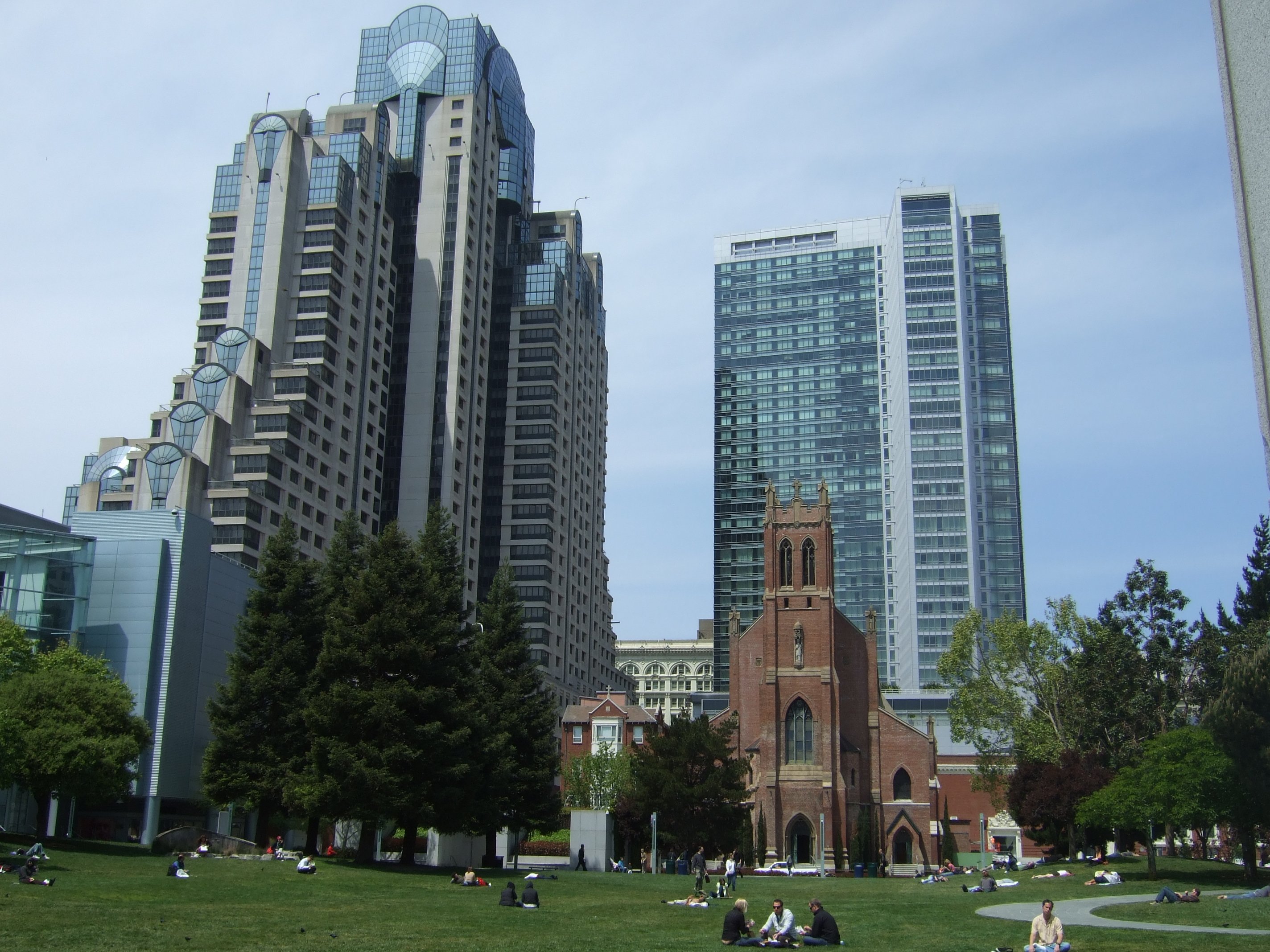
The original Fillmore West building at 10 South Van Ness Avenue has been redeveloped and no longer functions as a concert venue (San Francisco Planning Department). Its successor, SVN West, occasionally hosts concerts and events; hours and access depend on the event schedule. Always check the SVN West website or official ticket vendors for up-to-date listings.
The Fillmore Auditorium
The active spiritual successor is the Fillmore Auditorium at 1805 Geary Boulevard (Live Nation).
- Box Office Hours: Usually open from 12 PM until the end of the last show.
- Concert Times: Typically between 7 PM and 9 PM, varying by event.
- Tickets: Purchase online, at the box office, or via authorized vendors.
- Accessibility: Wheelchair access, designated seating, and accessible facilities are available.
Getting There and Parking
- Transit: Muni buses (22 Fillmore, 38 Geary) serve the district and connect to BART and other lines.
- Parking: Street parking is limited; use public garages (e.g., Japantown) or rideshare.
Exploring the Fillmore District & Surrounding Attractions
- African American Arts & Culture Complex: Theater, galleries, and community events (Sepi Travel).
- African American Freedom Trail: Downloadable map with 400+ historic sites, including Fillmore landmarks.
- Jazz Heritage Venues: The Fillmore Auditorium, Boom Boom Room, and annual jazz events.
- Dining & Shopping: Soul food (Brenda’s Meat & Three), innovative cuisine (State Bird Provisions), and Black-owned boutiques (Redfin).
- Alamo Square Park: Iconic Painted Ladies and city skyline views.
Annual Festivals and Events
Fillmore Jazz Festival
The Fillmore Jazz Festival, held the first weekend of July, is the largest free jazz festival on the West Coast. It features live music on multiple stages, artisan vendors, food, and activities for all ages (SFist; SF Travel).
- Hours: 11 AM–7 PM
- Tickets: Free admission, with some ticketed special performances.
Juneteenth Freedom Celebration & Block Party
Celebrated in mid-June, Juneteenth features live music, carnival rides, car shows, and community engagement (Funcheap SF; Secret San Francisco).
- Hours: Noon–8 PM
- Tickets: Free; some ancillary events may require tickets.
The Fillmore Auditorium Events
The Fillmore Auditorium hosts year-round concerts across genres. Check their event calendar for performances and ticketing.
Additional Festivals
- San Francisco Pride: Late June, with Fillmore after-parties (Secret San Francisco).
- Sunday Streets and Art Walks: Community-focused street events (Funcheap SF; Discover Fillmore).
Visitor FAQs
Q: Can I visit the original Fillmore West building?
A: No, the original building has been demolished and redeveloped. However, the Fillmore Auditorium (1805 Geary Blvd) continues the venue’s legacy.
Q: Where can I buy tickets for Fillmore Auditorium events?
A: Tickets are available online, at the box office, and from authorized sellers (Live Nation).
Q: Are there guided tours?
A: Self-guided tours (such as the African American Freedom Trail) are available. Local organizations sometimes offer guided tours focused on music and history.
Q: Is the area accessible for people with disabilities?
A: Yes, major venues and festival sites provide wheelchair access and accessible facilities.
Q: What other attractions are nearby?
A: Explore the Japanese Tea Garden, Western Addition murals, and sites commemorating the Fillmore’s African American legacy (Historic Black Wall Street).
Planning Your Visit: Tips and Recommendations
- Check Calendars: Plan ahead by consulting the Fillmore Auditorium and festival schedules.
- Explore on Foot: Walk Fillmore Street, Alamo Square, and surrounding blocks for a full experience.
- Support Local Businesses: Dine, shop, and engage with Black-owned establishments.
- Attend Events: Visit during major festivals for a lively, immersive atmosphere.
- Respect the Legacy: Honor the neighborhood’s historical and cultural importance.
Visuals & Interactive Elements
Incorporate images of Fillmore West’s historic façade, archival concert photos, modern performances at the Fillmore Auditorium, festival crowds, and murals. Use SEO-friendly alt text such as “Fillmore West historic venue in San Francisco,” “Grateful Dead performing at Fillmore West,” and “Fillmore Jazz Festival live performance.”
An interactive map can pinpoint festival sites, key landmarks, and transit connections for easier planning.
Summary and Visitor Recommendations
While the original Fillmore West venue ceased operations in 1971 and the site has since been redeveloped, its spirit lives on in San Francisco’s music scene and the vibrant Fillmore District. Contemporary events at the Fillmore Auditorium, annual celebrations like the Fillmore Jazz Festival and Juneteenth Freedom Celebration, along with guided explorations of the district’s African American heritage, offer visitors a profound connection to this storied past (SFist; Funcheap SF).
To make the most of your visit, engage with the neighborhood’s living history, support its businesses, and stay updated on current events with tools like the Audiala app. Fillmore West stands as a vibrant testament to the enduring power of music and community in shaping San Francisco’s cultural fabric (Please Kill Me; PBS).
Listen to the full story in the app
Your Personal Curator, in Your Pocket.
Audio guides for 1,100+ cities across 96 countries. History, stories, and local insight — offline ready.
Audiala App
Available on iOS & Android
Join 50k+ Curators
Sources
- verified
- verified
- verified
- verified
- verified
- verified
- verified
- verified
- verified
- verified
- verified
Last reviewed: