Introduction to Corona Heights Park
Perched atop a striking 520-foot hill in central San Francisco, Corona Heights Park is an iconic urban oasis that seamlessly blends natural wonders, historical depth, and vibrant community activity. Renowned for its panoramic city views, unique red chert rock formations, and native habitats, the park provides a window into the city’s geological and cultural heritage. Originally home to the Ramaytush Ohlone people, later serving as a quarry and brick factory, and officially established as a public park in 1941, Corona Heights today welcomes hikers, families, nature lovers, and history enthusiasts to explore its rugged trails, the interactive Randall Museum, and a host of community programs. With free daily access from 6:00 AM to 10:00 PM, amenities like an off-leash dog area, playground, and ongoing educational events, Corona Heights Park stands as a testament to San Francisco's commitment to preserving natural spaces in the heart of the city (San Francisco Recreation & Parks; Wikipedia).
Photo Gallery
Explore Corona Heights Park in Pictures
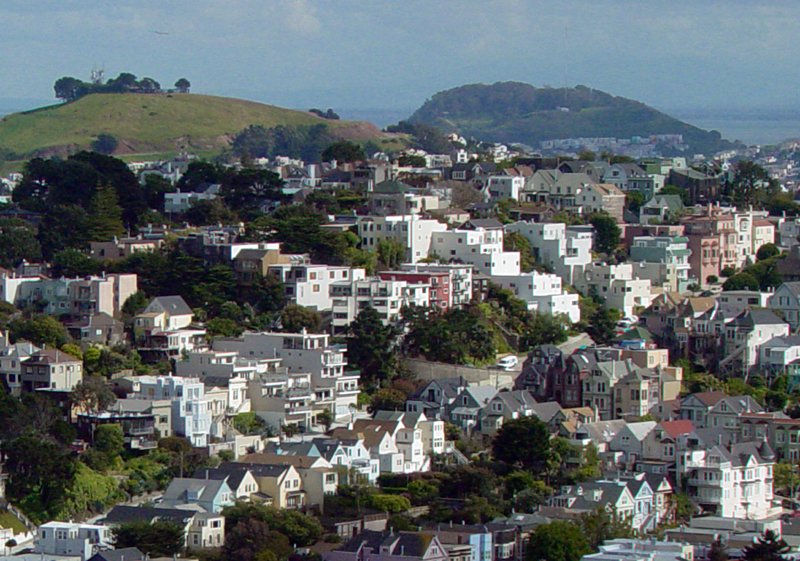
Scenic view of the Corona Heights neighborhood in San Francisco featuring residential houses and iconic green hills under clear skies
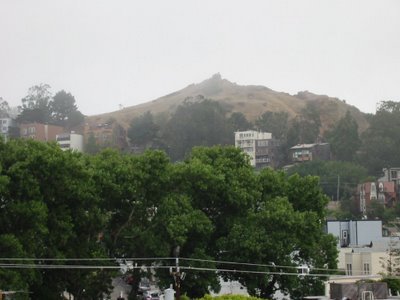
Scenic view of Corona Heights park featuring rugged rocky hills and lush green trees under a clear blue sky
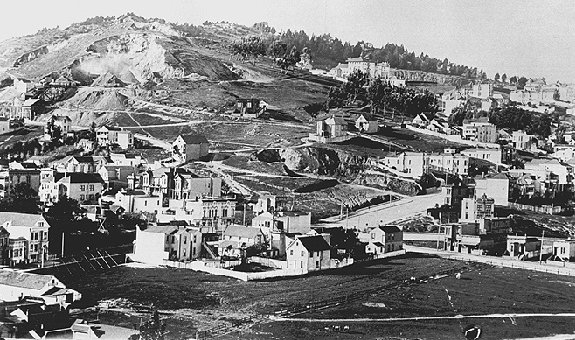
Black and white photo showcasing Corona Heights area in San Francisco as it appeared in the year 1899
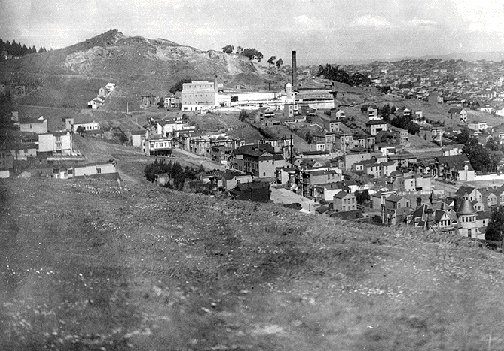
Historical image of Corona Heights in 1901 displaying the completed Gray Brothers Quarry surrounded by early 20th century landscape.
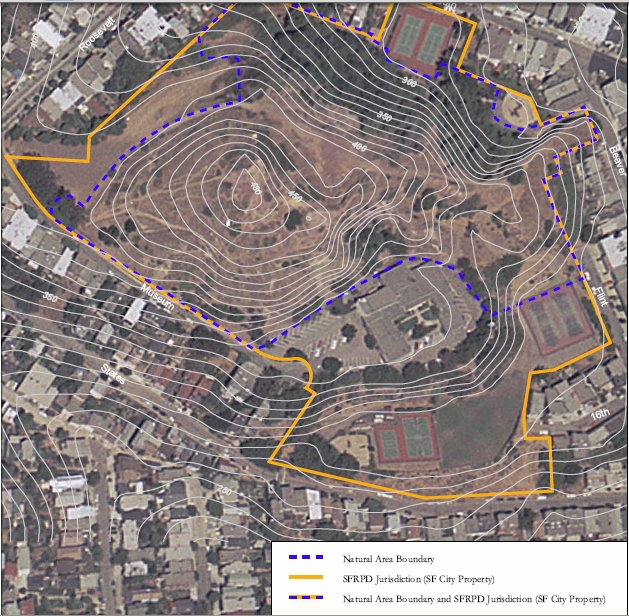
Scenic aerial photograph showcasing the Corona Heights neighborhood in San Francisco California, featuring urban residential buildings alongside a green park with rocky hilltops.
Early History and Geological Formation
Corona Heights Park crowns a hill of Franciscan chert, a sedimentary rock formed over 100 million years ago from the remains of marine plankton. Tectonic activity along the nearby San Andreas Fault uplifted these ancient oceanic deposits, creating the park’s dramatic red-hued outcrops (USGS). For thousands of years, the Ramaytush Ohlone people inhabited the greater San Francisco Peninsula, using the area for vantage and resource gathering (San Francisco Planning Department).
Industrial Era: The Quarry and Brickmaking
In the late 19th century, the Gray Brothers operated a quarry and brick factory on the hill, extracting chert for construction. Their activity transformed the landscape, leaving the rugged, exposed rock faces visible today (FoundSF). Public opposition to dangerous working conditions and environmental impacts led to the quarry’s closure in 1914.
Transition to Public Parkland
Following the quarry’s closure, the city acquired parcels of the land in the 1920s and 1930s, converting the scarred ground into a public park. Officially established in 1941, the park’s design retained its dramatic rock formations, now celebrated for their natural beauty and sweeping views of San Francisco (San Francisco Recreation & Parks).
Cultural and Community Significance
Corona Heights Park is integral to the identity of adjacent neighborhoods like the Castro, Duboce Triangle, and Haight-Ashbury. Its rugged, wild character offers a sharp contrast to more manicured city parks, fostering a sense of resilience and belonging. The Randall Museum on the park's eastern slope has become a hub for science, nature, and art education. Community events, LGBTQ+ gatherings, and outdoor activities regularly animate the park, reflecting its proximity to the Castro District and its role in local culture (Castro Merchants).
Preservation and Environmental Stewardship
The park’s unique geology and rare native plant communities make it a focal point for conservation. Volunteers, including the Friends of Corona Heights, and city agencies work together on habitat restoration, invasive species removal, and educational outreach. These efforts help sustain populations of native wildflowers, butterflies, reptiles, birds, and small mammals, while supporting the city’s broader biodiversity initiatives (California Native Plant Society; SF Environment).
Notable Events and Modern Recognition
Corona Heights Park’s summit has served as a refuge during major events such as the 1906 earthquake and has been featured in literature, photography, and film. Today, it is recognized as one of San Francisco’s premier urban hiking destinations, with the Randall Museum welcoming thousands of visitors annually.
Visitor Information
Visiting Hours
- Park: Daily, 6:00 AM – 10:00 PM
- Randall Museum: Tuesday–Sunday, 10:00 AM – 5:00 PM (closed Mondays and holidays; check museum site for updates)
Admission and Fees
- Park: Free entry; no tickets required
- Randall Museum: Free admission; some workshops and classes may require advance registration
Accessibility
- Trails: Vary in steepness; some accessible paths near the museum and playground
- Museum: ADA compliant with wheelchair access and accessible restrooms
Getting There & Nearby Attractions
- Transit: Muni lines 24 and 37 provide access; limited street parking near entrances and the museum
- Nearby: Randall Museum, Buena Vista Park, the Castro District, Twin Peaks, Haight-Ashbury
Guided Tours and Events
- Randall Museum: Offers guided tours and educational programs (Randall Museum)
- Community Events: Nature walks, stewardship days, cultural festivals (San Francisco Recreation & Parks)
Photography Tips
- Best Times: Early morning and late afternoon for optimal light and fewer crowds
- Views: Summit offers 360-degree panoramas of San Francisco and the Bay
Community Engagement and Volunteering
- Friends of Corona Heights: Organize restoration and clean-up events (Friends of Corona Heights)
- Volunteer Opportunities: Trail maintenance, planting, event support (SF Rec & Park Volunteer Division)
- Educational Programs: Randall Museum offers classes and volunteer roles (Randall Museum)
Nearby Points of Interest
- Randall Museum: Science, nature, and art exhibits; family activities
- Buena Vista Park: Historic woodland park with scenic trails
- Castro District: Renowned for LGBTQ+ culture and vibrant streets
- Twin Peaks: Iconic city overlook with hiking trails
- Golden Gate Park, California Academy of Sciences, Crissy Field, Alcatraz Island: Popular destinations within easy reach (Time Out; Lonely Planet)
Frequently Asked Questions (FAQs)
Q: What are the park’s visiting hours?
A: 6:00 AM to 10:00 PM daily.
Q: Is there an entrance fee?
A: No, both the park and Randall Museum are free to enter.
Q: Are dogs allowed?
A: Yes, on-leash throughout the park; off-leash only in the designated dog area.
Q: Is the park accessible for people with disabilities?
A: Some lower trails and museum areas are accessible; the summit and steep trails are not.
Q: How do I get there by public transit?
A: Take Muni lines 24 or 37; plan for limited parking.
Q: Are guided tours or special events available?
A: Yes, through the Randall Museum and city agencies; check event calendars.
Listen to the full story in the app
Your Personal Curator, in Your Pocket.
Audio guides for 1,100+ cities across 96 countries. History, stories, and local insight — offline ready.
Audiala App
Available on iOS & Android
Join 50k+ Curators
Sources
- verified
- verified
- verified
- verified
- verified
- verified
- verified
- verified
- verified
- verified
- verified
- verified
- verified
- verified
- verified
Last reviewed: