
The places
Chinese Consulate-General
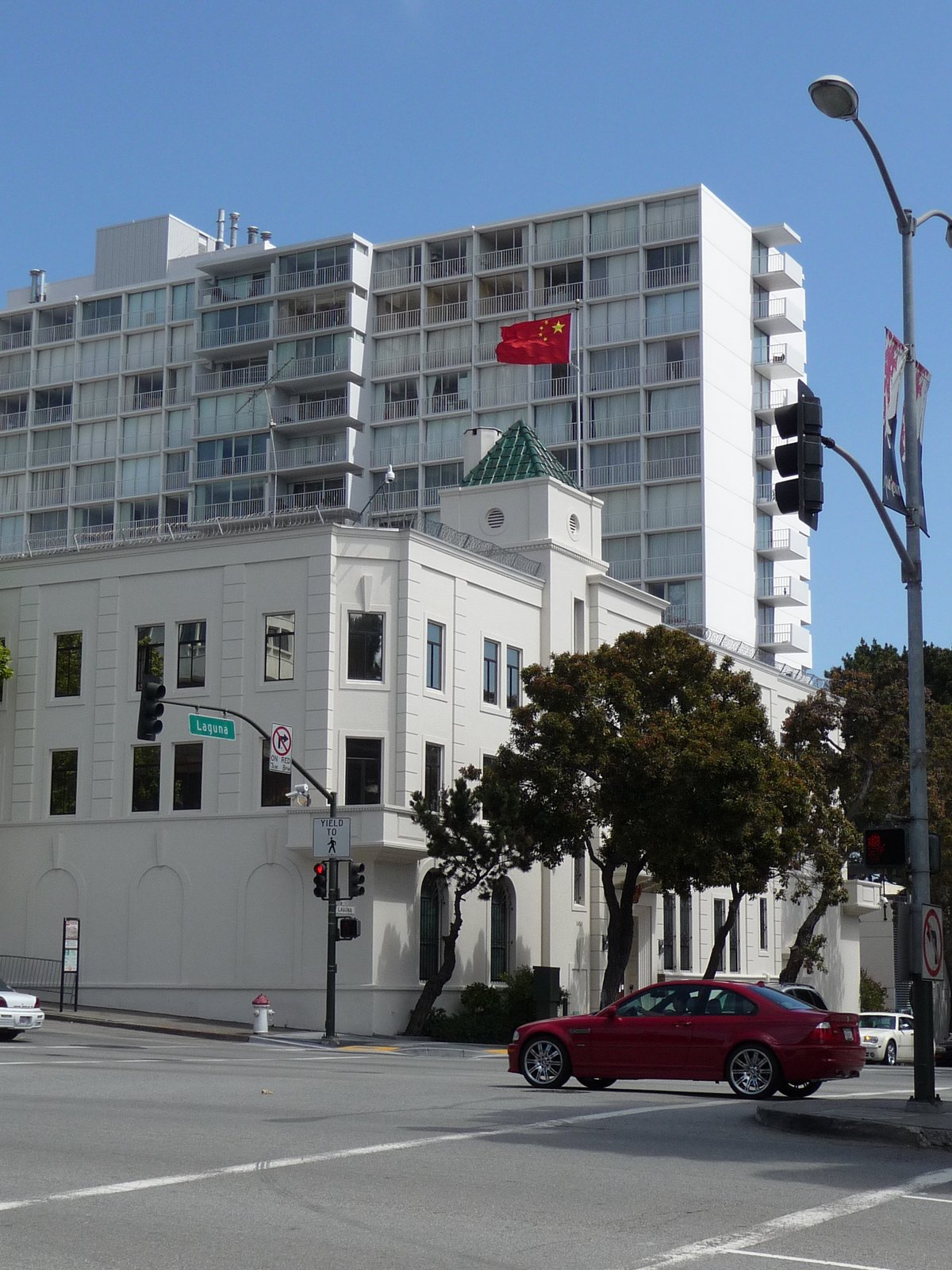
The Chinese Consulate-General in San Francisco is among China’s oldest and most influential diplomatic missions in the United States. Located at 1450 Laguna Street, San Francisco, CA 94115, near Chinatown, it provides visa processing, passport renewal, and support for Chinese nationals. Its jurisdiction includes Northern California and several western states. It also serves as a hub for cultural, educational, and economic exchange (freechinavisa.org, click2visas.com).
The consulate is one of five Chinese diplomatic missions in the United States. Its jurisdiction covers Northern California, Alaska, Nevada, Oregon, Washington, Idaho, Montana, and Wyoming (embassies.net, freechinavisa.org). Services are available only to residents within its jurisdiction (click2visas.com). The consulate operates under the Vienna Convention on Consular Relations and is subject to U.S. federal and local laws.
Its core functions include issuing and renewing Chinese passports and travel documents, providing notarial and authentication services, assisting Chinese nationals in need, facilitating educational, business, and cultural exchanges, and processing visas for U.S. citizens and residents traveling to China (click2visas.com).
Golden Gate Bridge
The Golden Gate Bridge connects San Francisco to Marin County. Its International Orange color and Art Deco elements have made it a symbol of the city.
History
San Francisco became the principal point of entry for Chinese immigrants during the mid-19th-century Gold Rush, and its Chinese community rapidly became the largest in North America. The consulate was established in 1875 to provide consular protection and advocate for Chinese nationals amid increasingly discriminatory laws, including the Chinese Exclusion Act of 1882 (history.com). It mediated legal issues, facilitated communication with local authorities, and became a cultural anchor for the community.
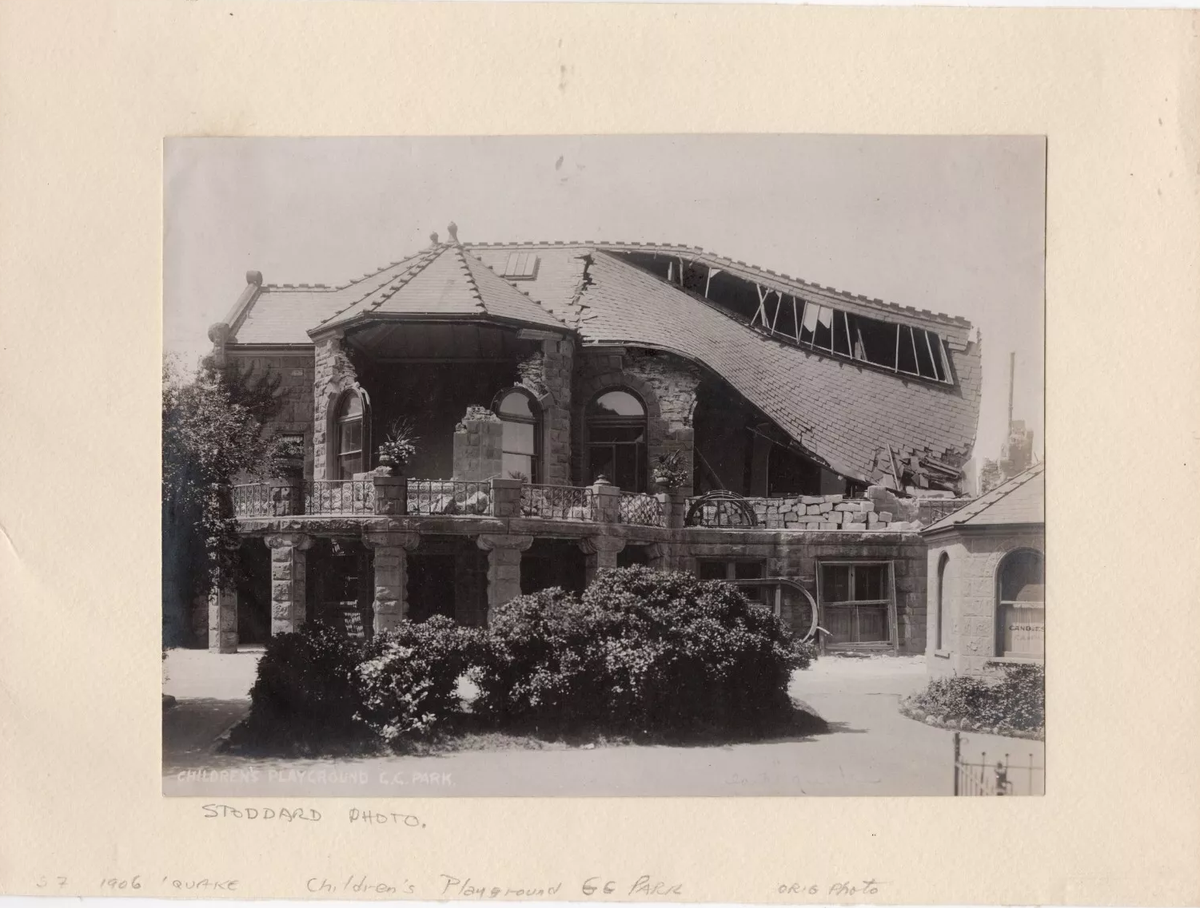
The 1906 earthquake and fires devastated Chinatown and destroyed the original consulate. Afterward, the consulate opposed city proposals to relocate Chinatown and asserted Chinese residents’ right to remain in their historic district. This advocacy helped preserve Chinatown’s location and cultural integrity (NPR). The destruction of city records also allowed many Chinese immigrants to claim citizenship and bring family members to the United States; the consulate provided support through complex legal processes (history.com).
The Golden Gate Bridge opened in 1937. It was once the world’s longest suspension bridge and remains a landmark of American engineering and design.
What to see and do
Consulate programs and community work
The consulate organizes cultural festivals, art exhibitions, and educational initiatives to foster mutual understanding and people-to-people diplomacy (chinaconsulatesf.org). It supports language schools, youth exchanges, local Chinese schools, language and youth programs, and commemorative events highlighting the Chinese-American community’s contributions (history.com). It also supports community organizations, honors community leaders, provides legal and humanitarian services, and encourages participation in local and bilateral affairs (MFA.gov.cn).
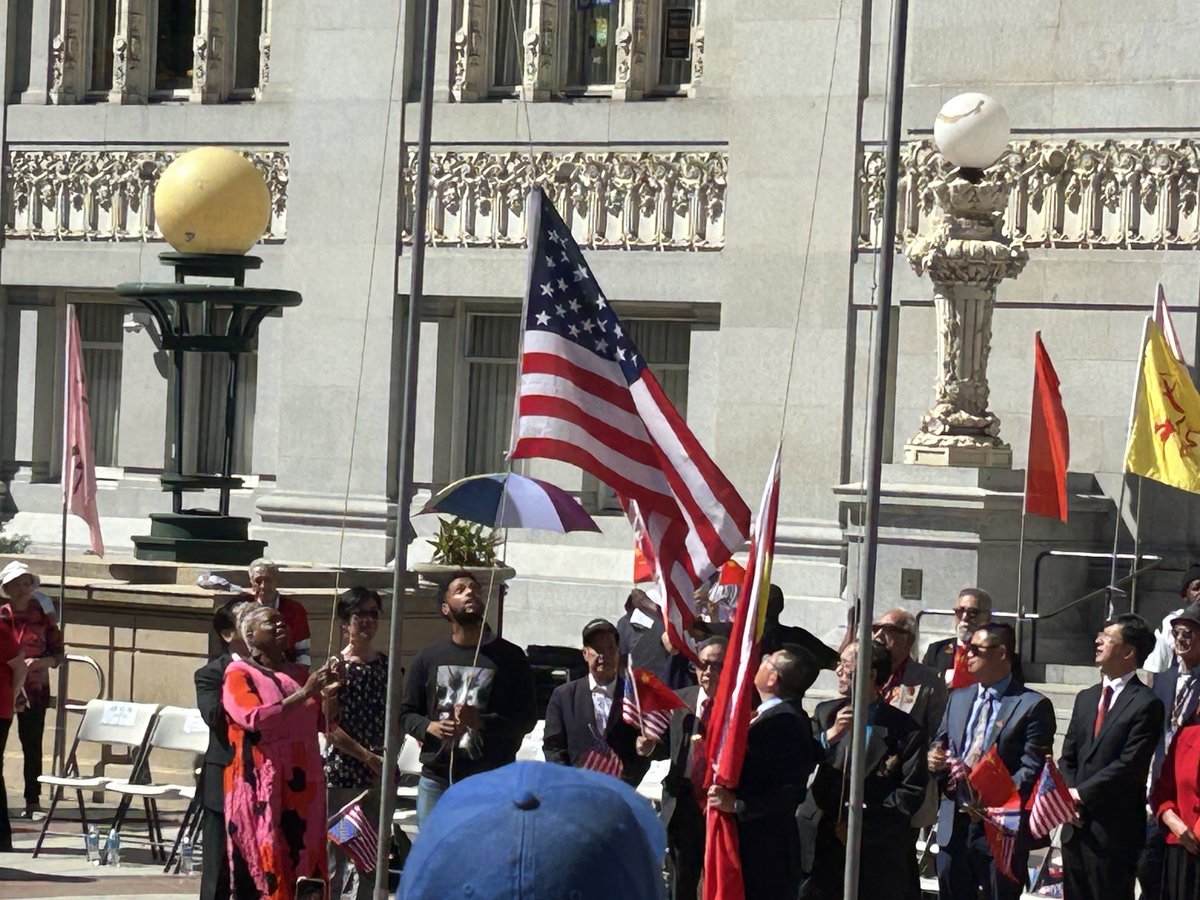
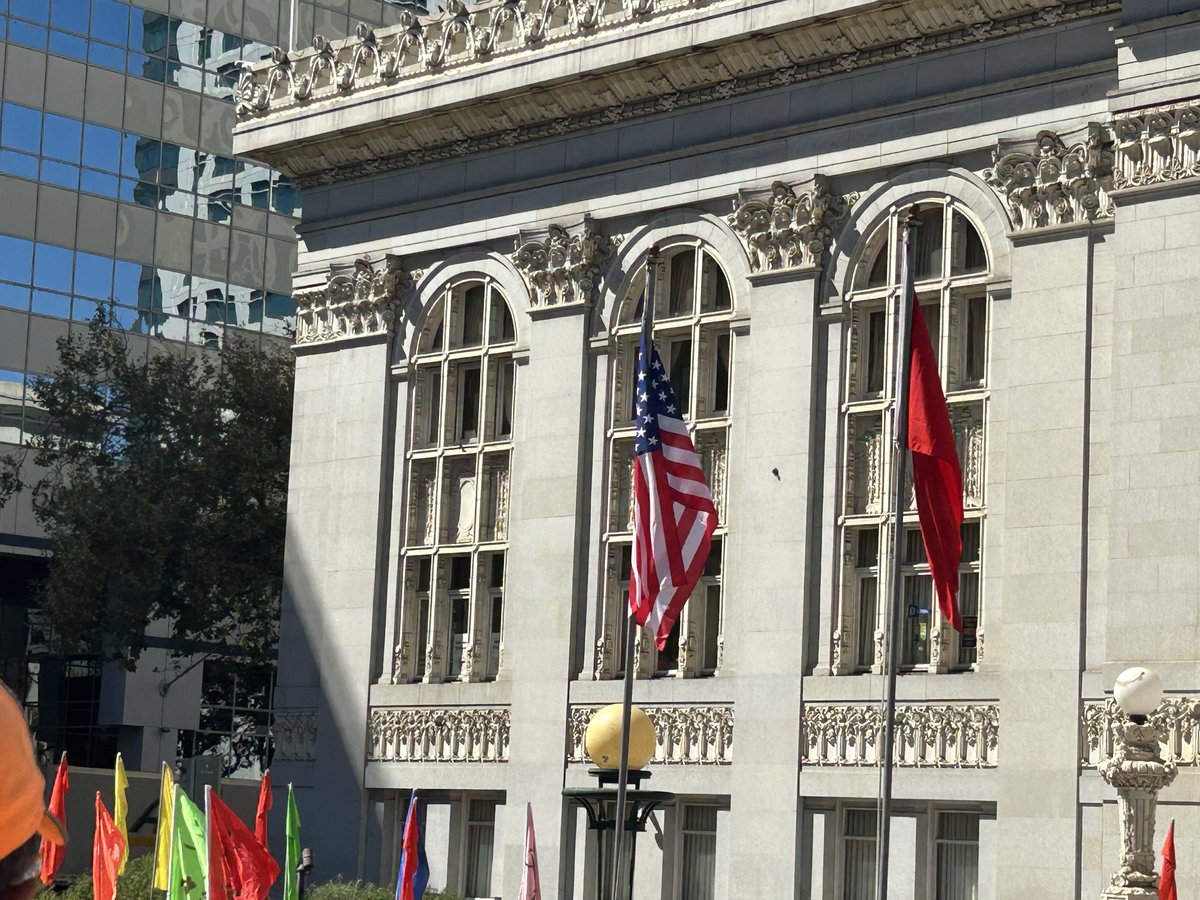
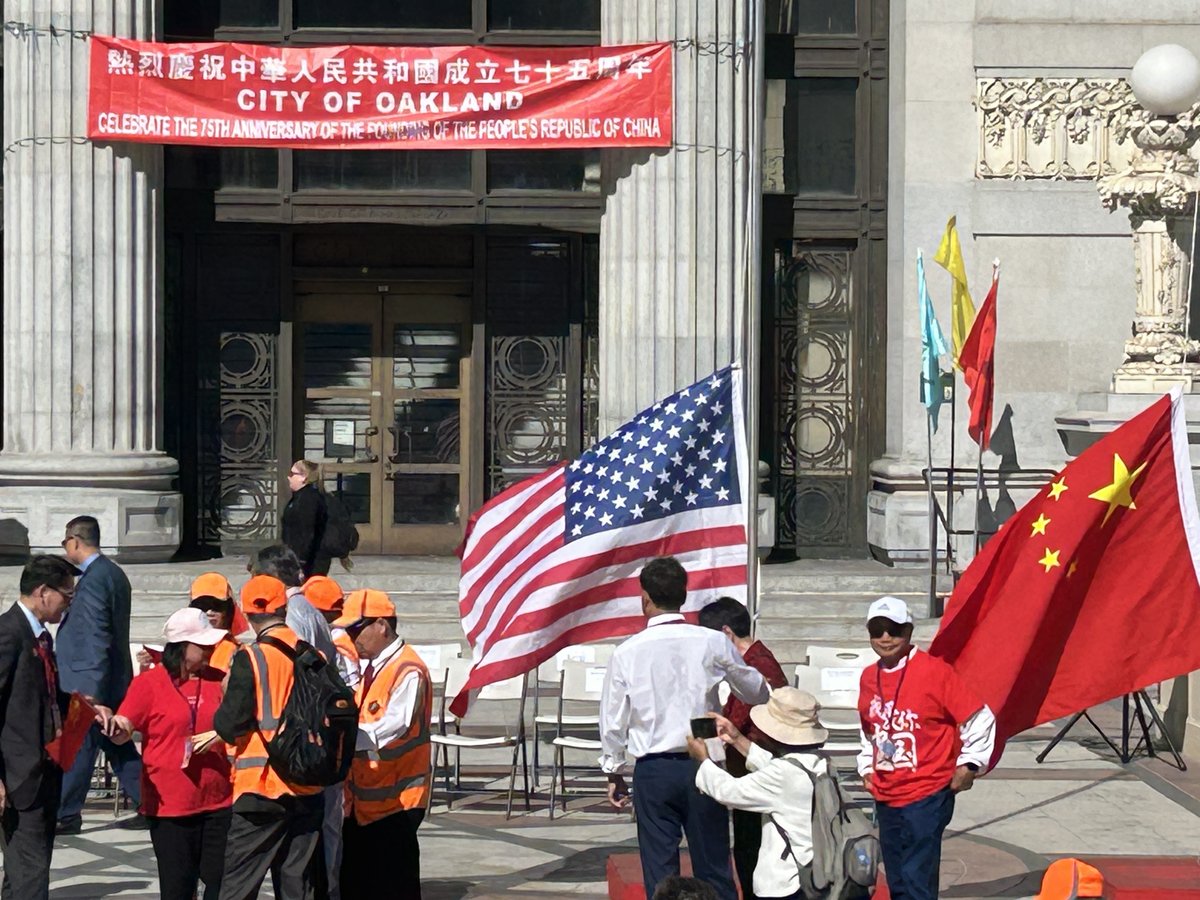
The consulate’s cultural programs include the annual National Day celebration, marking the founding of the People’s Republic of China. In 2024, Consul General Zhang Jianmin led events including a flag-raising, parade, gala dinner, and cultural performances featuring traditional and contemporary Chinese arts (MFA.gov.cn). The consulate also partners with organizations such as Asia Society Northern California on panels about soft power and local-global connections (Asia Society Northern California).
In recent decades, the consulate has participated in high-level visits, business and academic exchanges, and emergency response coordination. Its public diplomacy initiatives engage with the tech sector, arts, and education (thefreelibrary.com). By facilitating visas and supporting cultural events, it also contributes to tourism, academic exchanges, and professional visits between China and the United States. Its backing of Chinatown festivals, museums, and heritage sites contributes to San Francisco’s appeal as a cultural destination (history.com).
The building at 1450 Laguna Street is near the historic Chinatown district (click2visas.com). The surrounding area includes Chinese and Western architectural styles that reflect Chinatown’s post-1906 rebuilding and cultural pride (NPR).
Golden Gate Bridge
Pedestrians and cyclists can cross the bridge. Trails connect it to Crissy Field, the Presidio, and Marin Headlands. Photography viewpoints include Battery Spencer, Fort Point, and Marin Headlands.
The bridge hosts anniversary celebrations, charity events, and festivals. Check the official Golden Gate Bridge website for event information.
Practical visiting information
Chinese Consulate-General
- Location 1450 Laguna Street, San Francisco, CA 94115.
- Visiting hours Monday–Friday, 9:00 AM–12:00 PM and 1:30 PM–4:30 PM. A separate practical-information listing gives hours as Monday–Friday, generally 9:00 AM–5:00 PM.
- Appointments Required for most consular services, such as visas and passports, and must be scheduled online in advance.
- Fees There is no general admission fee, though service-specific fees apply.
- Accessibility The building and facilities are accessible, including for wheelchair users. Visitors with special needs should notify the consulate ahead of time; for events, contact organizers about special accommodations.
- Transportation Muni bus lines serve the area, and the consulate is within walking distance of Chinatown. Parking is limited, so public transit is recommended.
- Events Most are free and open to the public, but some require advance registration or tickets. Monitor the official consulate website and partner organizations for details.
Always check the official website for updates or holiday closures.
Golden Gate Bridge
- Pedestrian and cyclist access Open 24 hours a day, seven days a week. Daylight hours, 5:00 AM–9:00 PM, are safest for visitors.
- Visitor Center Open daily from 9:00 AM to 6:00 PM, with exhibits, a gift shop, and restrooms.
- Accessibility Wheelchair-accessible paths and facilities are available.
- Bridge access and tolls Pedestrians and cyclists cross for free. Southbound vehicles pay an electronic toll.
- Parking Parking is limited near the Welcome Center and Vista Point; metered street parking fills quickly.
- Guided tours Various companies offer tours, and booking in advance is recommended.
For detailed visitor information and updates, see the official Golden Gate Bridge website.
Tips
- Arrange consular appointments in advance and check current visiting hours and event details.
- Register in advance for consulate events where required. Business or traditional attire is recommended for formal events. Many programs are in Mandarin with English translation; respect cultural protocols during events.
- Visit the Golden Gate Bridge early or late for fewer crowds and better light.
- Dress in layers at the bridge; fog and wind are common.
- Use public transit to avoid parking issues.
- For real-time travel resources, the original visitor information recommends downloading the Audiala app.
Frequently asked questions (FAQ)
What are the Chinese Consulate-General’s visiting hours?
Monday–Friday, 9:00 AM–12:00 PM and 1:30 PM–4:30 PM. Another practical-information listing gives the hours as Monday–Friday, generally 9:00 AM–5:00 PM. Check the official website for updates.
Do I need tickets to visit the consulate?
Appointments are required for consular services; there is no general admission ticket.
Is the consulate accessible for people with disabilities?
Yes. Notify the consulate in advance for any special accommodations.
What services does the consulate provide?
Visa and passport issuance, notarial services, assistance for Chinese nationals, and support for cultural and trade exchanges.
What attractions are near the consulate?
Chinatown, the Asian Art Museum, and other historic sites in San Francisco.
Is there an admission fee for pedestrians or cyclists on the Golden Gate Bridge?
No. Access is free.
Are there restrooms at the bridge?
Yes, at the Welcome Center and nearby.
Can I drive across the Golden Gate Bridge?
Yes. Southbound traffic pays an electronic toll.