Introduction
At the crossroads of Market and Third Streets, the Central Tower—originally the Call Building—stands as a testament to San Francisco’s enduring architectural ambition and historical evolution. Commissioned by Claus Spreckels and completed in 1898, this landmark was once the tallest building west of Chicago, rising to 315 feet (96 meters) with its iconic copper-clad dome. Over its lifespan, Central Tower has survived earthquakes, fires, and sweeping urban change, morphing from a Beaux-Arts showpiece to an Art Deco edifice. Though primarily an office building today, its enduring presence in the city’s skyline offers a captivating narrative for visitors and locals alike (Legends of America; Spaces Magazine; Buildings DB; Wikipedia).
This guide provides essential information, including Central Tower visiting hours, accessibility, architectural features, and travel tips, ensuring an enriching experience for anyone eager to explore San Francisco’s storied urban landscape.
Photo Gallery
Explore Central Tower in Pictures

Historical black and white photograph depicting Market Street near the Call Building in San Francisco, California, showing extensive damage caused by the 1906 earthquake and subsequent fire.

Historic photograph of Market Street NE in San Francisco depicting extensive destruction and debris following a major modern catastrophe, with damaged buildings including the Call building.

Historic Central Tower, also known as Call Tower, in San Francisco before the 1906 earthquake, featuring people in the street and period architecture

Historic photograph showing the Call Building engulfed in flames after the 1906 San Francisco earthquake; Mutual Bank building and Raphael's visible in the foreground on Kearny Street.

Black and white photo of the Call Building in San Francisco, California around 1905, showing pedestrians crossing an intersection in front of the building. The Call Building was later gutted by fire after the 1906 earthquake. The Monaco Building is visible in the right background.

Historic image showing the devastating San Francisco fire that broke out following the 1906 earthquake

Historic photochrom postcard of Central Tower, also known as the Call Building, in San Francisco published by the Detroit Photographic Company.

Historic cover of Leslie's Weekly magazine, issue number 2642, dated April 26, 1906, featuring early 20th-century artwork and design

Historic cover of Leslie's Weekly magazine issue No. 2643 dated May 3, 1906, featuring period artwork and design.

The cover of Leslie's Weekly magazine issue No. 2645, dated May 17, 1906, featuring period artwork and design typical of early 20th century publications.

Black and white historic photograph showing an eastern view from the corner of Ellis and Jones streets featuring a tall building, captured by Griffith & Griffith.

Black and white photograph showing the intersection of Ellis and Jones streets looking eastward, featuring a tall building in San Francisco around 1900
Architectural Evolution and Historical Context
Upon its completion in 1898, the Call Building (now Central Tower) was a feat of engineering and design. Its steel-frame construction enabled unprecedented height for the West Coast, and its ornate Beaux-Arts façade with a grand dome symbolized San Francisco’s aspirations as a modern metropolis (Legends of America). The building survived the 1906 earthquake and fire, reinforcing its status as a resilient city icon.
By the late 1930s, architectural trends shifted toward modernism. Under architect Albert F. Roller, the tower underwent a significant Art Deco renovation: the dome was removed, and the building’s exterior was streamlined with cream-colored concrete, giving it the sleek verticality and geometric motifs typical of the era (Buildings DB). This transformation reflected not only changing aesthetics but also San Francisco’s broader urban evolution.
Exterior and Interior Design
Exterior Features
Central Tower’s current façade, a result of the 1937–1938 renovation, is distinguished by its Art Deco styling—vertical lines, setbacks, and a stepped crown that replaced the original dome. The 21-story building is clad in light-colored ceramic tiles, and darker vertical stripes were added in the early 2000s to further accentuate its height (Buildings DB). The building’s imposing presence anchors Market Street’s commercial corridor.
Interior Highlights
While access is limited, the lobby maintains Art Deco character with polished marble floors, bronze elevator doors, and glass brick walls. The flexible office layouts reflect the building’s adaptability to changing commercial needs.
Visiting Central Tower: Hours, Tickets, and Access
Visiting Hours
- Exterior Viewing: The building’s exterior can be admired at any time during daylight hours.
- Lobby Access: Limited to standard business hours, typically Monday–Friday, 8:00 AM to 6:00 PM. Public access may vary depending on tenant security protocols.
Tickets and Admission
- No Tickets Required: There are no tours or observation decks, and no fees are charged to view the exterior or enter the lobby during open hours.
Access and Transportation
- Public Transit: The nearby Powell Street BART/Muni station and several Muni bus lines make access convenient (SF Travel).
- Parking: Limited and expensive in the area; public transportation is strongly recommended.
- Accessibility: Sidewalks surrounding Central Tower are wheelchair accessible. Interior accessibility follows tenant policies.
Visitor Etiquette
- Respect the building’s function as a working office—do not attempt to access restricted areas.
- Photography is welcome from public sidewalks. Please avoid obstructing entrances or disturbing occupants.
Nearby Attractions and Travel Tips
Central Tower’s central location provides easy access to:
- Union Square: San Francisco’s bustling shopping and entertainment hub.
- Ferry Building: Historic marketplace and waterfront landmark.
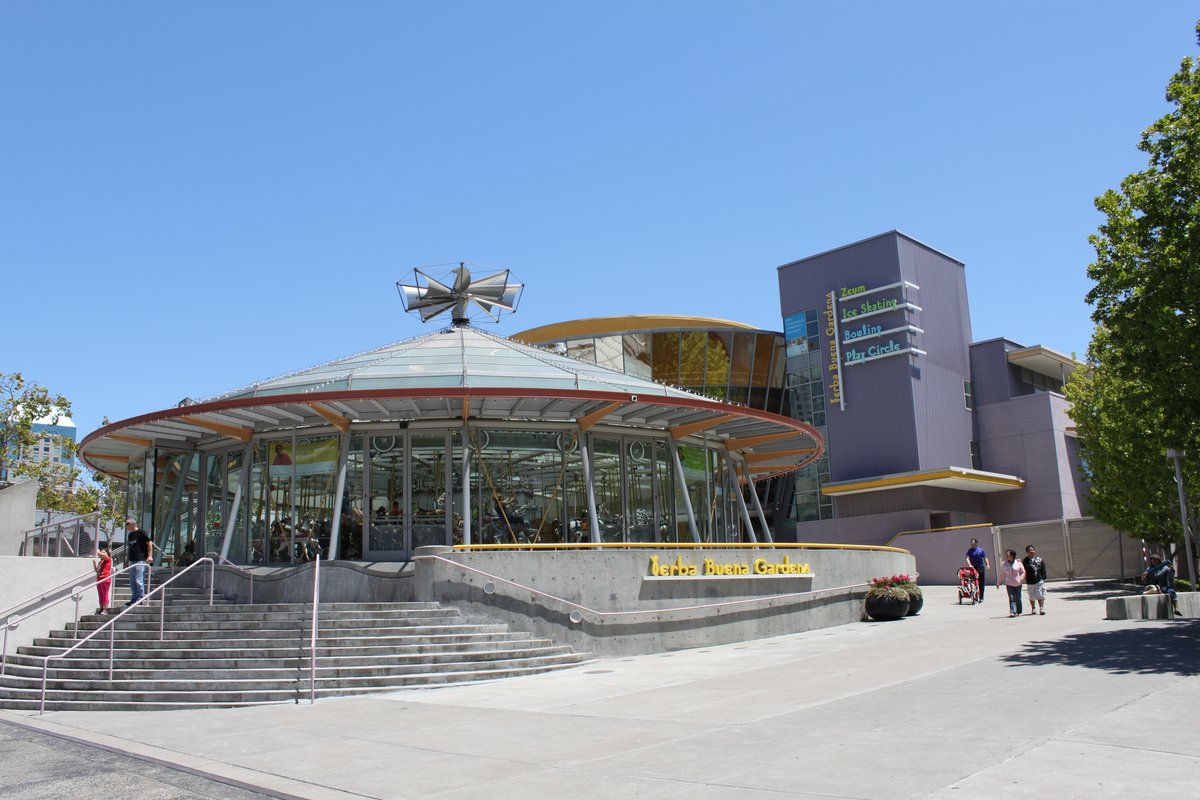
- Yerba Buena Gardens and Palace Hotel: Cultural and architectural sites within walking distance.
- Salesforce Tower and Park: Modern skyscraper with public amenities (SFCitizen).
Photography Tips: The best exterior shots are from across Market Street, especially in early morning or late afternoon light.
Dining and Shopping: The area offers an array of cafes, restaurants, and retail options.
Preservation and Modern Use
Central Tower’s enduring role as a commercial office building underscores San Francisco’s commitment to historic preservation and adaptive reuse. Major restorations—including a significant conservation effort in 2017—have ensured its continued structural integrity and relevance in a seismically active region (Buildings DB). Its presence on Market Street remains a visual reminder of the city’s historic and architectural continuity.
Frequently Asked Questions (FAQ)
Q: Can I tour Central Tower or visit an observation deck?
A: No public tours or observation decks are available. Lobby access is possible during business hours, but upper floors are restricted.
Q: Are tickets required to see Central Tower?
A: No tickets are needed for exterior viewing or lobby access.
Q: Is Central Tower wheelchair accessible?
A: Sidewalks around the building are accessible; lobby and upper floor accessibility depends on current tenant arrangements.
Q: Is parking available?
A: Parking is limited and expensive; public transit is recommended.
Q: What are the best times to visit?
A: Weekdays during business hours for lobby access; mornings or late afternoons for photography.
Listen to the full story in the app
Your Personal Curator, in Your Pocket.
Audio guides for 1,100+ cities across 96 countries. History, stories, and local insight — offline ready.
Audiala App
Available on iOS & Android
Join 50k+ Curators
Last reviewed: