Introduction
San Francisco is renowned for its dynamic culture, iconic public plazas, and layered history. Central Plaza sites—Union Square, Embarcadero Plaza (also known as Central Plaza), and Civic Center Plaza—stand as living testaments to the city’s evolution from Indigenous lands to a bustling metropolis. Each plaza offers a unique perspective on San Francisco’s development, from significant historical events to ongoing civic engagement, and serves as a hub for cultural, commercial, and political life. This guide provides detailed information for visitors, including historical context, architectural highlights, practical travel tips, accessibility, ticketing, event calendars, and answers to frequently asked questions.
Photo Gallery
Explore Central Plaza in Pictures
Union Square (Central Plaza): History and Visitor Guide
Historical Background
Indigenous and Early Colonial Roots
Union Square’s site was originally inhabited by the Ohlone-speaking Yelamu people, who utilized the land’s natural resources for millennia (source). Spanish colonization in 1776, led by Juan Bautista de Anza, established the Presidio and Mission Dolores, marking the area’s transformation from Indigenous territory to a colonial outpost (source).
Mexican and Early American Periods
After Mexican independence, the settlement of Yerba Buena emerged, later becoming San Francisco. The plaza was designated as a public space in 1850, soon named Union Square due to its role in pro-Union rallies during the Civil War (source).
Gold Rush and Urbanization
The 1848 Gold Rush transformed San Francisco into a booming city. Union Square became a commercial and civic center, enhanced by the arrival of cable cars in 1873 and the rise of grand hotels and department stores (source).
Early 20th Century: Catastrophe and Renewal
Devastated by the 1906 earthquake and fires (source), Union Square was rebuilt with modern, earthquake-resistant buildings (source), solidifying its status as a premier shopping and entertainment district.
Mid-20th Century: Retail and Cultural Hub
From the 1920s-1960s, Union Square was among the nation’s top retail districts (source), hosting iconic department stores, theaters, and public festivities.
Late 20th Century: Decline and Revitalization
Economic shifts led to challenges and vacancies until a significant renovation in 1998 revitalized the plaza. In 2004, Union Square became a tech-forward space by offering free public Wi-Fi (source).
21st Century: Challenges and Transformation
The COVID-19 pandemic, shifting retail trends, and public safety issues have affected the area, leading to high-profile closures like Macy’s in 2024 (source). Renewed city initiatives now focus on events, night markets, and entertainment zones to foster a new era of vibrancy (source).
Visiting Union Square
- Visiting Hours: Open public plaza, accessible 24/7. Surrounding businesses generally open 10:00 AM–9:00 PM.
- Tickets and Entry: Free access; event or attraction entry may require tickets.
- Accessibility: Wheelchair accessible; ramps and public transit options available.
- Guided Tours: Walking tours focus on history, architecture, and culture; book online or at visitor centers.
- Nearby Attractions: Cable Car Turnaround, Chinatown, Moscone Center, SFMOMA.
- Best Time to Visit: Weekdays for fewer crowds; mornings for photography; check event schedules for special experiences.
Special Events, Entertainment, and Photo Spots
Union Square hosts seasonal ice rinks, art fairs, and open-air performances. Top photo spots include the Dewey Monument, cable car turnaround, and surrounding architecture.
Embarcadero Plaza (Central Plaza): Architecture, Culture, and Redevelopment
Architectural Vision and Design
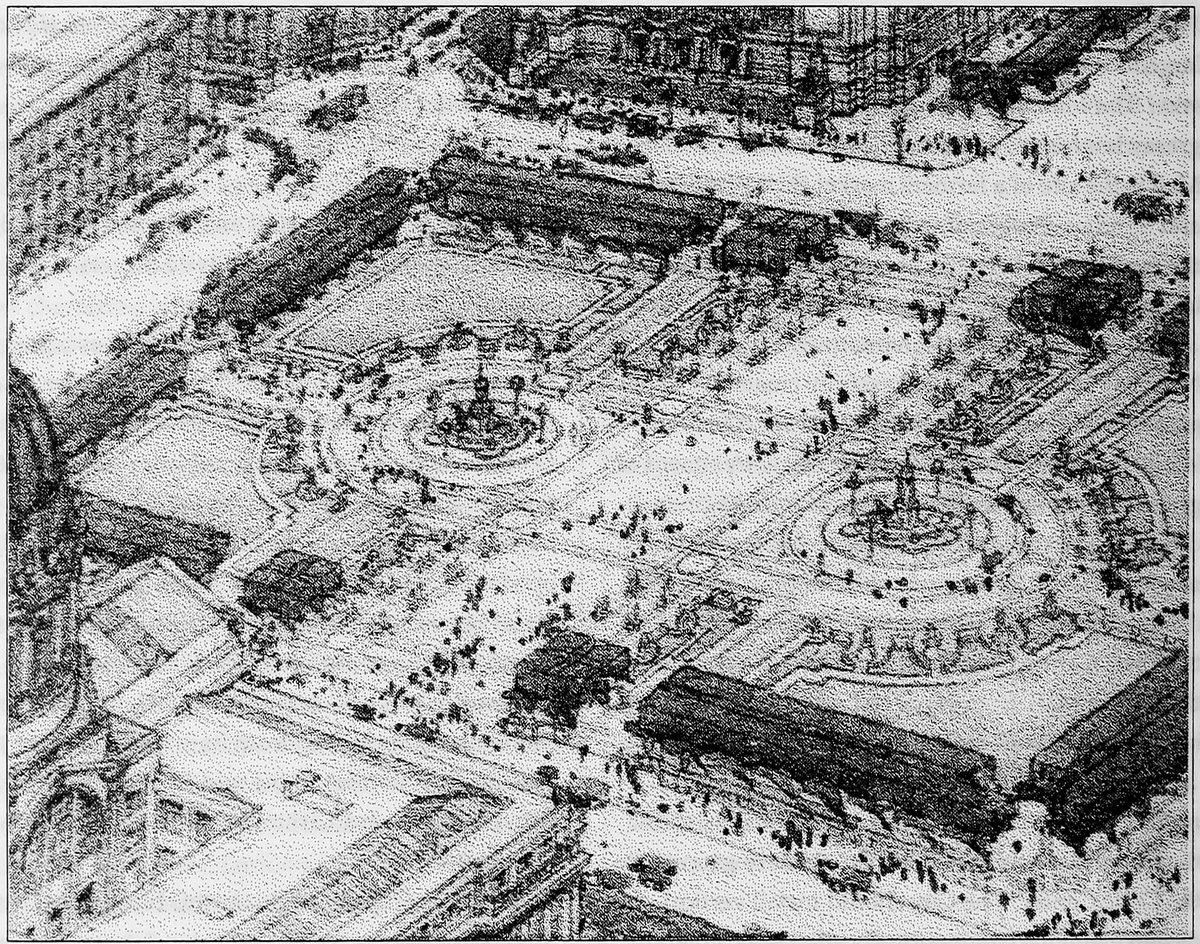
Embarcadero Plaza is an exemplar of late 20th-century urban design. Conceived by Lawrence Halprin, Mario Ciampi, and J. Carl Warnecke, the plaza features bold brick hardscapes, geometric forms, and the monumental Vaillancourt Fountain (Docomomo NOCA). The plaza harmonizes modernist aesthetics with references to San Francisco’s past, inviting diverse usage by commuters, demonstrators, and skateboarders alike.
Cultural Significance and Civic Identity
Since 1971, Embarcadero Plaza has played a vital role in activism, hosting marches, protests, and festivals tied to pivotal moments like labor movements and LGBTQ+ rights (FoundSF). Its design enables large gatherings, reinforcing its role as a civic commons.
The Vaillancourt Fountain: Brutalism and Debate
The 40-foot Vaillancourt Fountain, a Brutalist concrete sculpture by Armand Vaillancourt, is both a celebrated landmark and a source of controversy (SF Chronicle). Its fate is central to ongoing redevelopment discussions.
Skateboarding and Subcultural Legacy
In the 1980s–90s, Embarcadero Plaza became legendary in skateboarding culture, influencing styles worldwide. Efforts continue to balance skateboarding’s legacy with preservation (Docomomo NOCA).
Visiting Embarcadero Plaza: Hours, Accessibility, and Travel Tips
- Visiting Hours: Open daily, dawn–10 PM. No admission fee.
- Accessibility: Wheelchair accessible; adjacent to BART, Muni, and bike racks.
- Tickets and Tours: Admission is free; included in many city walking tours.
- Nearby Attractions: Ferry Building Marketplace, Exploratorium, Embarcadero Center.
- Events: Regularly hosts festivals, food trucks, and public art installations (SF Tourism Tips).
Ongoing Redevelopment and Preservation Efforts
A $30 million public-private partnership proposes to green the plaza, add pathways, gardens, and recreation areas, and possibly alter or remove the Vaillancourt Fountain (TCLF). Advocates urge the recognition of Halprin’s design as a historic landmark. Community input is actively sought through city agencies and public meetings.
Visitor Experience During Redevelopment
Expect temporary closures, fencing, and construction impacts as redevelopment progresses. The space remains open with ongoing events and is a stop on city tours. Check official city websites for current updates.
Civic Center Plaza: Governmental and Cultural Heart
Location and Layout
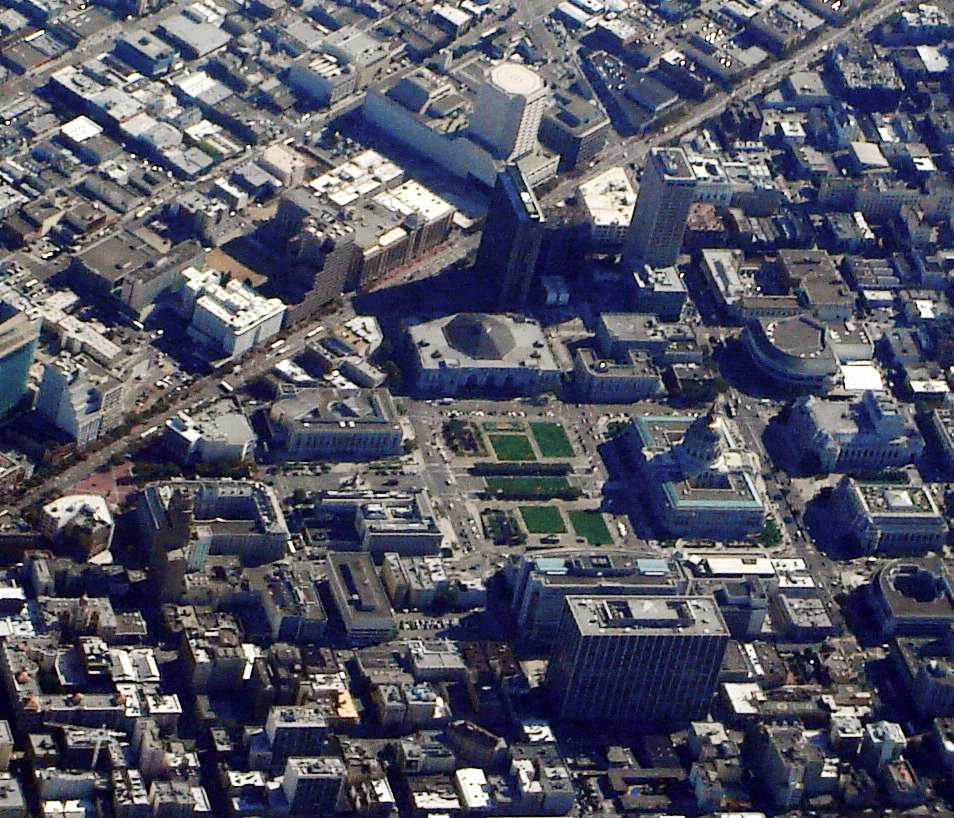
Civic Center Plaza sits in front of San Francisco City Hall, bounded by Polk, McAllister, Larkin, and Grove Streets (Wikipedia: Civic Center, San Francisco). Its Beaux-Arts plan unifies government buildings and cultural institutions.
Historical and Cultural Significance
Established post-1906 earthquake, Civic Center Plaza has hosted major historical events like the signing of the United Nations Charter and pivotal protests and celebrations (Wikipedia: Civic Center, San Francisco). The area is a designated historic district (sfplanning.org).
Attractions and Activities
Architectural Landmarks
- San Francisco City Hall: Free guided tours weekdays, 8:00 AM–5:00 PM (sftravel.com).
- Asian Art Museum: Open Tues–Sun, 10:00 AM–5:00 PM; tickets required (Asian Art Museum).
- Main Library: Open Mon–Sat, 9:30 AM–6:00 PM (sfpl.org).
- War Memorial Opera House/Veterans Building: Home to opera, ballet, and historic international events.
Monuments and Public Art
- Pioneer Monument: Commemorates California settlers.
- Hearts in San Francisco: Public art installations scattered throughout the district.
Events and Festivals
Major events include Pride Parade, Earth Day, St. Patrick’s Day Parade, and the Farmers’ Market at UN Plaza (Wikipedia: Civic Center, San Francisco).
Visitor Experience and Tips
- Accessibility: Highly accessible by BART, Muni, and bus; wheelchair access at all major sites.
- Safety: Remain alert, especially after dark; avoid displaying valuables (The Invisible Tourist).
- Amenities: Restrooms, seating, shaded areas, and public Wi-Fi available.
- Dining and Accommodation: Options range from quick cafés to hotels in nearby Hayes Valley (Booking.com).
- Best Times to Visit: Lively during festivals; peaceful on weekday mornings. Dress in layers for changing weather.
Frequently Asked Questions (FAQ)
Union Square
- Q: What are the visiting hours?
- A: Open 24/7; surrounding shops 10:00 AM–9:00 PM.
- Q: Is there an entry fee?
- A: No, access is free.
- Q: Are tours available?
- A: Yes, guided walking tours are offered.
- Q: Is it wheelchair accessible?
- A: Yes.
Embarcadero Plaza
- Q: What are the hours?
- A: Dawn to 10 PM.
- Q: Admission fee?
- A: None.
- Q: Wheelchair accessible?
- A: Yes.
- Q: Are there guided tours?
- A: Often included in city tours.
- Q: What about the Vaillancourt Fountain?
- A: Its future is under discussion as part of redevelopment (TCLF).
Civic Center Plaza
- Q: Plaza hours?
- A: 24/7 public access; building hours vary.
- Q: Entry fee?
- A: Plaza is free; some attractions charge admission.
- Q: Wheelchair accessible?
- A: Yes.
- Q: Closest transit?
- A: Civic Center/UN Plaza BART and Muni.
Summary and Recommendations
Visiting Union Square, Embarcadero Plaza, and Civic Center Plaza provides a comprehensive look at San Francisco’s history, architecture, and civic life. Each plaza highlights a different facet of the city—from Union Square’s retail energy and historical roots (source), to Embarcadero Plaza’s modernist design and activism (source), to Civic Center Plaza’s governmental and cultural importance (source). Utilize guided tours, check event calendars, and explore nearby landmarks for a rich experience. Pay attention to accessibility, safety, and ongoing redevelopment updates. Download the Audiala app for current guides and follow San Francisco’s cultural channels for real-time updates.
Listen to the full story in the app
Your Personal Curator, in Your Pocket.
Audio guides for 1,100+ cities across 96 countries. History, stories, and local insight — offline ready.
Audiala App
Available on iOS & Android
Join 50k+ Curators
Sources
- verified
- verified
- verified
- verified
- verified
- verified
- verified
- verified
- verified
- verified
- verified
Last reviewed: