
Historical Background and Transformation
Early Landscape and Etymology
Prior to urbanization, Candlestick Point was defined by tidal marshes, mudflats, and diverse wildlife. The name is widely believed to stem from the long-billed curlew, whose silhouette resembled a candlestick, while another local legend attributes it to burning ship masts in the 1800s (Zeroflux Blog; California State Parks PDF, p. 1).
Industrial Use and Community Advocacy
Throughout the 20th century, large portions of the shoreline were filled in for industrial and military purposes, notably during World War II, which left the land degraded and inaccessible (California State Parks PDF, p. 1). In the 1970s, Bayview–Hunters Point residents led a successful campaign to reclaim the land for public use, culminating in the park’s official establishment in 1977 (SFPL Event).
Candlestick Park Stadium Era
From 1960, the nearby Candlestick Park stadium became a cultural icon, hosting major league baseball, football, and concerts, including the final Beatles concert in 1966. The stadium’s closure in 2013 and demolition in 2015 allowed further park expansion and redevelopment (Zeroflux Blog).
Ecological and Cultural Significance
Urban Biodiversity
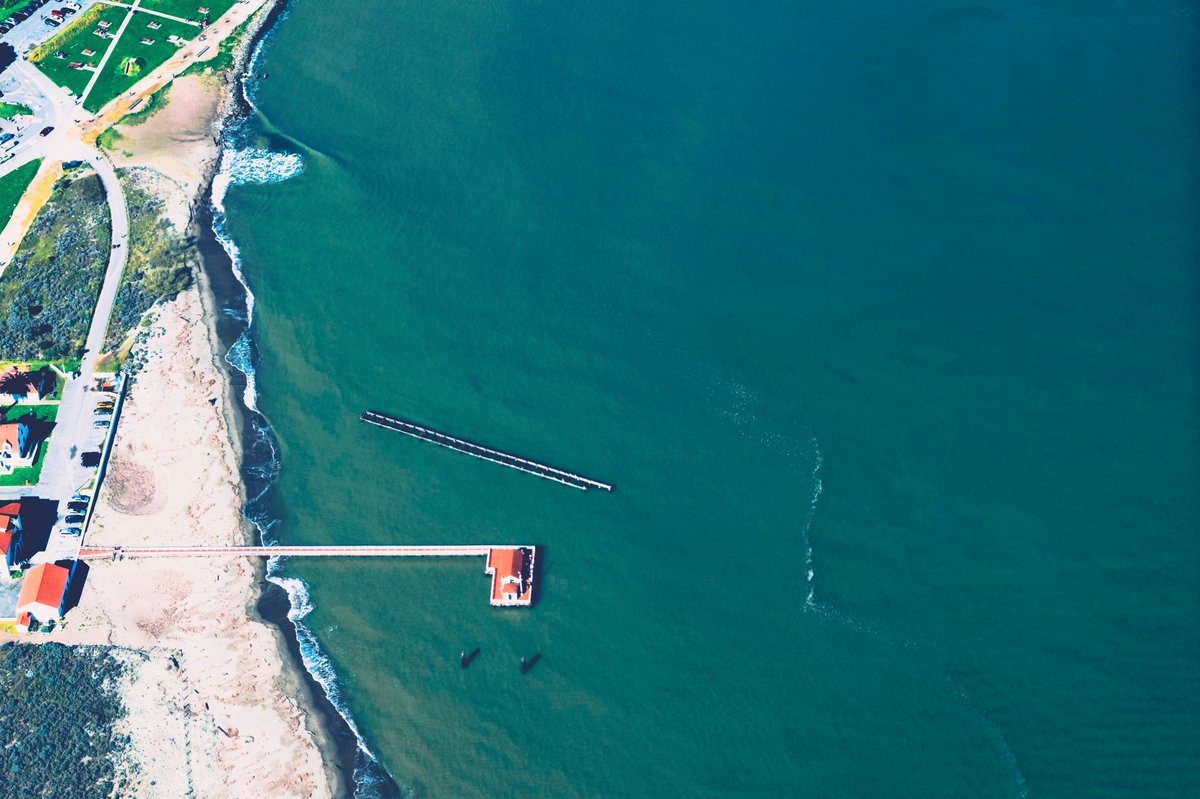
The park’s 252 acres feature grassy uplands, restored marshes, and shoreline beaches, supporting diverse flora and fauna. It is a vital stopover on the Pacific Flyway, attracting over 100 bird species, including egrets, herons, and sandpipers (Golden Gate Audubon Society).
Community Engagement
Candlestick Point is a focal point for environmental justice, community gardening, and cultural events. Programs like “Growing Together Day” invite neighbors and visitors to participate in mural painting, habitat restoration, and celebrations of local heritage (Parks California).
Environmental Education
The park serves as a living classroom, with guided nature walks, school programs, and volunteer restoration days fostering ecological literacy and stewardship (Candlestick Point Eco-Stewards; SFPL Event).
Park Features and Amenities
Trails and Recreation
- Multi-use Trails Over 3 miles of paved and natural-surface paths, including a scenic segment of the San Francisco Bay Trail (California State Parks Brochure).
- Picnic Areas 200+ picnic tables, group sites, and BBQ grills by the bay. Reservations can be made via ReserveCalifornia.
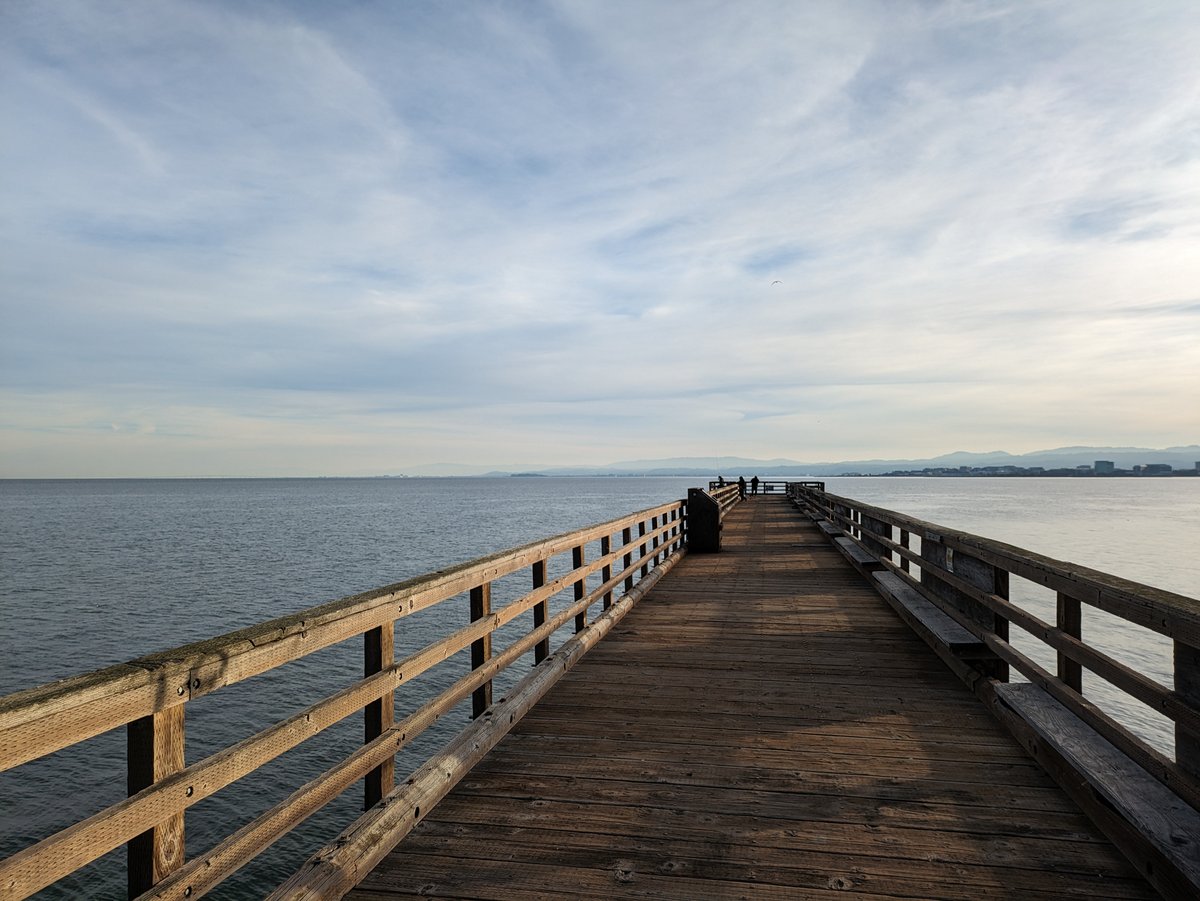
- Fishing Piers Two ADA-accessible piers (Sunrise Point and Windsurfer Circle), with no license required on public piers (California Department of Fish and Wildlife).
- Community Gardens One of California’s first urban state park gardens, offering plots for local residents (Candlestick Point SRA Official Site).
- Water Recreation Windsurfing, kayaking, and paddleboarding are popular at Windsurfer Circle (bring your own equipment).
Facilities
- Restrooms Modern, accessible restrooms near major activity areas.
- Parking Free lots at the main entrance (500 Hunters Point Expressway) and Last Port (160 Harney Way). Spaces fill quickly on weekends and during events.
- Drinking Fountains, Recycling, and Information Kiosks Available throughout the park.
- Accessibility Paved trails, accessible picnic tables, restrooms, and fishing piers ensure inclusivity.
Visiting Hours, Tickets, and Accessibility
- Park Hours Open daily from sunrise (~6:00 AM) to sunset (~8:00 PM in summer, earlier in winter). Parking lots generally open 7:00 AM–8:00 PM (Verdant Traveler).
- Admission Free entry; no tickets required.
- Parking Free in designated lots; arrive early for availability.
- Accessibility ADA-compliant throughout—trails, restrooms, piers, and picnic sites.
- Pets Allowed on leash; owners must clean up after pets.
Activities and Events
Outdoor Recreation
- Hiking & Jogging Flat, accessible trails for all abilities; enjoy panoramic bay and mountain views.
- Birdwatching Prime location for observing migratory shorebirds and raptors—bring binoculars and guides.
- Fishing Striped bass, halibut, perch, sturgeon, and more; check California State Parks for regulations.
- Windsurfing & Kayaking Consistent bay winds make for excellent water sports; shoreline launch available.
- Picnicking & Barbecuing Ample facilities for families and groups—open fires are not permitted.
Community and Cultural Events
- Volunteer Days & Cleanups Join habitat restoration and educational programs (Candlestick Point Eco-Stewards).
- Art Installations & Festivals Public art, murals, and performances highlight the park’s role as a cultural gathering place (Bayview Hunters Point Community Advocates).
- Special Events “Growing Together Day” and other celebrations foster local pride and environmental awareness (Parks California).
Visitor Tips, Safety, and Regulations
- Weather Bay breezes and fog are common—dress in layers and bring sun protection.
- Wildlife Observe from a distance; do not feed animals.
- Safety Emergency call boxes and ranger patrols present; dial 911 for emergencies.
- Regulations
- No open ground fires or amplified music.
- Alcohol rules may apply; check local postings.
- Littering is strictly prohibited—pack out all trash (Verdant Traveler).
- Group events may require permits; consult the official park website.
- Camping Not permitted as of June 2025 due to public health measures (Camping Arrow).
Frequently Asked Questions (FAQ)
What are Candlestick Point’s visiting hours?
Open daily from sunrise (~6:00 AM) to sunset (~8:00 PM in summer).
Is there an entrance fee or ticket required?
No, entry is free; no tickets are needed.
Is parking available?
Yes, free parking at main entrances; spaces may be limited during events.
Are pets allowed?
Yes, leashed pets are welcome; owners must clean up after them.
Are there fishing piers?
Yes, two ADA-accessible piers are available.
Are guided tours or events available?
Yes, the park hosts guided nature walks, volunteer days, and community events (Candlestick Point SRA Events).
Is the park accessible for people with disabilities?
Yes, ADA-compliant trails, restrooms, and facilities are available.
Can I camp at Candlestick Point?
Camping is currently not permitted.