
History of the Balclutha
Origins and Construction
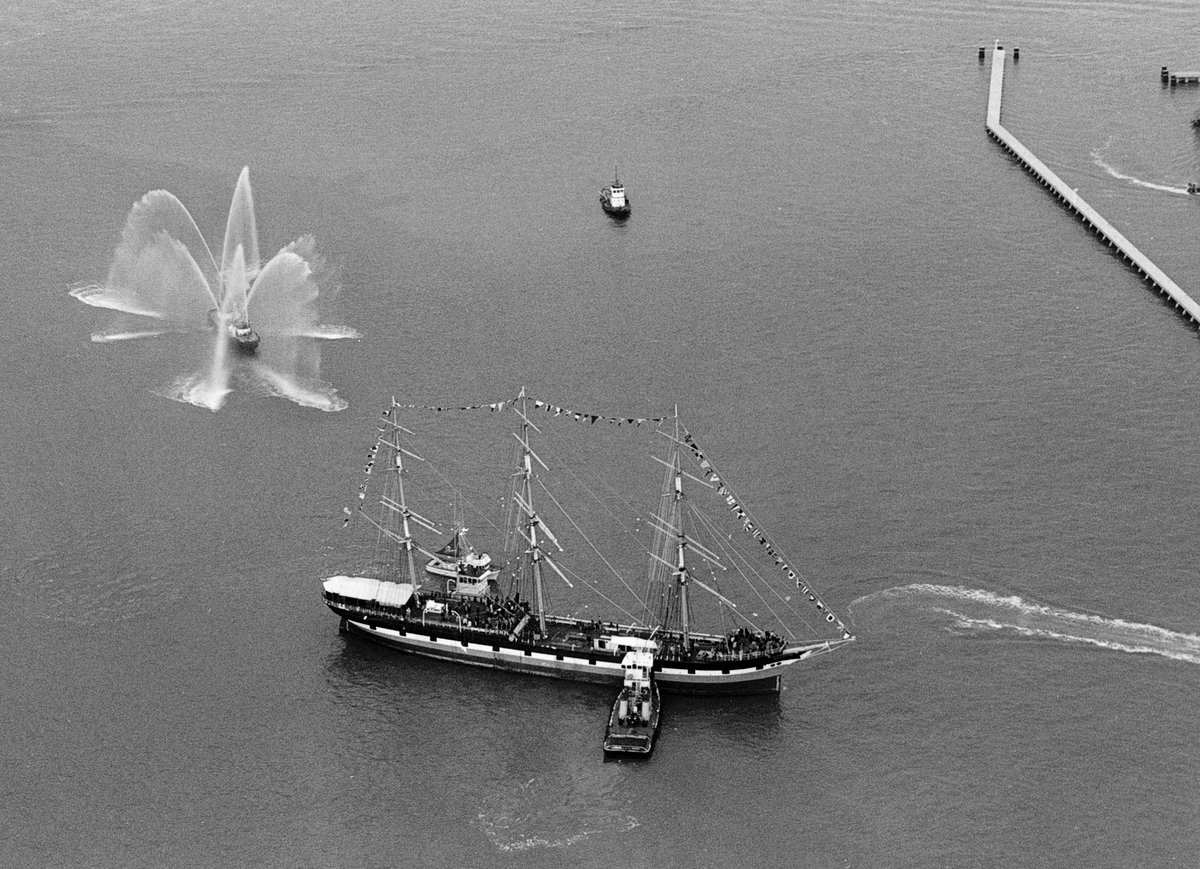
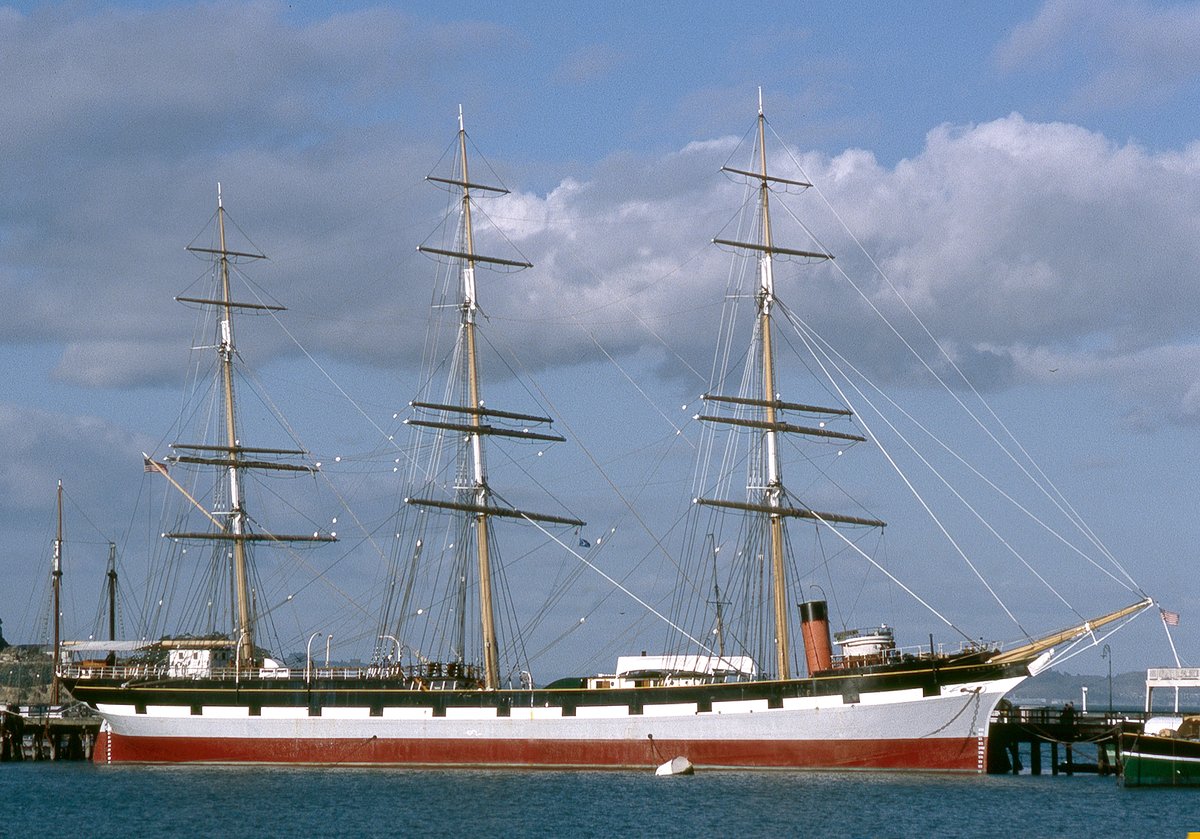
Built in 1886 by Charles Connell and Company in Glasgow, Scotland, the Balclutha is a 301-foot-long, steel-hulled, square-rigged sailing ship. Her name reflects the town of Dumbarton (“Bal”) on the River Clyde (“Clutha”) (NPS.gov). Designed for the demanding global cargo trade, she boasted advanced steel construction and rigging, marking the transition from wooden ships to steel in maritime commerce (npshistory.com).
Early Grain Trade
On her maiden voyage in 1887, Balclutha carried Welsh coal to San Francisco, then loaded California wheat destined for England. During the late 19th century, California’s wheat exports, facilitated by ships like Balclutha, were central to the region’s economy. The vessel typically made transoceanic round-trips, carrying wheat to Europe and returning with manufactured goods (lafire.com; npshistory.com).
Global Cargo Routes
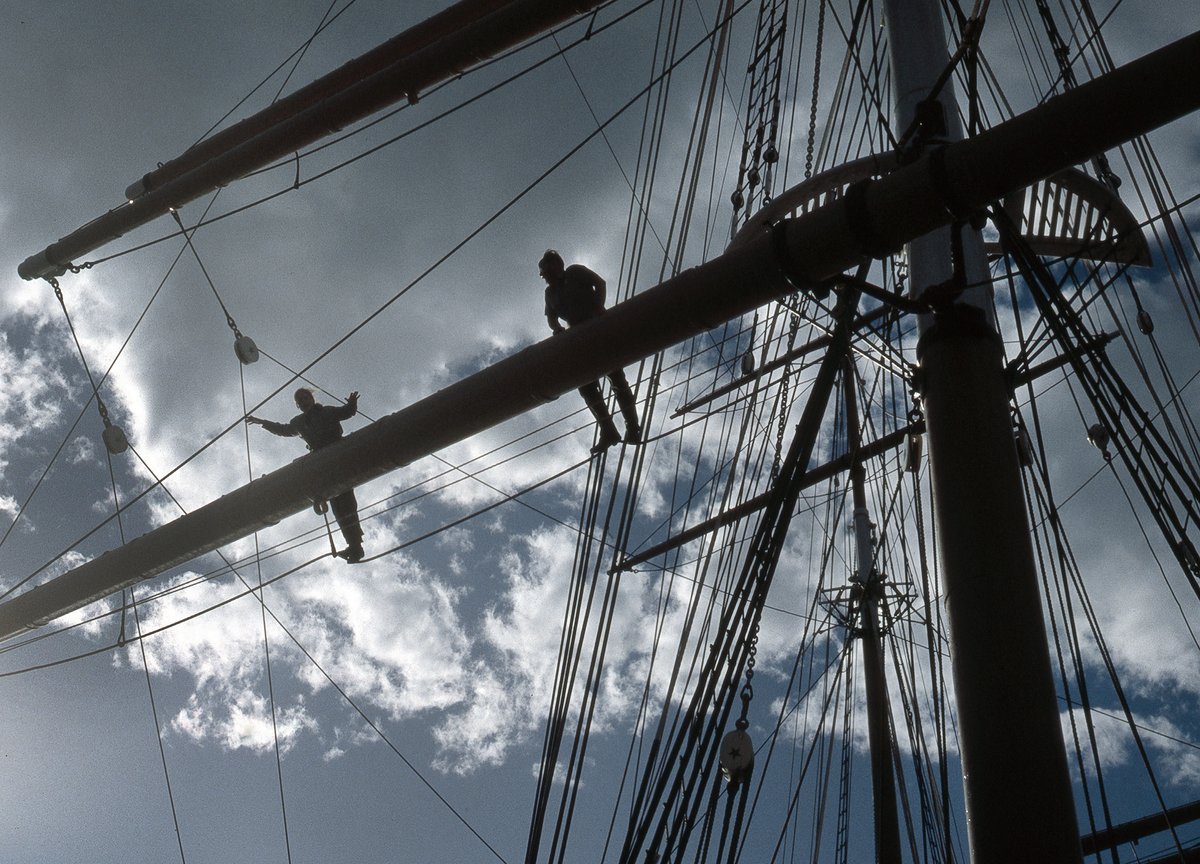
The Balclutha was a true “tramp” ship, plying routes wherever cargo was available—from South American nitrates to Australian grain, and ports across Europe, Africa, and the Pacific. Her 17 passages around Cape Horn are a testament to her sturdy design and the seamanship of her crews (npshistory.com; Beachcombing Magazine).
Lumber and Salmon Trades
By the late 1890s, Balclutha transitioned to the Pacific Coast lumber trade, then entered the Alaskan salmon trade under the Alaska Packers Association after 1904, renamed Star of Alaska. For nearly three decades, she ferried crews and supplies north and returned with processed salmon—a key export (World History Commons). In 1930, after her commercial career, she was sold and renamed Pacific Queen, serving as an exhibit ship and film extra (Beachcombing Magazine).
Preservation as a Landmark
Acquired by the San Francisco Maritime Museum in 1954 and later by the National Park Service, Balclutha was restored to her original name and opened to the public at Fisherman’s Wharf. She was designated a National Historic Landmark in 1985, recognized as one of the last square-rigged merchant ships afloat and a tangible link to the Age of Sail (NoeHill; NPS.gov).
Visitor Information
Location and Access
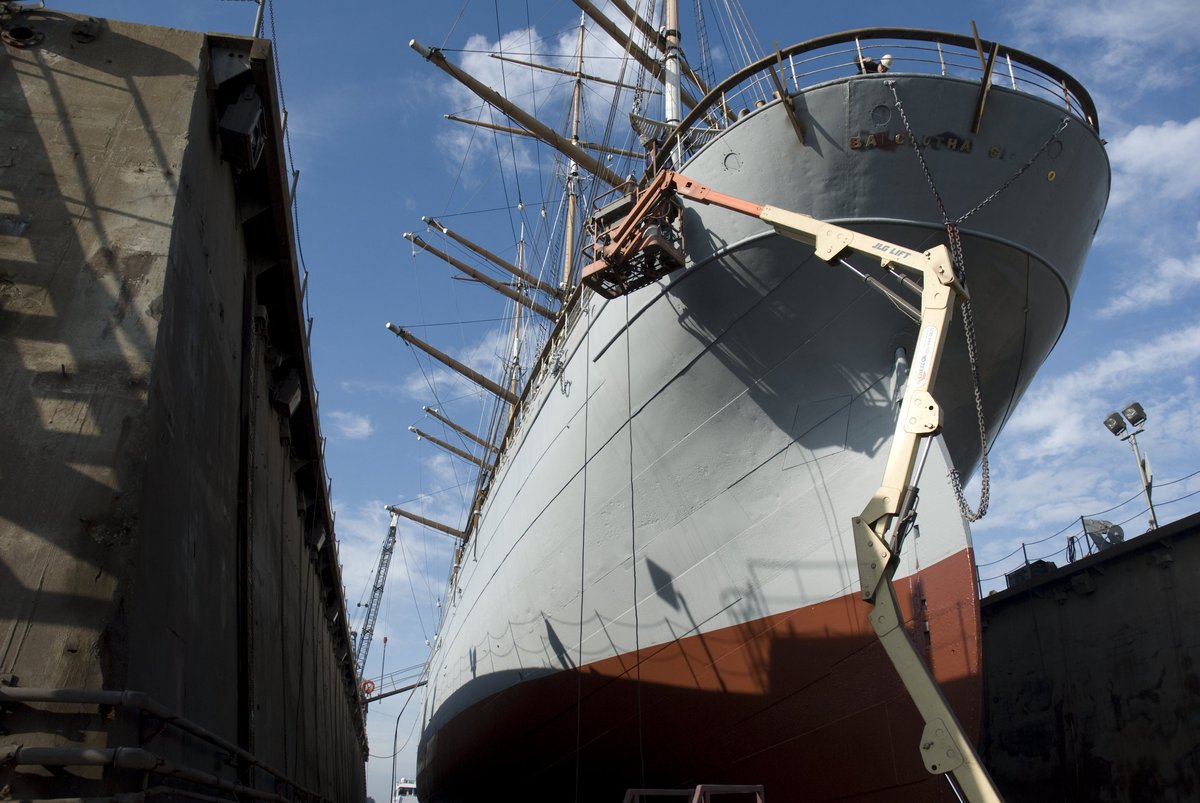
Current Location: Due to restoration work at Hyde Street Pier, the Balclutha is temporarily docked at Mare Island in Vallejo. Visitors can view the ship from the waterfront and enjoy interpretive signage and audio tours (Times Herald Online; NPS Planning).
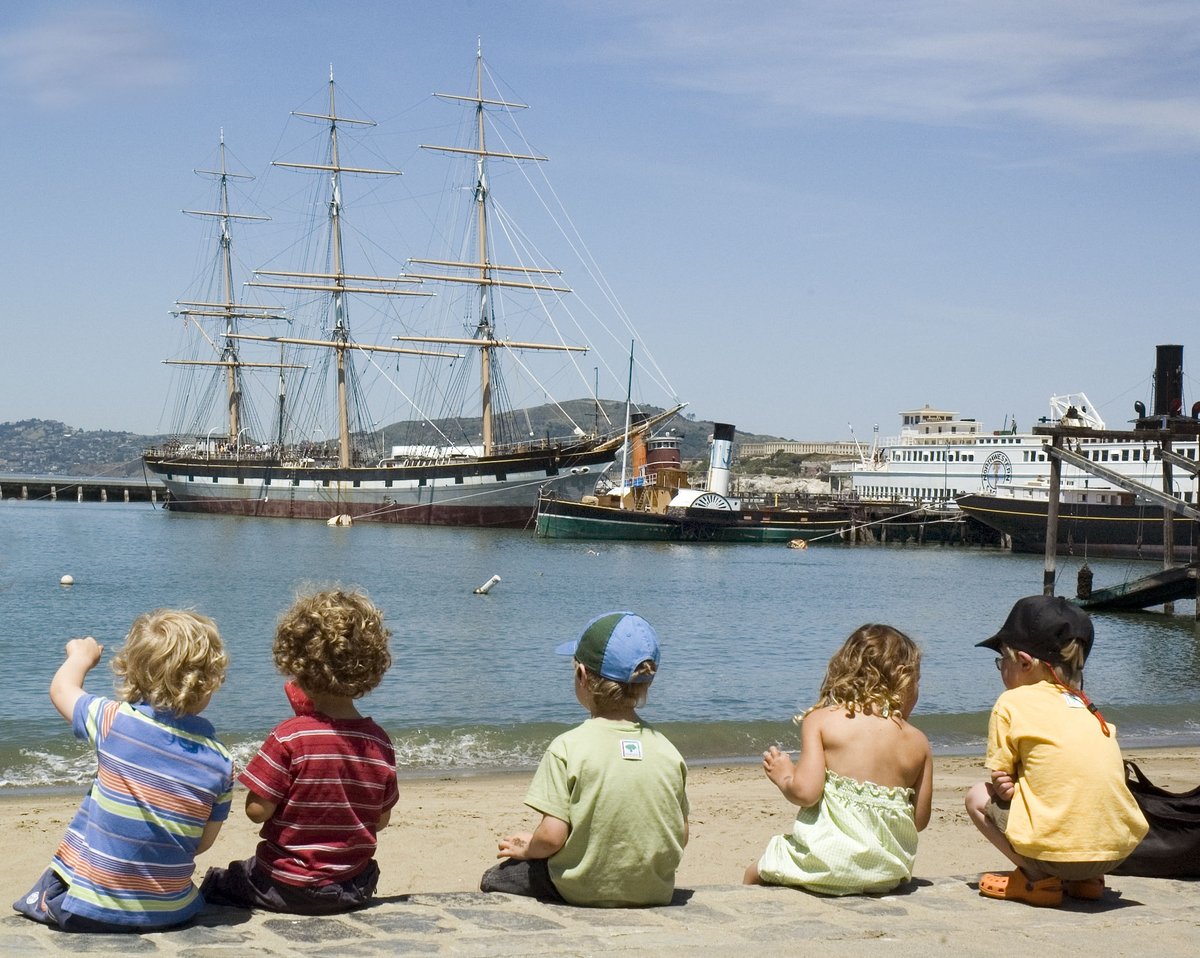
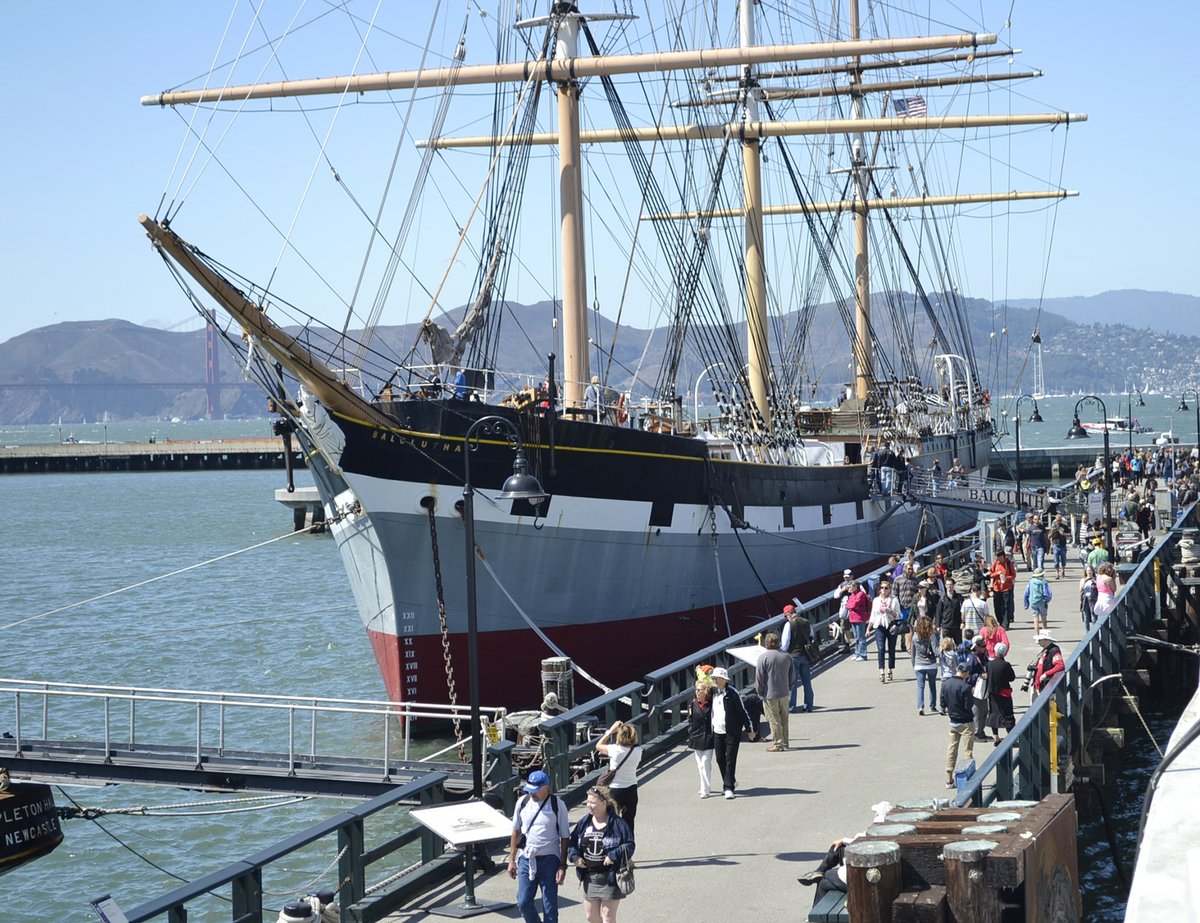
Traditional Location: Hyde Street Pier, Fisherman’s Wharf, San Francisco (NPS History). Access via MUNI F-line streetcar, city buses, or nearby paid parking.
Visiting Hours and Tickets
- Mare Island (Current) Wednesday–Sunday, 10:00 AM–5:00 PM (Times Herald Online).
- Hyde Street Pier (When Reopened) Typically 9:30 AM–5:00 PM, last entry at 4:30 PM (Noman Before; NPS Hours).
- Admission $15 per adult, discounts for seniors and youth, free for children under 15 (WhichMuseum). National Park passes accepted; check for free-admission days (NPS Fees).
- Tickets Purchase onsite at the Visitor Center or online (NPS ticket portal).
Accessibility
- Onboard Access The historic ship’s ladders, narrow passageways, and uneven decks may be challenging for visitors with mobility issues. Some areas are accessible, especially at Mare Island, where virtual tours and exhibits supplement the experience (WhichMuseum).
- Assistance Contact park staff ahead of your visit for up-to-date accessibility information.
Onboard Experience and Programs
When Open:
- Self-Guided Tours Explore the main deck, cargo hold, crew quarters, and captain’s cabin, all restored to showcase different periods of the ship’s history (Citybop; NPS History PDF).
- Ranger Talks and Guided Tours Regularly scheduled, especially on weekends and holidays, offering deeper insights into the ship’s construction, voyages, and life at sea.
- Junior Ranger Program Interactive booklets and activities for children (Noman Before).
- Special Events Maritime festivals, living history days, and workshops. Check the event calendar.
Current (Mare Island):
- Shore Viewing Interpretive signage, cell-phone audio tour, and virtual experiences.
- Guided Tours Offered daily at 11:00 AM and 2:00 PM (Times Herald Online).
Safety and Visitor Tips
- Footwear Wear sturdy, non-slip shoes for uneven decks and ladders.
- Clothing Layered clothing recommended—San Francisco weather is cool and windy.
- Children Supervise closely; some areas have open railings and steep stairs.
- Service Animals Permitted; no pets allowed onboard.
- Photography Allowed for personal use; no tripods without permission.
- Time Required Allocate 45–60 minutes for the Balclutha, 2–3 hours if exploring the full park.
Nearby Attractions
- Historic Ships When open, ticket includes access to other vessels at Hyde Street Pier—Eureka, C.A. Thayer, Alma, and Hercules (NPS History).
- Maritime Museum Additional maritime exhibits nearby (Citybop).
- Fisherman’s Wharf Dining, shopping, and waterfront views.
- Other Sites USS Pampanito submarine, Musée Mécanique, Aquarium of the Bay, Alcatraz Island (WhichMuseum; NoeHill).
Frequently Asked Questions
Q: What are the current Balclutha visiting hours?
A: Mare Island hours are Wednesday–Sunday, 10:00 AM–5:00 PM. Check the official NPS site for updates.
Q: Are tickets required, and where can I buy them?
A: Yes, $15 for adults (free for children under 15). Purchase onsite or online (NPS Fees).
Q: Is the Balclutha wheelchair accessible?
A: Accessibility is limited due to the ship’s design. Some access on the pier and via virtual tours is available (WhichMuseum).
Q: Are guided tours available?
A: Yes, ranger-led tours are scheduled regularly; check with staff or see the event calendar.
Q: Can I take photos?
A: Yes, non-flash photography is permitted for personal use.
Planning Your Visit
- Check Location Confirm whether the ship is at Mare Island or Hyde Street Pier (NPS Planning).
- Arrive Early Mornings and late afternoons are less crowded.
- Dress Smart Wear layers and suitable shoes.
- Engage Ask rangers or volunteers for stories and tips.
- Download Audiala For a multimedia audio tour and more insights.
- Stay Updated Follow San Francisco Maritime National Historical Park on social media for reopening announcements and special events.