
History and Heritage
Origins and Early Development
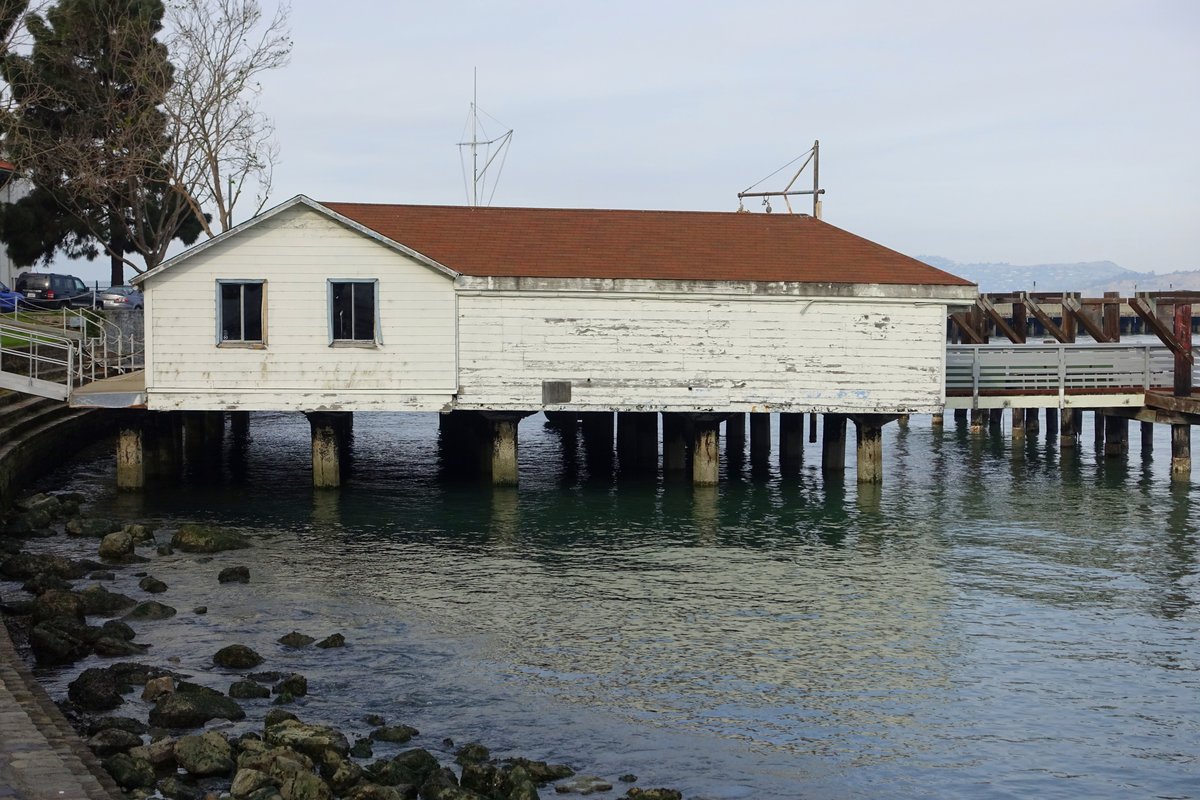
The site now known as the Aquatic Park Historic District began as Black Point Cove, a natural inlet used by swimmers and rowers as early as the 1860s. Industrial development in the late 19th century, including the Pioneer Woolen Mill, led to significant changes in the landscape as debris from fires and earthquakes filled the cove (Aquatic Park Pier Project). Despite this, local clubs such as the Dolphin Club and South End Rowing Club advocated for preserving the area for public recreation (NPS: Aquatic Park Bathhouse).
Visionaries like Frederick Law Olmsted (1866) and Daniel Burnham (1905) proposed public recreational uses, but it was community action in the early 20th century that secured the site for public use (NPS Park History).
WPA Era and Architectural Significance
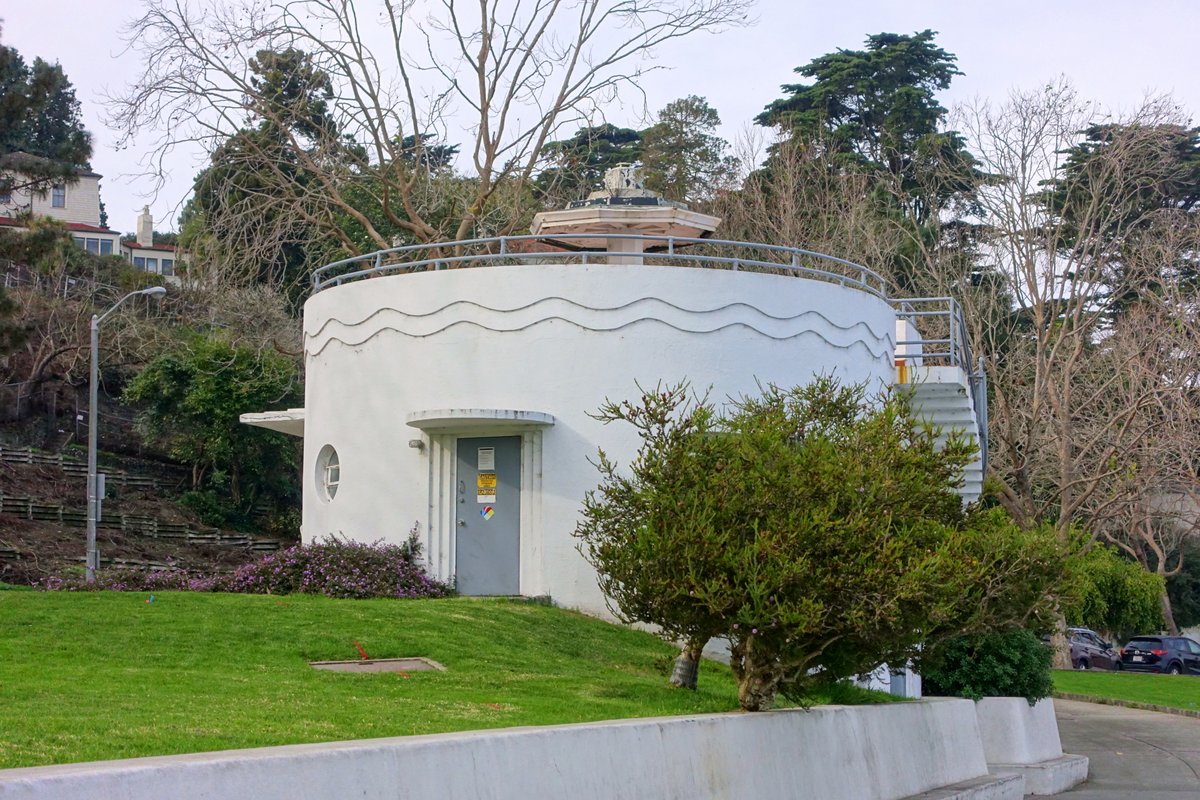
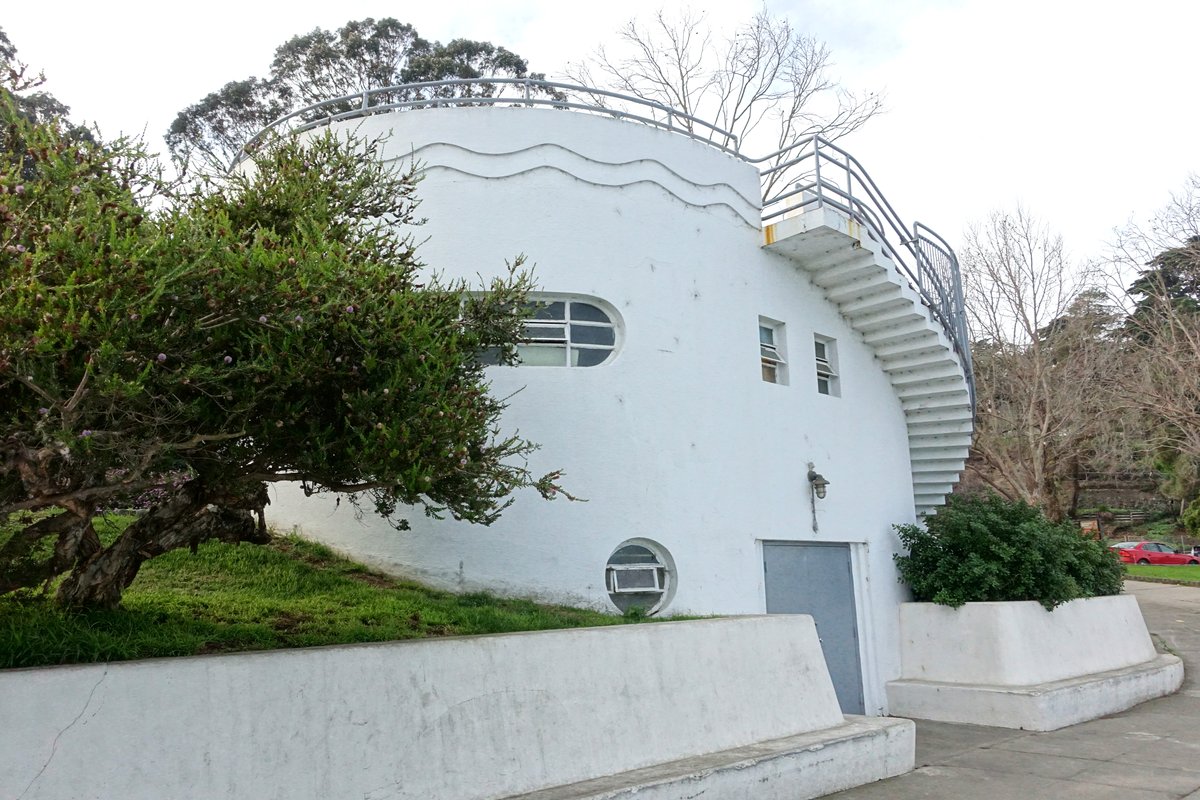
The most dramatic transformation came during the Great Depression, when the Works Progress Administration (WPA) invested over $1.5 million in the construction of a modern aquatic park. Architects William Mooser II and III designed the district’s hallmark Streamline Moderne structures, including the bathhouse (now the San Francisco Maritime Museum), the Municipal Pier, and protective seawalls. The architecture features sleek lines, curved facades, porthole windows, and nautical motifs, making it a prime example of 1930s design trends (NPS: Aquatic Park Bathhouse). The bathhouse interiors are adorned with WPA-era murals by artists such as Hilaire Hiler (Wikipedia: Aquatic Park Historic District).
National Landmark Recognition
In recognition of its historical and architectural significance, the Aquatic Park Historic District was listed on the National Register of Historic Places in 1984 and designated a National Historic Landmark in 1987 (Wikipedia: Aquatic Park Historic District). Today, it is managed by the National Park Service and serves as a vital educational and recreational resource.
Visitor Information
Visiting Hours and Tickets
- Aquatic Park Grounds and Beach Open daily from sunrise to sunset; year-round access.
- San Francisco Maritime Museum Wednesday to Sunday, 10:00 AM to 5:00 PM.
- Hyde Street Pier Open daily; some areas may be closed for restoration. Check NPS FAQs for current status.
Admission:
- Park and Maritime Museum: Free.
- Hyde Street Pier (historic ship boarding): Approximately $15 adults, with discounts for youth and seniors; children under 15 free. Tickets available on-site or via the National Park Service website.
Accessibility
- Wheelchair-accessible paths, ramps, and restrooms.
- Accessible parking and beach wheelchairs available upon request.
- Maritime Museum and Visitor Center are ADA-compliant. Some historic ships have limited accessibility.
Getting There and Travel Tips
- Location Western Fisherman’s Wharf, bordered by Van Ness Avenue, Beach Street, and San Francisco Bay.
- Public Transit Muni bus lines 19, 39, and F-Market & Wharves streetcar.
- By Car Parking is limited and can be expensive; paid garages near Ghirardelli Square and Fisherman’s Wharf.
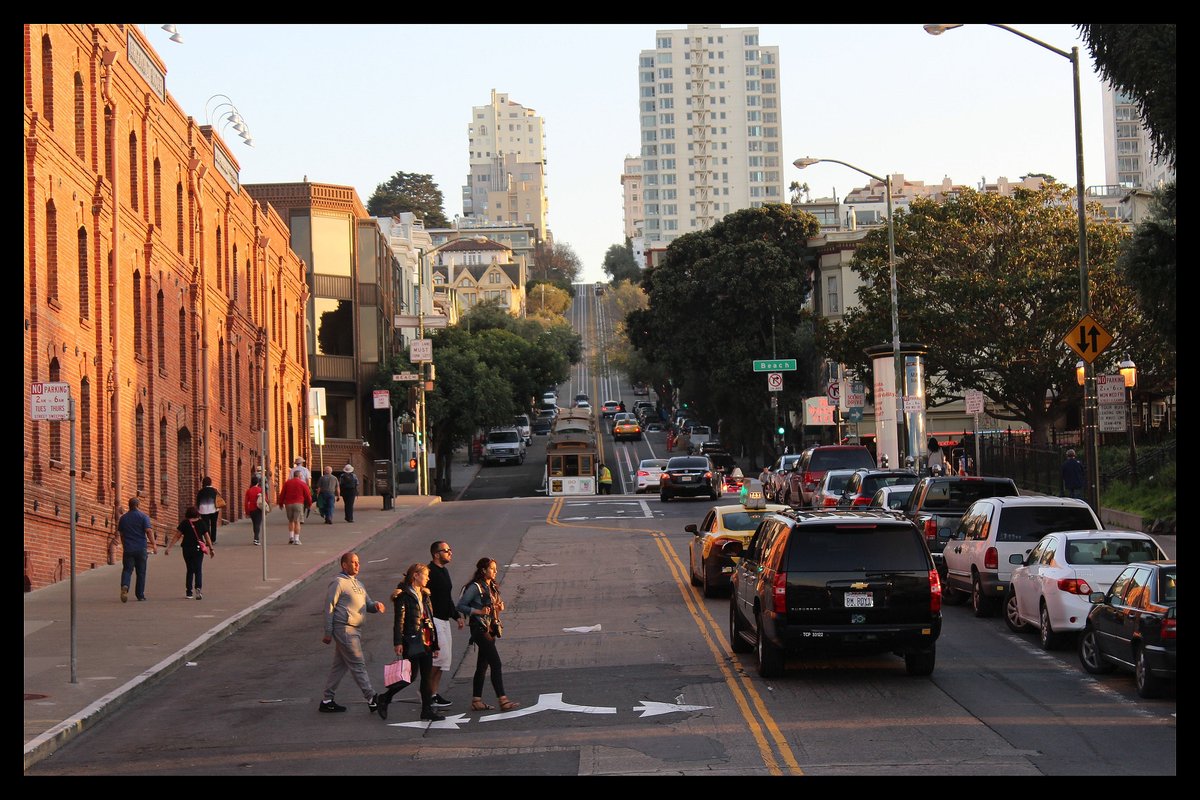
- Walking Easily accessible from Fisherman’s Wharf and the Powell-Hyde cable car turnaround.
- Best Times to Visit September–November offers mild weather and fewer crowds; early mornings and weekdays are quieter.
Facilities and Amenities
- Restrooms at Maritime Museum and near the beach.
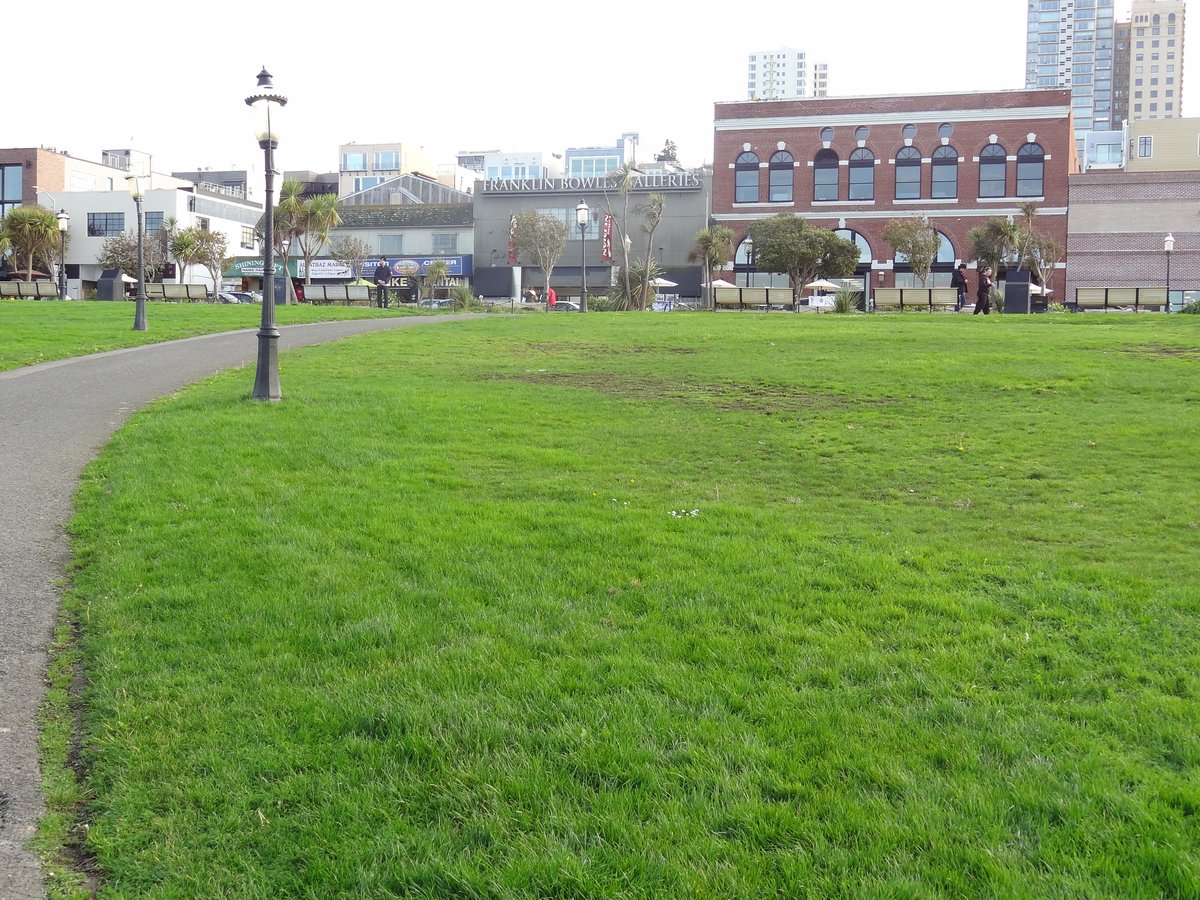
- Benches and grassy areas for picnics.
- No restaurants within the park, but food options abound at Fisherman’s Wharf and Ghirardelli Square.
- Gift shops at the Maritime Museum and Hyde Street Pier.
Main Attractions
Aquatic Park Cove and Beach
The sandy cove at the heart of the district is popular for swimming, sunbathing, and boating. The water is brisk year-round (50–60°F / 10–16°C), and the area is home to storied local clubs, including the Dolphin Club and South End Rowing Club. Day-use access to club facilities is available for a nominal fee (DGuides). The cove also serves as a favored anchorage for visiting boats (California Beaches).
Municipal Pier
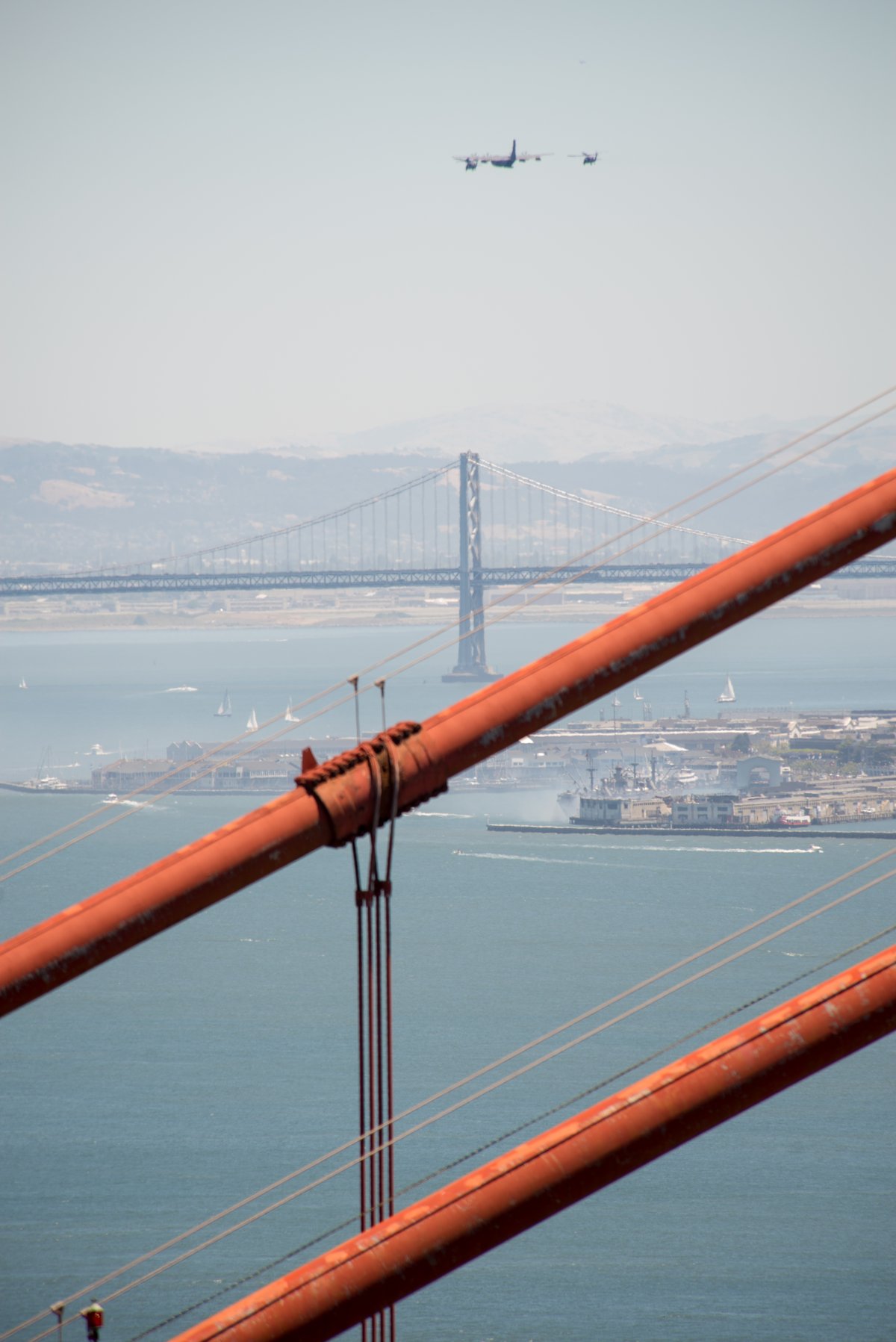
Curving around the cove, the Municipal Pier offers panoramic views of Alcatraz, the Golden Gate Bridge, and the city skyline. It’s a prime spot for photography, crab fishing, and casual strolls (California Beaches). Portions of the pier may be closed for restoration—check current conditions before visiting.
Hyde Street Pier and Historic Ships
Hyde Street Pier is a living maritime museum with historic vessels such as the Balclutha (1886), Eureka, C.A. Thayer, and Hercules (DGuides). Some ships may be temporarily relocated for preservation; check NPS FAQs for updates. The pier is undergoing a $102 million restoration funded by the Great American Outdoors Act.
San Francisco Maritime Museum
Located in the 1939 Streamline Moderne bathhouse, the museum is renowned for its nautical-themed murals, mosaics, and WPA-era art (NPS: Aquatic Park Bathhouse). Exhibits explore the city’s maritime history, shipbuilding, and the evolution of waterfront life. The museum is fully accessible and offers interactive family programs, including Junior Ranger activities.
Amphitheater and Public Events
The open-air amphitheater hosts community events, live performances, and fireworks viewing. It also offers sweeping bay views and educational programs (DGuides).
Recreational Activities
- Swimming and Rowing Open-water swimming is a year-round tradition; club facilities are available with membership or day-use fees.
- Boating and Kayaking The protected cove is ideal for non-motorized boating.
- Fishing and Wildlife Watching Crab fishing from the pier and sightings of sea lions and seabirds are popular.
- Walking and Picnicking Pathways and lawns invite leisurely strolls and picnics, with views of the bay and city (Citybop).
Family, Accessibility, and Visitor Services
- Family-Friendly Features Interactive museum exhibits, hands-on learning, and open spaces for children.
- Accessibility ADA-compliant museums, ramps, and restrooms; some historic ships have limited access.
- Dog Policy Leashed dogs are welcome in designated areas, but not on Hyde Street Pier or historic ships (NPS FAQ).
- Visitor Center Staff provide maps, brochures, and information on tours and events.
Frequently Asked Questions (FAQ)
Q: What are the visiting hours for Aquatic Park and the Maritime Museum?
A: Park and beach: sunrise to sunset daily. Maritime Museum: Wednesday–Sunday, 10 AM to 5 PM.
Q: Is there an entrance fee?
A: Park and museum: free. Hyde Street Pier/historic ships: about $15 adults, discounts for youth/seniors, under 15 free.
Q: Are guided tours available?
A: Yes, ranger-led and self-guided tours are regularly offered; check schedules at the Visitor Center or online.
Q: Is the site accessible for visitors with disabilities?
A: Yes, most facilities are accessible; some historic ships have limited access.
Q: Can I swim in the cove?
A: Yes, but the water is cold year-round; wetsuits recommended.
Q: Are dogs allowed?
A: Leashed dogs are welcome in designated park areas but not on Hyde Street Pier or historic ships.
Q: Is parking available?
A: Limited paid parking nearby; public transit is recommended.
Summary and Visitor Tips
The Aquatic Park Historic District is a vibrant symbol of San Francisco’s maritime and community heritage, blending historical preservation with recreation and education. As a National Historic Landmark, it attracts millions of visitors annually, offering accessible facilities, engaging museum exhibits, and events that celebrate its storied past. Despite ongoing restoration, including the Municipal Pier and historic ships, the district remains a welcoming waterfront destination.
Tips:
- Dress in layers for changing weather.
- Use public transit to avoid parking hassles.
- Check for current restoration updates and event schedules online.
- Bring water, sun protection, and comfortable shoes.
- Respect park rules and historic sites.
For more information and updates, visit the official park website.