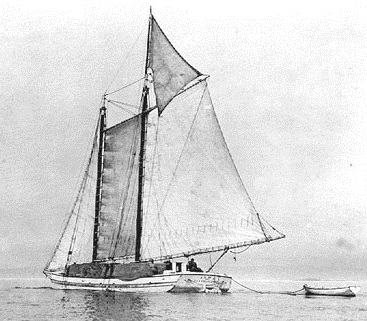
Introduction: Alma and San Francisco’s Maritime Legacy
The Alma scow schooner, preserved at Hyde Street Pier within the San Francisco Maritime National Historical Park, serves as a living link to the city’s maritime past. Built in 1891 at Hunter’s Point, Alma is the last surviving example of the flat-bottomed scow schooners that once dominated Northern California’s waterways. These utilitarian vessels were vital to regional commerce, carrying goods between the Central Valley, Delta, and San Francisco’s bustling docks (NPS History; National Parks Traveler). Today, Alma’s designation as a National Historic Landmark and her ongoing educational programs highlight her enduring significance.
This guide provides an in-depth overview of Alma’s historical background, her role in the Bay Area’s economy, detailed visitor information (including hours, tickets, and accessibility), and recommendations for exploring nearby historical sites and attractions (NPS Maritime Park; Lonely Planet). Whether you’re a maritime enthusiast or a first-time visitor, this comprehensive resource will help you make the most of your experience.
Origins and Construction of Alma
Alma is a flat-bottomed scow schooner built in 1891 at Hunter’s Point, San Francisco, by Fred Siemer for Captain Gustave Niebaum. Measuring 59 feet long and 22 feet wide, with a shallow draft ideal for the Bay’s creeks and sloughs, Alma is a reflection of the region’s ingenious shipbuilding adapted for local geography and commerce. Her flat bottom allowed direct beaching for efficient loading and unloading, a necessity before the development of extensive dock infrastructure (NPS History).
Role in San Francisco Bay Commerce
During the late 19th and early 20th centuries, Alma and her sister scows were the backbone of Bay Area trade. They transported hay, grain, coal, oil, and other bulk goods from inland farms to San Francisco docks, and returned with manufactured items for rural communities. This cyclical flow of goods was central to the city’s rapid growth, especially after the Gold Rush transformed the region into a global port (NPS History).
Decline and Adaptation
As railroads and roads expanded, waterborne freight declined. Many scow schooners were scrapped, but Alma was repurposed as a dredge barge and later a houseboat, exemplifying the resilience and adaptability of working ships and their owners (NPS History). Her survival is a testament to robust construction and continued value through changing times.
Preservation and National Significance
Recognized as the last remaining scow schooner afloat on San Francisco Bay, Alma became a National Historic Landmark and a centerpiece of the San Francisco Maritime National Historical Park (National Park Service). Extensive restoration returned her to her original sailing configuration. Today, Alma is a “sailing ambassador,” participating in educational programs and special events that connect visitors with the Bay’s maritime past.
Visiting Alma: Hours, Tickets, and Accessibility
- Location: Hyde Street Pier, 499 Jefferson Street, San Francisco, CA 94109 (Google Maps)
- Hours: Open daily 10:00 a.m. to 5:00 p.m.; last admission at 4:30 p.m. Closed Thanksgiving, Christmas, and New Year’s Day (Travel Realist).
- Admission: $15/adult; children under 15 free. America the Beautiful annual pass accepted. Tickets sold onsite or via the official park website.
- Sailing Excursions: Public sails (June–November, select Fridays/Saturdays) last ~3 hours. Tickets: $40/adult, $30/senior, $20/child 6–15, under 5 free. Advance reservation recommended (National Parks Traveler), National Recreation Reservation Service.
- Accessibility: The pier and visitor center are wheelchair accessible; boarding Alma involves steps and narrow passages. Contact the park for assistance (NPS Accessibility).
Special Events, Guided Tours, and Nearby Attractions
Alma participates in maritime festivals, the Master Mariners Regatta, and ranger-led tours. Check the official park calendar for events.
Other Attractions Nearby:
- Historic Ships: Balclutha, Eureka, Hercules, C.A. Thayer (Travel Realist)
- San Francisco Maritime Museum: Exhibits on Gold Rush, marine archaeology, and ship technology
- Fisherman’s Wharf: Dining, shopping, Pier 39, sea lions
- Ghirardelli Square, Cable Car Museum, Alcatraz Island: All within walking distance
Practical Visitor Tips
- Dress in Layers: San Francisco weather is cool and variable (Travels with Elle).
- Footwear: Closed-toe, non-slip shoes recommended.
- Essentials: Bring water, snacks, sun protection, camera/binoculars.
- Accessibility: Contact park for mobility accommodations.
- Tickets: Purchase online or onsite; reserve early for sails.
- Parking: Limited and expensive—use Muni, F-line streetcar, or rideshare (Travel Realist).
- Restrooms: At visitor center and pier.
Accessibility and Inclusivity
The National Park Service strives for inclusivity. Hyde Street Pier and the visitor center are accessible; assistance is available for those with mobility or sensory needs. Service animals are permitted (NPS Accessibility; SF Travel Accessibility).
Photography, Sustainability, and Preservation
- Personal Photography: Welcome for personal use. Be respectful of others and the vessel.
- Commercial Filming: Requires a permit (NPS Permits).
- Preservation: Do not touch artifacts or climb rigging. Donations and volunteering aid restoration (Holly Melody).
Alma’s Place in Hyde Street Pier Collection
Alma is moored alongside four other National Historic Landmark vessels, representing a cross-section of late 19th–early 20th-century maritime technology and commerce. The pier itself, built in 1922, is a historic artifact (NPS History).
Cultural and Community Impact
Alma is not just a museum piece—she is a living artifact and community icon, featured in local festivals, school programs, and environmental education initiatives. Her ongoing maintenance preserves traditional maritime skills and keeps San Francisco’s working-class heritage alive (NPS Maritime Park).
Frequently Asked Questions (FAQ)
Q: What are Alma’s visiting hours?
A: 10:00 a.m. to 5:00 p.m. daily; last admission at 4:30 p.m. Closed major holidays.
Q: How much does admission cost?
A: $15/adult; children under 15 free. Annual passes accepted.
Q: Are sailing trips available?
A: Yes, public sails June–November. Reserve online or by phone.
Q: Is Alma wheelchair accessible?
A: The pier and visitor center are accessible; boarding Alma involves steps. Contact the park for assistance.
Q: Are guided tours available?
A: Yes, ranger-led and interpretive programs are offered.
Nearby Historical Sites: Alma Spreckels’ Legacy
Explore sites associated with Alma de Bretteville Spreckels, a major San Francisco philanthropist whose legacy includes the California Palace of the Legion of Honor (open Tues–Sun, 9:30 a.m.–5:15 p.m., $15/adult, free first Tuesdays), the San Francisco Maritime Museum (free entry, open daily 10 a.m.–4 p.m.), and the iconic Spreckels Mansion (private, view from street). These sites offer additional insights into the city’s social and cultural transformation (Nomadic Matt’s San Francisco Guide).
Practical Tips:
- Use Muni or BART for transit.
- Dress for fog and hills; bring a light jacket.
- Family-friendly activities abound at the California Academy of Sciences and Exploratorium.
- For dining, try the Ferry Building Marketplace or Fisherman’s Wharf.
Summary and Recommendations
Alma’s enduring presence at Hyde Street Pier offers a rare opportunity to experience San Francisco’s maritime history firsthand. Her story of resilience, adaptation, and preservation is woven into the city’s evolution. With detailed guidance on hours, tickets, practical tips, and nearby attractions, visitors are equipped for a safe, enriching adventure. The San Francisco Maritime National Historical Park’s accessibility initiatives, educational programs, and vibrant surroundings make Alma a must-visit site for anyone interested in history, sailing, or cultural exploration (NPS History; National Parks Traveler; Lonely Planet; Travel Realist).
For the latest updates, ticketing, and events, consult the official park website and consider downloading the Audiala app for audio tours and notifications.
Listen to the full story in the app
Your Personal Curator, in Your Pocket.
Audio guides for 1,100+ cities across 96 countries. History, stories, and local insight — offline ready.
Audiala App
Available on iOS & Android
Join 50k+ Curators
Sources
- verified
- verified
- verified
- verified
- verified
- verified
- verified
Last reviewed:


