Introduction
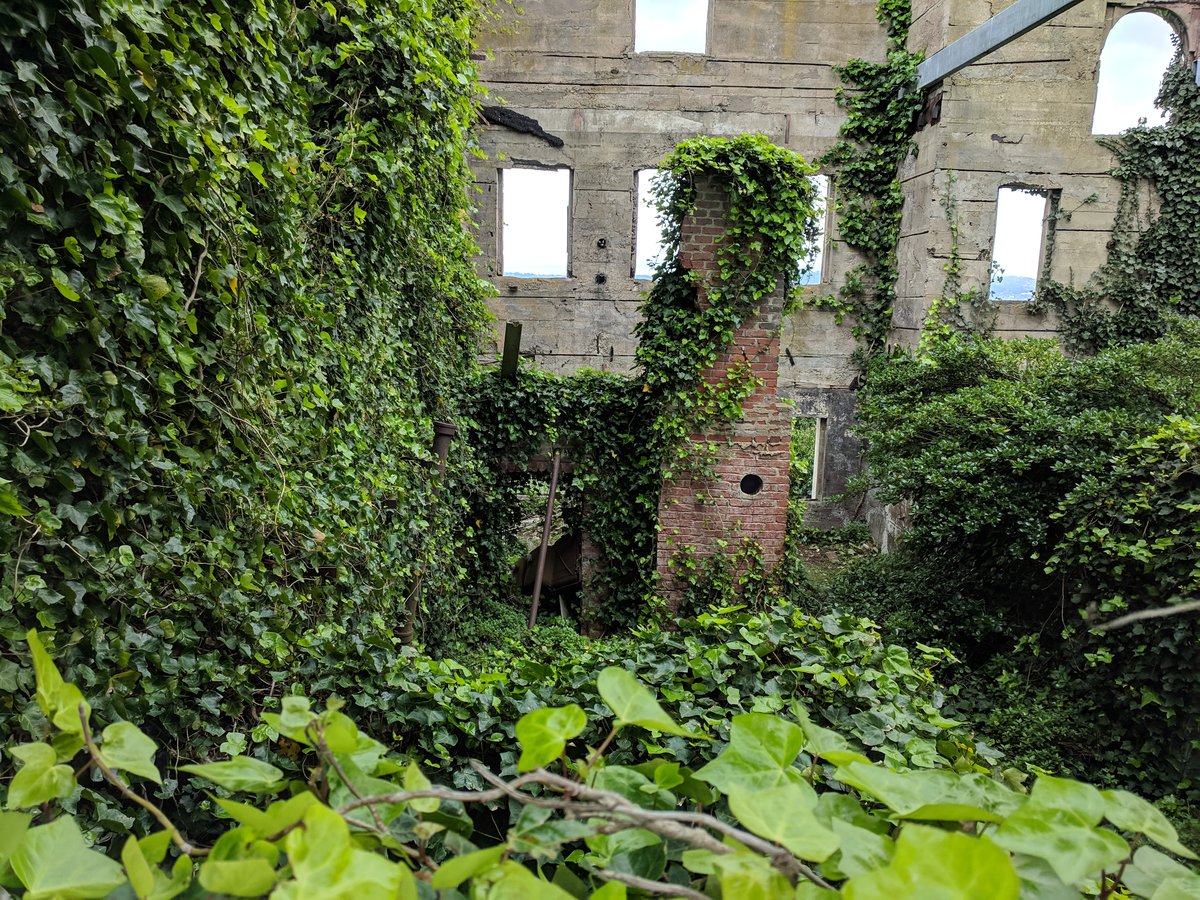
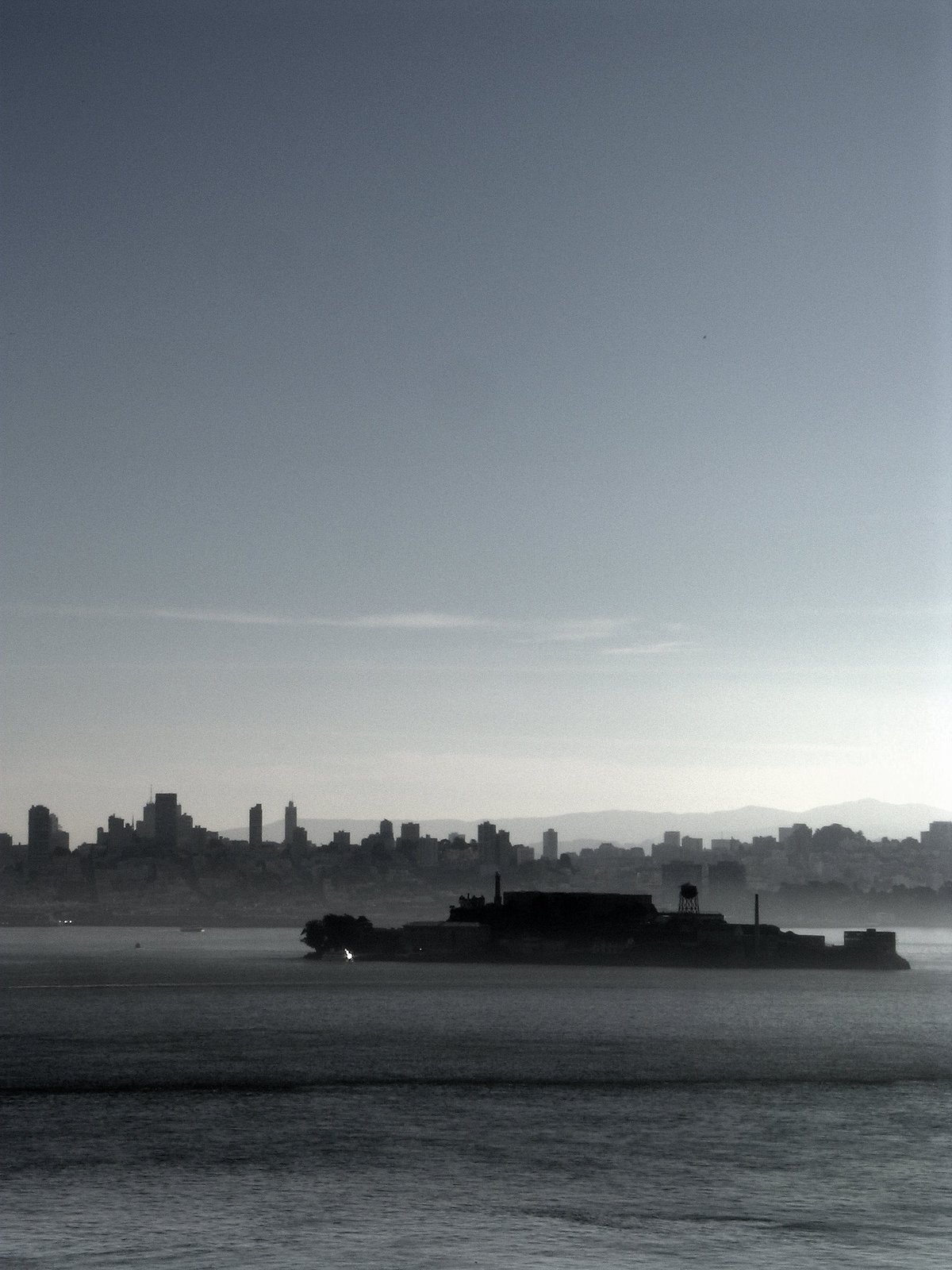
Alcatraz Island, situated in the heart of San Francisco Bay, is one of America’s most intriguing historic landmarks. Best known for its years as a maximum-security federal penitentiary (1934–1963), the island’s layered history includes its military origins and subsequent transformation into a symbol of both incarceration and resilience. At the center of the Alcatraz experience stands the Dining Hall, or "Mess Hall," a vivid testament to daily life and strict security on "The Rock."
Today, Alcatraz’s preserved facilities, including the iconic Dining Hall, are accessible through guided and self-guided tours, drawing history enthusiasts and casual visitors alike. Understanding visiting hours, ticketing, accessibility, and the broader context of San Francisco’s historical sites is essential for planning a rewarding visit. This guide provides comprehensive insights and practical information for exploring Alcatraz Dining Hall and adjacent attractions. For official details, consult the Alcatraz Cruises website and the National Park Service Alcatraz Island page (San Francisco Post, Alcatraz Guided Tours, Lost New England).
Photo Gallery
Explore Alcatraz Dining Hall in Pictures
History of Alcatraz Island
Military Origins and Early Use
Alcatraz Island’s strategic position made it a key military fortress in the 19th century. The U.S. Army fortified the island with barracks, gun emplacements, and by the 1860s, over 100 cannons to defend San Francisco Bay. It served as a military garrison and detention site for military prisoners, with Building 64 (the bombproof barracks) still standing as a relic of this era (San Francisco Post, Alcatraz Guided Tours).
Transition to Federal Penitentiary
In 1934, Alcatraz was converted into a maximum-security federal prison, becoming infamous as the detention site for figures like Al Capone and Robert “Birdman” Stroud. Its isolated location and surrounding frigid waters made escape highly improbable. The main cellhouse, built in 1912, housed four cell blocks, an administration wing, medical facilities, and the Dining Hall (Alcatraz Guided Tours).
The Alcatraz Dining Hall: Function and Significance
Design and Daily Operations
The Dining Hall—located at the west end of the main cellhouse and accessed via "Times Square" (marked by a prominent clock)—was the primary communal space for inmates and staff. With seating for around 250, it was where the prison population assembled three times daily under tight supervision (Lost New England, City Experiences).
Meals were strictly timed (about 20 minutes), and the menu, reputedly the best among federal prisons, included staple foods like oatmeal, eggs, bread, soup, meat, and vegetables. Good behavior could earn inmates coveted kitchen jobs, offering some trust and responsibility.
Security Protocols and Prison Lore
Given the concentration of inmates and the availability of utensils, the Dining Hall was among the most closely monitored areas in the prison. Armed guards, strategic vantage points, and tear gas canisters in the ceiling were key security features. All cutlery was meticulously counted before and after meals. The hall was the backdrop for tense moments, including the infamous 1946 "Battle of Alcatraz," when an escape attempt escalated into a violent standoff (San Francisco Post, DIMCorpHQ).
Visiting Alcatraz Island: Essential Information
Hours, Ferry Schedule, and Ticketing
- Ferry Access: Ferries depart from Pier 33 in San Francisco, typically operating from 8:45 AM to 6:30 PM. Departure times may vary seasonally—verify current schedules before your visit (Alcatraz Cruises, National Park Service).
- Tickets: Advance purchase is strongly advised, especially during peak seasons. Adult tickets start at around $41 and include ferry transportation and the audio tour. Book through Alcatraz Cruises or the official National Park Service page (Twodaysjourney, afternoonteareads.com).
- Tour Types: Day Tours (with audio guide), Night Tours (limited availability), and Behind-the-Scenes Tours (include exclusive access) are offered (City Experiences).
Accessibility and Guided Tours
- Mobility: Most main areas, including the Dining Hall and cellhouse, are wheelchair accessible. The SEAT Tram offers accessible transportation between the dock and cellhouse. Some outdoor paths are steep or uneven (Inside Guide to San Francisco Tourism).
- Audio Tour: Admission includes a self-guided audio tour with commentary from former inmates and guards, available in multiple languages.
- Guided Tours: Ranger-led tours and special events offer deeper historical insights, with seasonal variations in availability (thetouristchecklist.com).
Amenities and Policies
- Food and Drink: No food or drink (except water) is allowed inside prison buildings. Snacks and drinks are available only on the ferry; visitors may bring snacks to be consumed in designated outdoor areas (afternoonteareads.com).
- Restrooms: Located at the dock and near the cellhouse, not inside the Dining Hall.
- Dress: Weather is variable—dress in layers and wear sturdy footwear (City Experiences).
- Photography: Allowed throughout the Dining Hall and cellhouse, but tripods and commercial equipment require permits.
Nearby San Francisco Historical Sites
Enhance your trip by visiting other San Francisco landmarks:
- Fisherman’s Wharf: Bustling with shops, restaurants, and maritime exhibits.
- Pier 39: Famous for its sea lions and attractions.
- San Francisco Maritime National Historical Park: Showcases historic ships and museums.
- Angel Island State Park: Known as the "Ellis Island of the West," accessible by ferry (misstourist.com).
Visitor Tips and Frequently Asked Questions
Tips for a Smooth Visit
- Book tickets early—tours often sell out weeks in advance.
- Arrive at Pier 33 at least 30 minutes before your scheduled ferry.
- Plan for a 2.5–3 hour visit, including ferry rides and self-guided exploration.
- Dress for wind and fog—Alcatraz is cooler than downtown San Francisco.
- Bring a refillable water bottle; fountains are available on the island.
Frequently Asked Questions
Q: How do I buy Alcatraz tickets?
A: Purchase through Alcatraz Cruises or the official National Park Service page. Book early, especially for peak times.
Q: What are visiting hours?
A: Ferries run from about 8:45 AM to 6:30 PM, but check the latest schedule for seasonal changes.
Q: Is the Dining Hall accessible?
A: Yes, the Dining Hall and main cellhouse are wheelchair accessible, with trams available from the dock.
Q: Can I eat or drink in the Dining Hall?
A: Only water is allowed inside prison buildings; food is permitted only in designated outdoor areas.
Q: Are cameras permitted?
A: Yes, but flash photography and tripods may be restricted.
Q: Are guided tours available?
A: Yes, self-guided audio tours are included with admission; ranger-led and special tours are offered seasonally.
Listen to the full story in the app
Your Personal Curator, in Your Pocket.
Audio guides for 1,100+ cities across 96 countries. History, stories, and local insight — offline ready.
Audiala App
Available on iOS & Android
Join 50k+ Curators
Sources
- verified
- verified
- verified
- verified
- verified
- verified
- verified
- verified
Last reviewed: