Introduction to Albany Bulb
Albany Bulb, located on the eastern shore of San Francisco Bay, is an extraordinary blend of history, art, and natural beauty. Once a landfill for construction debris, this 40-acre peninsula has evolved into a cherished public space that offers a unique experience for both locals and visitors. Its history is marked by transformation—from a dumping ground to a vibrant community park filled with eclectic art installations and rich biodiversity. This guide explores the Bulb's historical background, its significance as a cultural and artistic hub, and provides essential visitor information, including visiting hours, ticket prices, and travel tips. Whether you're an art enthusiast, a nature lover, or someone interested in urban history, Albany Bulb has something for everyone (Wikipedia, The Culture Trip).
Photo Gallery
Explore Albany Bulb in Pictures
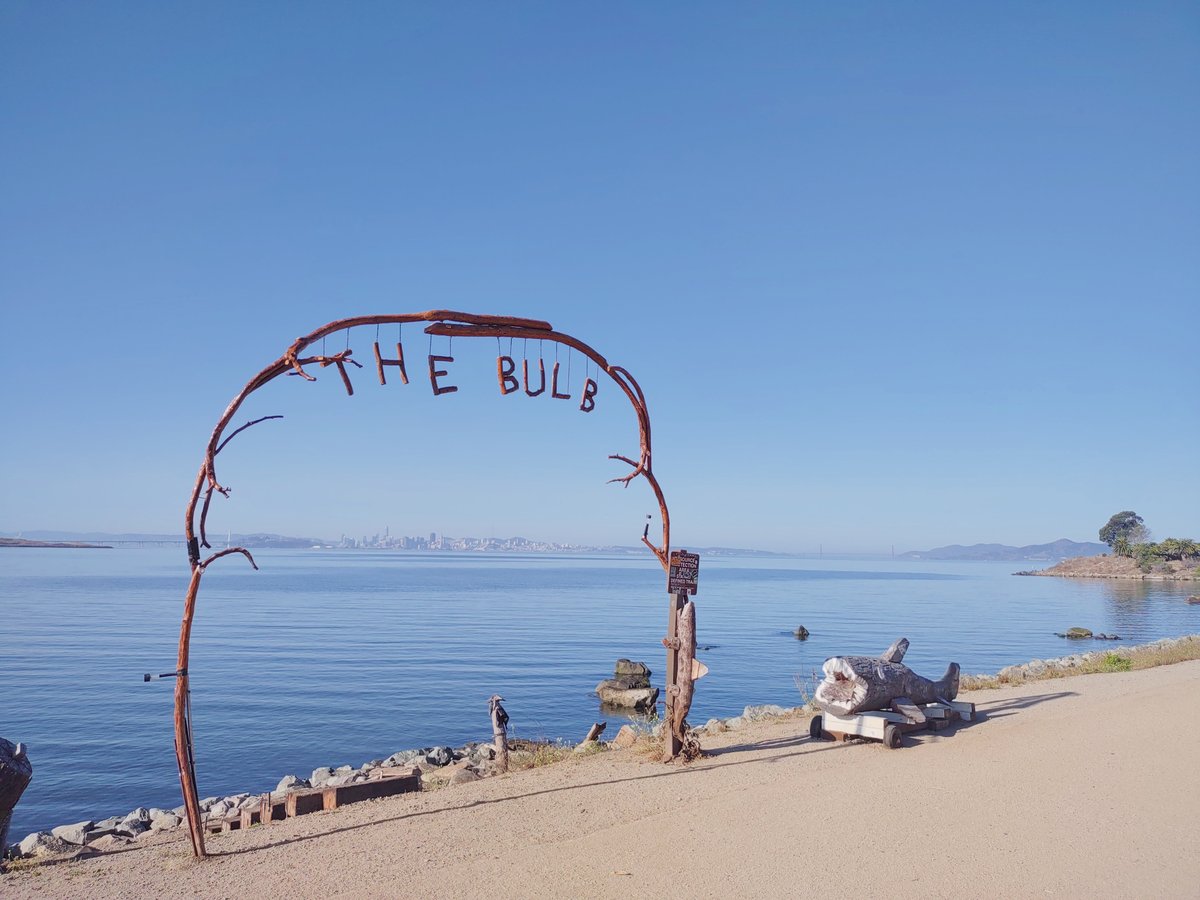
A beautiful landscape image of Albany Bulb featuring lush greenery under a clear blue sky, highlighting the natural environment of this unique area.
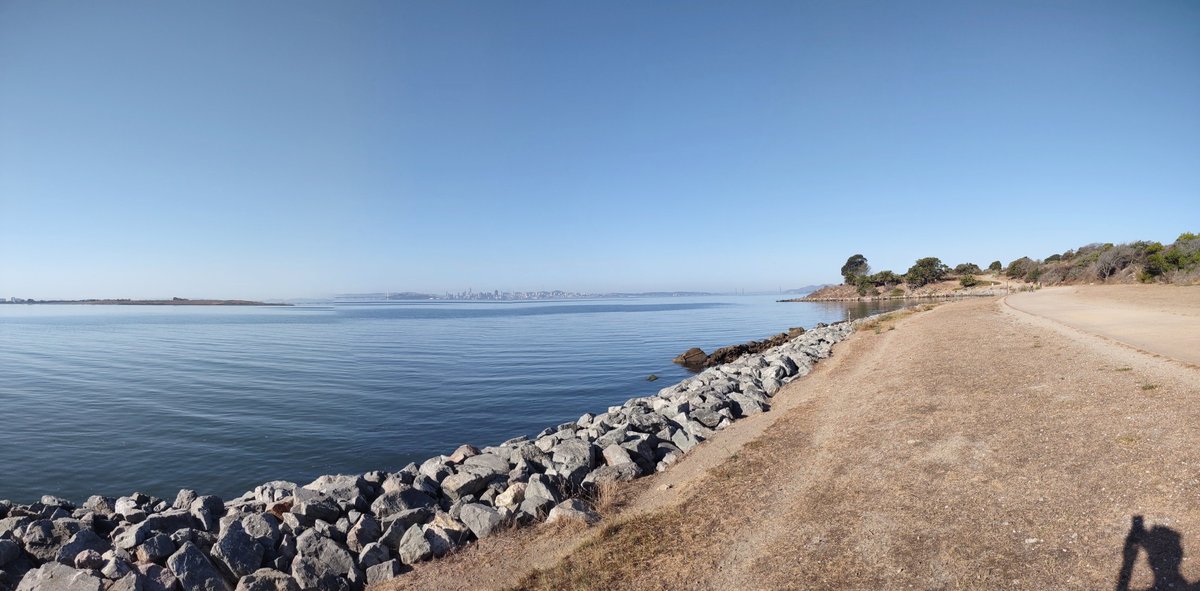
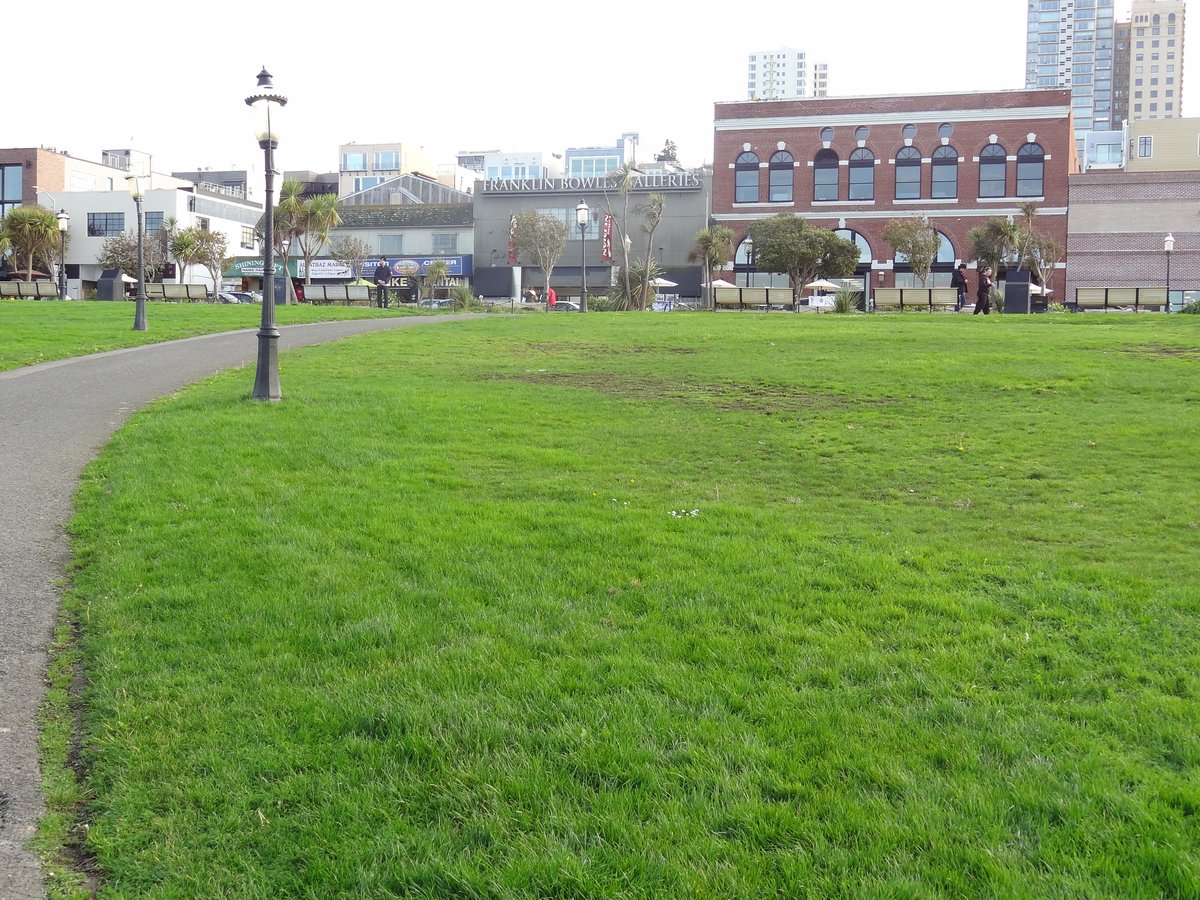
Scenic view of Albany Bulb park featuring a bike trail, open grassy area, and the urban skyline of Albany in the background on a clear day.
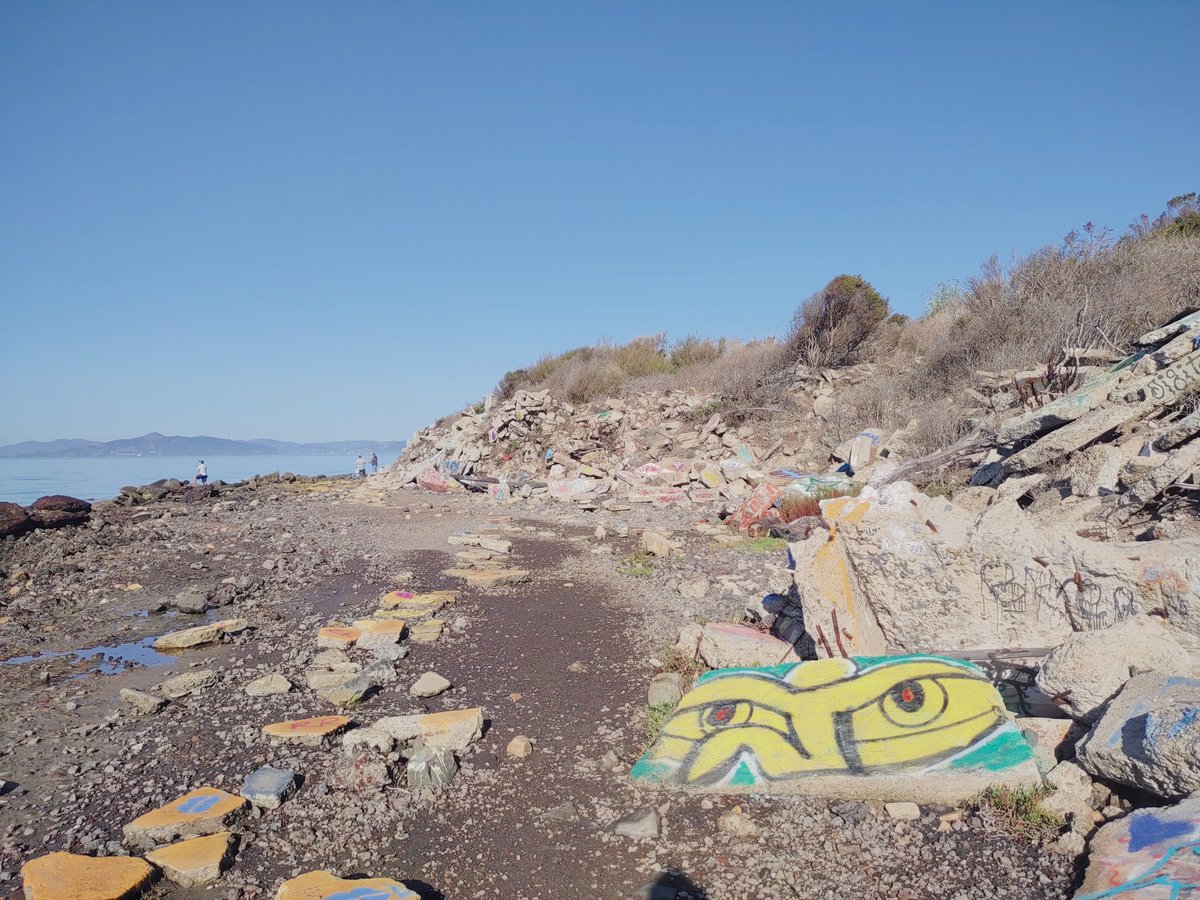
Scenic view of Albany Bulb featuring waterfront, natural landscape and blue sky
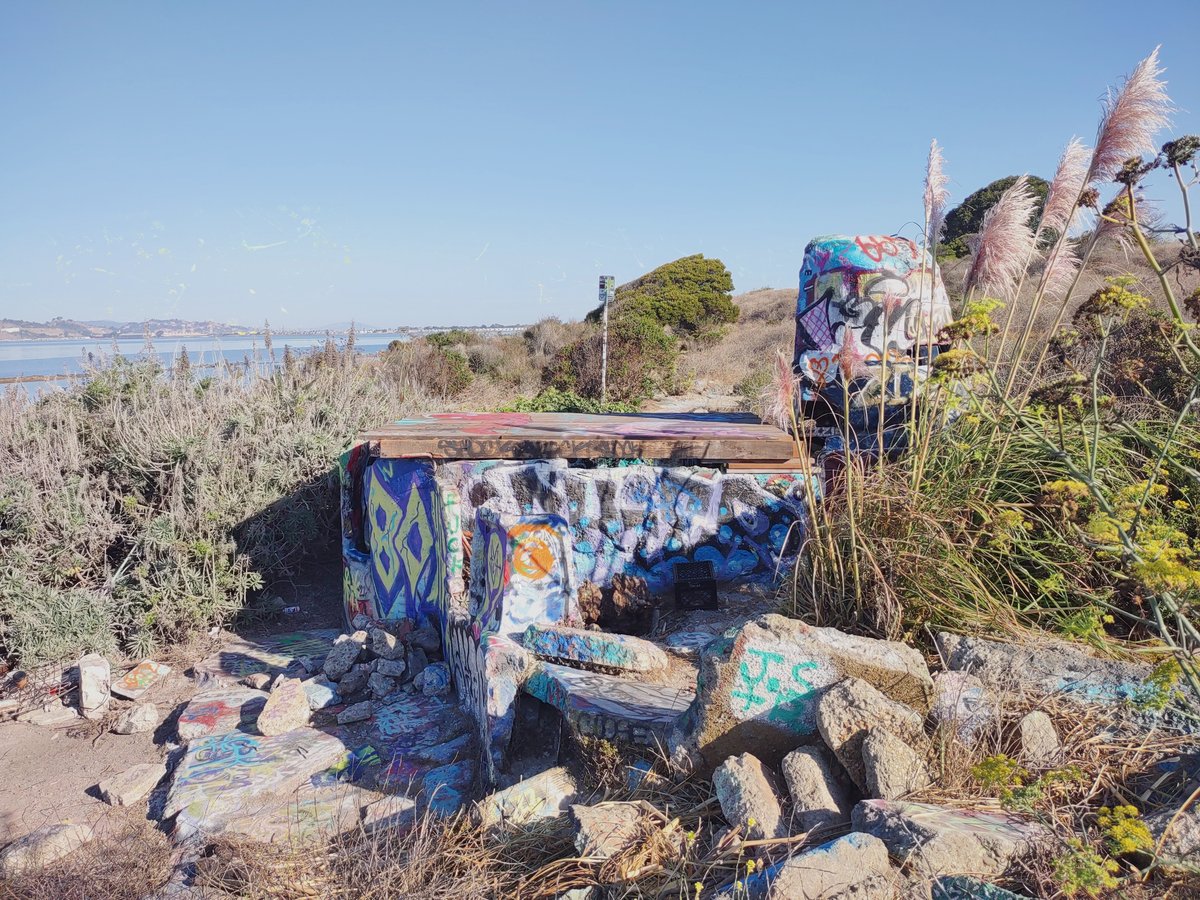
Scenic view of Albany Bulb park showing lush greenery, walking paths, and a bright blue sky
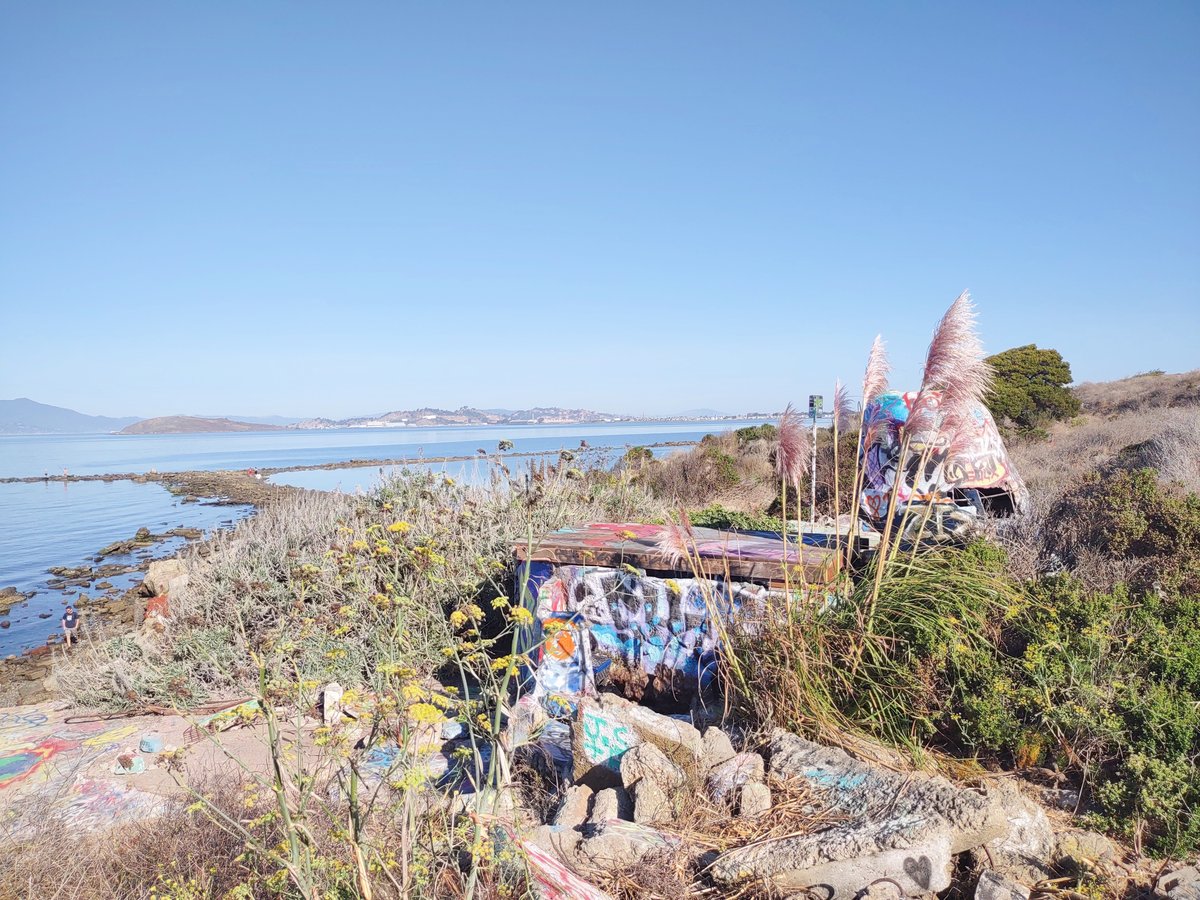
Wide angle image showing the Albany Bulb park area featuring walking people, grass terrain, lookout towers, and a bright blue sky in the background
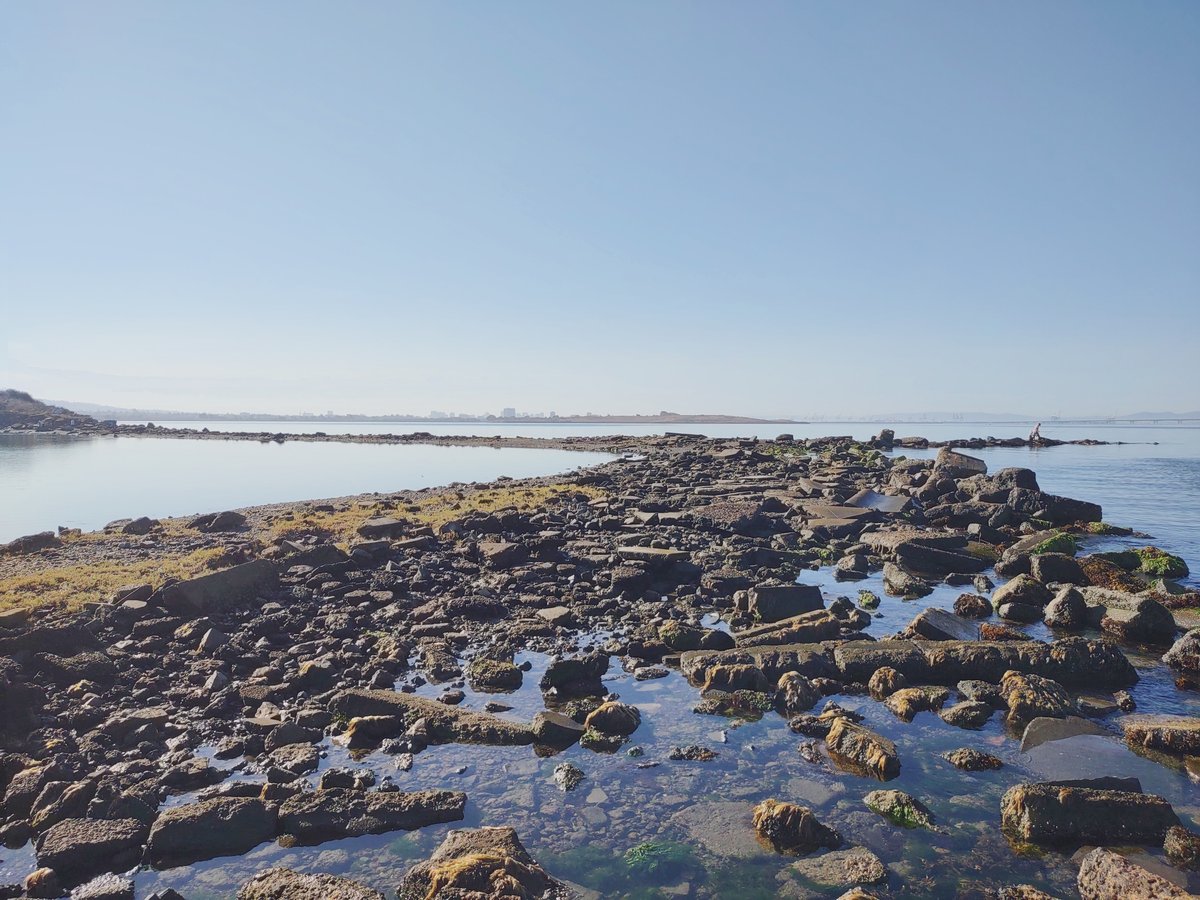
Albany Bulb is an urban art area known for its graffiti and artwork, with a view of the city skyline in the background.
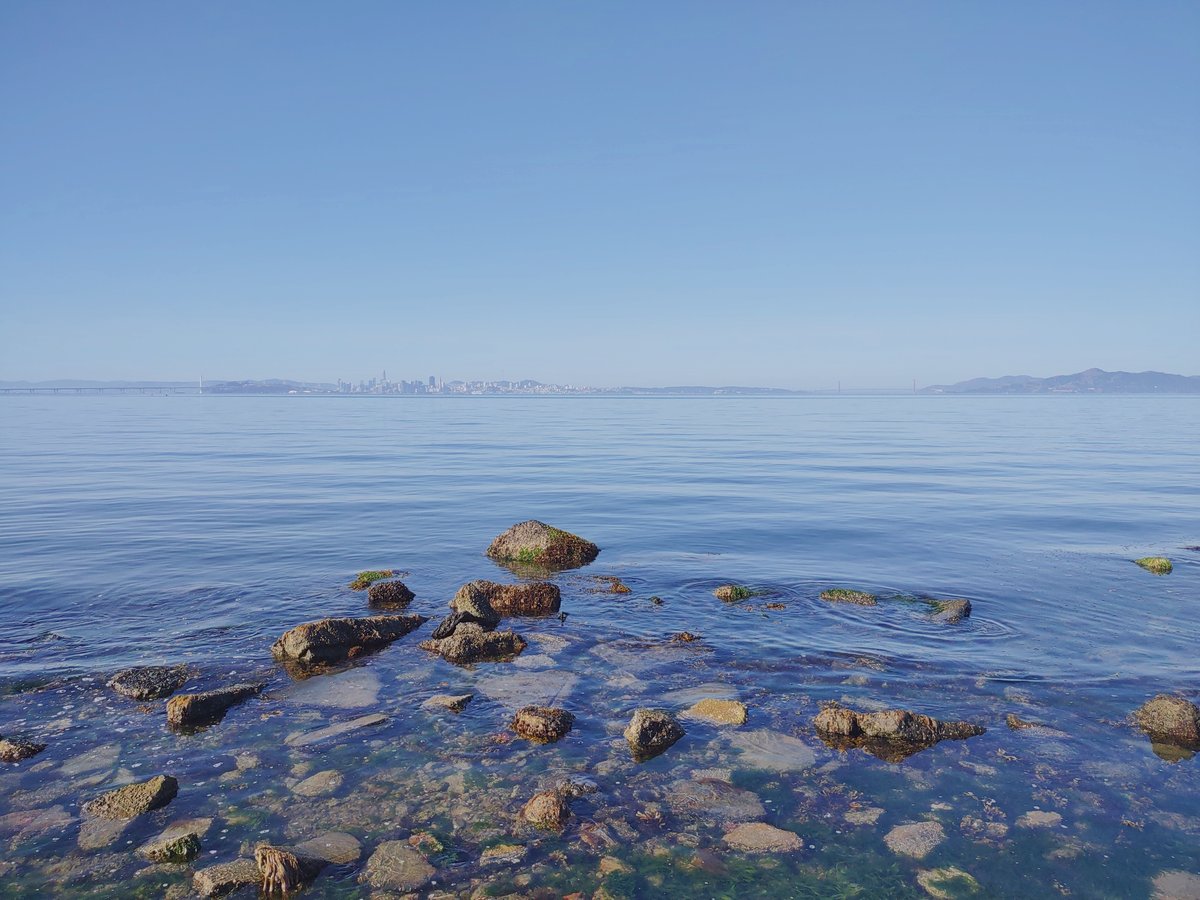
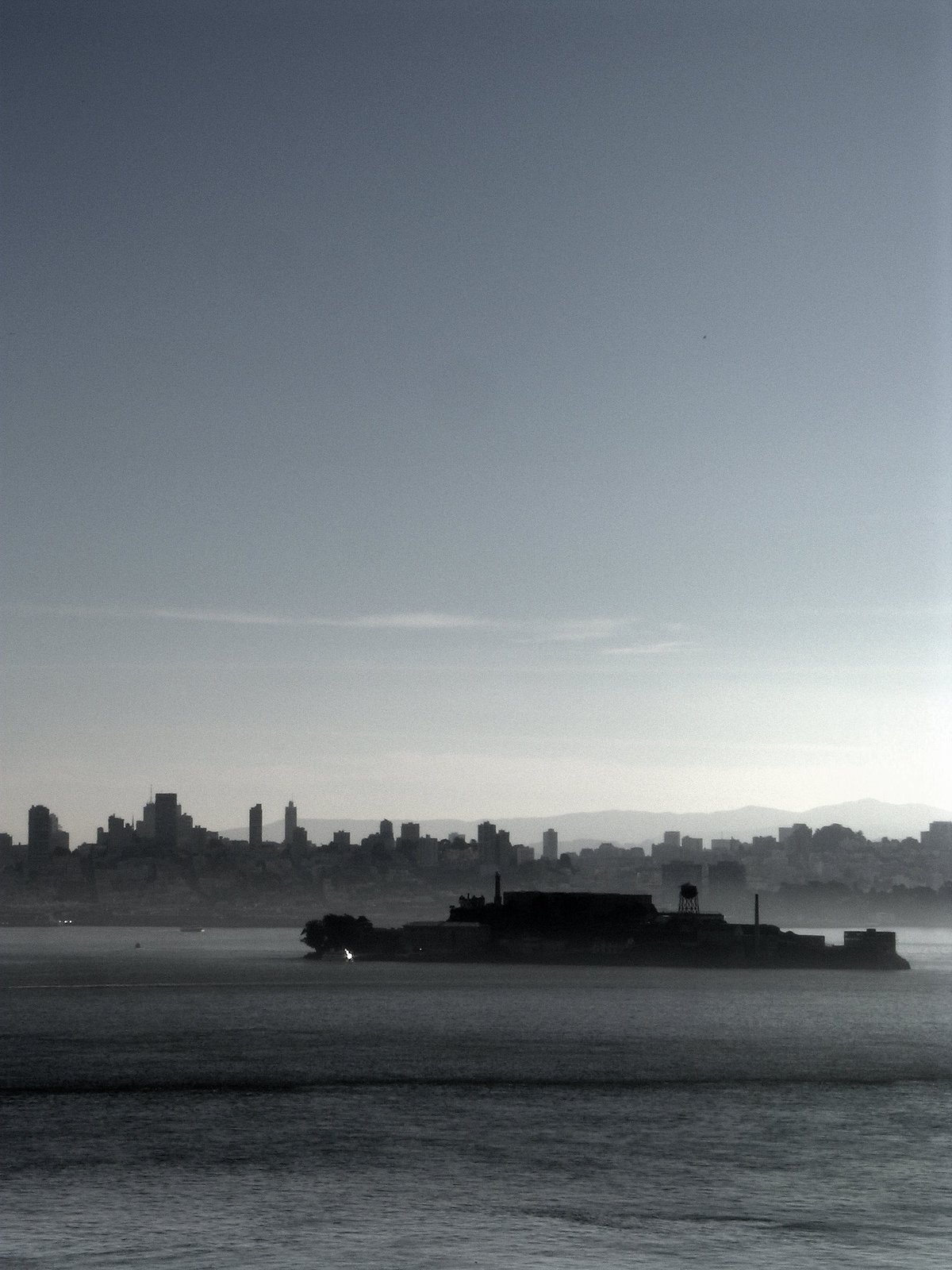
Panoramic view of the San Francisco city skyline taken from Albany Bulb showing urban buildings, water body, and clear sky

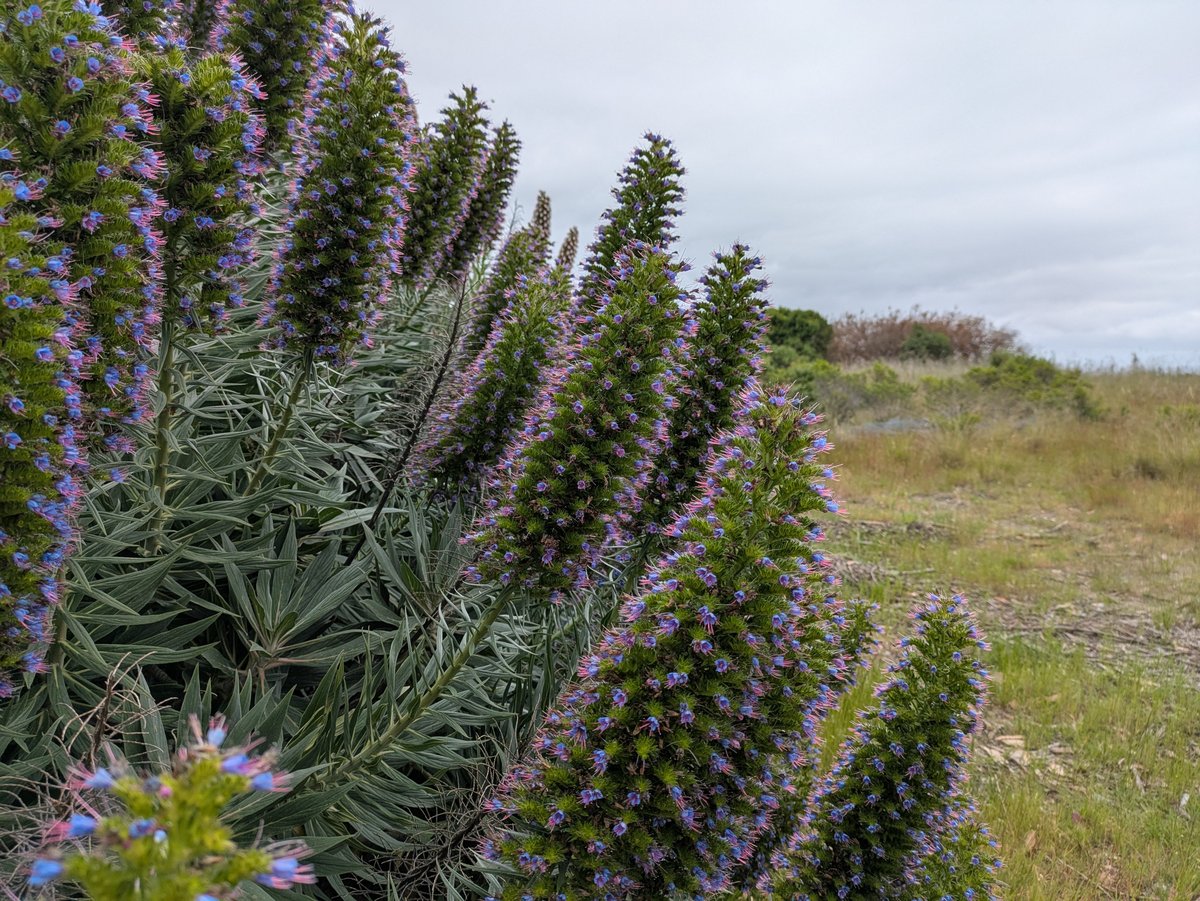
Colorful wildflowers in full bloom at the Albany Bulb, a scenic location in Albany, California, United States, showcasing natural floral beauty.
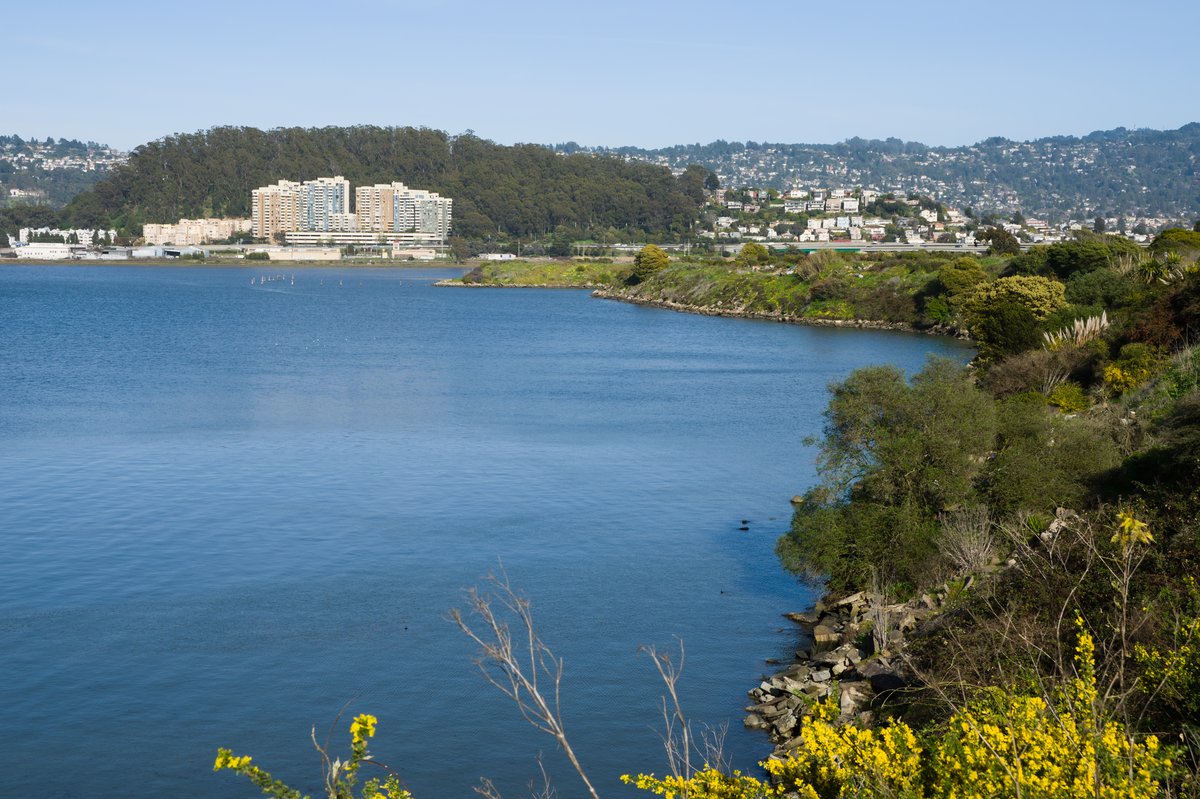
Scenic panoramic image showcasing the city of Albany, California as seen from the Albany Bulb, featuring Albany Hill prominently on the left side of the view.
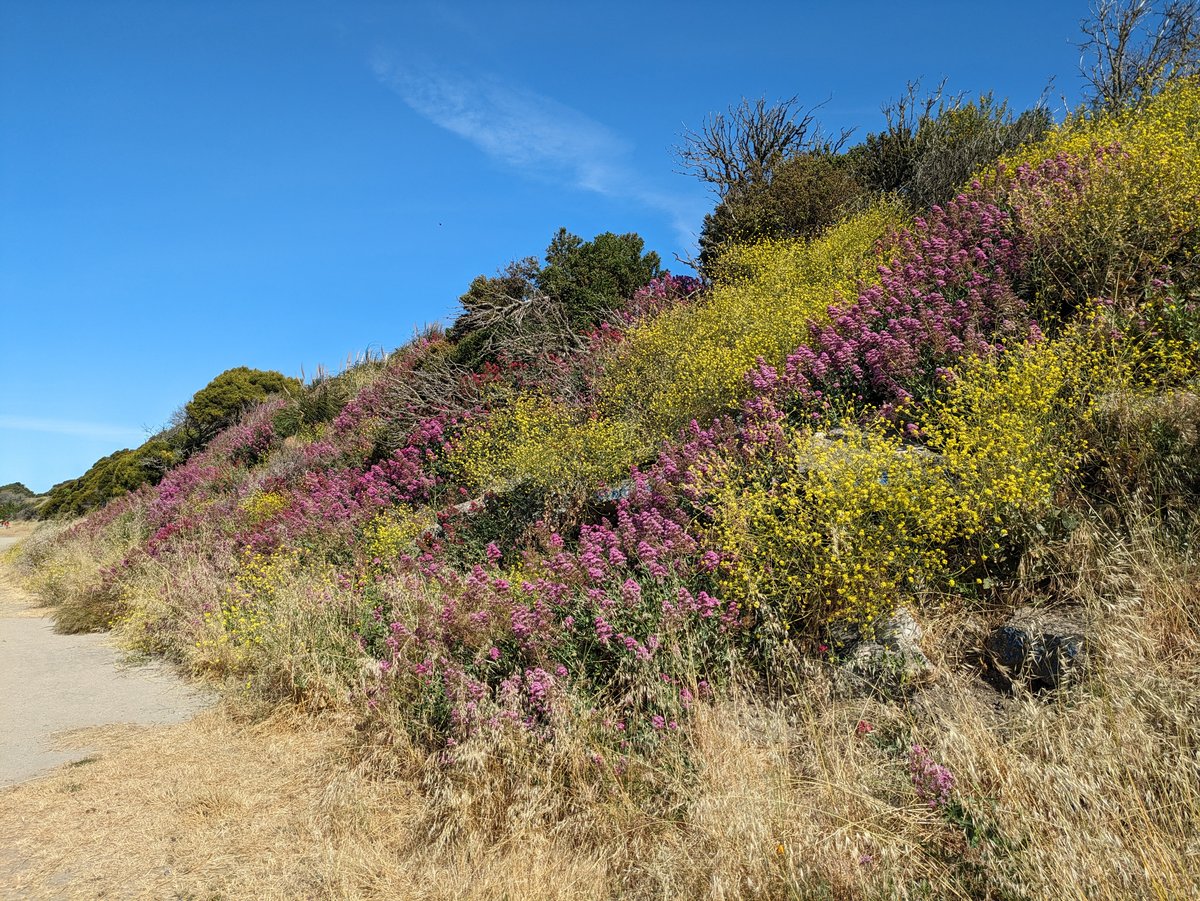
Colorful wildflowers blooming at the Albany Bulb park in Albany, California, United States with green grass and clear blue sky
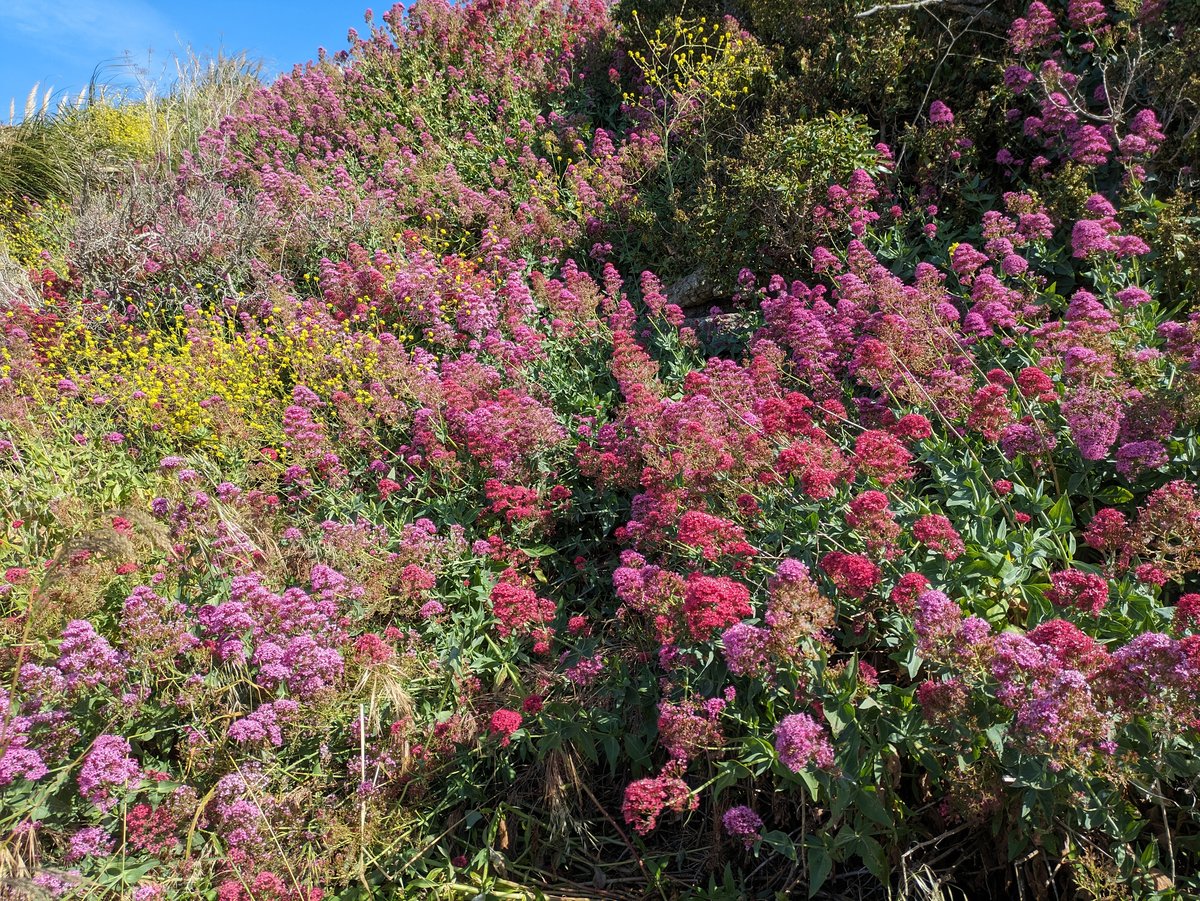
Colorful wildflowers blooming vibrantly at the Albany Bulb located in Albany, California, United States
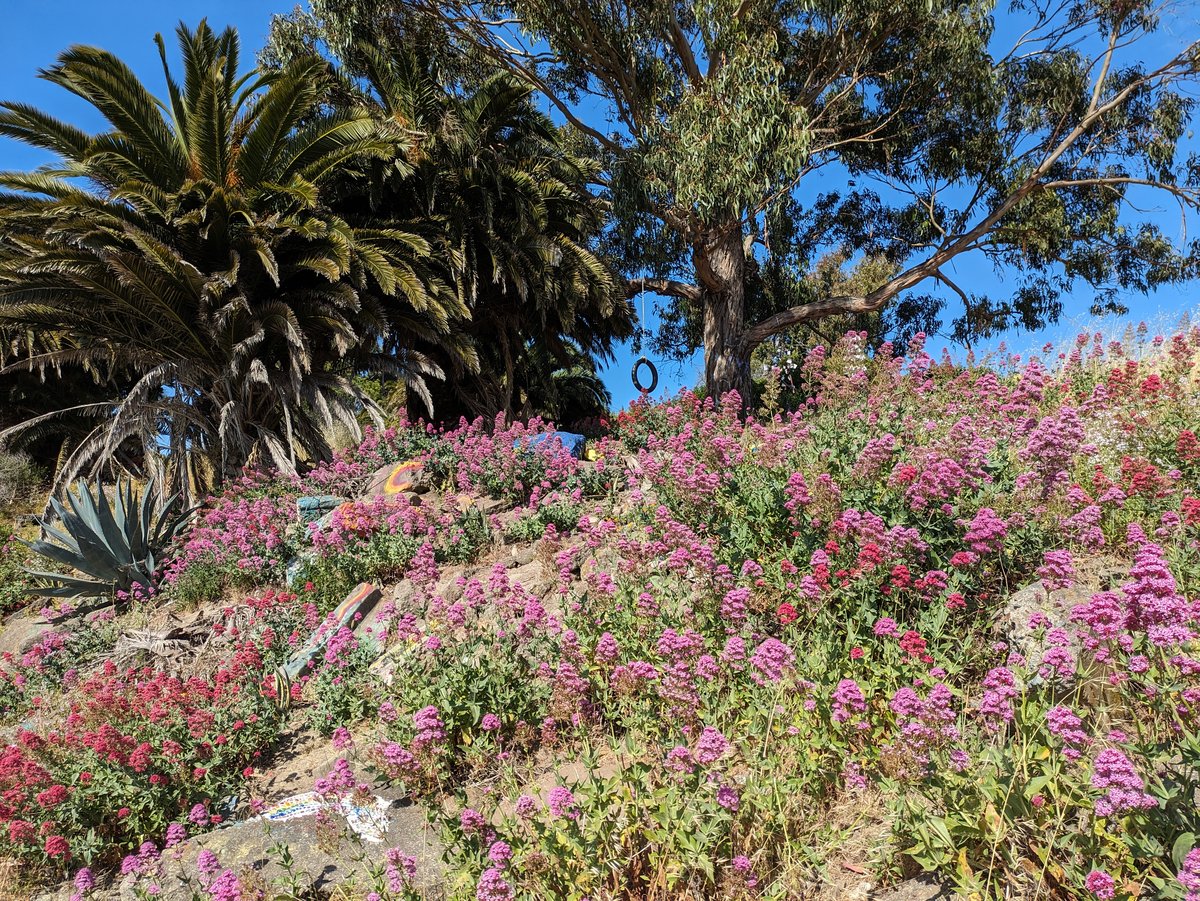
A scenic view of colorful wildflowers surrounding a swing set at Albany Bulb park in Albany, California, USA.
History of Albany Bulb
Origins and Development
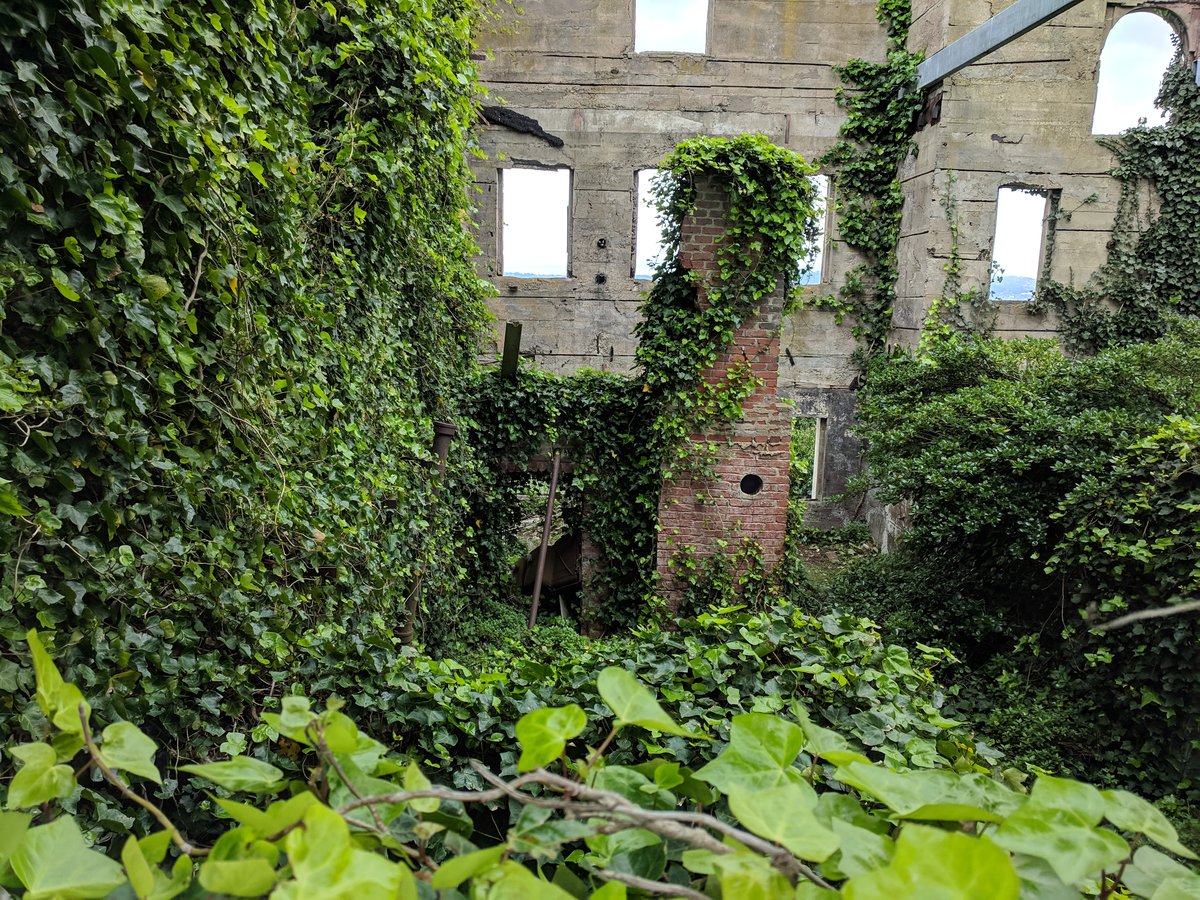
The Albany Bulb, often referred to simply as "The Bulb," is a former landfill site located in Albany, California. Established in 1963 as a landfill for construction debris, it was operated by the City of Albany and served as a dumping ground for materials like concrete and rebar until its closure in 1984 (Wikipedia).
Transition to Public Space
Following the landfill's closure, efforts to transform the area into a public park faced legal challenges, leading to its closure in 1987. Nonetheless, the Bulb remained a popular spot for locals, artists, and environmentalists who saw potential in its unique landscape (The Culture Trip).
Formation of Albany Beach
One notable result of the Bulb's creation was Albany Beach, a sandy beach running south between the Bulb peninsula and Fleming Point. Albany Beach has been heavily used by dog owners for decades (Wikipedia).
Artistic and Cultural Significance
Albany Bulb has become a canvas for urban artists, featuring an eclectic mix of sculptures, graffiti, and other artistic expressions. Landmarks include Mary’s Mask, Gritchell’s Bay, and Mad Marc’s Castle. The non-profit organization "Love the Bulb," established in 2016, celebrates and protects this artistic culture through festivals and native plant gardens (Wikipedia).
Homeless Community
Starting in the early 1990s, the Albany Bulb became home to a community of homeless individuals. By early 2013, the population had grown to over 40, leading to a city eviction in May 2013. The city offered 30 residents $3,000 each to leave, settling a lawsuit brought by the East Bay Community Law Center (Wikipedia).
Environmental and Safety Concerns
The Bulb's landscape, consisting of landfill materials like rebar and rubble, undergoes regular inspections for hazardous contaminants. No significant threats have been detected, allowing the site to remain uncapped (Wikipedia).
Visitor Information
Visiting Hours
Albany Bulb is open to visitors from dawn to dusk daily. It's advisable to check the local weather and tide schedules before planning your visit.
Tickets
Admission to the Albany Bulb is free, offering an accessible outdoor adventure for everyone.
Travel Tips
- Accessibility: The site has rugged terrain, so sturdy footwear is recommended. Parts of the Bulb may not be easily accessible for those with mobility impairments.
- Nearby Attractions: Nearby attractions include the Eastshore State Park and the Albany Waterfront Trail.
- Photography Spots: The unique art installations and panoramic views of the Bay make Albany Bulb a photographer's paradise.
Future Development and Preservation
The City of Albany has considered various development proposals for the Bulb. In 2002, efforts by Citizens for Eastshore State Park led to parts of the area becoming part of the Eastshore State Park. The city continues to negotiate with the State Parks Department and the East Bay Regional Park District regarding the Bulb's future (Wikipedia).
Cultural Events and Community Engagement
The Bulb hosts informal cultural events, including concerts and theatrical productions. Notable events include a production of Shakespeare's "The Tempest," which utilized the Bulb's unique landscape (The Culture Trip).
FAQ
What are the visiting hours for Albany Bulb?
Albany Bulb is open from dawn to dusk daily.
Is there an admission fee for Albany Bulb?
No, admission to the Albany Bulb is free.
What should I wear when visiting the Albany Bulb?
Sturdy footwear is recommended due to the rugged terrain.
Are there any guided tours available?
Currently, there are no official guided tours, but visitors can explore the area on their own.
Listen to the full story in the app
Your Personal Curator, in Your Pocket.
Audio guides for 1,100+ cities across 96 countries. History, stories, and local insight — offline ready.
Audiala App
Available on iOS & Android
Join 50k+ Curators
Sources
- verified
- verified
- verified
- verified
- verified
Last reviewed: