Introduction to the Admission Day Monument
The Admission Day Monument in San Francisco is a distinguished landmark commemorating California’s official admission to the United States on September 9, 1850. Designed by renowned sculptor Douglas Tilden and unveiled in 1897, the monument embodies the pioneering spirit, civic pride, and complex history that define California. Located in the heart of San Francisco’s Civic Center, it stands as both a work of Beaux-Arts artistry and a symbol of the city’s evolving identity.
This guide provides a thorough overview of the Admission Day Monument’s historical significance, architectural features, visiting hours, ticket information, accessibility, and nearby attractions. From its allegorical bronze figures to its role in the city’s cultural landscape, this resource ensures a meaningful and informed visit for history enthusiasts, art lovers, and travelers alike.
For further details and authoritative resources, see the San Francisco Arts Commission, FoundSF, and the Native Sons of the Golden West.
Photo Gallery
Explore Admission Day Monument in Pictures

Photo of the Admission Day Monument sculpted by Douglas Tilden in 1897, located at the intersection of Market Street and Montgomery Street in San Francisco, California. Historic public artwork commemorating California's admission to the Union.

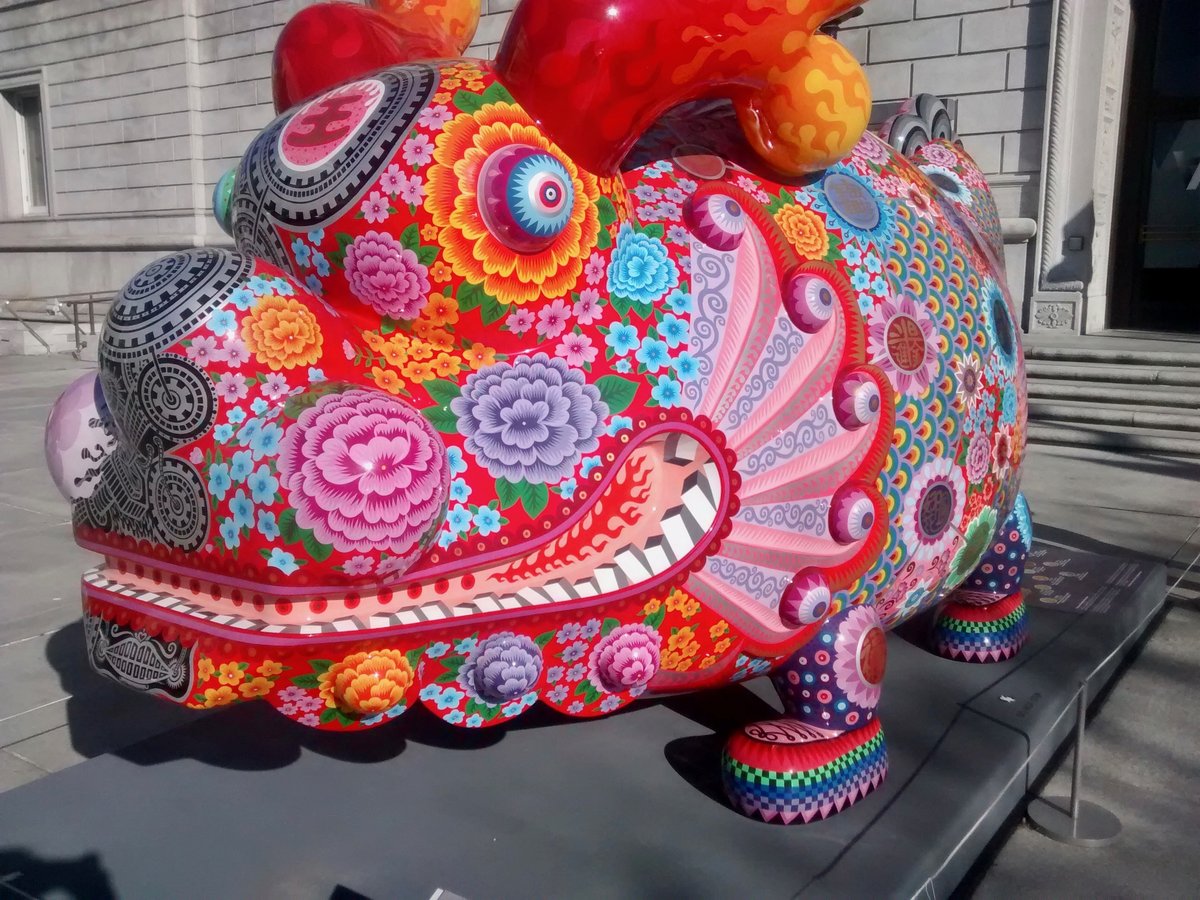
A vivid abstract artwork titled Commemorative Monument by Tom M. Phillips displaying a colorful combination of geometric shapes and dynamic patterns

Historic Admission Day Monument by sculptor Douglas Tilden, unveiled in 1897, situated at Market and Montgomery Streets in San Francisco, California, showcasing the flag waver sculpture celebrating California's statehood.

Admission Day Monument sculpted by Douglas Tilden, located at Market Street and Montgomery Street intersection in San Francisco, California, unveiled September 5, 1897

Admission Day Monument by sculptor Douglas Tilden located at Market Street and Montgomery Street intersection in San Francisco, featuring fountain with bear and octopus sculptures, unveiled in 1897.

Admission Day Monument by sculptor Douglas Tilden, featuring a fountain with bear and octopus sculptures, located at the intersection of Market Street and Montgomery Street in San Francisco, California. Unveiled in 1897, this historic monument commemorates Admission Day.

Photo of the Admission Day Monument sculpted by Douglas Tilden, located at the intersection of Market Street and Montgomery Street in San Francisco, California, unveiled in 1897.

Admission Day Monument created by sculptor Douglas Tilden, unveiled in 1897, located at the intersection of Market Street and Montgomery Street in San Francisco, California, USA

Admission Day Monument commemorating American annexation of California, located at Market and Montgomery Street in San Francisco's financial district, photographed in 2005.
Historical Background
Origins and Commissioning
Commissioned in the late 19th century by the Native Sons of the Golden West and funded by then-Mayor James D. Phelan, the Admission Day Monument marks California’s entry into the Union. Douglas Tilden, celebrated as “San Francisco’s Father of Sculpture,” was selected to design the monument after a competitive process. The monument was intended to serve both as a symbol of state pride and as a public fountain, reflecting the era’s emphasis on civic beautification and utility (San Francisco Arts Commission, FoundSF).
Social and Political Context
Dedicated to the Native Sons of the Golden West, the monument reflects California’s pioneer heritage and commemorates the state’s transformation during the Gold Rush era. While Admission Day was celebrated with parades and public events in the early 20th century, these celebrations have diminished, mirroring evolving perspectives on California’s historical narrative (FoundSF).
Monument Design and Symbolism
Artistic Elements
The monument stands approximately 25 feet tall, comprising a Doric marble column topped with a bronze winged female figure, the “Genius of California.” She holds a book inscribed “September 9, 1850,” symbolizing statehood. At the base, a miner with a pickaxe and revolver waves the American flag, representing the Gold Rush’s central role in state formation. Bronze bear heads and octopuses at the base originally dispensed water, blending artistic beauty and practical use.
Four smaller bronze sculptures at the base represent a Native American, a Spanish vaquero, a Forty-Niner, and a modern American youth. These figures illustrate the diverse groups who contributed to California’s development (San Francisco Arts Commission, NoeHill San Francisco Landmarks).
Decorative Details and Inscriptions
The granite pedestal features classical motifs, laurel wreaths, and stars evoking unity and victory. Inscriptions honor the Native Sons of the Golden West, sponsors, and the monument’s dedication, reinforcing its historical and civic significance.
Visiting Information
Visiting Hours
- The monument is located outdoors at Golden Gate Avenue and Hyde Street, near Civic Center.
- It is accessible to the public 24 hours a day, year-round.
Tickets and Entry Fees
- Admission is free; no tickets are required.
Accessibility
- The monument and surrounding plaza are wheelchair accessible, with paved walkways and ramps.
- Public transportation options and accessible facilities are nearby.
Guided Tours and Events
- The monument is often included in walking tours of San Francisco’s historical sites.
- Occasional commemorations are hosted by the Native Sons of the Golden West on Admission Day (September 9).
- For current tour schedules, check with the San Francisco Arts Commission.
How to Get There
- Public Transit: Easily accessible via Civic Center/UN Plaza BART and Muni Metro stations. Multiple bus lines serve the area (SFMTA Trip Planner).
- By Car: Limited street parking and public garages are available nearby.
- Walking/Biking: The monument is centrally located and accessible on foot or by bike; bike racks are available.
Nearby Attractions
- Asian Art Museum: Adjacent to the plaza, with free admission on the first Sunday of each month (SF Tourism Tips).
- San Francisco Main Library: Located next to the monument.
- Civic Center Plaza and City Hall: Major civic and historic sites within walking distance.
- Union Square and Hayes Valley: Shopping, dining, and cultural experiences nearby.
- War Memorial Opera House: Accessible within the Civic Center district.
Visitor Tips
- Visit during daylight for optimal photography and safety.
- Early morning and late afternoon provide the best lighting for capturing details.
- Combine your visit with nearby museums and landmarks for a comprehensive experience.
- Use resources like FoundSF and digital apps such as Audiala for historical context.
- Be respectful of the monument and avoid climbing on sculptures.
Cultural and Historical Significance
The Admission Day Monument is a tangible reminder of California’s rapid transformation from a Mexican territory to U.S. statehood, accelerated by the Gold Rush. It celebrates ideals of progress and unity while also prompting reflection on the complexities of California’s past, including Indigenous displacement and evolving social values (FoundSF, San Francisco Chronicle).
Restoration and Preservation Efforts
Ongoing restoration projects address corrosion and ensure the monument’s preservation. A significant restoration in 2015 improved structural stability and restored bronze surfaces. The San Francisco Arts Commission oversees these efforts (San Francisco Arts Commission).
Visitor Experience and Photography Tips
- Walk around the monument to appreciate the detailed allegorical figures and inscriptions.
- The landscaped plaza offers benches and shaded areas for rest and reflection.
- The fountain is not always operational, but the site remains a peaceful urban retreat.
- Share your photos using relevant hashtags to promote civic engagement and public art awareness.
Commemoration and Events
While large-scale Admission Day celebrations are rare today, the monument remains a site for historical tours, civic commemorations, and cultural festivals, reinforcing its role in San Francisco’s heritage.
Public Art and Civic Influence
The Admission Day Monument helped establish a tradition of public art in San Francisco, inspiring subsequent sculptures and beautification projects. Its presence continues to influence the city’s approach to urban art and identity (Secret San Francisco).
Frequently Asked Questions (FAQ)
Q: What are the Admission Day Monument visiting hours?
A: The monument is outdoors and accessible to the public 24 hours a day, year-round.
Q: Is there an admission fee or ticket required?
A: No, visiting the monument is free.
Q: Is the monument wheelchair accessible?
A: Yes, the plaza and monument area are fully wheelchair accessible.
Q: Are guided tours available?
A: Local history tours often include the monument; check with the San Francisco Arts Commission for current offerings.
Q: What nearby attractions can I visit?
A: The Asian Art Museum, San Francisco Main Library, Civic Center Plaza, City Hall, and War Memorial Opera House are all nearby.
Q: Are there COVID-19 restrictions for visiting?
A: Currently, there are no restrictions for the outdoor monument. Check local guidelines and museum policies for adjacent indoor attractions.
Listen to the full story in the app
Your Personal Curator, in Your Pocket.
Audio guides for 1,100+ cities across 96 countries. History, stories, and local insight — offline ready.
Audiala App
Available on iOS & Android
Join 50k+ Curators
Sources
- verified
- verified
- verified
- verified
Last reviewed: