Origins and Early Years (1907–1940s)
22nd Street Station, originally called 23rd Street Station, opened in 1907 as part of the Bayshore Cutoff—a Southern Pacific Railroad project that revolutionized rail access into San Francisco. The station quickly became essential for workers commuting between the city and the growing Peninsula suburbs, fueling Dogpatch and Potrero Hill’s transformation from industrial outposts to integral neighborhoods.
Mid-Century Changes and Decline
The construction of Interstate 280 in the 1960s physically separated the station from its surroundings, casting it in shadow and diminishing its prominence just as automobiles began to dominate urban travel.
Transition to Caltrain and Modern Use
In the late 20th century, Caltrain assumed control of Peninsula commuter rail service, retaining 22nd Street as a key stop. The station regained importance alongside neighborhood revitalization and the tech industry’s expansion, though accessibility updates have lagged.
Recent and Future Developments
Plans are in place to install ramps and elevators, funded by federal grants, to address the station’s accessibility limitations. These improvements align with Caltrain’s electrification and San Francisco’s sustainability and equity goals (SF Planning).
Architectural Features
- Below-Grade Construction The only Caltrain station in San Francisco built in a trench beneath a freeway, flanked by tunnels at both ends.
- Platform Access Two narrow concrete side platforms, reachable only by stairways from 22nd and Iowa Streets. Metal stairs replaced the original wood in 2007.
- Visual Character The station is almost hidden from view by the I-280 overpass, creating a distinct, industrial ambiance.
Visitor Information
Visiting Hours
The station operates in accordance with Caltrain’s daily schedule, generally from 5:00 AM to around 11:00 PM. There are no staffed facilities or official visiting hours—arrivals and departures should correspond with train schedules. Confirm exact times on the Caltrain schedule.
Tickets
- Purchasing Use the Caltrain Mobile App, Clipper Card, or buy tickets at vending machines at other stations. There are no ticket machines at 22nd Street; onboard purchases incur a surcharge.
- Fares Vary by travel zones. Discounted fares are available for seniors, youth, and disabled riders.
- Mobile/App The Caltrain app is recommended for convenience and up-to-date travel information.
Accessibility
Currently, the station is not accessible to wheelchairs or anyone unable to use stairs. Upgrades are planned to add ramps and elevators in the next several years, but in the meantime, use accessible stations such as 4th & King or Bayshore. For more, see SF Planning accessibility updates.
Travel Tips
- Best Times Mid-morning and early afternoon are quietest.
- Parking No dedicated parking. Limited street parking; motorcycle/scooter parking is on Iowa Street.
- Transit Connections Muni bus routes 10, 22, and 48 serve the area; T-Third Light Rail is nearby.
- Cycling Bike lockers and bikeshare docks are available on 22nd Street.
Ongoing Construction
Be aware of periodic construction on the southbound platform and entry plaza, which may affect access.
Nearby Attractions
- Dogpatch Art galleries, historic warehouses, and acclaimed eateries like Piccino and Serpentine.
- Potrero Hill Panoramic views, Victorian homes, and a relaxed local vibe.
- Crane Cove Park Waterfront green space with recreation areas and city views.
- Pier 70 Adaptive reuse of historic shipyards, open spaces, and cultural venues.
- Minnesota Street Project Contemporary art galleries.
Events and Community Life
Dogpatch and Potrero Hill host regular farmers’ markets, art walks, food festivals, and neighborhood celebrations. Mission Bay’s Oracle Park brings crowds on game days. Check San Francisco Events and neighborhood association websites for current listings.
Photo Opportunities
The stark contrast of the station’s below-grade platforms and industrial overpass creates dramatic urban photography. Nearby murals, waterfront parks, and street scenes in Dogpatch add visual interest.
Safety, Cleanliness, and Social Context
Potrero Hill and Dogpatch are generally safe, with lower rates of homelessness and crime compared to downtown areas (Inside Guide to San Francisco Tourism). The station is utilitarian, with shelter and seating but no restrooms or ticket offices. Lighting is adequate, but the trench setting can feel isolated—use usual urban caution, especially at night.
Accessibility and Future Developments
Major proposals, including the Pennsylvania Avenue Extension (PAX) tunnel, may result in relocating or completely redesigning the station for enhanced accessibility and integration with new office and residential developments (SFist). These projects reflect ongoing efforts to modernize San Francisco’s southeastern corridor.
Frequently Asked Questions (FAQs)
Q: What are the visiting hours of 22nd Street Station?
A: The station operates during Caltrain’s daily service hours, typically 5:00 AM–11:00 PM; check the official schedule.
Q: How do I purchase tickets?
A: Use the Caltrain app, Clipper Card, or purchase at vending machines at other stations. No ticket machines are onsite.
Q: Is the station wheelchair accessible?
A: No, but upgrades are planned. Use 4th & King or Bayshore for accessible service.
Q: What are the best nearby attractions?
A: Dogpatch galleries, Pier 70, Crane Cove Park, and Potrero Hill cafes.
Q: Are there guided tours?
A: No official station tours, but local organizations offer neighborhood and rail history tours. Check San Francisco Travel.
Potrero Hill
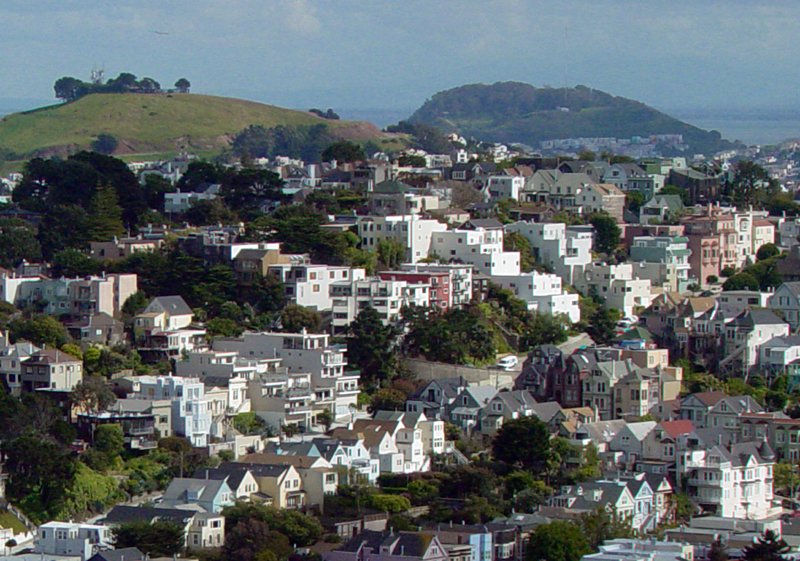
Known for sunny weather and sweeping views, Potrero Hill offers a relaxed, residential atmosphere, classic Victorian homes, and a growing culinary scene.
Dogpatch
A creative hub with a gritty edge, Dogpatch features restored warehouses, vibrant public art, boutiques, and some of the city’s best new restaurants. Crane Cove Park and the Minnesota Street Project are standout attractions (Time Out San Francisco).
Mission Bay
Just to the north, Mission Bay is a thriving center of innovation, anchored by UCSF’s campus and Oracle Park, with modern dining, sports, and entertainment options.
Local Amenities
- Dining Piccino, Serpentine, Neighbor Bakehouse, La Stazione café.
- Shopping/Art Minnesota Street Project, local boutiques, galleries.
- Parks Crane Cove Park, Esprit Park, Potrero Hill Recreation Center.
Planning Your Visit
For up-to-date train schedules, construction advisories, and event listings, visit the Caltrain official website, San Francisco Travel, and SF Planning. Download the Audiala app for real-time transit updates.
Discover More
22nd Street Station stands as a testament to San Francisco’s transportation heritage and its neighborhoods’ ongoing transformation. While current accessibility is limited, planned upgrades and nearby amenities make it an inviting destination for urban explorers, commuters, and cultural enthusiasts alike. For the latest information, visit the Caltrain website, SF Planning Department, and download the Audiala app for seamless navigation.
Experience the unique blend of history, innovation, and neighborhood vitality at 22nd Street Station—plan your visit today and share your journey using #22ndStreetStation!