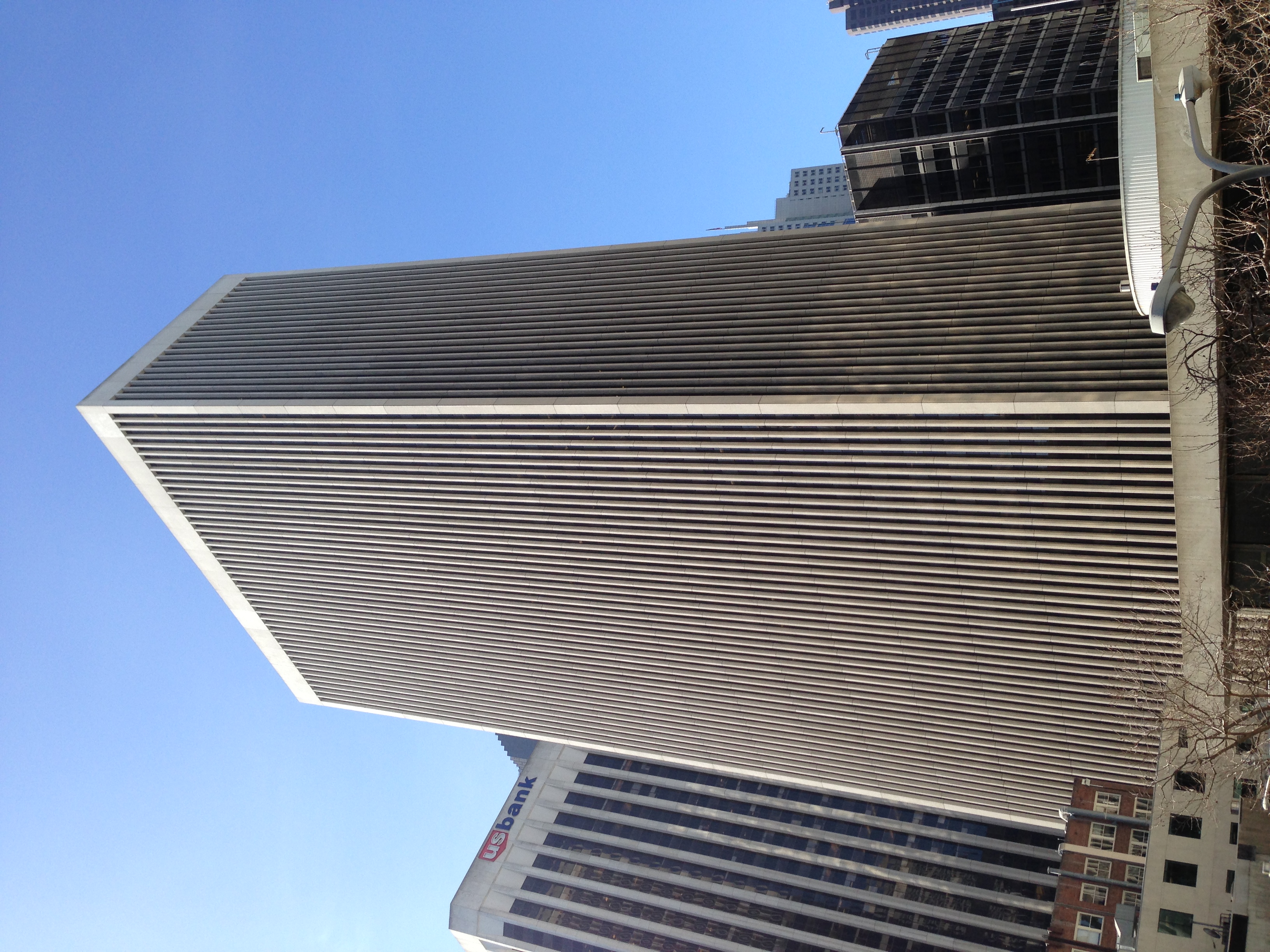
Introduction: 222 Second Street and Its Role in San Francisco’s Urban Evolution
Located in the heart of San Francisco’s South of Market (SoMa) district, 222 Second Street stands as a testament to the city’s transformation from an industrial hub into a global center of technology and innovation. This 26-story glass-clad office tower, best known as the global headquarters of LinkedIn, reflects both the city’s architectural ambitions and its ongoing urban renewal. Although not a traditional tourist attraction, 222 Second Street offers visitors and locals alike a unique window into San Francisco’s tech-driven renaissance, contemporary design trends, and the complexities of city planning (OAC Archive; Curbed SF; Zippia; SF Planning).
This comprehensive guide explores the history, architectural significance, visitor access, and community impact of 222 Second Street. Whether you’re passionate about architecture, urban development, or want practical information for your visit, you’ll find detailed insights on this iconic San Francisco landmark.
SoMa District: From Industry to Innovation
Once dominated by warehouses and manufacturing, the SoMa neighborhood has experienced dramatic change since the late 20th century. Urban renewal initiatives and revised zoning policies in the 1980s and 1990s encouraged mixed-use development and vertical growth. The transformation of SoMa laid the groundwork for modern towers like 222 Second Street, symbolizing a broader shift toward technology and creative industries (OAC Archive).
Planning, Zoning, and the Rise of High-Rises
The rise of 222 Second Street reflects decades of strategic urban planning. San Francisco’s Downtown Plan and subsequent studies identified SoMa as a prime corridor for commercial and residential high-rises, balancing economic expansion with efforts to preserve historic neighborhoods elsewhere. The site of 222 Second Street was targeted for redevelopment as the city sought to accommodate its burgeoning tech sector (OAC Archive).
Conception and Construction of 222 Second Street
Constructed in the early 2010s, 222 Second Street embodies the city’s push for modern, sustainable workplaces. Designed as a 26-story tower with advanced amenities, its completion coincided with LinkedIn’s rapid expansion. In 2014, LinkedIn leased the entire building, consolidating its San Francisco workforce and solidifying the tower’s identity as a tech industry landmark (Zippia).
Architectural Significance and Reception
222 Second Street’s distinctive glass curtain wall, designed by Thomas Phifer and Partners in partnership with Gensler, has drawn both praise and criticism. The building’s reflective façade and bold silhouette exemplify contemporary corporate architecture, while critics have debated its fit within San Francisco’s unique urban character. The San Francisco Chronicle’s John King described the structure as “an overbearing 26-story glass box…with all the charm of a well-tailored packing crate,” highlighting ongoing tensions between new development and local heritage (Curbed SF).
Despite mixed reviews, the building’s state-of-the-art amenities—including a rooftop terrace, collaborative workspaces, and green design elements—reflect the evolving culture of Silicon Valley workplaces.
LinkedIn’s Headquarters: Tech Influence
The arrival of LinkedIn at 222 Second Street marked a milestone in both the company’s and the city’s tech history. After LinkedIn’s acquisition by Microsoft in 2016, the building became a hub for thousands of employees, symbolizing the city’s transition into a global technology powerhouse (Zippia). The design encourages collaboration and innovation, mirroring broader trends in tech industry office environments.
Visitor Information: Hours, Access, and Tips
Visiting Hours and Access
- Public Plaza and Lobby: Open Monday through Friday, 8:00 AM to 6:00 PM.
- Office Floors: Restricted to LinkedIn employees and authorized guests.
- Public Events: Occasionally, special events or open houses are announced through LinkedIn’s official channels. No regular public tours are offered.
Tickets
- No tickets are required for access to the public plaza and lobby. All other areas are restricted.
Accessibility
- The building and public spaces are fully wheelchair accessible, with ramps, elevators, and ADA-compliant restrooms.
Photography
- Photography is welcome in public areas such as the plaza and lobby. Photography beyond these spaces requires prior authorization.
Travel Tips
- Transit: Convenient access via BART (Montgomery and Embarcadero stations), Muni buses, and bike lanes.
- Parking: Limited onsite parking for tenants; public garages are nearby.
- Best Time to Visit: Weekdays during business hours for the liveliest atmosphere and access to the public plaza.
Nearby Attractions and Travel Tips
Enhance your visit to 222 Second Street by stopping at these nearby destinations:
- Yerba Buena Gardens: Urban park with art, gardens, and performance spaces.
- San Francisco Museum of Modern Art (SFMOMA): Leading modern art museum.
- Museum of the African Diaspora (MoAD): Cultural exhibitions and programs.
- Salesforce Park: Elevated park with gardens and public programming.
- The Ferry Building: Historic marketplace with food vendors and shops.
- Chinatown: The oldest Chinatown in the U.S. with markets, cuisine, and heritage sites.
- Oracle Park: Home of the San Francisco Giants.
Photographic Highlights
- Façade Views: The intersection of Second and Folsom Streets offers iconic shots of the shimmering glass façade.
- Skyline Perspectives: Rooftop bars and terraces in nearby buildings provide panoramic views (where accessible).
- Plaza Area: Capture public art installations and the lively streetscape during lunchtime or events.
Community Impact and Urban Debates
The development of 222 Second Street has contributed to SoMa’s economic growth, increased foot traffic, and rising property values. However, it has also ignited debates about gentrification, displacement, and the preservation of San Francisco’s character. City planning initiatives, such as the Citywide Historic Context Statement, continue to evaluate the balance between growth and heritage (SF Planning).
Frequently Asked Questions (FAQ)
Q: Can the public visit 222 Second Street?
A: The lobby and public plaza are open to visitors on weekdays during business hours. Office floors are restricted.
Q: Are guided tours available?
A: No official tours are offered, though local architectural tours may include the exterior.
Q: Is there an admission fee?
A: No, public spaces are free to access.
Q: Is the building wheelchair accessible?
A: Yes, all public areas comply with accessibility standards.
Q: When is the best time for photos?
A: Late afternoons offer the best lighting, particularly for the glass façade.
Q: What attractions are nearby?
A: Yerba Buena Gardens, SFMOMA, Salesforce Park, the Ferry Building, and Chinatown are all within walking distance.
Listen to the full story in the app
Your Personal Curator, in Your Pocket.
Audio guides for 1,100+ cities across 96 countries. History, stories, and local insight — offline ready.
Audiala App
Available on iOS & Android
Join 50k+ Curators
Sources
- verified
- verified
- verified
- verified
- verified
Last reviewed: