Historical Background
Origins and Planning
Planning for the SDSU Transit Center began in the late 1980s, when the San Diego Metropolitan Transit Development Board sought to expand the trolley network and improve access to destinations including SDSU. Initial proposals placed the station at the surface near Interstate 8. University leadership advocated for an underground station beneath campus to improve access and limit disruption, despite concerns about construction costs. Further analysis found tunneling more cost-effective than acquiring land for a surface route, and the underground plan was approved.
Construction and Opening
Construction began in 1999, with a final cost of $103 million. The center was built as part of the Mission Valley East extension of the Green Line. Its street-level bus plaza opened in February 2005, and the underground trolley platforms began service on July 10, 2005. It remains the only underground stop in the San Diego Trolley system.
Dedication and Legacy
On June 29, 2011, the transit center was dedicated to Leon Williams, an SDSU alumnus and former MTS board chair whose efforts were crucial to bringing light rail service to campus. The center promotes public transit and reduced campus traffic, supporting SDSU’s commitments to diversity, accessibility, and sustainability.
Architectural Design
Design Philosophy and Objectives
Designed by ZGF Architects, the station prioritizes noise mitigation and harmony with campus life. Its underground location minimizes disruption to academic activities, while its materials and structures are designed to absorb sound and vibration.
Underground Structure and Layout
The station is about 55 feet below ground. Side platforms between College Avenue and Campanile Drive provide direct access to campus. Twenty street-level openings bring natural light into the station; blue cold cathode lighting also contributes to its illuminated interior.
Accessibility and User Experience
The station is ADA-compliant and has elevators, ramps, level boarding, priority seating, assisted listening devices, tactile guidance, visual and audible announcements, and accessible ticket machines. The design allows transfers between trolley and bus services. The bus plaza serves MTS routes including Rapid 215, 11, 14, 115, 856, 936, and 955.
Safety and Security Features
The station has surveillance cameras, emergency call boxes, ample lighting, and open sightlines. A non-life-threatening shooting occurred in October 2024; campus and city authorities maintain a security presence and emergency response. See SDSU Parking Safety.
Visiting Information
Visiting Hours
The transit center generally operates daily, with trolley and bus services running from approximately 4:00 AM to midnight. It aligns with Green Line trolley hours, typically 4:00 AM to midnight. Ticket machines and waiting areas are available during these hours, though access to amenities such as public restrooms may be limited. Check the MTS official website for current information.
Ticketing
Tickets can be purchased through the PRONTO mobile app, at station vending machines, or on board buses and trolleys. Fare options include single rides, day passes, and monthly passes. One-way adult fares are about $2.50 (2025); daily and monthly passes are also available. Consult the MTS fare page for fare and purchasing details.
Amenities and Facilities
Facilities and nearby services include:
- Sheltered and covered seating at bus plazas, digital boards, and ticket machines.
- Public restrooms, which may have limited access.
- Bicycle racks, nearby bike-sharing stations, and scooter parking.
- ADA-accessible parking close to campus, as well as limited paid parking nearby.
- Campus cafes, convenience stores, and a range of eateries within and near campus (CollegeNetWorth).
- Free Wi-Fi in many campus buildings.
There is no dedicated luggage storage at the transit center.
Special Events and Tours
The transit center does not offer guided tours, but its architectural features attract photographers. SDSU and the city occasionally host transit-related events. Campus tours, including the Black Excellence Historical Tour and Adelante Tours, often begin nearby; self-guided brochures are also available (SDSU Tours). SDSU hosts cultural festivals, sports events, and academic conferences throughout the year; check the event calendar for details.
Visitor Experience, Safety, and Practical Tips at SDSU Transit Center
Arrival and Navigation
Located centrally on campus, the transit center provides access to campus destinations through clear signage and ADA-compliant routes, including elevators, ramps, and tactile paving (SDSU Admissions).
Ticketing and Transit Information
Green Line trolleys run every 7–15 minutes during peak times. Check the MTS website for real-time updates. The station is also a major bus hub, facilitating travel across the county.
Facilities and Amenities
The station’s sheltered waiting areas, ticket machines, public restrooms, and security cameras support the visitor experience. Bike racks and scooter parking provide additional options for connecting with other modes of transport.
Integration with Campus Life and Special Events
The transit center is a gateway for campus tours, events, and student activities. SDSU’s cultural festivals, sports events, and academic conferences take place throughout the year. Information about tours and events is available through SDSU Admissions.
Accessibility and Inclusivity
The station is fully ADA-compliant, with elevators, ramps, level boarding, tactile guidance, visual and audible announcements, priority seating, assisted listening devices, and accessible ticket machines (SDSU Admissions).
Safety Considerations
- Stay aware of your surroundings, especially at night (Travel Noire).
- Keep valuables close; incidents are rare but possible (Travel Noire).
- After dark, stick to populated, well-lit areas (Explore Baja California).
- Call 9-1-1 for emergencies. For non-emergencies, contact SDSU Police at 619-594-1991 or use emergency call boxes (SDSU Parking Safety).
- If encampments are present, steer clear of them for personal safety (Explore Baja California).
- Exercise standard precautions when traveling alone or at night; frequent trolley service and campus security enhance safety (Travellers Worldwide).
- Subscribe to ShakeAlert for earthquake warnings and review posted evacuation procedures (Travel Noire).
Practical Tips for a Memorable Visit
- Use the MTS trip planner to map your route in advance.
- Travel during off-peak hours for a less crowded experience.
- Purchase your ticket before boarding to avoid fines.
- Register for guided or self-guided campus tours (SDSU Tours).
- Elevators and ramps are available for visitors who need accessibility features; accessible restrooms are also available.
- Dress in layers and use sunscreen; San Diego’s climate is mild but variable.
- Download the MTS app for transit updates.
- Limited paid parking is available nearby; public transit or rideshare is recommended (SDSU Admissions).
Nearby Places
The transit center provides access to SDSU campus, Snapdragon Stadium, Downtown San Diego, San Diego International Airport (via the Green Line and shuttle), Old Town San Diego State Historic Park, Balboa Park, and the San Diego waterfront, beaches, and shopping centers.
Nearby San Diego Historical and Cultural Sites
- Old Town San Diego State Historic Park Museums and historic buildings.
- Balboa Park Museums, gardens, and the San Diego Zoo.
- San Diego Bay and Waterfront Harbor cruises and the USS Midway Museum.
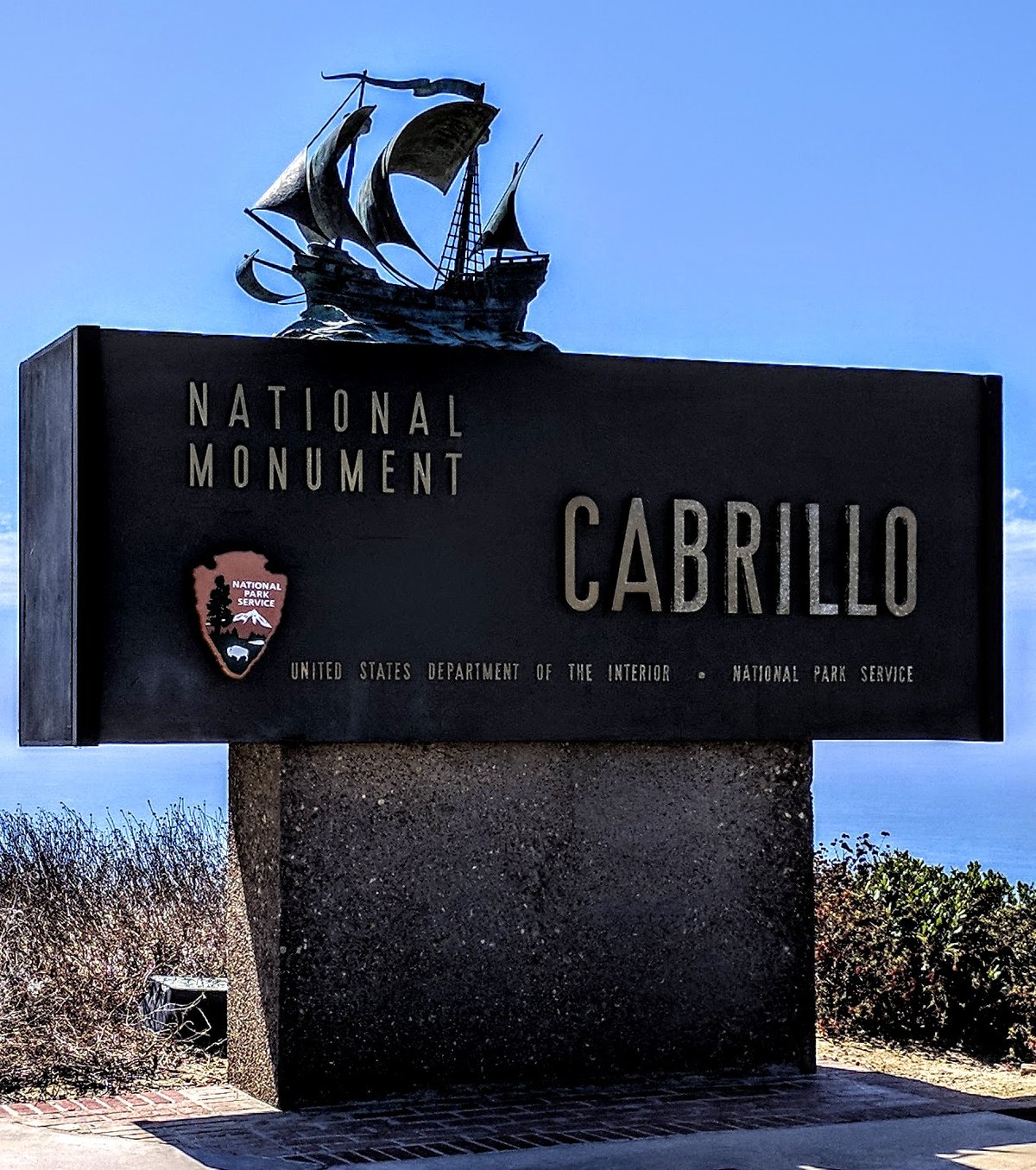
Cabrillo National Monument
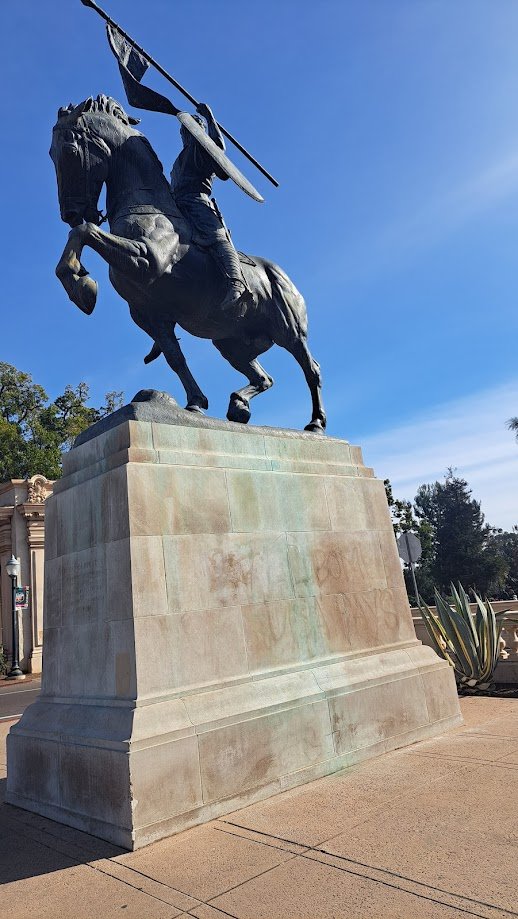
Cabrillo National Monument is at the southern tip of the Point Loma Peninsula. It commemorates the 1542 landing of Juan Rodríguez Cabrillo, the first European to set foot on the West Coast of the United States.
Established in 1913, the monument honors Cabrillo’s journey and the region’s diverse heritage. The site includes a statue of Juan Cabrillo, exhibits, and World War II-era coastal defense gun batteries, reflecting themes of exploration, cultural exchange, and San Diego’s development as a port city.
Visiting Hours and Admission
- Hours Open daily, 9:00 AM–5:00 PM. Last entry at 4:30 PM. Closed Thanksgiving and Christmas Day.
- Admission $20 per vehicle, valid for seven days; $10 for pedestrians and bicyclists. Annual passes are available.
- For updates and ticketing, visit the National Park Service Cabrillo National Monument page.
Getting There and Activities
The monument is accessible by car, with on-site parking. For transit users, MTS bus routes connect downtown San Diego to Point Loma, with trolley transfers via the SDSU Transit Center.
Ranger-led programs include daily talks and guided walks on history, ecology, and culture. Visitors can explore tide pools during low tide and watch for whales during migration season. The Old Point Loma Lighthouse and Cabrillo statue plaza offer panoramic views of San Diego Bay, the Pacific Ocean, and downtown.
Paved trails, ramps, accessible restrooms, and parking are available. The visitor center has information brochures in varied formats.
Cabrillo Visitor Tips
- Check the official website for the latest details.
- Dress in layers because coastal weather can change quickly.
- Bring water, sunscreen, and comfortable shoes.
- Purchase tickets online or at the entrance.
Frequently Asked Questions (FAQ)
Q: What are the SDSU Transit Center visiting hours?
A: Typically 4:00 AM to midnight. Check the MTS website for updates.
Q: How much do transit tickets cost?
A: A one-way adult fare is about $2.50 (2025).
Q: Are guided tours available at the transit center?
A: The transit center does not offer guided tours, but several SDSU campus tours begin nearby.
Q: What attractions can be reached from the transit center?
A: Old Town San Diego, Balboa Park, and the waterfront are accessible by trolley. Other destinations include SDSU campus, Snapdragon Stadium, Downtown San Diego, San Diego International Airport via the Green Line and shuttle, beaches, and shopping centers.
Q: Is the transit center accessible?
A: Yes. It is fully ADA-compliant.
Q: Are pets allowed at Cabrillo National Monument?
A: Pets are allowed only in parking areas and campgrounds, on leash; they are not allowed on trails or inside buildings.
Q: Is food available at Cabrillo National Monument?
A: A gift shop offers snacks and souvenirs, but there are no full restaurants. Visitors should bring their own food.
Q: Are there free admission days at Cabrillo National Monument?
A: Yes. Check the National Park Service calendar for fee-free days.
Q: Is a permit required for photography at Cabrillo National Monument?
A: Personal photography does not require a permit; commercial photography does.