Plan and listen to San Ysidro Port Of Entry with Audiala.
Audio guide in your pocket, itinerary in your browser. Built for the way you actually visit.
Introduction
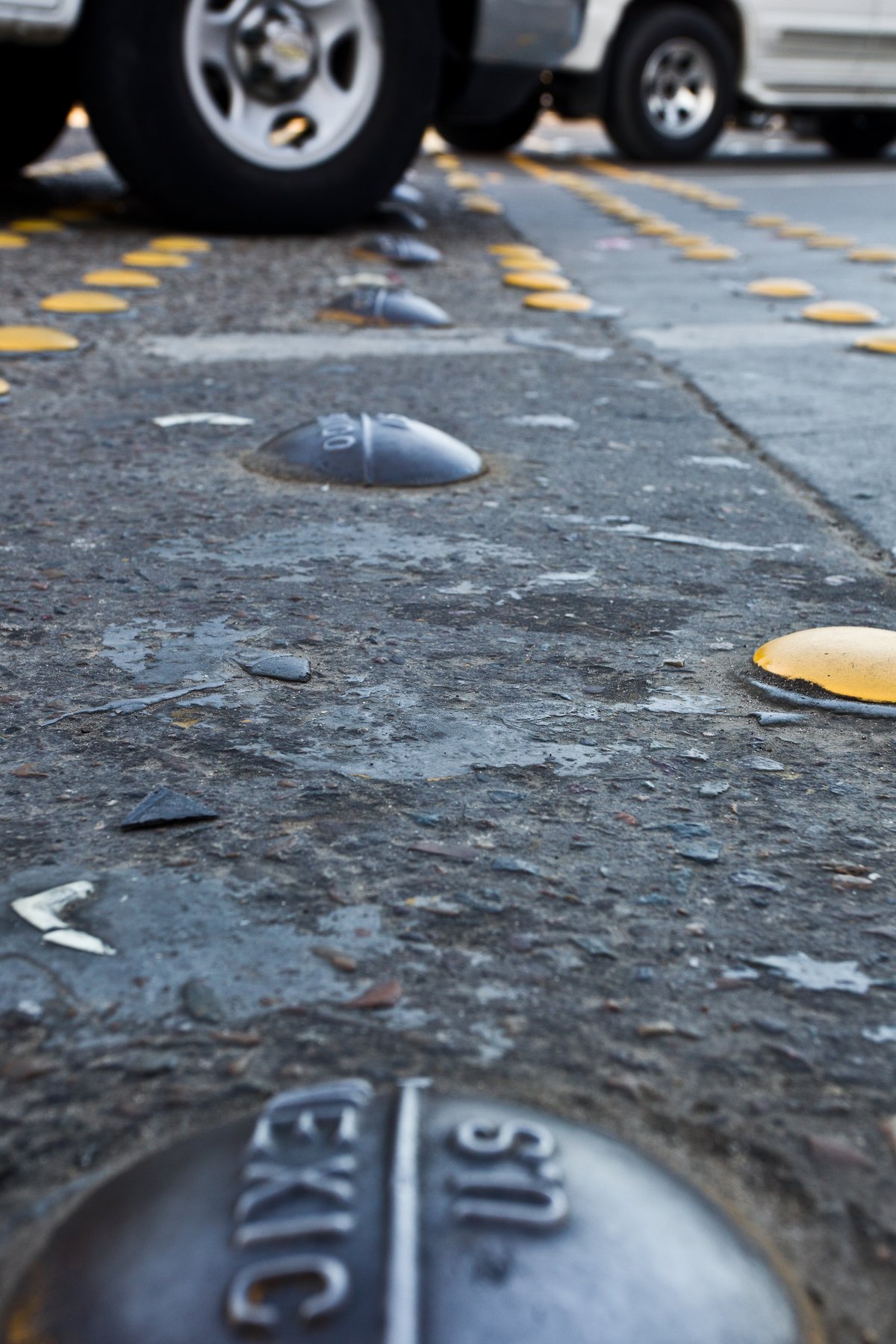
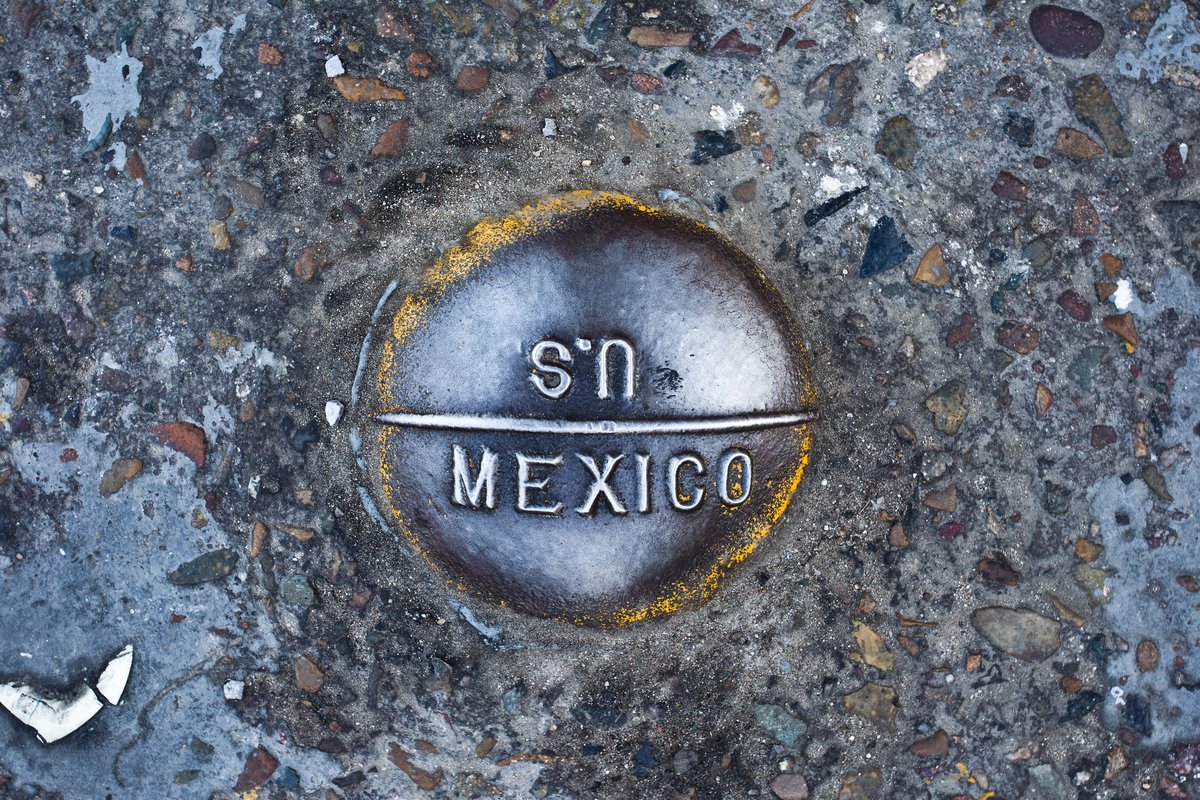
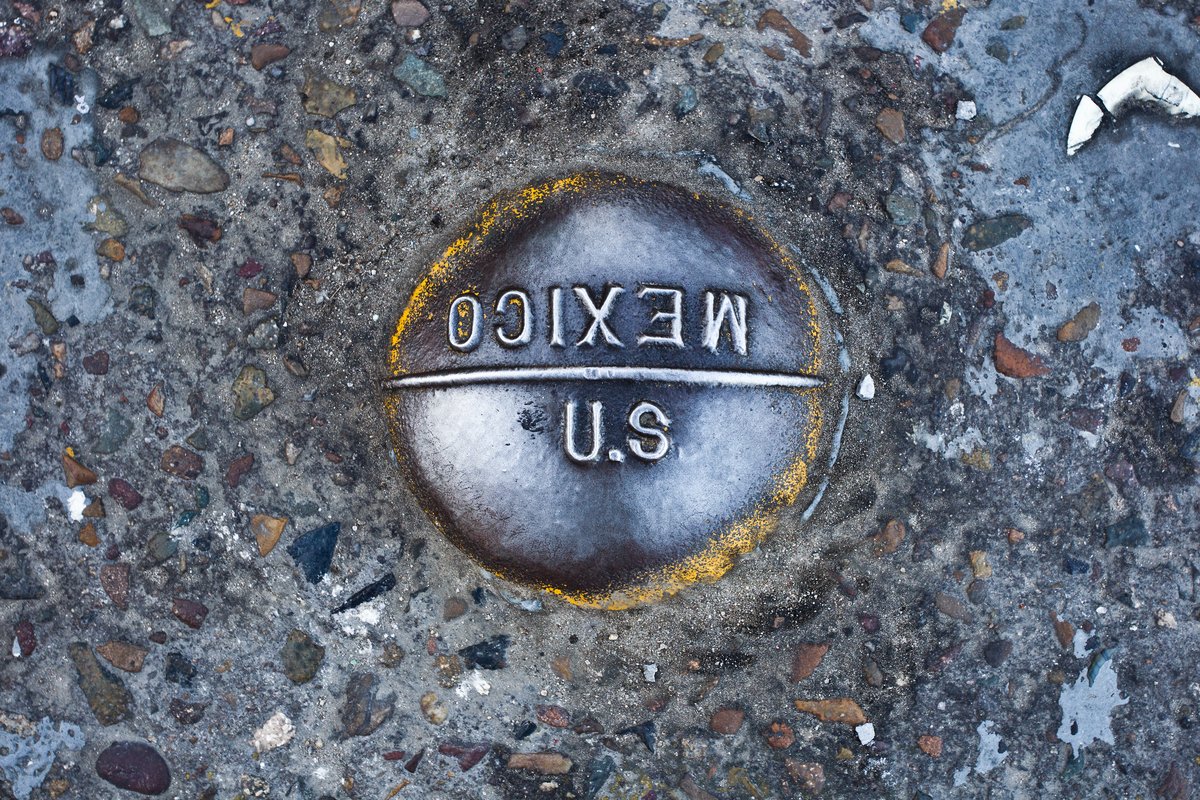
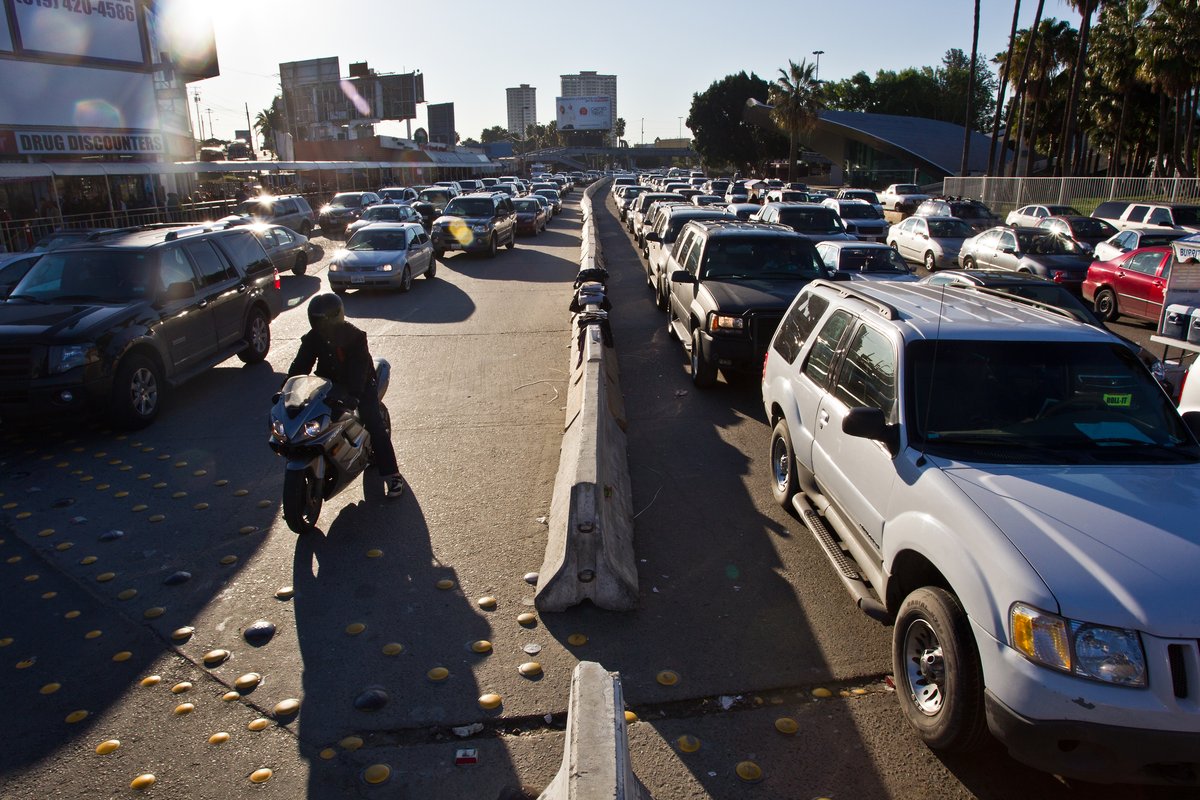
The San Ysidro Port of Entry (SYPOE) is the busiest land border crossing in the world, connecting San Diego, California, with Tijuana, Mexico. Facilitating commerce, tourism, and daily commutes, it is a vital link between two vibrant cities with deep economic, social, and cultural ties. With millions of crossings annually, understanding the port’s history, modern infrastructure, visiting hours, and documentation requirements is essential for a seamless travel experience.
This guide details the port’s rich historical background, operational procedures, visiting hours, documentation and ticketing requirements, transportation options, safety protocols, and cultural highlights. For official and up-to-date information, always consult resources like CBP.gov and San Diego.org.

Early History and Development
The land now occupied by the San Ysidro Port of Entry was originally inhabited by the Kumeyaay people. Spanish settlement in the late 18th and early 19th centuries brought profound changes, and the area became part of successive Spanish, then Mexican, territories. The Treaty of Guadalupe Hidalgo (1848) established the present-day border, dividing the land and paving the way for the construction of early customs facilities (Tourist Secrets; San Diego Union-Tribune; GSA Monograph).
In the early 20th century, the area saw the founding of the “Little Landers” colony by William E. Smythe, aiming to build an agricultural utopia. The region’s agricultural heritage is still reflected in its name, honoring Saint Isidore, patron saint of farmers (San Diego Union-Tribune).
Modernization and Infrastructure
Significant expansions in the 1970s and a $625 million redevelopment completed in 2019 have transformed the port. Today, it features:
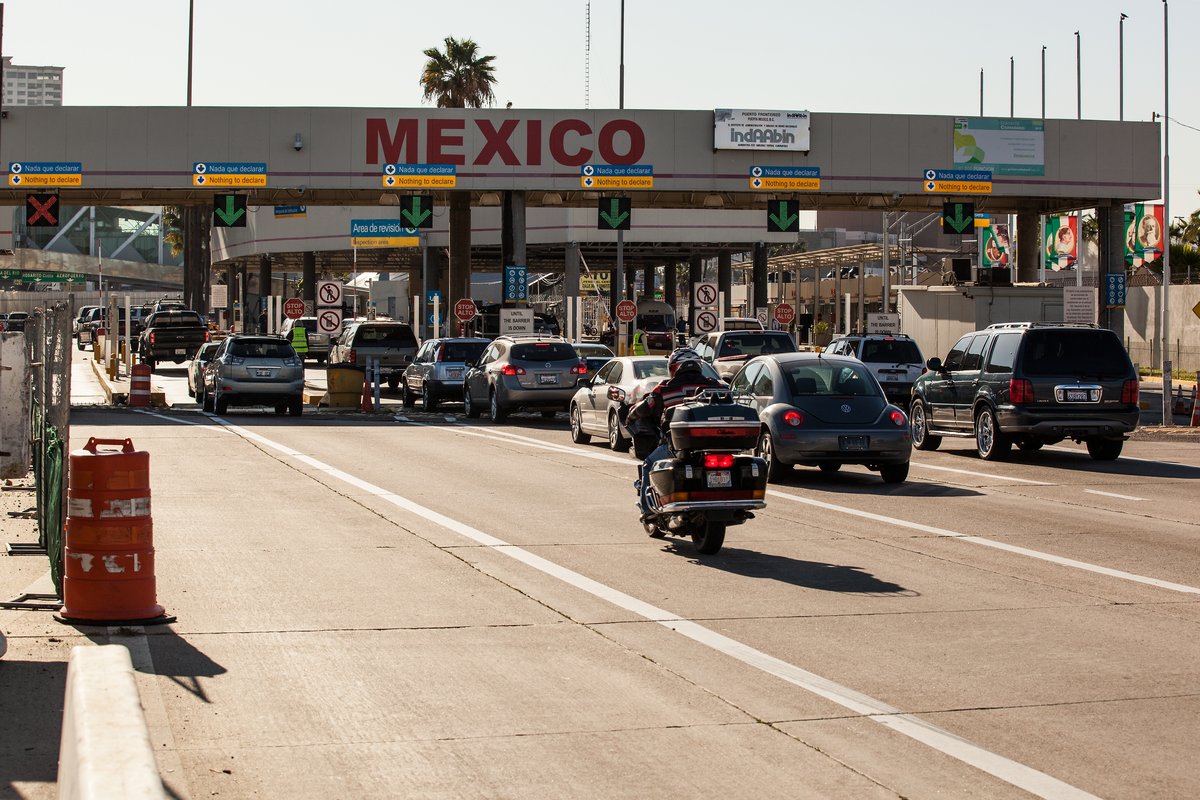
- 34 northbound vehicle lanes and 62 inspection booths
- Bi-directional pedestrian crossings (PedEast and PedWest)
- SENTRI lanes for expedited processing of pre-approved travelers
- A multimodal transit center with trolley, bus, and taxi services
- Sustainable, advanced security technology
The historic 1933 Mission Revival-style U.S. Customs House is preserved as a cultural landmark (Wikipedia; GSA Feature Story).
The port also connects with the Cross Border Xpress (CBX), a dedicated pedestrian bridge for Tijuana International Airport passengers (Borders Wait Time).
Economic and Cultural Significance
SYPOE is a major engine for cross-border trade, supporting industries from manufacturing to tourism, and facilitating billions in economic activity annually. It also acts as a cultural bridge, fostering daily exchanges that enrich both communities (Tourist Secrets; San Diego.org).
Tourism flourishes on both sides, with nearby attractions like Las Americas Premium Outlets and Tijuana’s culinary and cultural districts. The port stands as a symbol of binational partnership and ongoing cooperation.
Visiting Hours and Crossing Requirements
Operating Hours
- Pedestrian and vehicle crossings: Open 24/7
- PedEast: Main pedestrian facility, open 24 hours
- PedWest: May have variable hours; check current status before visiting
Tickets and Fees
- General crossings: No tickets or fees required for standard pedestrian or vehicle crossings
- SENTRI: Requires application, approval, and a fee for expedited processing (CBP.gov)
- CBX: Requires a purchased ticket for airport access (Borders Wait Time)
- FMM (Forma Migratoria Multiple): Required for U.S. citizens visiting Mexico for more than seven days or beyond the border zone; available online or at the border (Mexico Travel Secrets)
Documentation
- U.S. citizens: Passport, passport card, or WHTI-compliant document
- Mexican nationals: Passport and U.S. visa (if entering the U.S.)
- Other foreign nationals: Passport and appropriate visa or ESTA
Transportation and Access
By Car
- Access: Via I-5 or I-805, both ending at the border
- Parking: Private lots near the port (daily/overnight rates; fill quickly during peak times)
- SENTRI lanes: For expedited travelers
- Commercial traffic: Primarily directed to Otay Mesa
By Public Transit
- Trolley: San Diego Trolley Blue Line to San Ysidro Transit Center (about 45 minutes from downtown; San Diego MTS)
- Buses: Local (906, 907, 950) and regional routes serve the area
- Rideshare/Taxis: Drop-off and pick-up zones near pedestrian entrance (cannot cross border)
By Bicycle
- Bike lanes available; cyclists must dismount at the crossing and walk bikes through pedestrian lanes
Border Crossing Procedures
Southbound (U.S. to Mexico)
- Pedestrians: Enter through turnstiles; brief inspection by Mexican authorities; FMM may be required
- Vehicles: Proceed through lanes; “Nothing to Declare” or “Declaration” routes for goods
Northbound (Mexico to U.S.)
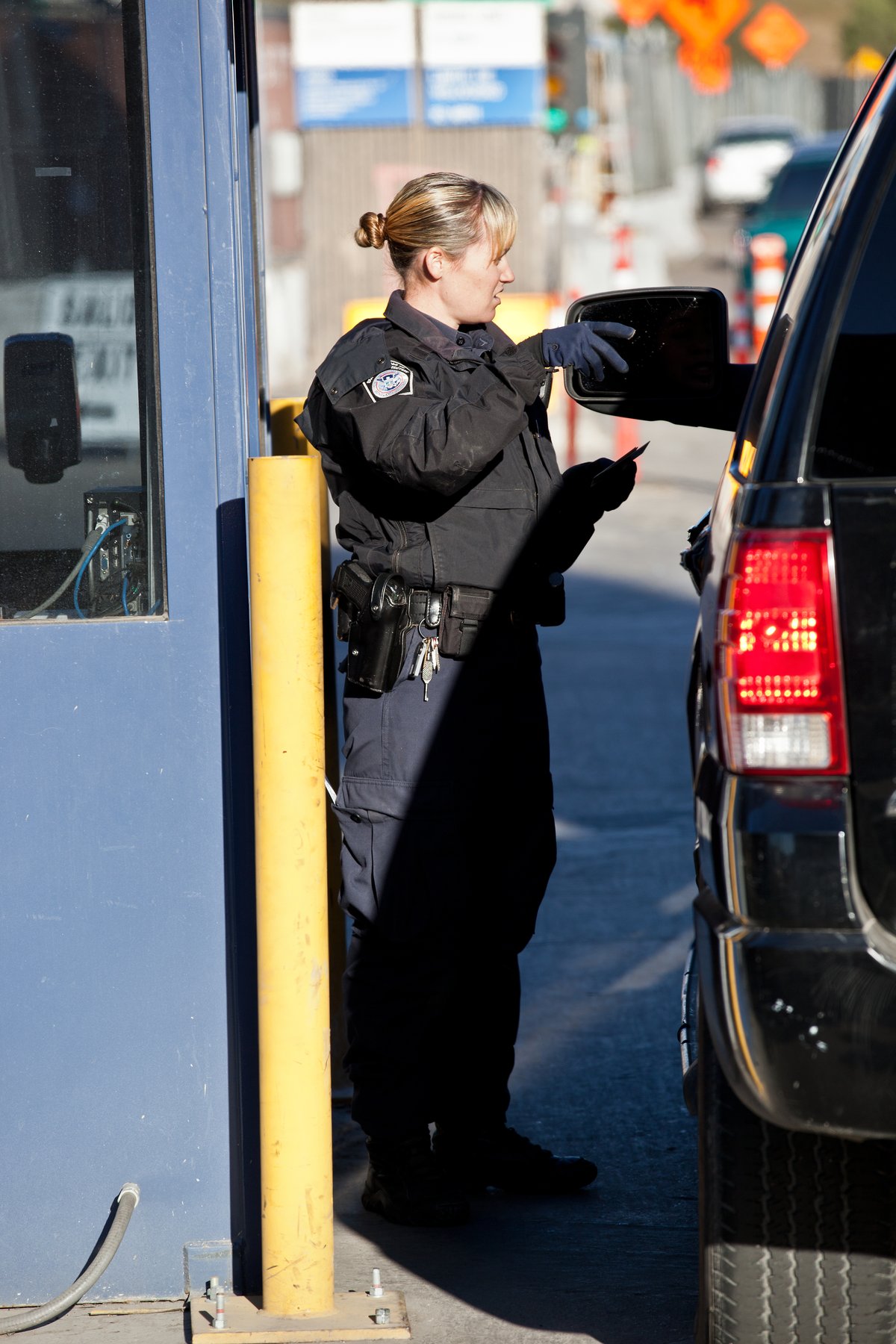
- Pedestrians: Use PedEast or PedWest; present documents to CBP officers; secondary inspection possible
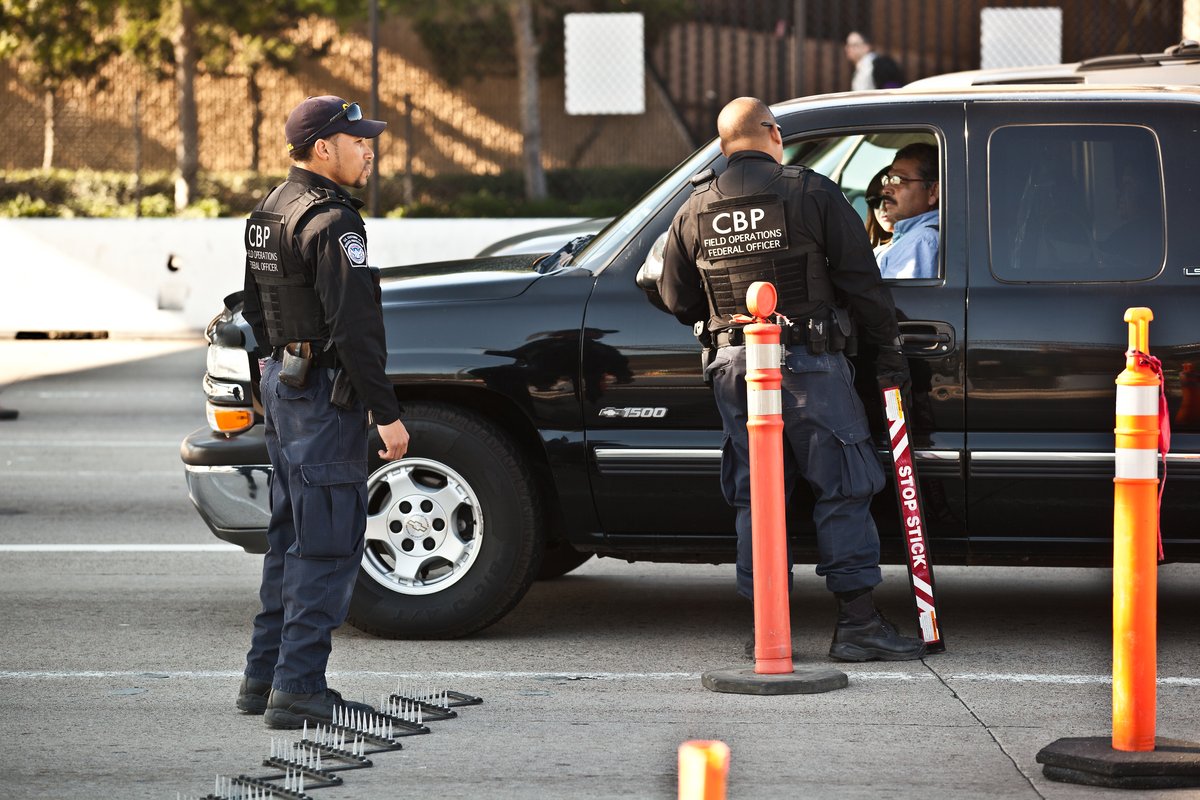
- Vehicles: Queue in designated lanes; SENTRI for expedited processing
Security and Customs
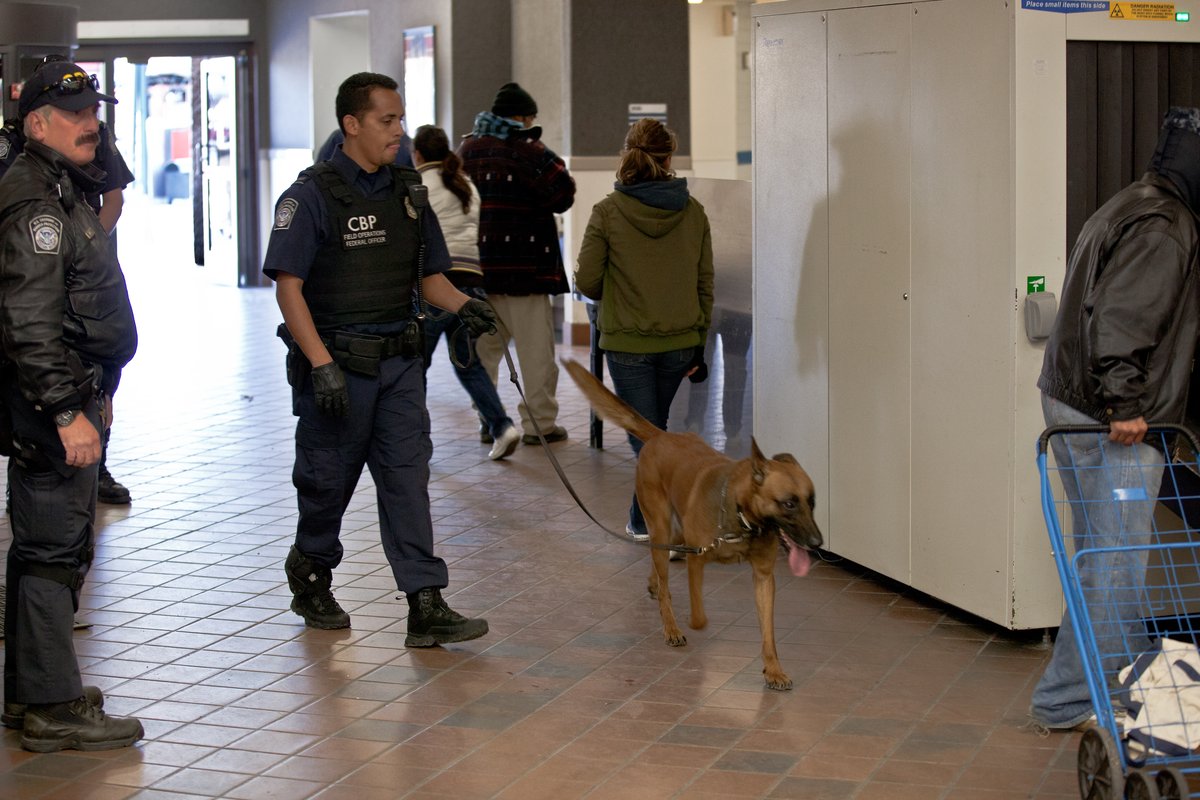
- Inspections: Automated license plate readers, facial recognition, advanced surveillance
- Prohibited items: Firearms, restricted agricultural products, undeclared large currency sums
- Declarations: Goods above exemption limits must be declared
Safety, Accessibility, and Traveler Services
Safety and Security
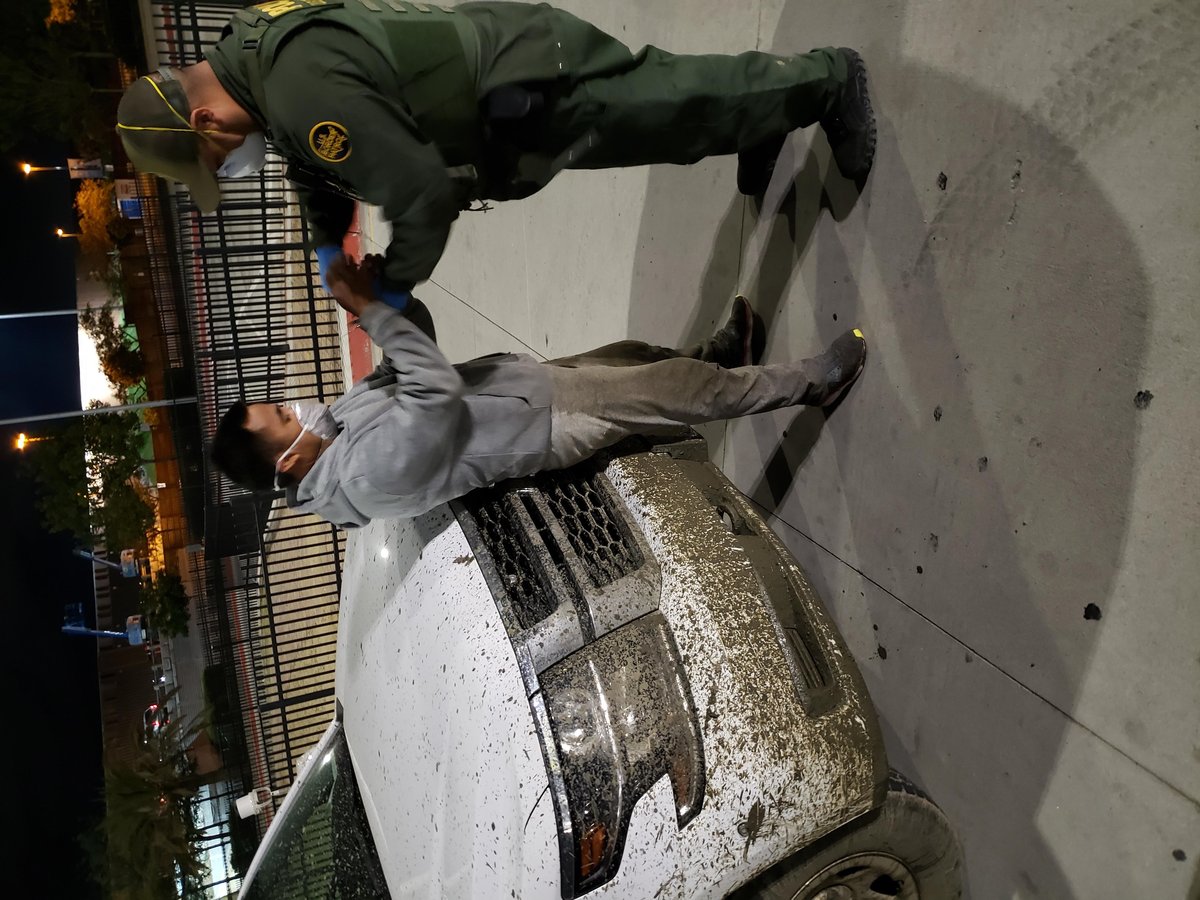
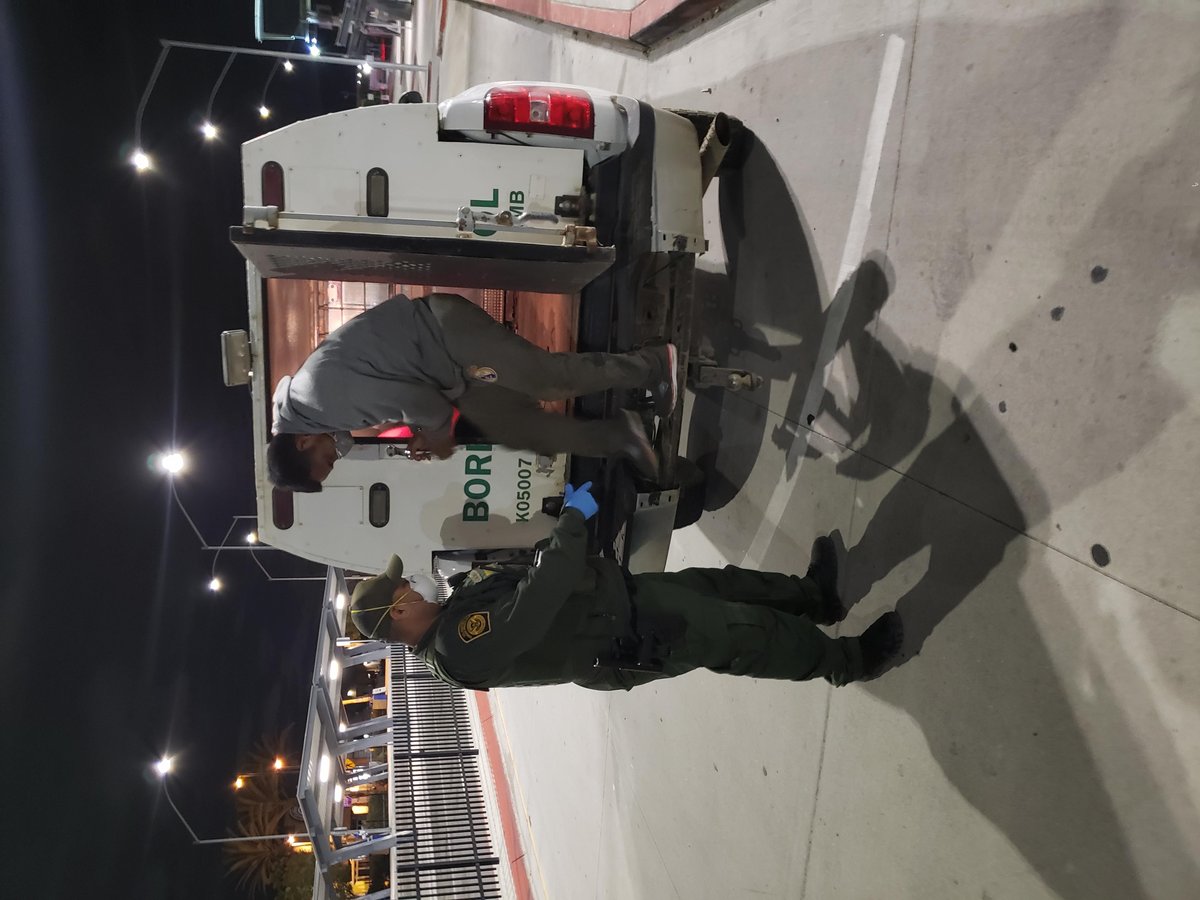
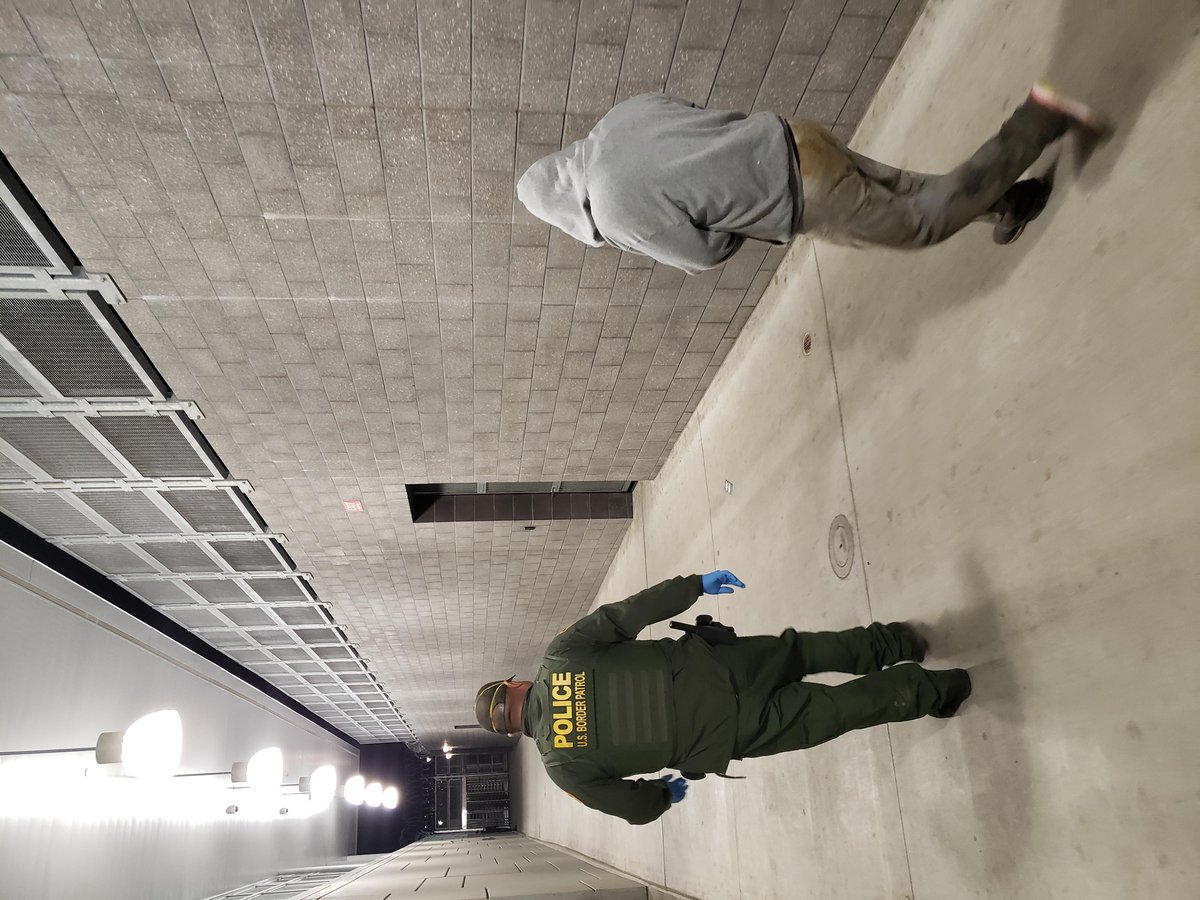
- Strong law enforcement and surveillance presence
- Keep personal belongings secure; remain vigilant in crowds
Accessibility
- Fully accessible facilities: ramps, elevators, and wide walkways
- Staff assistance available upon request
Traveler Services and Amenities
- Restrooms and information booths at crossings and transit centers
- Food, retail, and currency exchange options nearby
- Transportation: Taxis, buses, and rideshares available on both sides
Attractions and Cultural Insights
- Las Americas Premium Outlets: Major shopping destination just north of the port
- San Ysidro Port of Entry Museum: On the Mexican side, features historic artifacts and murals (Quartz Mountain)
- San Ysidro Customs House: Historic 1933 building preserved amid modernization (GSA Feature Story)
- Culinary and cultural experiences: Rich blend of American and Mexican influences in local food, markets, and festivals
Frequently Asked Questions (FAQ)
Q: What are the San Ysidro Port of Entry visiting hours?
A: The port operates 24/7 for both pedestrian and vehicle crossings. Some secondary pedestrian crossings may have variable hours.
Q: Do I need tickets to cross?
A: No tickets for standard crossings. SENTRI and CBX require passes or tickets.
Q: What documents do I need?
A: U.S. citizens need a passport or WHTI-compliant ID; non-citizens must present appropriate visas; SENTRI pass holders use designated lanes.
Q: How can I check wait times?
A: Real-time wait times are available on CBP Border Wait Times and Borders Wait Time.
Q: Are there parking options near the port?
A: Yes, private parking lots and garages are available within walking distance on the U.S. side.
Q: Is the port accessible?
A: Yes, the port features accessible pathways and facilities; staff can assist if needed.
Listen to the full story in the app
The whole San Ysidro Port Of Entry,
told well.
Listen to sourced travel stories with local history and practical context — ready offline.
Verified, and shown.
Researched and written by the Audiala editorial team from historical records, architectural archives, and local expertise.
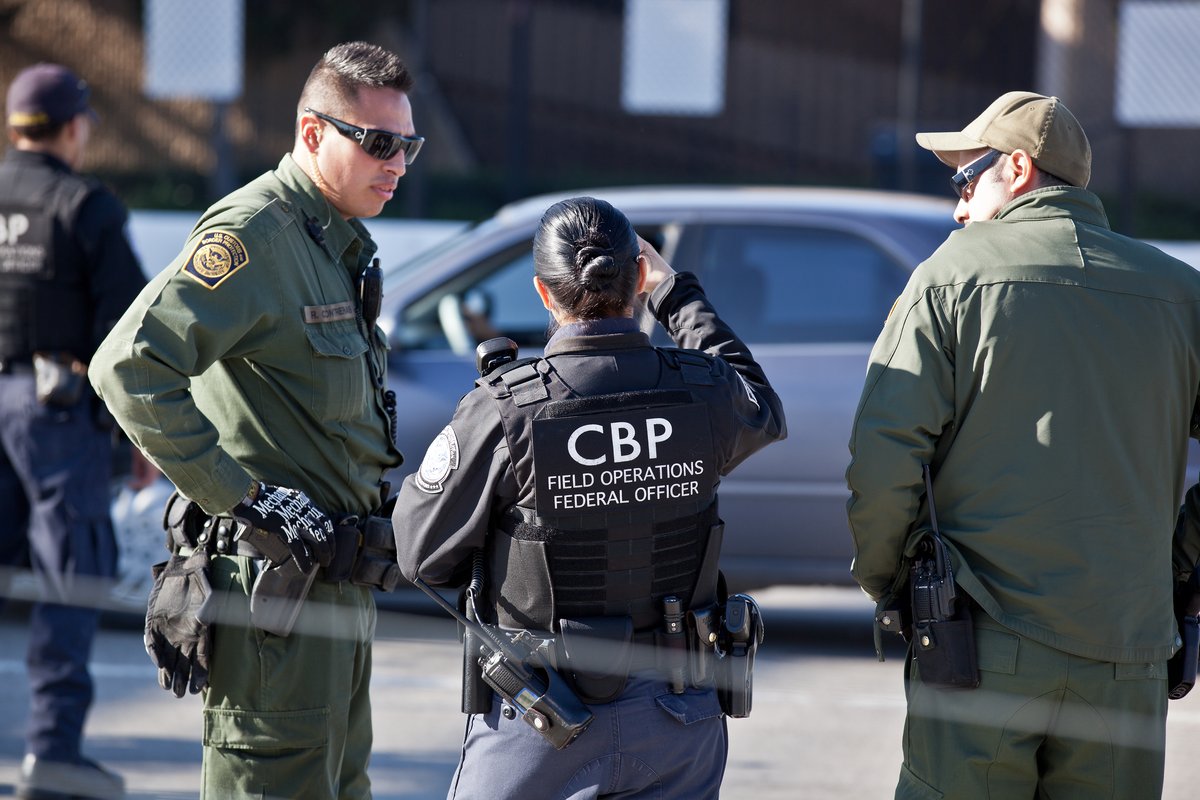
Customs and Border Protection, San Ysidro Port of Entry, 2024
Built from cited sources · see the method · How we make our guides →