Plan and listen to San Diego Stadium with Audiala.
Audio guide in your pocket, itinerary in your browser. Built for the way you actually visit.
Introduction
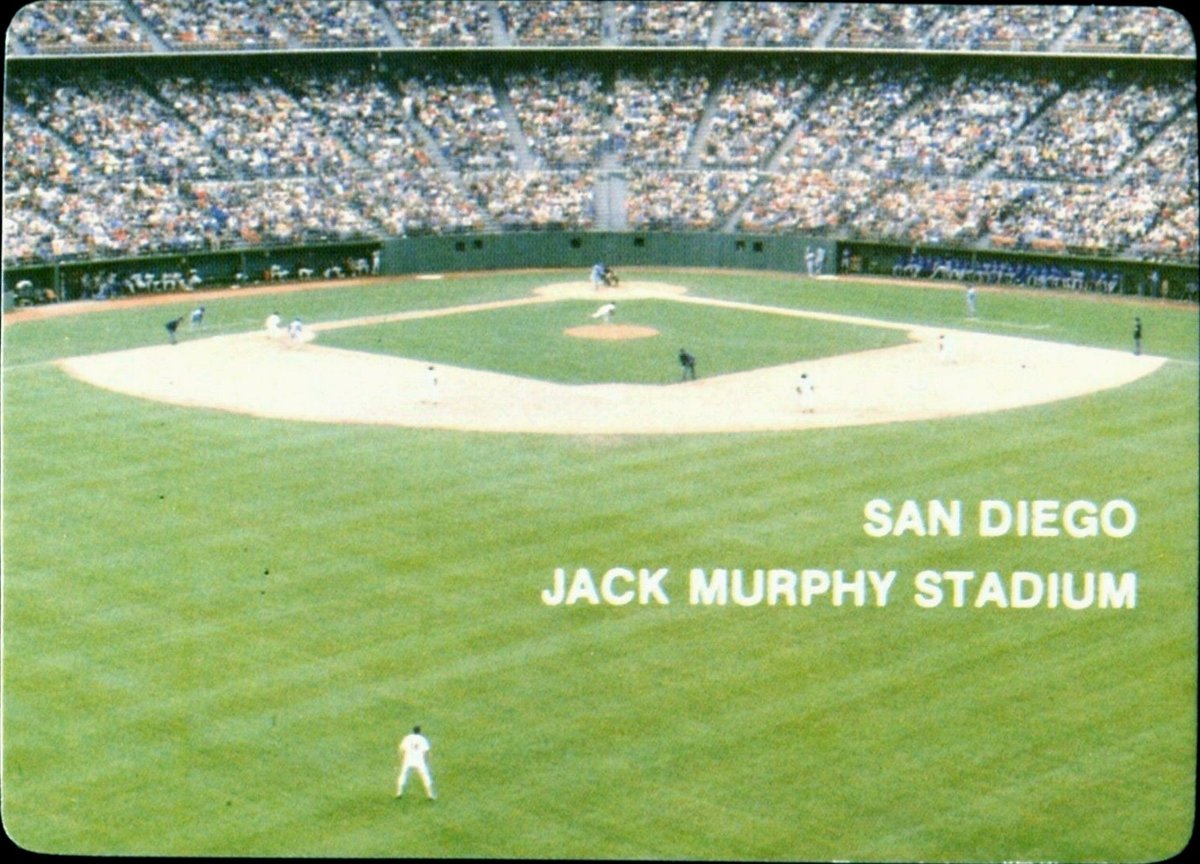
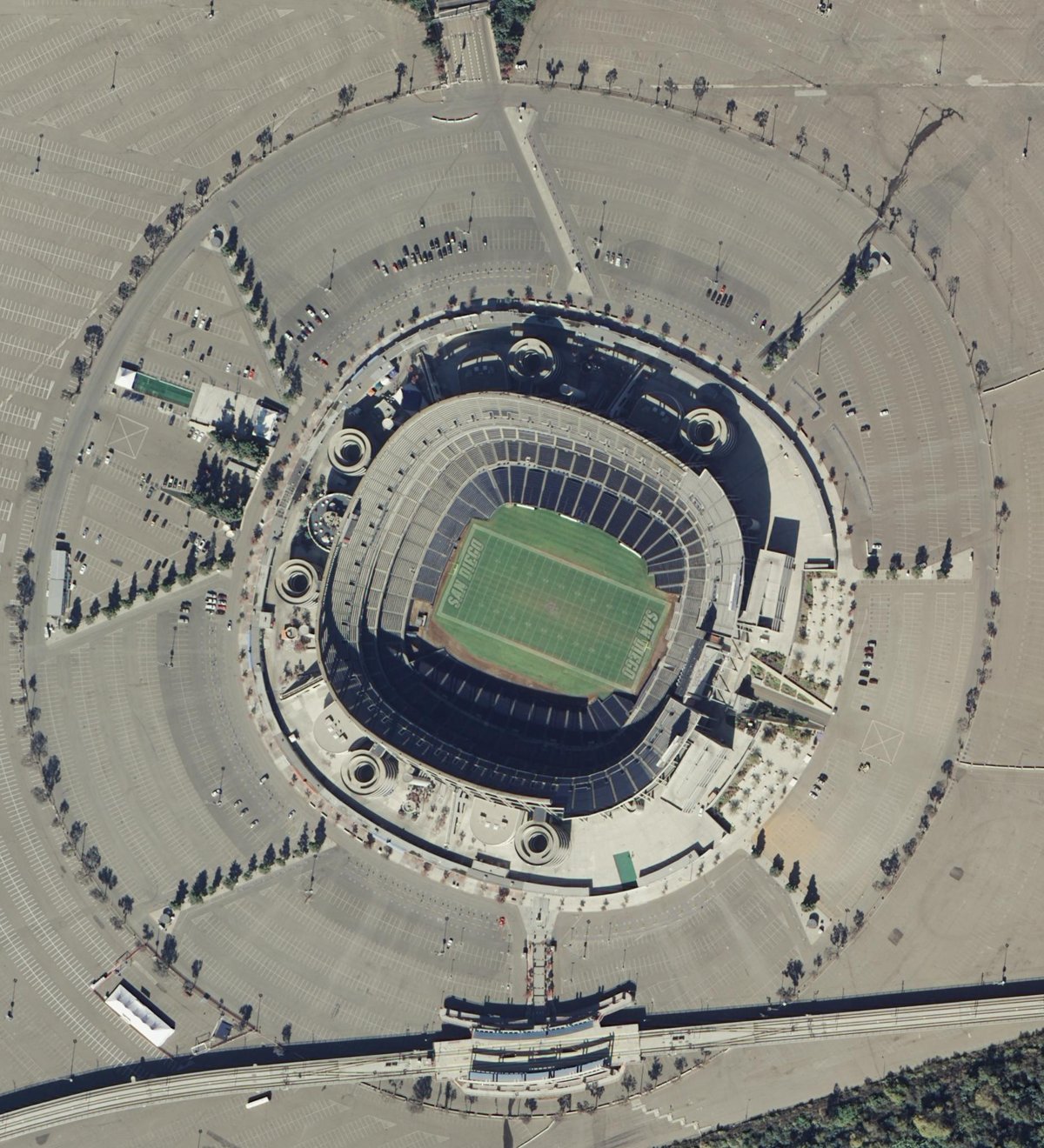
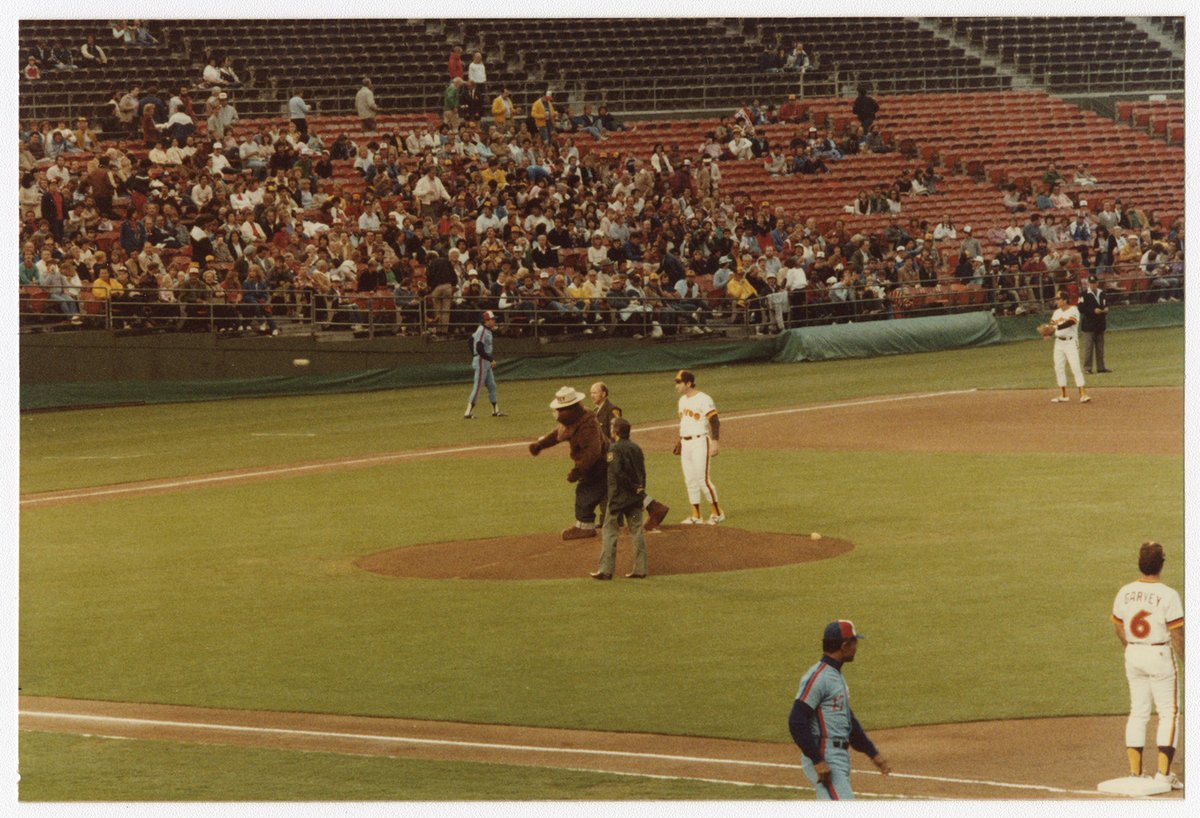
San Diego Stadium, historically recognized as Jack Murphy Stadium, Qualcomm Stadium, and SDCCU Stadium, was a pillar of the city’s sports, cultural, and community life from 1967 to its demolition in 2021. Its original “octorad” architectural style and multi-purpose design reflected the mid-century optimism and innovation of American civic projects (Historic Baseball; Wikipedia). Over five decades, it hosted legendary moments, including multiple Super Bowls, World Series games, MLB All-Star Games, and major concerts, cementing its reputation as a cultural and social landmark in Mission Valley.
Today, its legacy continues through Snapdragon Stadium, a modern, fan-focused venue built on the same historic site and owned by San Diego State University. Featuring sustainable architecture, shaded seating, and integration with the adjacent River Park, Snapdragon Stadium upholds the tradition of serving as a hub for sports, concerts, and community gatherings (Enter the Snapdragon; San Diego Explorer).
This guide provides a detailed overview of the stadium’s historical significance, architectural evolution, visiting hours and ticketing, accessibility, event highlights, and nearby attractions, offering essential tips for maximizing your visit to one of San Diego’s most iconic sites (Snapdragon Stadium Official; San Diego Tourism).






History and Construction
Origins and Vision
San Diego Stadium was conceived in the 1960s as a mission to elevate the city’s sports profile. Groundbreaking began in 1965, and the stadium opened in 1967 with a capacity of 50,000, hosting an AFL preseason game between the Chargers and the Detroit Lions. Its $27 million cost reflected San Diego’s ambitions and commitment to national sporting prominence (Historic Baseball). Strategically located in Mission Valley, the stadium provided convenient freeway access and expansive parking, aligning with nationwide trends toward versatile, multi-purpose stadiums (OB Rag).
Architectural Evolution
The “Octorad” Design
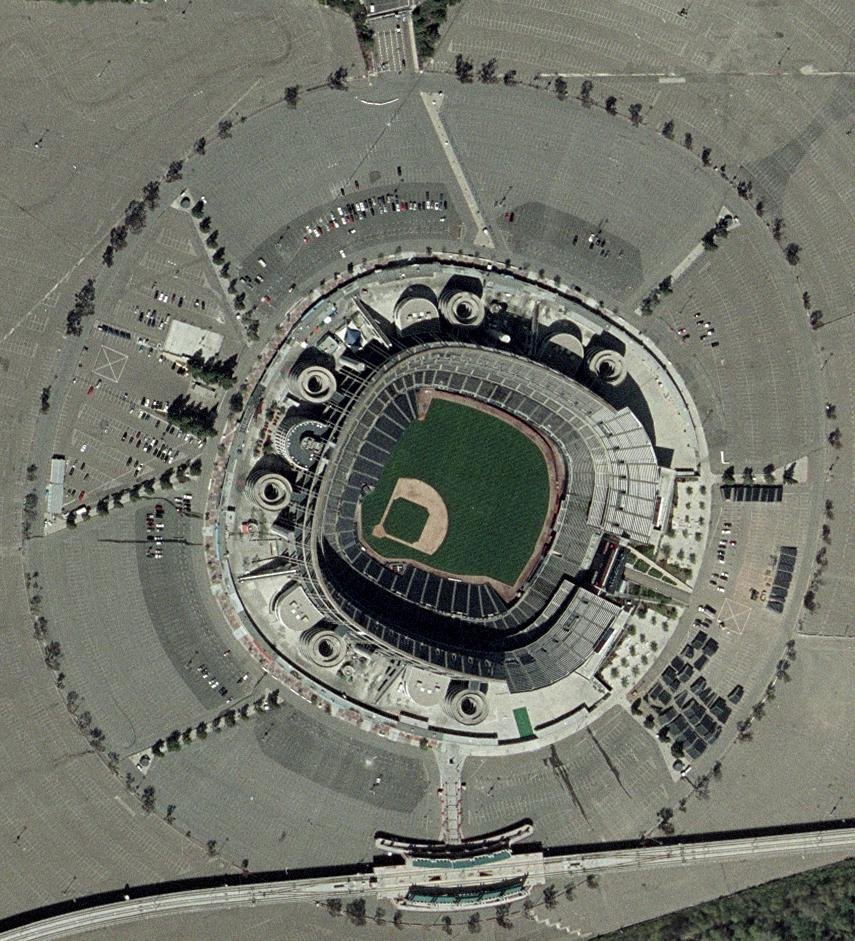
San Diego Stadium’s unique “octorad” configuration—an innovative blend of square and circle—was designed to accommodate both football and baseball, optimizing sightlines for diverse events. The stadium’s field was set 42 feet below street level, with movable lower stands and exposed concrete in a functional Brutalist style (SD Today; Wikipedia).
Expansion and Name Changes
- Jack Murphy Stadium (1981): Renamed to honor the sportswriter who advocated for its construction.
- Qualcomm Stadium (1997–2017): Became one of the first major U.S. sports venues with corporate naming rights (Sportsmatik).
- SDCCU Stadium (2017–2020): Renamed after a local credit union as the stadium neared the end of its operational life.
Each name reflected changes in the city’s culture and commercial priorities (SDStadium.org).
Demolition and Snapdragon Stadium
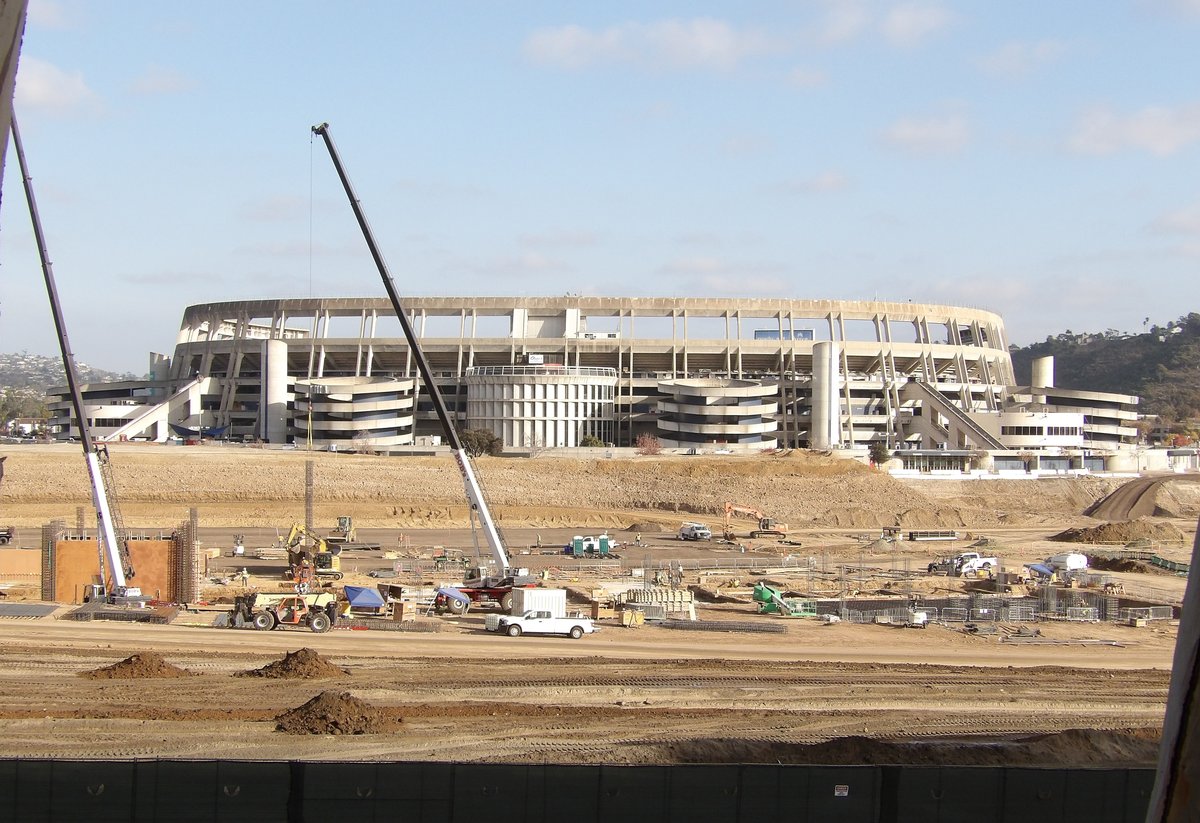
By the 2010s, the original stadium was outdated for modern standards. Following the Chargers’ departure and the Padres’ move to Petco Park, demolition began in 2020. San Diego State University acquired the site and constructed Snapdragon Stadium, which opened in 2022 with a more intimate 35,000-seat capacity and a focus on sustainability and fan experience (Sandiegoexplorer.com; Enter the Snapdragon).
Major Events and Cultural Impact
Sports and Entertainment Highlights
San Diego Stadium hosted:
- San Diego Chargers (1967–2017)
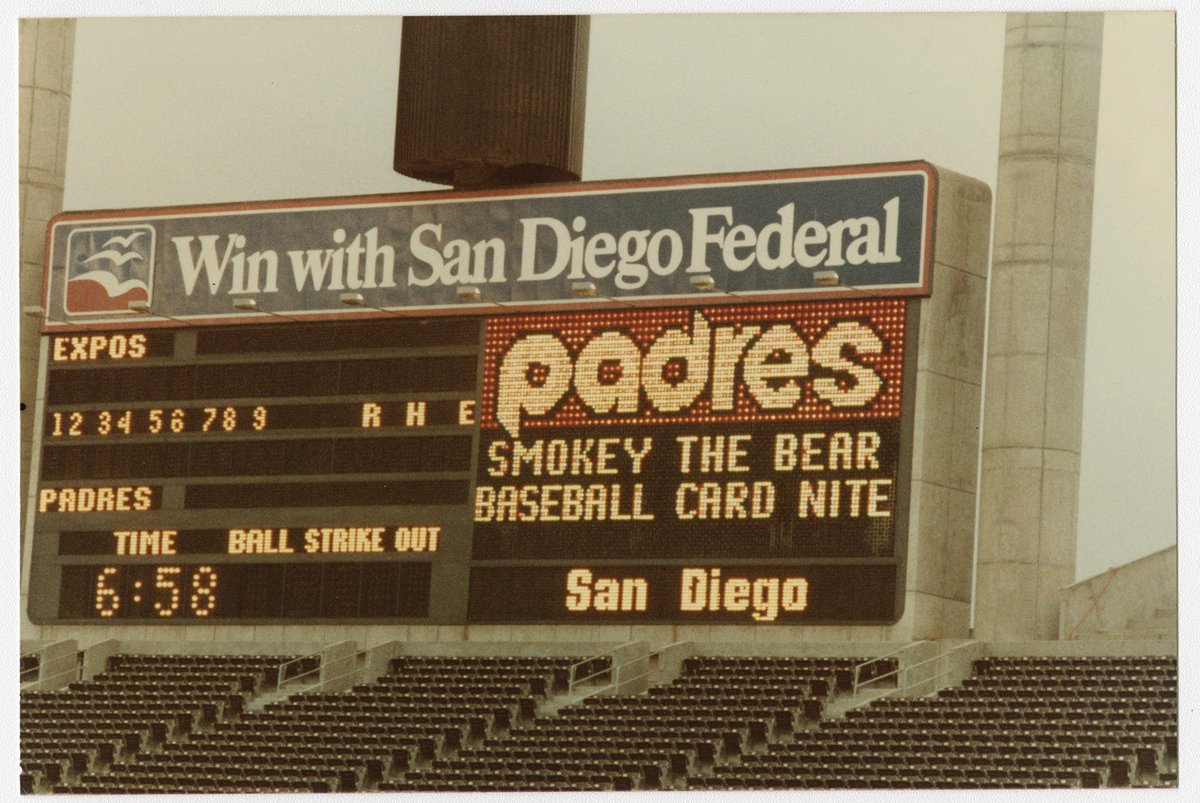
- San Diego Padres (1969–2003)
- San Diego State Aztecs (1967–2019)
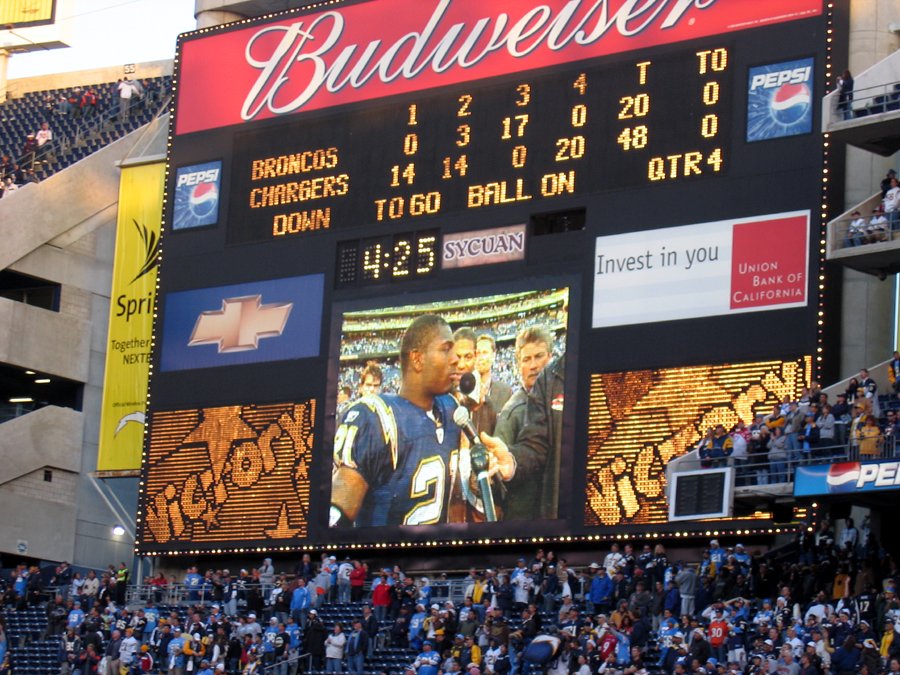
- Three Super Bowls: XXII (1988), XXXII (1998), XXXVII (2003) (San Diego Stadium)
- World Series Games: 1984, 1998 (Historic Baseball)
- MLB All-Star Games: 1978, 1992
- Concerts: The Rolling Stones, U2, The Eagles, and more (Historicbaseball.com)
- Community Events: High school graduations, religious gatherings, political rallies, and unique events like solar eclipse viewings
The stadium was a community nexus, hosting both local traditions and global spectacles (OB Rag).
Civic Identity and Urban Development
The facility’s location in Mission Valley contributed to the area’s development and accessibility via major freeways and public transit. The new Snapdragon Stadium and adjacent River Park have expanded this legacy, offering green spaces and urban amenities (Enter the Snapdragon).
Visiting Snapdragon Stadium: Hours, Tickets, and Tips
Visiting Hours
- General Hours: Snapdragon Stadium is open during scheduled events and by appointment for tours. For the latest hours, check the official website.
- Tours: Guided tours are available by advance booking, offering insights into the stadium’s architecture and history (Enter the Snapdragon).
Tickets
- All Events: Digital tickets only, downloadable to your mobile device. Purchase through the Snapdragon Stadium website or authorized sellers.
- Sports: San Diego State Aztecs, San Diego FC (MLS), and San Diego Wave FC (NWSL) tickets range from $25–$75 for standard seating, with premium options available (Enter the Snapdragon).
- Concerts/Special Events: Prices vary by event; early booking is encouraged.
Accessibility and Amenities
- ADA Accessibility: Includes accessible seating, restrooms, parking, ramps, elevators, and support services (Snapdragon Stadium).
- Parking: Limited on-site, must be pre-purchased. ADA parking is available in the Green Lot. Overflow lots and public transit options are recommended, especially for major events (San Diego FC Transportation).
- Public Transit: The MTS Green Line Trolley stops at Stadium Station, with frequent service before and after events.
- Food and Beverage: Local vendors, rotating food trucks, and San Diego craft beer featured throughout the stadium (San Diego Explorer).
- Fan Services: Free Wi-Fi, mobile app for seating and concessions, team stores for merchandise.
Visitor Tips
- Arrive Early: Beat traffic, explore pre-event activities, and secure good parking.
- Shade & Weather: Limited shaded seating—bring sun protection and layers for evening events.
- Sustainability: Use recycling and compost bins as part of the stadium’s eco-friendly initiative.
- Fan Culture: Join local supporter groups for a vibrant game-day experience.
2025 Event Highlights
- Soccer: San Diego FC’s inaugural MLS matches, including games against LA Galaxy and St. Louis City SC.
- Women’s Soccer: San Diego Wave FC hosts NWSL matches against Utah Royals FC and Portland Thorns.
- International Matches: USWNT vs. Japan (SheBelieves Cup), Chivas de Guadalajara vs. Xolos de Tijuana.
- Community Events: Making Strides Against Breast Cancer Walk, RV Shows, Holiday Bowl (SanDiego.com).
Nearby Attractions
- Balboa Park: Museums, gardens, and the San Diego Zoo (SanDiego.org).
- Old Town San Diego: California’s birthplace, with shops and historic sites.
- Mission Bay & Beaches: Water sports, biking, and scenic views.
- Downtown San Diego: Gaslamp Quarter, Petco Park, Seaport Village—accessible via trolley.
- Local Hotels: The Lafayette Hotel, Paradise Point Resort, Bahia Resort Hotel (SanDiego.com).
Visitor FAQs
Q: What are Snapdragon Stadium’s visiting hours?
A: Gates open two hours before events; parking lots for SDSU games open five hours before kickoff. For tours, check the official website.
Q: How do I buy tickets?
A: All tickets are digital and available through the Snapdragon Stadium website or authorized sellers.
Q: Is parking available?
A: Yes, but it must be purchased in advance. ADA parking is in the Green Lot; public transit is recommended for large events (San Diego FC Transportation).
Q: Is the stadium accessible for people with disabilities?
A: Yes, with ADA-compliant seating, restrooms, parking, and services (Snapdragon Stadium).
Q: What are the best nearby attractions?
A: Balboa Park, Old Town, Mission Bay, and more—see above for details.
Listen to the full story in the app
The whole San Diego Stadium,
told well.
Listen to sourced travel stories with local history and practical context — ready offline.
Verified, and shown.
Researched and written by the Audiala editorial team from historical records, architectural archives, and local expertise.
Built from cited sources · see the method · How we make our guides →