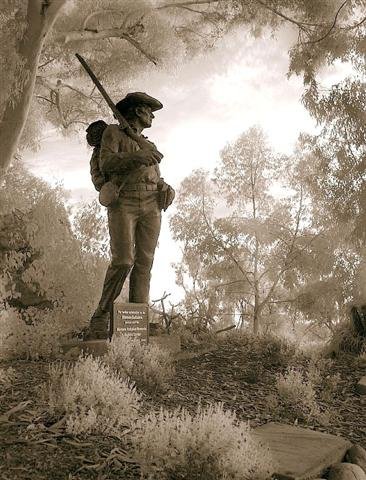



What the Presidio of San Diego Is
Set atop Presidio Hill, the Presidio of San Diego is California’s first permanent European settlement and a landmark in the state’s multicultural history. The site reflects centuries of cultural interaction, from the ancestral Kumeyaay people, who stewarded the land for millennia, to Spanish colonizers, followed by Mexican and American influences.
Today, visitors can explore archaeological remnants, historic monuments, and the Junípero Serra Museum, with exhibitions on Indigenous heritage, Spanish colonial history, and the region’s changing cultural landscape. Presidio Park also has gardens, recreational trails, and scenic overlooks of the San Diego River Valley and Pacific Ocean.
History
Indigenous Heritage and Early Settlement
Long before European arrival, the Kumeyaay people thrived on Presidio Hill, using its resources for over 10,000 years (San Diego History & Heritage). Known as Cosoy, the area was chosen for its proximity to the river and bay, which provided vital resources for settlement. Archaeological evidence and ongoing recognition highlight the Kumeyaay as the original stewards of the land.
Spanish Colonial Legacy
In 1769, Gaspar de Portolà and Father Junípero Serra established El Presidio Real de San Diego, the first permanent European outpost in California (Presidio SD). The adjacent Mission San Diego de Alcalá marked the beginning of the California mission system and brought transformative changes to local society.
The Presidio was designed as a fortified military outpost within a network of presidios along the California coast (Tourist Secrets). Built primarily from adobe, it included defensive walls, a chapel, commandant’s quarters, stables, and living quarters for soldiers and their families (Presidio SD). Its military and religious roles were intertwined: Franciscan friars, including Junípero Serra, led efforts to convert Indigenous populations while extending Spanish territorial claims.
Mexican and American Rule
After Mexico gained independence from Spain in 1821, the Presidio’s military role diminished. The site was gradually abandoned as residents moved downhill (San Diego History & Heritage). The Treaty of Guadalupe Hidalgo in 1848 brought California under U.S. control. Development shifted toward the waterfront, laying the foundation for modern San Diego.
Archaeology, Cultural Interactions, and Lasting Significance
The original adobe buildings are no longer visible above ground, but the site remains a focus of archaeological research (Presidio SD). Excavations have revealed remnants of the chapel and other structures. The Junípero Serra Museum, built in 1929 in Mission Revival style, houses exhibits on the area’s Indigenous, Spanish, Mexican, and American periods (San Diego History & Heritage).
Spanish, Indigenous, Mexican, and later American influences converged at the Presidio, shaping architectural styles, agricultural practices, and religious customs. The legacy of these interactions can also be seen in Old Town San Diego’s preserved adobe homes and Victorian mansions (San Diego History & Heritage).
San Diego’s Presidio was the first Spanish presidio on the West Coast and was part of a broader network that included San Antonio, Santa Barbara, and San Francisco (Tourist Secrets). Its preserved remains and interpretive exhibits make it one of the most informative sites for exploring Spanish colonial history in North America. Recognized as a California Historical Landmark and listed on the National Register of Historic Places, the Presidio symbolizes California’s transformation from Indigenous homeland to Spanish colony, Mexican territory, and eventually an American state (Tourist Secrets).
Presidio Park is protected under local, state, and federal regulations, helping preserve California’s first European settlement and the heritage of the Kumeyaay people (San Diego County Cultural Resources). It continues to serve as an educational resource and a place for reflection, community events, and cultural celebrations (San Diego History & Heritage). Collaborations with Indigenous communities and historians aim to present a more inclusive narrative that honors all groups who shaped the region.
What to See and Do
Historic Landmarks
- Junípero Serra Museum Exhibits cover Kumeyaay heritage, colonization, and early San Diego (San Diego County Cultural Resources).
- Padre Cross Erected in 1913 to honor Franciscan friars, it marks the original chapel site.
- Archaeological sites Outlines and plaques mark the original fortifications, and key finds are displayed in the museum.
Scenery and Recreation
- Panoramic vistas Presidio Park and the Serra Museum tower offer views of San Diego, Old Town, the river valley, and the ocean.
- Gardens Landscaped with native and Mediterranean plants, the gardens have tranquil walking paths.
- Trails Paved and unpaved paths accommodate different fitness levels and have interpretive signage.
- Picnic areas Tables and grills are distributed throughout the park, with lawns for gatherings.
- Event spaces The park is popular for weddings and community events, especially the museum terrace.
Practical Visiting Information
Hours, Admission, and Parking
- Presidio Park Listed as open daily from 7:00 AM to 9:00 PM (San Diego Parks & Recreation).
- Junípero Serra Museum Typically open Wednesday through Sunday, 11:00 AM to 4:00 PM. Admission is listed as free, with donations appreciated (San Diego History Center).
- Parking Free parking is available in park lots, but spaces may be limited on weekends.
- Facilities Restrooms, drinking fountains, and shaded seating are available.
Accessibility and Transportation
The park and museum are wheelchair accessible, with paved paths, accessible restrooms, and accessible parking. The Old Town Transit Center provides nearby trolley and bus access, and public transport is available from Old Town (San Diego Travel Guide).
Tours, Events, and Educational Programs
Guided tours are periodically available through the San Diego History Center and local historical societies. Tours cover the Presidio’s history, archaeological discoveries, and cultural significance. The Serra Museum and San Diego History Center also offer guided tours and school programs focusing on different aspects of the park’s past (San Diego History Center).
The park hosts living history demonstrations, reenactments, Founders’ Day, and Kumeyaay cultural celebrations. Check the San Diego History Center website and the Old Town San Diego State Historic Park events calendar for current schedules.
For the latest information on hours, tickets, events, and tours, consult the Presidio San Diego website and the San Diego History Center. The San Diego Parks & Recreation page is another official resource.
Tips for a Memorable Visit
- Wear comfortable shoes for the hilly terrain.
- Bring water and sun protection.
- Visit at sunrise or sunset for photography.
- Check event and museum schedules on the San Diego History Center website.
- Combine the visit with nearby attractions for a fuller historical experience.
Nearby Places
- Old Town San Diego State Historic Park Just downhill, with preserved 19th-century buildings, museums, and restaurants (The Broke Backpacker).
- Mission San Diego de Alcalá Offers further insight into the region’s mission history.
- San Diego River Trail Provides nearby walking and biking opportunities.
Frequently Asked Questions (FAQ)
Q: What are the park hours?
A: The park is listed as open daily from 7:00 AM to 9:00 PM; another listing gives the hours as sunrise to sunset.
Q: Is there an admission fee for the park or museum?
A: Park admission is free. The museum is listed as free, with donations appreciated, and elsewhere as having a modest entrance fee; check online for current details.
Q: Are guided tours available?
A: Yes. Tours are offered by the museum and San Diego History Center. Check their websites for times and pricing.
Q: Is the park wheelchair accessible?
A: Yes, with accessible paths and facilities.
Q: Where can I park?
A: Free parking is available in multiple lots, and public transport options are nearby.