

What Old Town San Diego is
Known as the “Birthplace of California,” Old Town San Diego is a living museum celebrating the region’s Kumeyaay roots, Spanish and Mexican heritage, and American statehood. Preserved adobe buildings, interactive museums, cultural events, artisan shops, and Mexican restaurants bring together history and contemporary culture. The district has public-transit connections, parking, and wheelchair-friendly pathways (Old Town San Diego Guide; San Diego Explorer; California State Parks).
History
Indigenous roots and early encounters
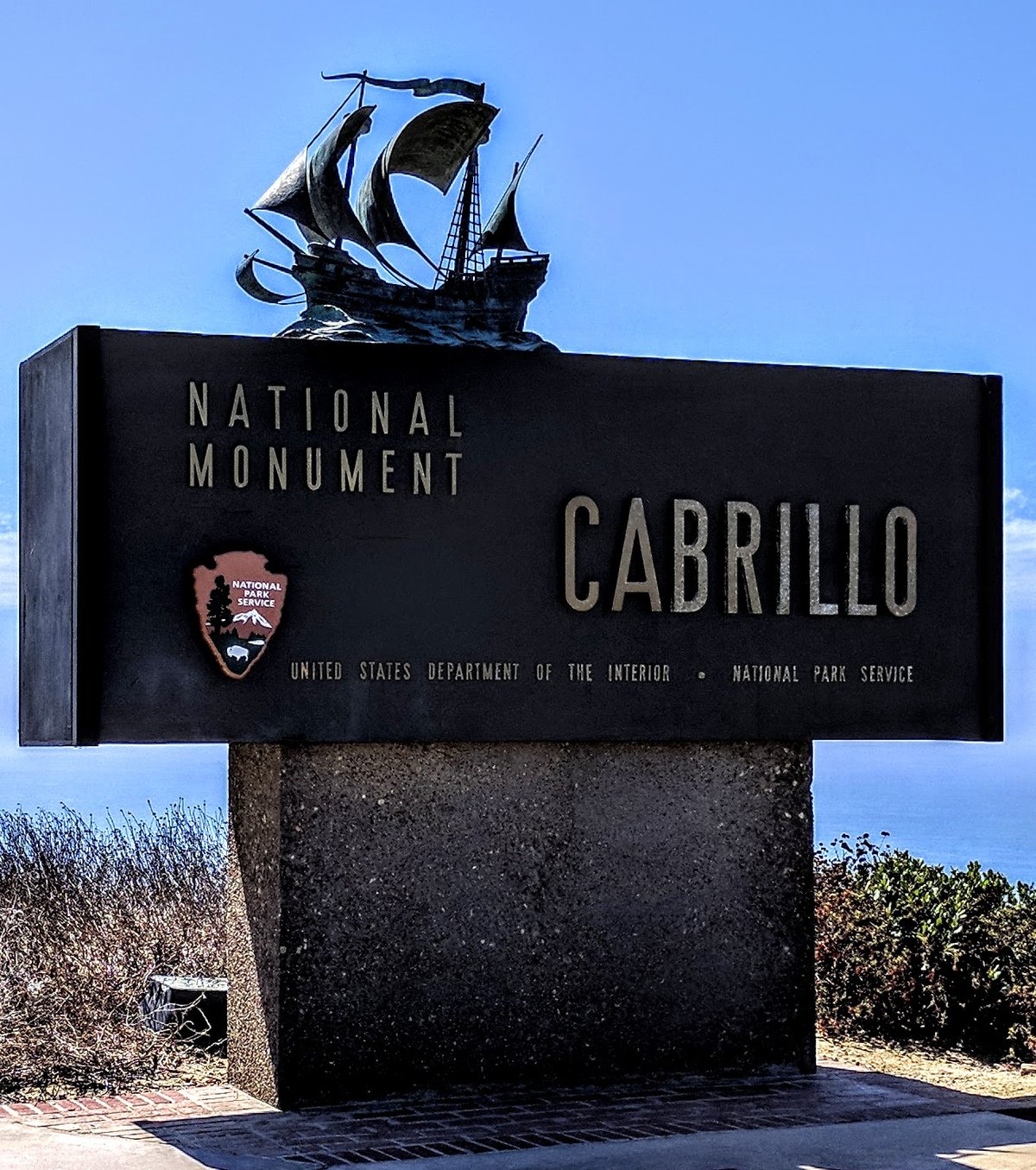
The Kumeyaay inhabited the area for more than 10,000 years, establishing villages such as Kosa’aay (Cosoy). They were skilled horticulturists, engineers, and hunters who managed the region’s diverse environments. European contact began in 1542 with Juan Rodríguez Cabrillo; permanent settlement came centuries later (Old Town San Diego Guide; San Diego Explorer; Go Visit San Diego).
Spanish colonial era
Spanish colonization took root in 1769 with the establishment of Mission San Diego de Alcalá and the Presidio of San Diego. They became the nucleus of California’s first permanent European settlement. Spanish religious, agricultural, and social systems transformed local life, affecting Indigenous populations and introducing new architectural styles (Go Visit San Diego; La Jolla Mom; Brendan Calling).
Mexican period
After Mexico gained independence in 1821, the area developed into a pueblo and ranching center. Land grants supported a thriving Californio community. Adobe buildings from this period, including Casa de Estudillo, still stand, and Spanish and Indigenous influences shaped the region’s distinctive architecture (Brendan Calling; Old Town Market San Diego).
American era and preservation
Following the Mexican-American War, San Diego became part of the United States in 1848 and was designated a city in 1850. Old Town briefly flourished as the county seat and a commercial hub, with landmarks such as the Whaley House and Historic Plaza reflecting its prosperity. Development shifted downtown in the late 19th century, and Old Town’s prominence waned (Go Visit San Diego; Whaley House San Diego).
Preservation efforts led to the creation of Old Town San Diego State Historic Park in 1968. Today, restored buildings, museums, and living-history demonstrations celebrate the area’s diverse past. Annual events, including Día de los Muertos and traditional Mexican fiestas, highlight its multicultural identity (San Diego Explorer; La Jolla Mom; She Saves She Travels; Whaley House San Diego).
What to see
Old Town San Diego State Historic Park
The park recreates the city’s 1821–1872 era and contains more than 25 historic buildings, museums, shops, restored adobes, and the central Plaza de las Armas, also referred to as the Historic Plaza. Entry is free, though some museums may charge a fee (California State Parks; Exp1; Trafalgar).
Presidio Park and Junípero Serra Museum
Presidio Park is the site of the original Spanish presidio and mission and is home to the Junípero Serra Museum. It is listed as open daily from 10:00 AM to 5:00 PM, with free admission.
La Casa de Estudillo
This 1827 adobe mansion is an architectural landmark.
Whaley House Museum
Built in 1857, this Greek Revival house is known for its haunted history and served as a courthouse and theater. Guided tours are available daily. Admission is $12 for adults, $10 for seniors and military, and $8 for children ages 6–17 (Whaley House San Diego; SandieGoing).
El Campo Santo Cemetery
This historic burial ground dates to 1849 and is associated with early San Diegans and local lore (Say Hey San Diego).
Heritage County Park
Heritage County Park features restored Victorian homes, ocean views, interactive exhibits, and family-friendly spaces. It is listed as open daily from 10:00 AM to 4:00 PM, with free admission (San Diego Explorer; Heritage County Park).
Fiesta de Reyes
This festive plaza has live mariachi, folklórico dancing, Mexican restaurants, and artisan shops (Fiesta de Reyes; Trafalgar).
Trolley tours and other activities
Old Town Trolley Tours offer hop-on, hop-off service connecting Old Town with major city attractions. Guides provide historical commentary (Old Town Trolley Tours; La Jolla Mom).
The Visitor Center offers free self-guided brochures. Paid historical, ghost, and culinary tours are also available; some can be booked online. Family activities include living-history demonstrations, interactive exhibits, picnic areas, and geocaching. Photo spots include the Historic Plaza, Presidio Hill, adobe buildings, Whaley House, Robinson-Rose House, and festive markets.
Practical visiting information
Hours, tickets, and fees
- Old Town San Diego State Historic Park Daily, 10:00 AM–5:00 PM (California State Parks).
- Museums Generally 10:00 AM–4:00 PM from October through April and 10:00 AM–5:00 PM from May through September.
- Holiday closures Thanksgiving, Christmas, and New Year’s Day (Old Town Market San Diego).
- Admission State Historic Park entry is free. Museum admission is described as free, though some museums may charge a small fee. Some attractions and guided tours require tickets; Whaley House charges the listed admission fees.
- Most sites are listed as open daily from 10:00 AM to 5:00 PM, but hours can vary on holidays and by site.
Getting there and getting around
- Address 4002 Wallace St, San Diego, CA 92110 (California State Parks).
- Public transit Old Town Transit Center connects to the San Diego Trolley Green Line and multiple bus routes (Old Town Market San Diego).
- Parking Free lots include 4015 Twiggs St, 2750 Juan St, and 4451 Pacific Hwy. Metered and other street parking are also available; check time limits (Trolley Tours Parking Guide).
- Walking The district is pedestrian-friendly.
Accessibility and facilities
Wheelchair-accessible walkways, ramps, and designated parking are available, and most areas are wheelchair accessible. The Robinson-Rose Visitor Center provides detailed accessibility information. Facilities include restrooms, ATMs, a visitor center, and limited Wi-Fi.
Dining and shopping
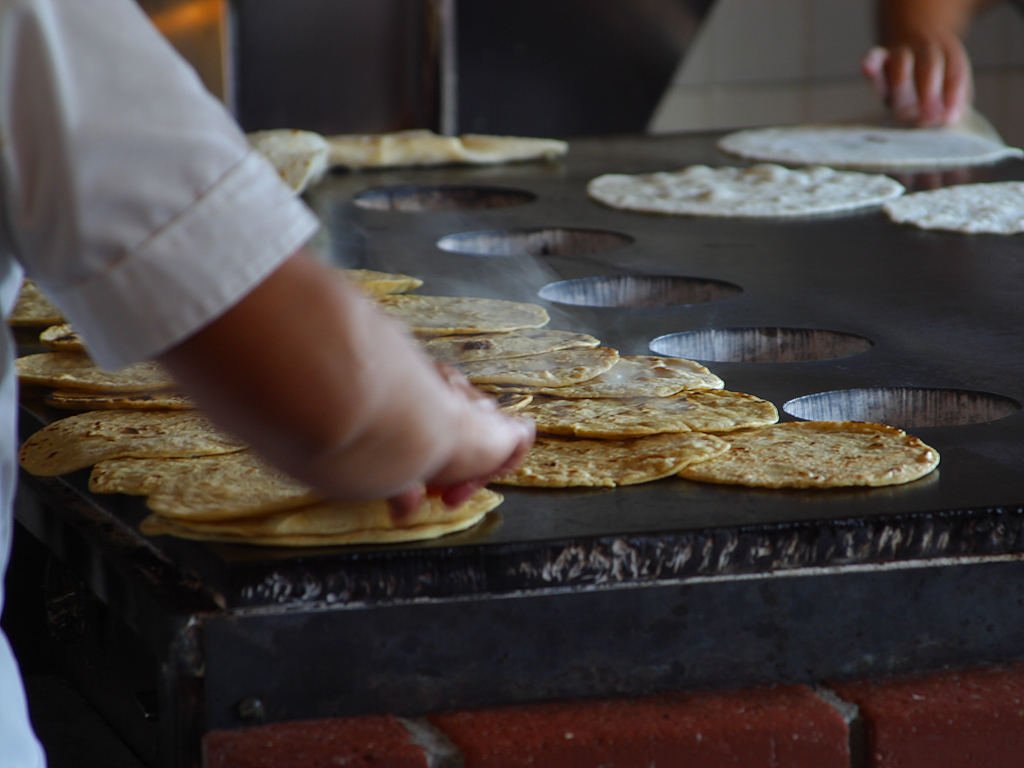
Restaurants include Old Town Mexican Café, Café Coyote, and Casa Guadalajara, known for handmade tortillas and traditional dishes (La Jolla Mom). Shopping includes Old Town Market Place, Bazaar del Mundo, Toby’s Candle Shop, Cousin’s Candy Shop, and Johnson House (San Diego.org).
Tips
- Visit on a weekday, in the morning, or early in the day for fewer crowds. Annual events are festive but busy.
- Weekends and festivals can be busy at restaurants; reservations are recommended.
- The weather is pleasant year-round, and spring and fall are cited as ideal times to visit (Touropia). Be aware of “May Gray” and “June Gloom” (Grrrl Traveler).
- Leashed dogs are allowed outdoors; some shops and patios are pet-friendly (California State Parks).
Nearby places
Nearby attractions include Balboa Park, the San Diego Zoo, and waterfront districts.
Frequently Asked Questions (FAQ)
Q: What are Old Town San Diego’s visiting hours?
A: Most sites are open daily from 10:00 AM to 5:00 PM. Museum hours may instead be 10:00 AM–4:00 PM from October through April and 10:00 AM–5:00 PM from May through September. Check individual sites for variations and holiday closures.
Q: How much do tickets cost?
A: Admission to the State Historic Park is free. Some museums and attractions charge fees. Whaley House admission is $12 for adults, $10 for seniors and military, and $8 for children ages 6–17.
Q: Are guided tours available?
A: Yes. Free self-guided brochures are available at the Visitor Center, and paid historical, ghost, culinary, and trolley tours are available.
Q: Is Old Town San Diego accessible for people with disabilities?
A: Most areas are wheelchair accessible, with accessible walkways, ramps, and designated parking. The Robinson-Rose Visitor Center provides detailed information.
Q: Can I bring my dog?
A: Leashed dogs are welcome in outdoor spaces. Some shops and patios are pet-friendly.