Plan and listen to John Muir College with Audiala.
Audio guide in your pocket, itinerary in your browser. Built for the way you actually visit.
Introduction: The Legacy of John Muir College at UC San Diego
John Muir College, located within the expansive University of California, San Diego (UCSD) campus, stands as a tribute to John Muir—the pioneering naturalist and conservationist whose dedication to preserving America’s wild lands helped shape environmentalism in the United States. Since its founding in 1967, Muir College has served as a hub for environmental stewardship, innovative architecture, and a progressive educational philosophy, all deeply rooted in the values that defined its namesake (UCSD Catalog; Wikipedia).
Visitors to John Muir College are welcomed year-round to explore a campus that blends striking modernist and brutalist architecture, vibrant student traditions, and an ongoing commitment to sustainability and social justice. Whether you are a prospective student, an architecture enthusiast, or a visitor interested in San Diego’s cultural and historical sites, this comprehensive guide will help you navigate the rich experiences and visitor opportunities that John Muir College and the greater UCSD campus have to offer.
Founding and Early Development
John Muir College was established in 1967 as UC San Diego’s second undergraduate college, at a time of social transformation and a growing environmental movement in the United States (UCSD Catalog). Named after John Muir (1838–1914), the college was envisioned as a place where the ideals of environmental stewardship, personal agency, and community engagement would be central to the student experience (Wikipedia). Originally known as "Second College," it adopted the Muir name in honor of the naturalist’s enduring impact.
Architectural Significance and Campus Design
The college’s architecture is a hallmark of mid-century modernism and brutalism. Tioga and Tenaya Halls—designed by Dale Naegle—feature strong geometric forms and exposed concrete, harmonizing with the college’s lush eucalyptus groves (Modern San Diego). The Mandeville Arts Center, crafted by A. Quincy Jones, stands as a cultural beacon, hosting exhibitions and performances (Designboom). These spaces foster a sense of community while reflecting a commitment to artistic and environmental integration.
Educational Philosophy and Legacy
John Muir College upholds the motto “Celebrating the Independent Spirit,” emphasizing personal responsibility, intellectual freedom, and interdisciplinary learning (Muir College Official Site). Its general education requirements are designed to be flexible, empowering students to shape their academic journeys. Signature programs like the Muir Special Project encourage students to pursue self-directed research, and the curriculum consistently integrates themes of environmental advocacy and social responsibility (UCSD Catalog).
Social and Cultural Impact
The college’s culture is defined by inclusivity and vibrant tradition. Housing options support LGBTQIA+ students and celebrate diversity among Indigenous, Black, and Latinx populations (Wikipedia). Annual events like the "primal scream" and the famed watermelon drop from Urey Hall add to Muir’s unique community spirit (AdmitSee). Its proximity to campus landmarks such as the Sun God statue and Black’s Beach further enhances the visitor and student experience.
Historical Context and Ongoing Dialogue
While honoring John Muir’s environmental achievements, the college also grapples with the complexities of his legacy, particularly regarding his views on race and Indigenous peoples (Sierra Club Statement). Through campus programming and land acknowledgments, Muir College fosters dialogue that centers social justice and respectful engagement with the Kumeyaay Nation, on whose land the college resides (Muir College Land Acknowledgment).
Visitor Information
Visiting Hours and Access
John Muir College, as part of the UC San Diego campus, is open to visitors year-round, generally from 7:00 AM to 10:00 PM. There is no admission fee or ticket required to explore public spaces and outdoor areas. Certain facilities may have restricted access during academic or residential hours.
Campus Tours
UC San Diego offers both guided and self-guided campus tours that include highlights of John Muir College. Guided Triton Tours can be booked online through the UCSD Admissions Office. Self-guided maps and virtual tours are also available for independent exploration.
Accessibility
The campus is designed with accessibility in mind, featuring ramps, elevators, paved pathways, and accessible restrooms (UCSD Disability Services). Visitors with specific needs are encouraged to contact Disability Services in advance.
Transportation and Parking
John Muir College is located in the heart of the UC San Diego campus in La Jolla. The college is accessible via public transportation, campus shuttles, and personal vehicles. Visitor parking is available in designated campus lots; parking regulations and fees should be checked ahead of your visit.
Nearby Attractions
Enhance your campus experience by exploring nearby UC San Diego landmarks such as Geisel Library, the Stuart Collection of outdoor art, Black’s Beach, and the Salk Institute (Modern San Diego).
Notable Features and Visitor Experience
- Muir Quad: The central green space with shade from mature pines, ideal for relaxation and events.
- Tioga and Tenaya Halls: Tall, iconic brutalist residence halls with panoramic Pacific views.
- Mandeville Arts Center: Hub for cultural programming and art exhibitions.
- Sun God Statue: Renowned Stuart Collection sculpture and symbol of campus spirit.
- Dining Options: The Pines Dining Commons, Mom’s Café, and John’s Market welcome visitors for meals and refreshments.
- Community Garden: “Half Dome Meadows” for hands-on sustainability learning.
- The Anchor: A student-painted symbol of community and celebration.
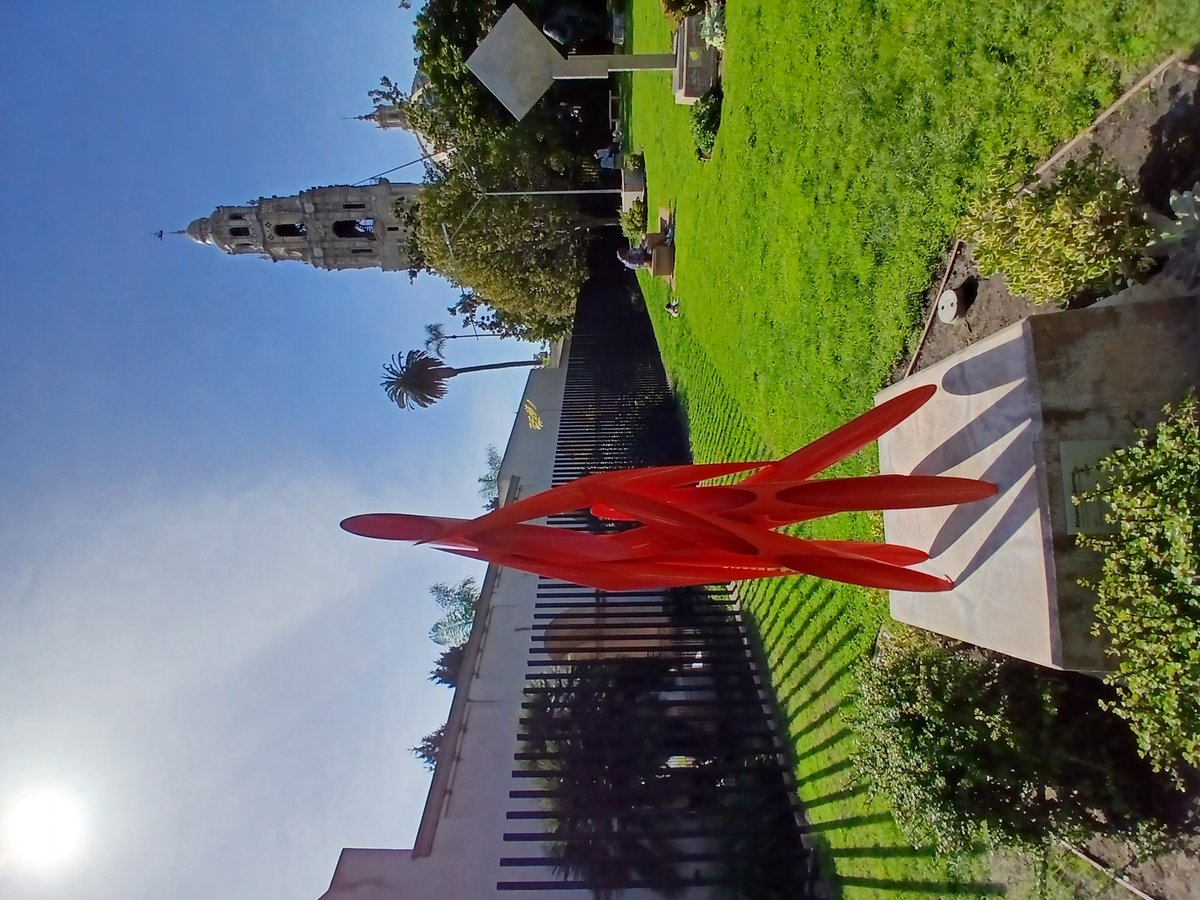
- Art Installations: “Sun God” by Niki de Saint Phalle and “Green Table” by Jenny Holzer.
Image suggestions include aerial views of the college, close-ups of Tioga Hall and the Sun God statue, and the solar-powered tables at Mom’s Café.
Environmental Justice, Sustainability, and Visitor Engagement
Environmental Studies Program
John Muir College’s Environmental Studies Program is a leader in interdisciplinary education, connecting ecology, policy, and social justice (UCSD Environmental Studies). Students engage in hands-on research, internships, and global study opportunities.
Student Organizations and Grassroots Action
- UCSD Environmental Club: Drives campus sustainability education and projects.
- Sustainability Coalition: Focuses on advocacy and environmental justice.
- Muir Environmental Corps (MEC): Organizes cleanups, recycling, and publishes the The Tramp newsletter (Sierra Club John Muir Exhibit).
Community Engagement and Social Responsibility
Through the UCSD Community Service Program, students participate in courses and internships that integrate sustainability and service.
Recognition and Awards
Each April, the college celebrates John Muir’s birthday by honoring Muir Environmental Fellows—faculty, staff, or alumni recognized for their contributions to sustainability (Sierra Club John Muir Exhibit).
Addressing John Muir’s Legacy and Indigenous Land Acknowledgement
Muir College acknowledges its location on Kumeyaay land and actively supports Indigenous perspectives through art, events, and educational initiatives (Muir College and the Environment).
Campus Sustainability Practices
- Solar-Powered Tables: Allow device charging at Mom’s Café using renewable energy (UCSD Sustainability).
- Community Gardens: “Half Dome Meadows” for sustainable agriculture.
- Recycling and Waste Reduction: Led by student organizations.
- Awards: UCSD has received national recognition for campus sustainability efforts (Sierra Club John Muir Exhibit).
Signature Events and Cultural Engagement
- Muirstock Festival: Annual celebration with music, outdoor activities, and sustainability exhibits.
- John Muir Week: Events and workshops dedicated to environmental education and advocacy.
Study Abroad and Global Engagement
Muir College supports study abroad in countries such as Australia, Brazil, and China, focusing on global dimensions of sustainability (UCSD Study Abroad).
Intersectionality and Future Directions
The college’s curriculum and community engagement recognize the intersection of climate justice with issues of race, gender, sexuality, and citizenship (Muir College and the Environment).
Frequently Asked Questions (FAQ)
Q: What are the visiting hours for John Muir College?
A: The college is generally open from 7:00 AM to 10:00 PM, with no admission fee required.
Q: Are guided tours available?
A: Yes, guided campus tours including John Muir College can be booked through the UCSD Admissions Office.
Q: Is the campus accessible for visitors with disabilities?
A: Yes, the campus provides ramps, elevators, and accessible restrooms. Contact UCSD Disability Services for specific needs.
Q: Where can I park when visiting John Muir College?
A: Visitor parking is available in designated UCSD lots; check the campus parking website for details.
Q: Can visitors participate in environmental activities?
A: Yes, guests are welcome at public events and may volunteer for sustainability initiatives organized by student groups.
Discover More
John Muir College at UC San Diego is more than just a residence or academic center—it’s a living example of environmental stewardship, social justice, and innovative education. Its distinct blend of modernist architecture, inclusive community, and ongoing engagement with sustainability and Indigenous acknowledgment make it a standout destination for visitors and students alike.
To make the most of your visit, plan ahead by booking a guided tour, exploring self-guided options, and checking the calendar for special events. Stay informed through UC San Diego’s official channels and consider downloading the Audiala app for interactive campus guides and updates.
Discover, learn, and be inspired at John Muir College—where honoring the past meets building a sustainable and inclusive future.
Listen to the full story in the app
The whole John Muir College,
told well.
Listen to sourced travel stories with local history and practical context — ready offline.

Verified, and shown.
Researched and written by the Audiala editorial team from historical records, architectural archives, and local expertise.
Built from cited sources · see the method · How we make our guides →