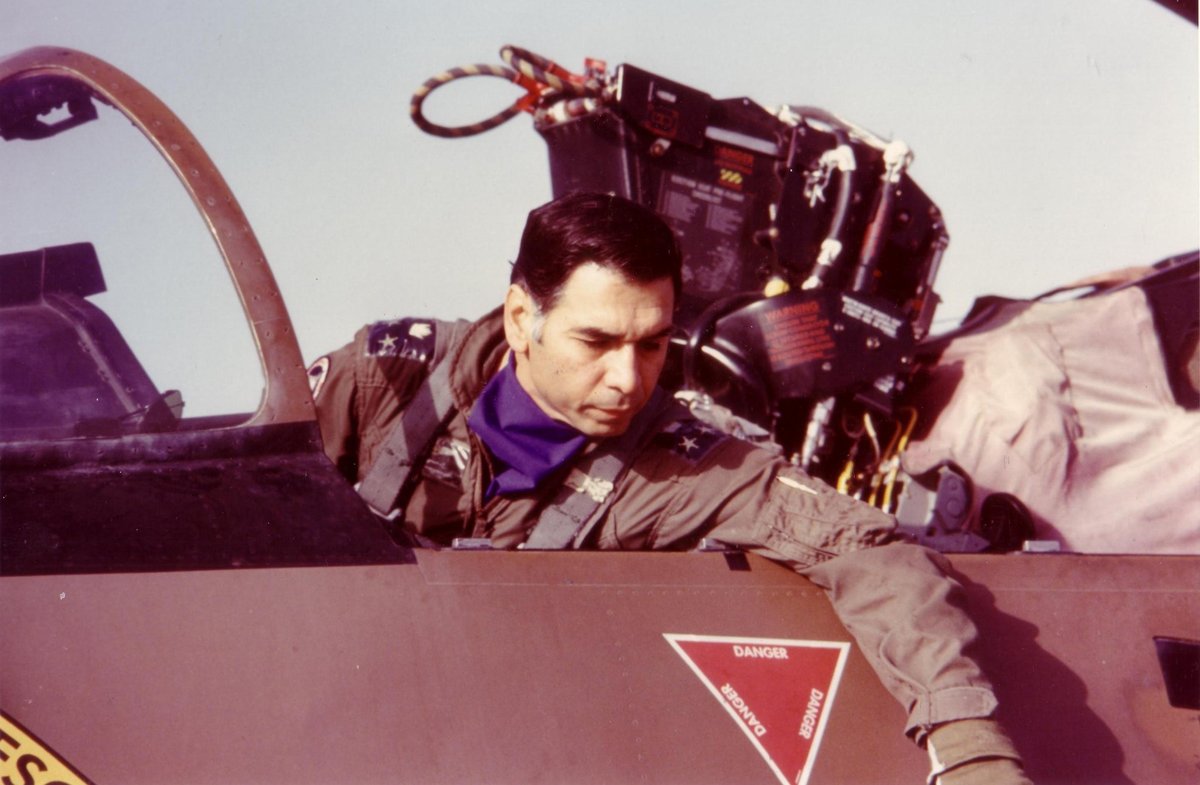



F-14 Tomcat Origins and Development
The F-14 Tomcat was developed in response to the U.S. Navy’s need for a next-generation fleet defense interceptor after the failure of the F-111B program. Launched under the VFX (Naval Fighter Experimental) program, the Grumman design was selected in 1968 and first flew on December 21, 1970 (fighter-aircraft.com). The Tomcat improved upon earlier designs, offering superior maneuverability, innovative avionics, and the ability to engage multiple targets at long range.
A distinctive feature of the F-14 was its variable-geometry, or "swing wing," design, which allowed the aircraft to adapt its aerodynamics for high-speed interception or controlled carrier landings. The prototype was initially powered by Pratt & Whitney TF30 engines, later replaced in upgraded models by General Electric F110 engines for better performance and reliability.
Technical Innovations and Capabilities
The F-14 Tomcat set new benchmarks in naval aviation technology:
- AWG-9 Radar System The Hughes AN/AWG-9 radar enabled simultaneous tracking of up to 24 targets and the ability to guide up to six AIM-54 Phoenix missiles, giving the F-14 unmatched beyond-visual-range (BVR) capabilities (fighter-aircraft.com).
- AIM-54 Phoenix Missile Exclusive to the Tomcat, this missile had a range exceeding 100 miles (160 km), specifically designed to counter high-speed aerial threats.
- Variable-Sweep Wings Wings could be swept between 20° and 68°, optimizing performance across a range of speeds and mission profiles.
- Digital Flight Controls Later models featured digital flight control systems, enhancing safety and agility.
The Tomcat’s arsenal also included the M61A1 Vulcan 20mm cannon, AIM-7 Sparrow, and AIM-9 Sidewinder missiles, making it versatile in both long-range and close-in combat.
Operational History and Global Service
U.S. Navy Service
The F-14A entered U.S. Navy service in 1974, replacing the F-4 Phantom II as the principal carrier-based interceptor. Its main role was to defend carrier battle groups during the Cold War, regularly intercepting Soviet aircraft and providing fleet security (fighter-aircraft.com).
Key Combat Engagements
- Gulf of Sidra Incidents (1981, 1989) F-14s achieved their first air-to-air victories against Libyan fighters, demonstrating their combat effectiveness (reviews.ipmsusa.org).
- Operation Desert Storm (1991) The F-14 provided air cover, fleet defense, and escorted strike groups, playing a crucial role in coalition operations.
- Transformation into “Bombcat” In the 1990s, the Tomcat was upgraded to deliver precision-guided munitions, expanding its mission profile to include ground-attack operations during campaigns in Bosnia and the Middle East.
International Service: Iran
Iran was the only foreign operator, acquiring 79 F-14s before the 1979 revolution. Iranian Tomcats saw extensive combat during the Iran-Iraq War and continue to be maintained through indigenous efforts despite embargoes (reviews.ipmsusa.org).
Variants and Upgrades
- F-14A Original production model with TF30 engines and AWG-9 radar.
- F-14A+/B Upgraded with General Electric F110 engines for improved reliability.
- F-14D Featured advanced avionics, glass cockpit, AN/APG-71 radar, and compatibility with modern weaponry (reviews.ipmsusa.org).
Experiencing the F-14 Tomcat at San Diego Venues
USS Midway Museum
Location: 910 N Harbor Dr, San Diego, CA 92101
Hours: Daily, 10:00 AM – 5:00 PM (last admission 4:00 PM). Hours may vary on holidays (USS Midway Museum Official Site).
Tickets: Adult admission is approximately $26, with discounts for seniors, youth, and military. Tickets can be purchased online or at the entrance.
Highlights
- F-14 Flight Deck Display Offers close-up views of the aircraft; interpretive signage and docents provide rich context.
- Accessibility Fully wheelchair accessible; elevators and ramps serve all major exhibit areas.
- Visitor Experience Engage with flight simulators, attend special events, and enjoy panoramic views of San Diego Bay.
- Nearby Attractions Maritime Museum of San Diego, Seaport Village, and the Gaslamp Quarter.
San Diego Air & Space Museum (SDASM)
Location: 2001 Pan American Plaza, Balboa Park, San Diego, CA
Hours: Daily, 10:00 AM – 5:00 PM (San Diego Air & Space Museum).
Tickets: General admission about $20 for adults, with discounts for seniors and children. The outdoor F-14 display is viewable without a ticket.
Highlights
- Restored F-14 Display Prominently positioned at the museum entrance, fully restored and featured in "Top Gun: Maverick" (SDASM Newsletter).
- Accessibility The site is wheelchair accessible, with ample parking in Balboa Park.
- Additional Exhibits Features other notable aircraft and extensive educational resources.
F-14 Tomcat Monument San Diego
Location: [Insert precise address or park name], San Diego, CA
Hours: Daily, 9:00 AM – 5:00 PM. Check official sources for special events or holiday variations.
Tickets: Free entry; guided tours may be offered during special events (F-14 Tomcat Association).
Highlights
- Monument Grounds Wheelchair accessible, with paved walkways and designated parking.
- Guided Tours Hosted by the F-14 Tomcat Association, featuring stories from veterans and historical panels.
- Photography Outdoor setting ideal for memorable photos, especially at sunrise or sunset.
Cultural Impact and Legacy
The F-14’s iconic status was cemented by its role in Top Gun, which spurred public interest and U.S. Navy recruitment (fighter-aircraft.com). Its unique design, performance, and historical achievements have made it a frequent subject in films, documentaries, video games, and collectibles. The F-14 Tomcat Association and related organizations continue to honor its legacy through education, outreach, and preservation.
Visitor Information: Hours, Tickets, and Accessibility
- USS Midway Museum Open daily, 10:00 AM – 5:00 PM. Adult tickets approx. $26; discounts available. Fully accessible.
- San Diego Air & Space Museum Open daily, 10:00 AM – 5:00 PM. Adult tickets approx. $20; outdoor F-14 is free to view.
- F-14 Tomcat Monument Open daily, 9:00 AM – 5:00 PM. Free admission; wheelchair accessible.
For all sites, check official websites for the latest updates, especially for holiday hours, special events, and COVID-19 protocols.
Nearby Historical Sites and Travel Tips
- Gillespie Field Annex Additional aircraft displays and workshops (Wikipedia).
- Naval Aviation Museum Features more naval aviation history and interactive exhibits.
- Balboa Park Offers a diverse array of museums, cultural venues, and gardens.
Travel Tips:
- Arrive early to avoid crowds, especially on weekends.
- Comfortable shoes and sun protection are recommended.
- Public transit and rideshare options are convenient; parking may be limited during special events.
Frequently Asked Questions (FAQ)
Q: Are tickets needed to see the F-14 Tomcat?
A: Outdoor displays at SDASM and the monument are free; museum admission is required for indoor exhibits.
Q: Are all sites wheelchair accessible?
A: Yes, all venues provide accessible paths, ramps, and parking.
Q: Can I take photos?
A: Photography is encouraged at all sites.
Q: Are guided tours available?
A: Yes, both museums offer guided or docent-led tours; the monument offers special tours through the F-14 Tomcat Association.
Q: What are the best times to visit?
A: Weekday mornings are typically less crowded.