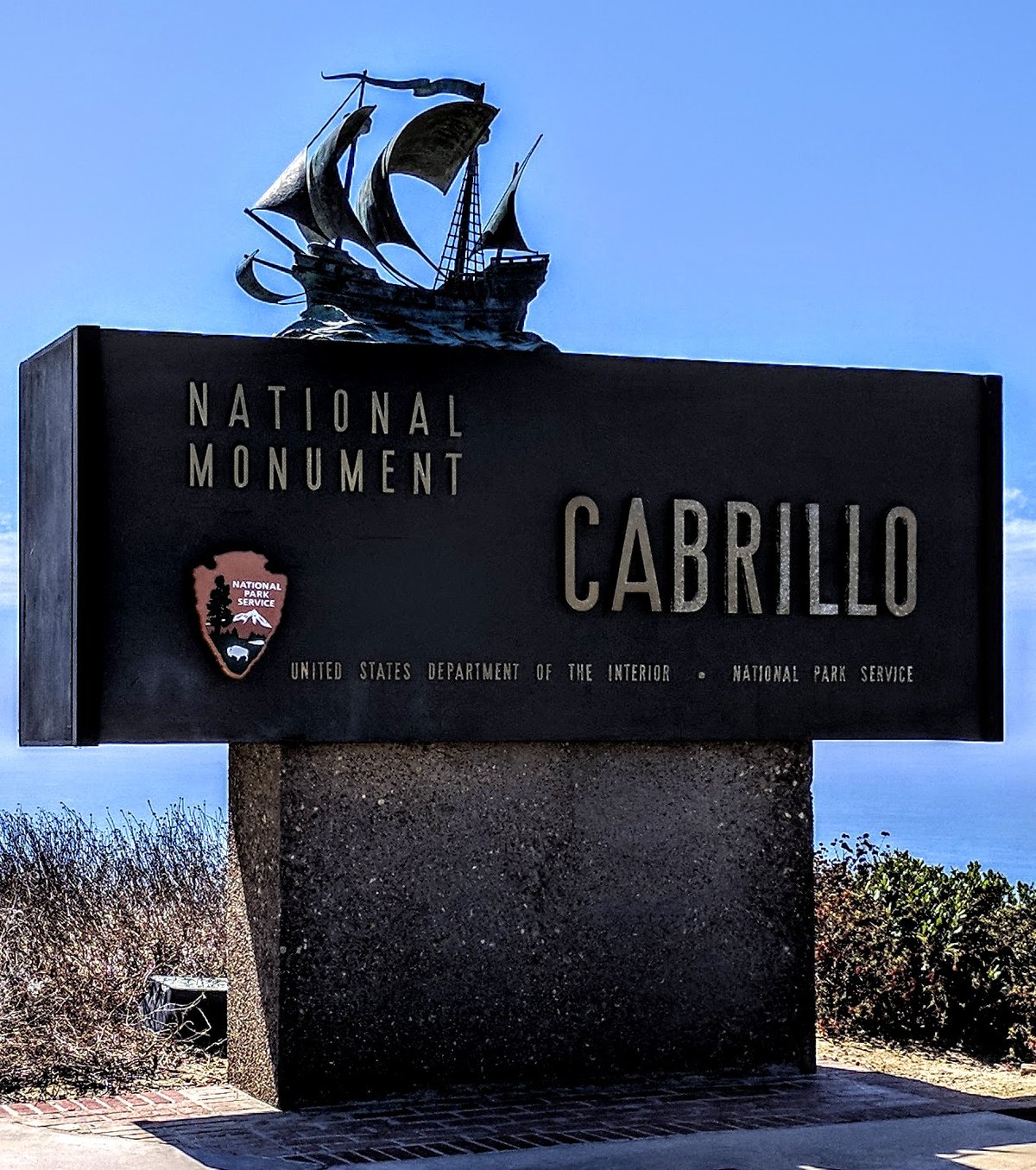
Plan and listen to Cabrillo National Monument with Audiala.
Audio guide in your pocket, itinerary in your browser. Built for the way you actually visit.
Introduction: The Legacy and Significance of Cabrillo National Monument
Situated at the southernmost tip of the Point Loma Peninsula, Cabrillo National Monument is a prominent symbol of California’s layered history, diverse natural beauty, and rich cultural legacy. The monument commemorates the historic 1542 landing of Juan Rodríguez Cabrillo, recognized as the first European to set foot on the West Coast of the present-day United States. This pivotal moment marked the beginning of centuries of exploration and cultural exchange, shaping the trajectory of California’s development.
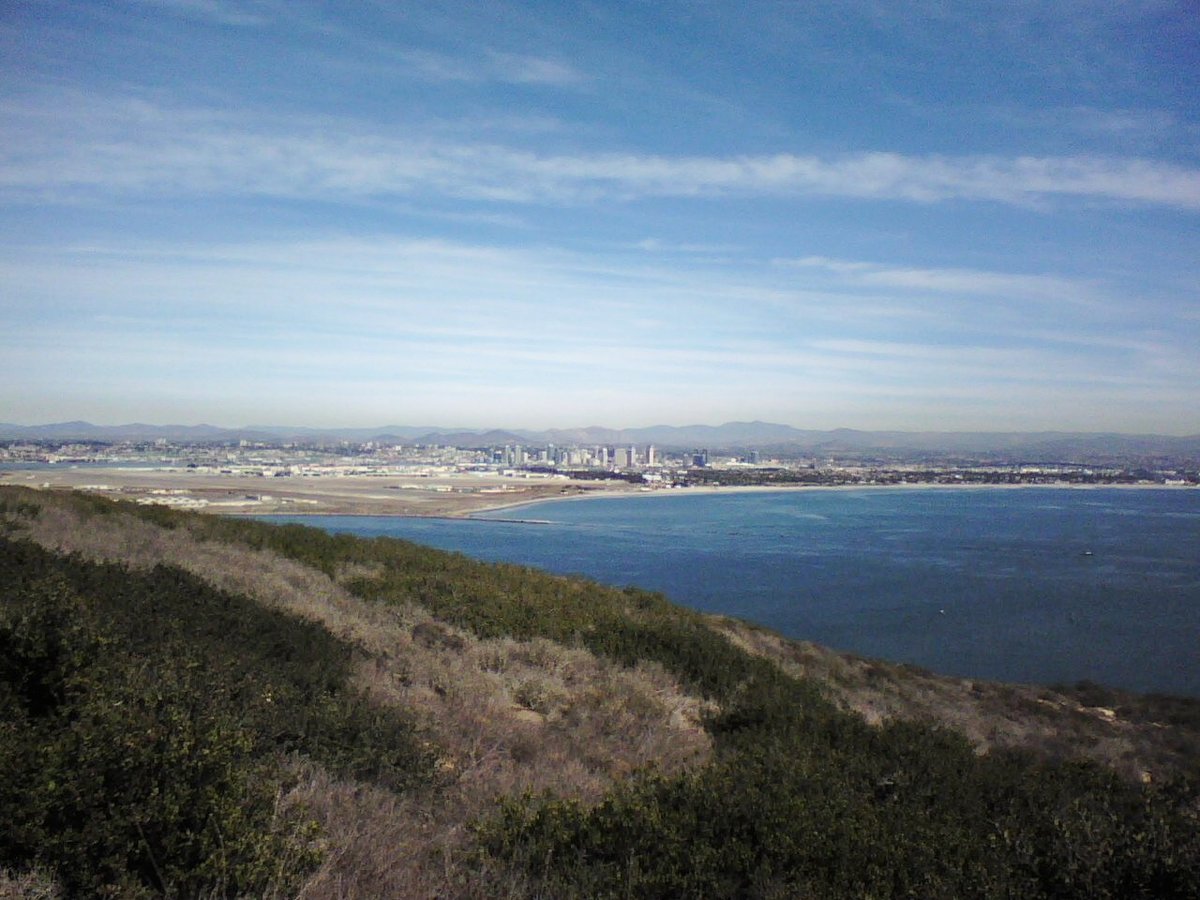
Beyond its historical importance, the monument offers sweeping views of San Diego Bay, the city skyline, and the Pacific Ocean. Highlights include the restored Old Point Loma Lighthouse, preserved tidepools teeming with marine life, and interpretive exhibits exploring early encounters between European explorers and the Indigenous Kumeyaay people. Throughout the year, cultural festivities such as the Cabrillo Festival bring history to life with reenactments and Indigenous performances, while visitors can engage in ranger-led programs, hiking, and wildlife observation.
This comprehensive guide details Cabrillo National Monument’s visiting hours, ticket prices, accessibility features, travel tips, and surrounding San Diego historical sites. Whether you are a history enthusiast, wildlife observer, or first-time visitor, use this resource to make your experience at Cabrillo both memorable and meaningful (NPS.gov; America’s Best History).





Early Encounters and the Age of Exploration
Cabrillo National Monument marks the site where, on September 28, 1542, Portuguese-born explorer Juan Rodríguez Cabrillo, sailing for Spain, became the first European to land on the West Coast of the United States at present-day San Diego Bay (NPS.gov; Wikipedia). This event initiated formal European contact with the region’s Indigenous peoples, notably the Kumeyaay.
Cabrillo’s expedition, which set sail from Navidad, Mexico, in June 1542, included the ships San Salvador, La Victoria, and San Miguel (America’s Best History). After three months, Cabrillo’s fleet reached San Diego Bay—described as “a very good enclosed port”—where they anchored near today’s Point Loma (American Heritage). Although Cabrillo’s stay lasted only six days, the encounter had lasting consequences, opening the door for subsequent Spanish exploration and colonization.
The Legacy of Juan Rodríguez Cabrillo
Born on the Iberian Peninsula, Cabrillo had a complex identity as a seasoned conquistador and mariner who played a role in the conquest of the Aztec Empire before leading his Pacific voyage (NPS.gov). His expedition likely sailed as far north as present-day Oregon, mapping much of the California coastline. Cabrillo died during the voyage, but his crew continued, providing the first European accounts of the region’s geography and Indigenous cultures (American Heritage).
While Cabrillo is celebrated as a pioneering explorer, his arrival marked the beginning of dramatic changes for the Kumeyaay and other Native peoples, setting the stage for the complex legacies of European colonization (Day in Hist).
Establishment and Evolution of the Monument
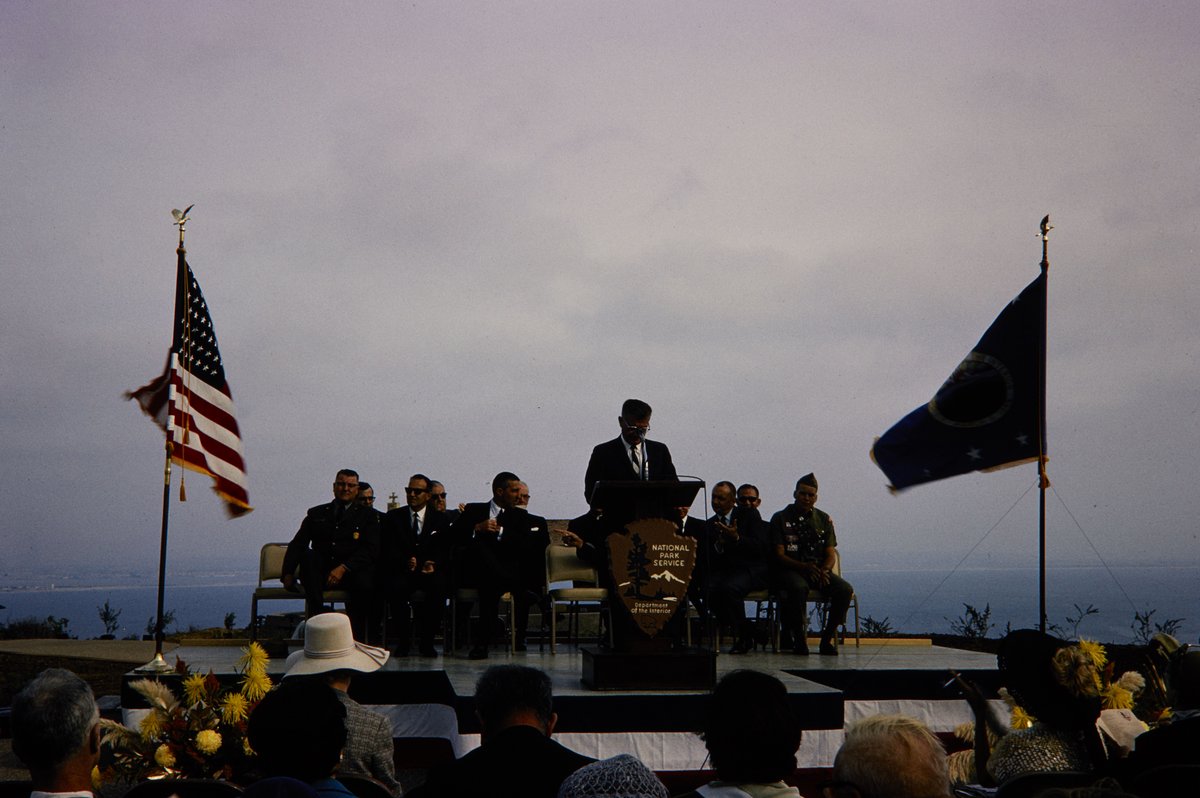
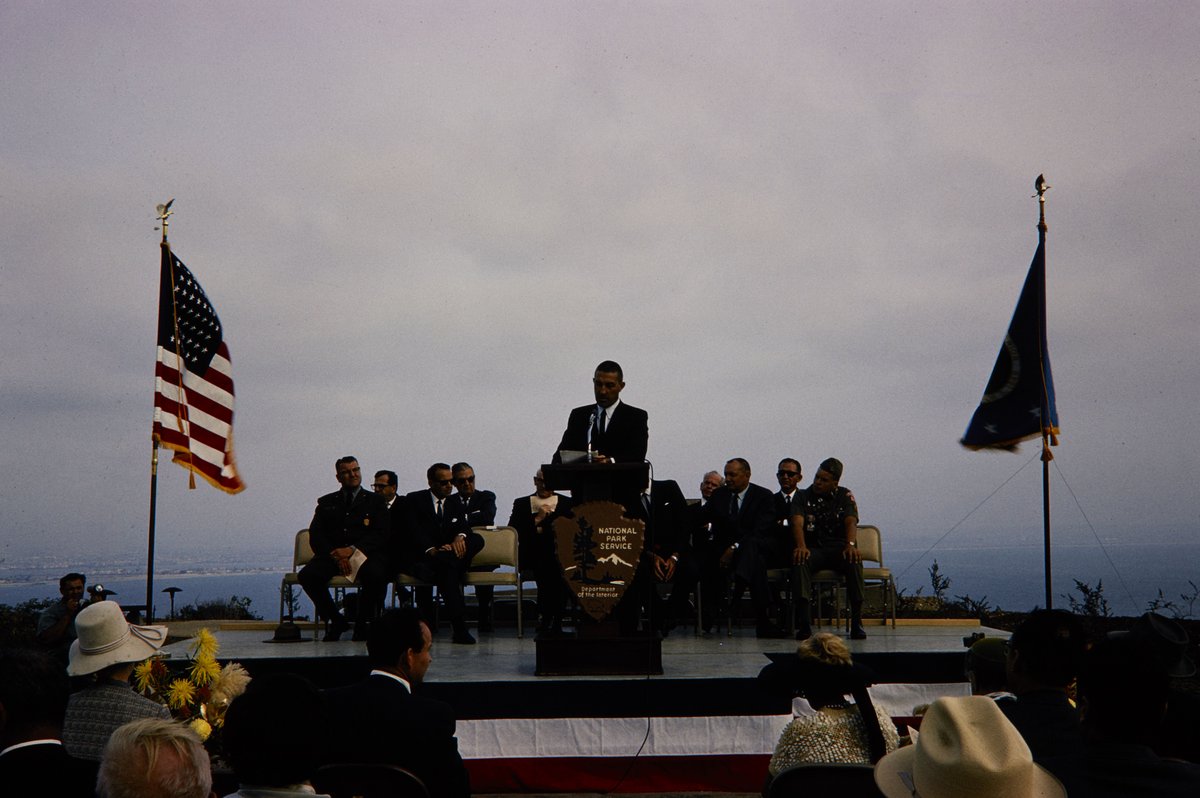
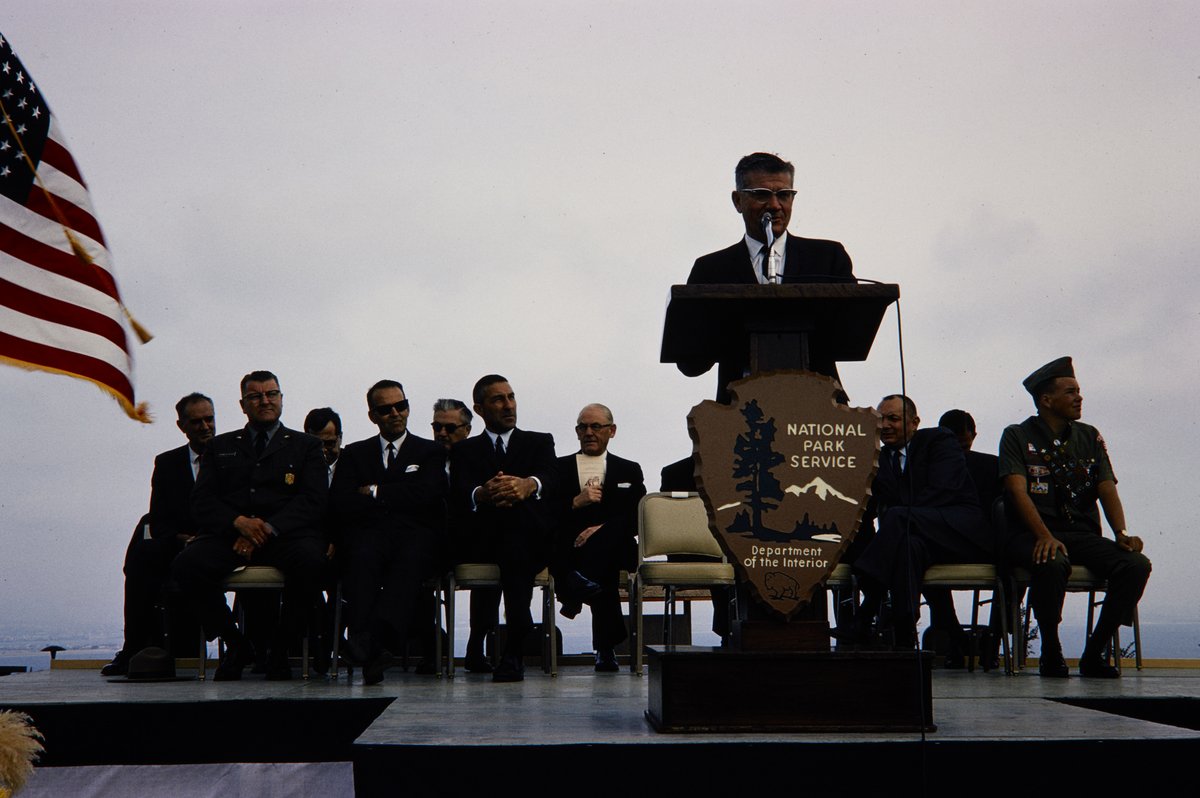
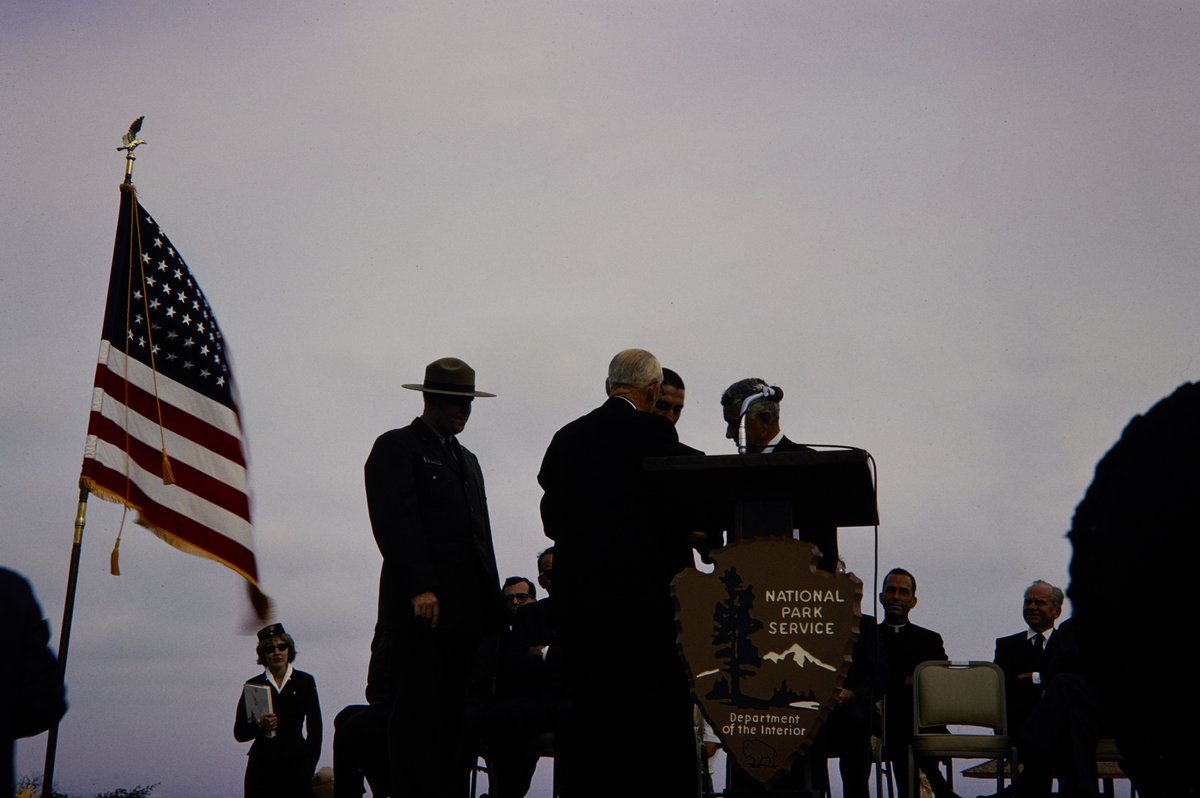
Cabrillo National Monument was officially established on October 14, 1913, by presidential proclamation, starting with just a half-acre reserved for a commemorative statue (Wikipedia). Over time, the monument expanded to 160 acres and now includes a variety of historical, cultural, and natural features (Holly Melody). It was designated as California Historical Landmark #56 in 1932 and listed on the National Register of Historic Places in 1966.
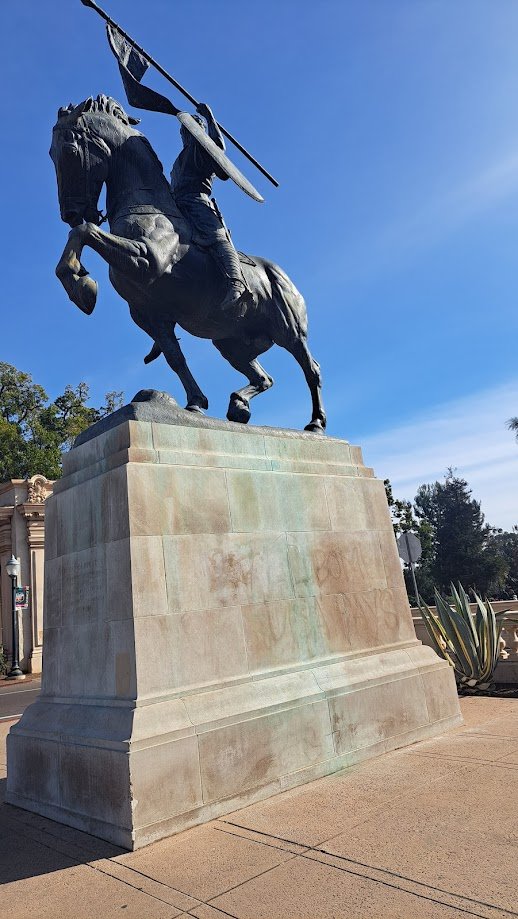
Early development efforts focused on erecting a statue to honor Cabrillo. In 1935, renovations improved visitor access, restored the Old Point Loma Lighthouse, and recognized Cabrillo's Portuguese heritage with a bronze plaque (Wikipedia).
Cultural Significance and Commemoration
Cabrillo National Monument is a focal point for understanding California’s multicultural history. It honors not only Cabrillo’s journey but also the Kumeyaay people, who inhabited the region for millennia before European arrival (NPS.gov). Educational programs and interpretive exhibits highlight both Indigenous heritage and the transformations following colonization (Go Visit San Diego).
The annual Cabrillo Festival Open House is a signature event, featuring a reenactment of Cabrillo’s landing, Kumeyaay, Portuguese, and Mexican cultural performances, historical encampments, and activities for children (Wikipedia). These events foster appreciation for the site’s layered history and encourage reflection on the complexities of exploration and cultural change.
Military and Navigational Heritage
The Old Point Loma Lighthouse, constructed in 1854 and operational until 1891, is a prominent feature symbolizing San Diego’s maritime and navigational history (Go Visit San Diego). It now serves as a museum, offering insight into 19th-century coastal life.
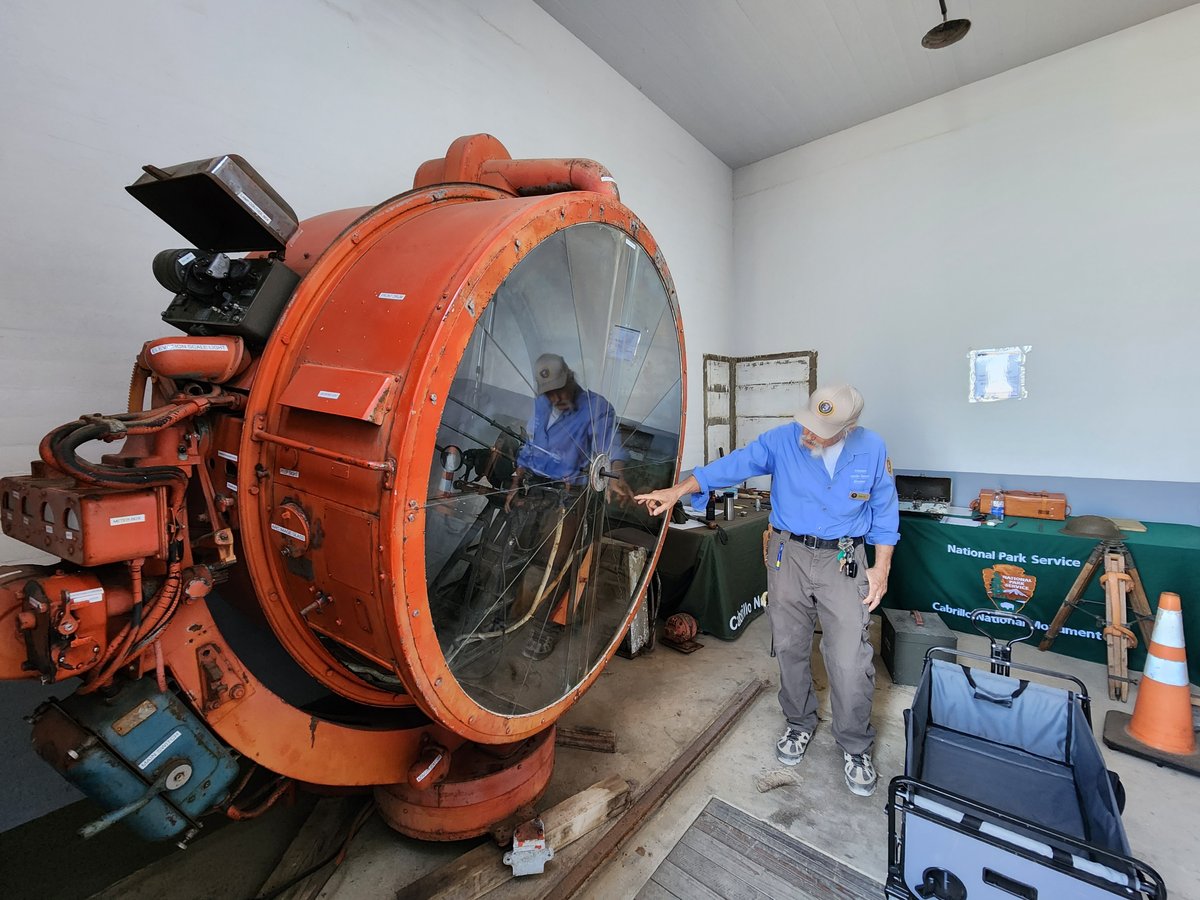
Point Loma’s strategic military significance is evident in its coastal defense installations, remnants of which—such as bunkers and gun batteries—can still be explored (Sandiego Museum Council). Interpretive panels and ranger talks provide historical context, especially relating to the World Wars.
Natural and Educational Value
Cabrillo National Monument’s 160 acres protect diverse habitats, including coastal sage scrub, chaparral, and rare Torrey pine trees (Holly Melody). The monument is also a sanctuary for over 200 bird species and a variety of marine life. The federally protected tidepools at the base of the cliffs are among the most vibrant in Southern California (Sandiego Museum Council).
Educational programs and the Visitor Center’s exhibits, films, and ranger-led talks provide context about the Kumeyaay, Cabrillo’s voyage, lighthouse history, and military significance (Go Visit San Diego; NPS.gov).
Geographic Setting and Landscape
Cabrillo National Monument covers approximately 160 acres at the southern tip of Point Loma (NPS). Its dramatic cliffs overlook the Pacific Ocean, San Diego Bay, and the city skyline. The park’s terrain includes rocky intertidal zones, coastal sage scrub, and chaparral habitats shaped by a Mediterranean climate (roadtrippingcalifornia.com).
Coastal Sage Scrub and Chaparral Ecosystems
The monument preserves one of Southern California’s last remnants of coastal sage scrub and chaparral, home to endangered plant communities and wildlife (NPS). Dominant species include California sagebrush, black sage, and California buckwheat, as well as chaparral plants like lemonade berry and toyon. The area supports the threatened California gnatcatcher and San Diego horned lizard, making conservation efforts here regionally significant.
Rocky Intertidal Zone (Tidepools)
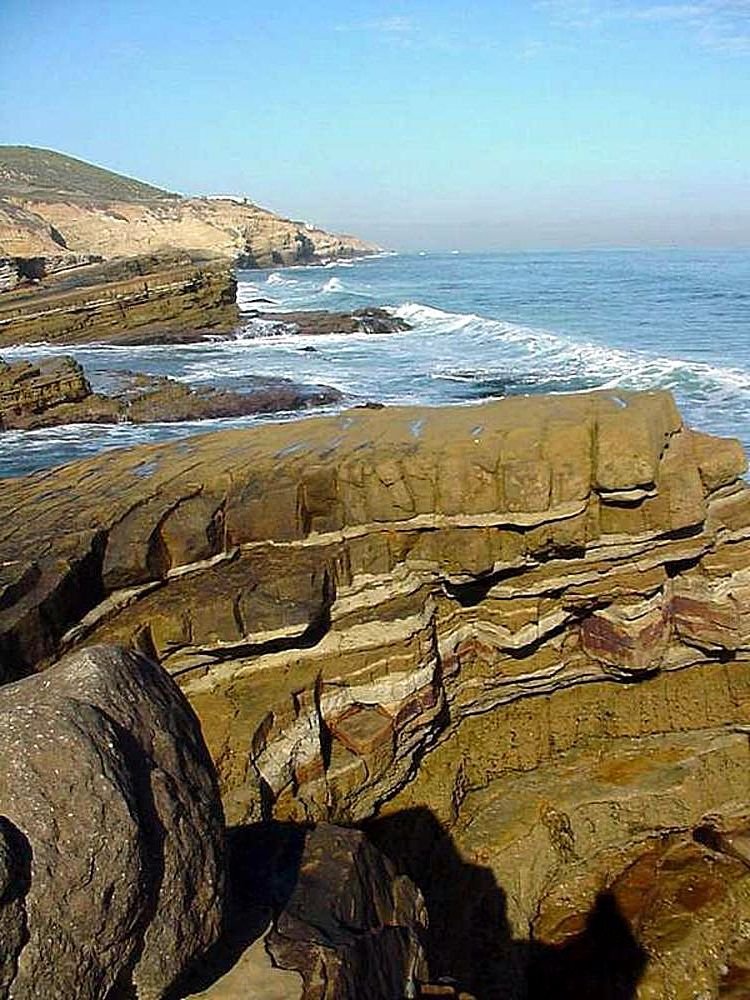
Cabrillo National Monument contains Southern California’s only federally protected tidepool habitat (cnmvipvoice.org). At low tide, visitors can observe sea anemones, limpets, mussels, hermit crabs, and sea stars. Ranger-led programs teach responsible tidepool exploration (national-park.com).
Marine Environment and Whale Migration
The monument is a renowned spot for gray whale watching from December through March, as these marine mammals migrate between Arctic waters and Baja California (NPS). Whale Overlook and the lighthouse provide prime viewing points, while interpretive programs explain the migration and local marine biodiversity.
Avian Diversity and the Pacific Flyway
Over 200 bird species visit Cabrillo National Monument annually, making it a stopover on the Pacific Flyway (NPS). Notable species include Anna’s hummingbird, California quail, Western gull, and brown pelican. The park’s habitats support a wide range of resident and migratory birds.
Native Flora and Restoration Efforts
Ongoing restoration focuses on removing invasive species and reestablishing native plants to support pollinators and preserve ecosystem health. Spring brings vibrant blooms of California poppy and bush sunflower. Visitors can participate in citizen science programs, such as iNaturalist, to document local flora and fauna (NPS).
Ecological Challenges and Conservation
Cabrillo National Monument faces habitat fragmentation, invasive species threats, climate change, and urban encroachment (cnmvipvoice.org). Conservation strategies include habitat restoration, public education, and research, balanced with visitor access through designated trails and ranger programs (NPS).
Visiting Hours, Tickets, and Directions
- Hours: Open daily, 9:00 AM to 5:00 PM (last entry at 4:30 PM), except Thanksgiving and December 25th. Confirm seasonal changes on the official NPS website.
- Tickets: $20 per vehicle (valid for 7 days), $15 per motorcycle, $10 per individual on foot or bike. Annual and interagency passes accepted (NPS).
- Directions: 1800 Cabrillo Memorial Drive, San Diego, CA 92106. From downtown, take Rosecrans Street to Catalina Boulevard and follow signs. Onsite parking is available but fills quickly during peak hours.
Accessibility
The Visitor Center, main overlooks, and lighthouse area have paved, wheelchair-accessible paths. Some trails and tidepool areas may have limited accessibility due to steep or uneven terrain. Accessible parking and restrooms are available (NPS).
Special Events and Guided Tours
- Ranger-led walks: Cover history, ecology, and tidepool exploration.
- Lighthouse Keeper Programs: Offer immersive experiences about the site's cultural and natural heritage (NPS).
- Annual Cabrillo Festival: Features reenactments, cultural performances, and educational activities.
Check the calendar for current offerings.
Photography Spots
Capture panoramic shots at the Cabrillo statue overlook, Old Point Loma Lighthouse, Whale Overlook, and along the coastal trails. Early morning and late afternoon light are best for photography.
Nearby Attractions
Combine your visit with a trip to the Cabrillo National Cemetery, Fort Rosecrans National Cemetery, Old Town San Diego State Historic Park, or the USS Midway Museum. These sites provide additional insights into San Diego’s rich historical and cultural landscape.
Visitor Tips for Responsible Enjoyment
- Stay on marked trails to protect habitats.
- Visit tidepools at low tide; do not disturb or remove marine life.
- Use binoculars for wildlife viewing and maintain a respectful distance.
- Pack out all trash and follow Leave No Trace principles.
- Dress in layers for variable coastal weather.
- Download the National Park Service app for offline maps and info.
Park Policies and Guidelines
- Smoking and vaping are prohibited (NPS policy).
- Pets are allowed only in parking lots and paved areas (except service animals).
- Drones are not permitted.
- No food or water concessions—bring your own.
Cellular and Internet Access
Cell service is unreliable, especially in lower park areas and tidepools. Wi-Fi is not available. Download maps and the park app before arrival.
Weather and What to Bring
- Climate: Mild Mediterranean; summer highs 75–80°F, winter highs 60–65°F.
- Essentials: Layered clothing, sun protection, water, snacks, sturdy shoes, and binoculars for whale or bird watching.
Visitor Centers, Facilities, and Amenities
- Visitor Center: Exhibits, bookstore, and restrooms.
- Additional restrooms at tidepool parking.
- No picnic tables; eat in parking or paved areas.
Safety and Environmental Protection
- Use caution on slippery rocks at tidepools.
- Do not disturb wildlife or remove natural items.
- Stay on established trails.
- For emergencies, contact park staff or dial 911 (cell service may be limited).
Frequently Asked Questions (FAQs)
Q: What are Cabrillo National Monument’s visiting hours?
A: Daily, 9:00 AM–5:00 PM. Closed Thanksgiving and December 25th.
Q: What are the ticket fees?
A: $20 per vehicle, $10 per individual (walk or bike); valid for 7 days. Annual and America the Beautiful passes accepted.
Q: Is the park accessible?
A: Yes, the Visitor Center and main paths are accessible, but some trails and natural areas may be challenging.
Q: Are there guided tours?
A: Yes, ranger-led walks and educational programs are available. Check the schedule at the Visitor Center or online.
Q: Can I bring my pet?
A: Pets are allowed only in parking and paved areas, except service animals.
Listen to the full story in the app
The whole Cabrillo National Monument,
told well.
Listen to sourced travel stories with local history and practical context — ready offline.
Verified, and shown.
Researched and written by the Audiala editorial team from historical records, architectural archives, and local expertise.
Built from cited sources · see the method · How we make our guides →