San Diego State University’s Aztec Center was the heart of student life and a symbol of the university’s cultural identity and community engagement. The original building opened in 1968 as a New Formalist architectural showpiece and SDSU’s first permanent student union, designed by Mosher and Drew (PCAD). It was demolished in 2011 and replaced by the Conrad Prebys Aztec Student Union, a LEED Platinum-certified facility that continues to anchor campus life.
This guide covers the Aztec Center’s history and legacy, the current Student Union, the Aztec Monument, the Aztec Recreation Center, and nearby sites. It includes visiting hours, accessibility, tours, cultural programs, and practical visitor information (SDSU Landmarks; SDSU News; SDSU Facts).
History and cultural significance
Conceived during SDSU’s expansion in the 1960s, the Aztec Center was designed by Mosher and Drew and constructed between 1966 and 1968. It opened in September 1968 to serve a student body of 17,000 (PCAD). Its New Formalist design combined modern materials with classical forms.
The building housed the student newspaper, The Daily Aztec; alumni relations; Monty’s Den restaurant; a bowling alley; an arcade; a barber shop; a grocery store; meeting rooms; craft spaces; billiards; and performance venues. These amenities made it a central campus hub for more than four decades (PCAD).
SDSU’s “Aztec” identity dates to the early 20th century, when students chose the name as the institution evolved from the State Normal School of San Diego (SDSU History). Donal Hord’s 1937 black diorite “Aztec” sculpture represents this identity and remains a landmark associated with campus pride and unity (SDSU Landmarks).
The Aztec Center helped build a sense of community and hosted traditions such as the Templo del Sol ceremony, which welcomed new students into the university’s Aztec-inspired culture (SDSU News).
By the 2000s, the original building no longer met campus needs. It was demolished in 2011, and the Conrad Prebys Aztec Student Union opened in its place in 2014 (PCAD; SDSU Facts). The new union is LEED Platinum-certified. Although the original Aztec Center is gone, its legacy continues through the Student Union, campus traditions, and educational programs (SDSU Aztec Identity).
What to see
Conrad Prebys Aztec Student Union
The current Student Union stands on the site of the original Aztec Center and remains a center of student life. It offers campus dining and cultural displays.
Aztec Monument and Donal Hord sculpture
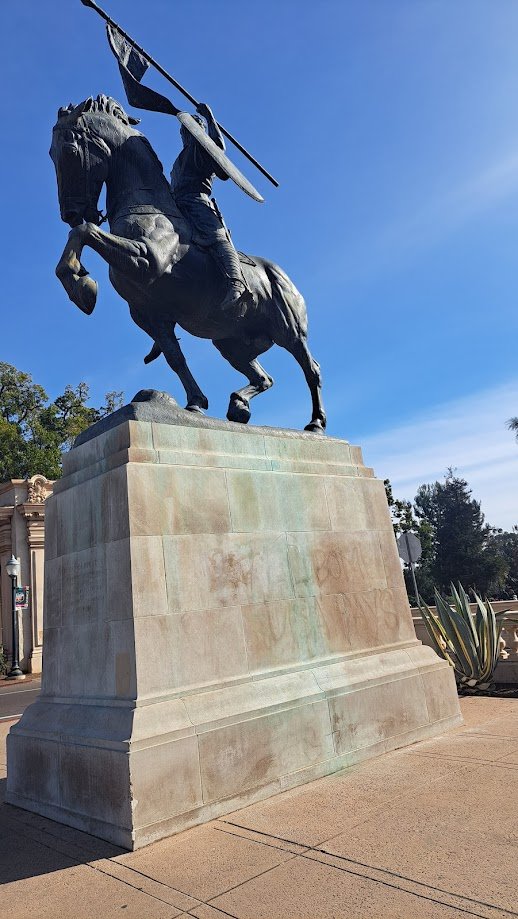
The Aztec Monument is a campus cultural and historical landmark and a focal point for cultural events, student activism, and campus traditions. Donal Hord’s original “Aztec” sculpture is at the Prospective Student Center; a replica is at the Parma Payne Goodall Alumni Center (SDSU Landmarks).
SDSU Native and Indigenous Healing Garden
Opened in 2019, the garden honors Aztec and Kumeyaay heritage.
Aztec Recreation Center
The Aztec Recreation Center (ARC) is a fitness and wellness facility with a fitness center, Aquaplex, bowling alley, racquet courts, group classes, adaptive equipment, and accessible pool lifts (ARC SDSU).
Practical visiting information
Student Union and Aztec Center site
Address: 5500 Campanile Drive, SDSU campus, San Diego, CA.
- Hours Monday–Friday, 7:00 AM–11:00 PM; weekends, 9:00 AM–9:00 PM. Hours may vary during holidays and breaks; check the Aztec Student Union website.
- Admission Free and open to the public.
- Accessibility The Student Union is fully wheelchair accessible.
- Parking Paid parking is available in nearby campus lots. See SDSU Parking Services for rates and permit information.
Aztec Monument
- Hours Accessible daily from dawn to dusk. Special event times may vary; see the SDSU events calendar.
- Admission Free and open to the public.
- Tours Guided tours are available through the SDSU Visitor Center.
- Accessibility and amenities The site is fully accessible, with paved paths and ramps. Restrooms are in the adjacent Student Union and Recreation Center. Accessible parking spaces are available, and public transit is convenient.
Tours and cultural programs
SDSU campus tours highlight Aztec cultural identity and historic landmarks. Book in-person or virtual tours through the SDSU Admissions Tours page; tours require advance booking.
The Aztec Culture Education Committee (ACEC) offers programs on Aztec and Náhua culture, including Náhuatl language instruction and cultural celebrations (SDSU News). Monument-area events include Aztec Heritage Month cultural performances and workshops, the annual Aztec Achievement Awards recognizing campus contributions, and forums and performances at the Free Speech Steps.
Interactive maps and virtual tours on the SDSU website offer a preview of the Aztec Center’s history and current campus landmarks.
Aztec Recreation Center
Address: 5301 55th St.
- Monday–Thursday 5:30 AM–12:00 AM
- Friday 5:30 AM–7:00 PM
- Saturday 8:00 AM–10:00 PM
- Sunday 8:00 AM–12:00 AM
Check ARC's website for holiday hours.
Membership is available to SDSU students, faculty, staff, and alumni. Community membership is available through sponsorship or a community pass; contact the ARC for details (ARC Membership).
The facility is fully ADA compliant. Staff provide assistance and adaptive programs. Paid campus parking and accessible spaces are available. The SDSU Transit Center is served by the Green Line trolley and bus routes. The ARC hosts health fairs, sports tournaments, the Aztec Unity Project, and community partnerships. Tours are available by request at the information desk.
Tips
- Wear comfortable shoes.
- Check the weather and bring sun protection.
- Plan a visit on event days for a richer experience.
- Book tours in advance and check event schedules.
- Use the accessible facilities.
- Download the Audiala app for guided audio tours and updates.
- Follow SDSU and ARC on social media for news and tips.
Nearby places
Viejas Arena and campus dining
Viejas Arena hosts concerts and cultural events. Multiple dining options are available on campus and nearby, including eateries in the Student Union.
Cabrillo National Monument
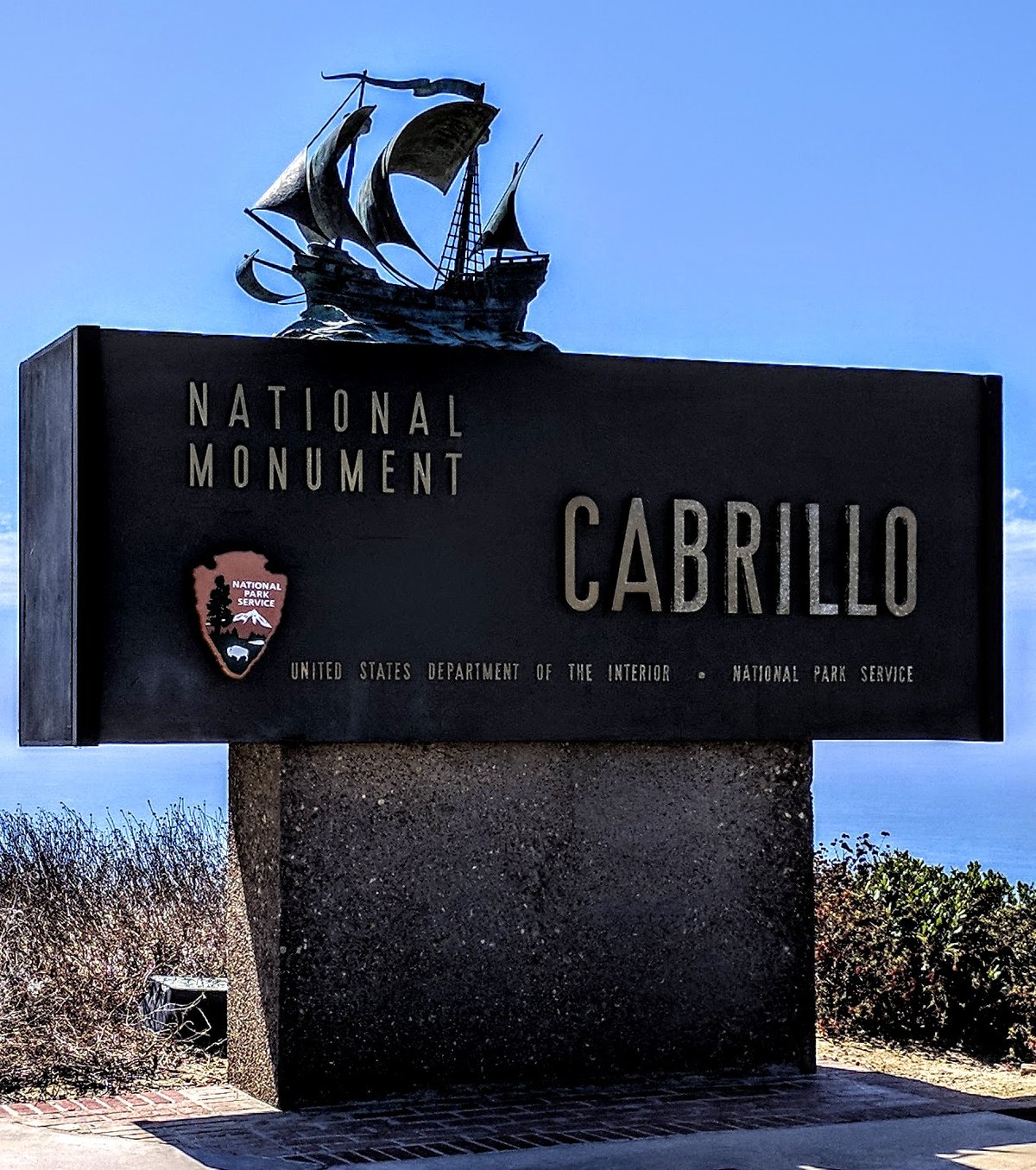
Located on Point Loma, Cabrillo National Monument commemorates Juan Rodríguez Cabrillo’s 1542 landing, described as the first European contact with the U.S. West Coast. The site offers sweeping bay views, maritime history, and natural wonders.
- Hours Daily, 9 a.m.–5 p.m.; last entry at 4:30 p.m. Closed major holidays.
- Tickets $20/adult; youth under 15 enter free. Group discounts and special event reservations are available. Purchase tickets via the National Park Service Cabrillo page.
- Attractions Old Point Loma Lighthouse, tide pools, visitor center exhibits, hiking trails, and annual cultural festivals.
- Accessibility Wheelchair-accessible trails, ramps, restrooms, and parking.
- Travel tips Arrive early for parking, bring sun protection, and check transit options.
Frequently asked questions
Are there entrance fees for the Student Union or campus tours?
No. Both are free, though tours require advance booking.
What are the Student Union’s opening hours?
Generally, weekdays 7:00 AM–11:00 PM and weekends 9:00 AM–9:00 PM. Check the Aztec Student Union website for updates.
Is the site wheelchair accessible?
Yes. The Student Union and landmarks are fully accessible.
How do I book guided tours?
Reserve tours online via SDSU Admissions.